How Much Does a Baseball Cap Weigh? Custom Hat Weight Guide for Bulk Buyers
A standard baseball cap usually weighs between 50 and 120 grams. Lightweight promotional caps may weigh around 50–70 grams, while structured cotton caps, snapbacks, or premium embroidered caps can weigh 80–120 grams.
For everyday wearers, cap weight may seem like a small detail. But for brands, distributors, event organizers, and bulk buyers, it can affect comfort, product quality, packing quantity, carton weight, and international shipping cost.
When planning a custom baseball cap order, understanding cap weight helps you choose the right fabric, crown structure, brim, closure, logo method, and packing solution. This guide explains what affects baseball cap weight and how to choose the right option for different custom projects.
Average Baseball Cap Weight in Grams
Most baseball caps weigh between 50 and 120 grams per piece. The final weight depends on the fabric, structure, brim material, logo decoration, closure type, and packaging.
Here is a general reference:
| Cap Type | Typical Weight | Common Use |
|---|---|---|
| Lightweight Promotional Cap | 50–70g | Events, giveaways, summer promotions |
| Cotton Baseball Cap | 60–90g | Daily wear, brand merchandise |
| Structured Baseball Cap | 80–110g | Corporate uniforms, retail caps |
| Heavy Cotton Baseball Cap | 90–120g | Premium brand collections |
| Polyester Sports Cap | 55–85g | Outdoor use, sports teams |
| Trucker Cap | 70–100g | Outdoor events, casual promotions |
| Snapback Hat | 85–120g | Streetwear, fashion branding |
| 5 Panel Cap | 50–85g | Lightweight fashion and outdoor use |
These numbers are only general references. A finished custom cap may be lighter or heavier depending on the materials and customization details.
What Parts Affect the Weight of a Baseball Cap?
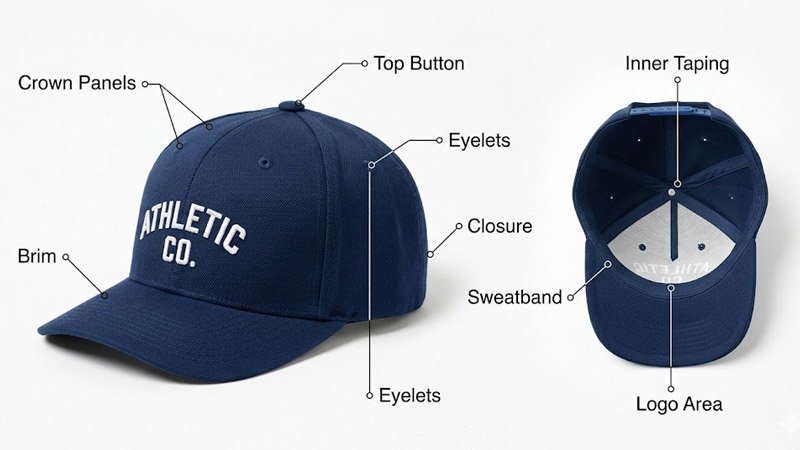
A baseball cap is made from several parts. Each part adds weight and also affects comfort, shape, and durability.
The main components include:
- Fabric panels
- Crown structure
- Front buckram or inner support
- Brim insert
- Sweatband
- Inner taping
- Eyelets
- Top button
- Closure
- Logo decoration
- Labels and packaging
For custom cap production, the weight is not decided by fabric alone. A cap with the same outer material may still have a different weight if it uses a structured front panel, thicker brim, metal buckle, or heavy embroidery.
How Fabric Choice Changes Cap Weight
Material is one of the most important factors that affect baseball cap weight. Different fabrics have different thickness, texture, breathability, and durability.
Cotton Baseball Caps
Cotton baseball caps usually weigh around 60–90 grams.
Cotton is soft, breathable, and comfortable for daily use. It is one of the most popular materials for custom baseball caps because it works well for embroidery, patches, labels, and brand merchandise.
Lightweight cotton caps are suitable for summer promotions and casual wear. Heavier cotton twill caps are better for retail brands, corporate uniforms, and premium custom projects.
Polyester Baseball Caps
Polyester caps usually weigh around 55–85 grams.
Polyester is lightweight, durable, and quick-drying. It is commonly used for sports caps, outdoor caps, team caps, and promotional caps. If buyers need a cap for active use or warm weather, polyester is a practical option.
Cotton-Polyester Blended Caps
Blended fabric caps usually weigh around 70–100 grams.
A cotton-polyester blend can balance comfort, durability, and cost. It is suitable for bulk custom orders because it provides stable quality and can support different logo methods.
Canvas or Heavy Cotton Caps
Canvas or heavy cotton caps usually weigh around 90–120 grams.
These caps feel stronger and more premium. They are often used for fashion brands, outdoor brands, workwear uniforms, and retail collections. The heavier fabric helps the cap keep its shape and creates a higher-value hand feel.
Mesh Trucker Caps
Trucker caps usually weigh around 70–100 grams.
Because the back panels are made of mesh, trucker caps are breathable and may be lighter than fully structured cotton caps. They are popular for outdoor events, lifestyle brands, summer promotions, and casual merchandise.
Structured vs. Unstructured Caps
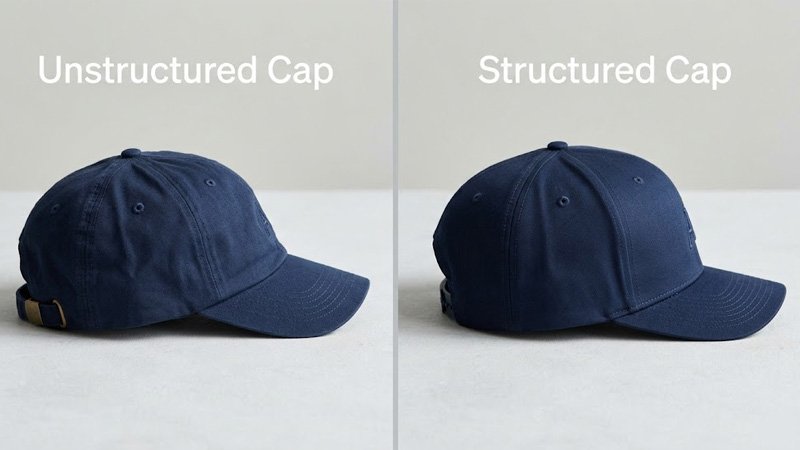
Cap structure can make a big difference in weight.
A structured baseball cap has a reinforced front panel, usually with buckram or inner support. It holds its shape better and gives the cap a cleaner, more professional appearance. However, the extra support also adds weight.
An unstructured baseball cap has a softer crown with less reinforcement. It is usually lighter, more relaxed, and comfortable for casual wear.
| Structure Type | Typical Weight | Features |
|---|---|---|
| Unstructured Cap | 50–80g | Soft, relaxed, lightweight |
| Semi-Structured Cap | 70–95g | Balanced shape and comfort |
| Structured Cap | 80–120g | Stronger shape, premium look |
For promotional giveaways or outdoor activities, an unstructured cap can be a good choice. For corporate uniforms, retail brands, and premium merchandise, a structured cap may be more suitable.
Brim, Crown and Closure Weight
The brim, crown height, and closure also affect the final weight of a baseball cap.
A thicker or stiffer brim can add around 10–30 grams, depending on the material and construction. Flat brims, curved brims, sandwich brims, and reinforced brims may all have different weight levels.
The crown height also matters. A high-profile cap uses more material than a low-profile cap, so it is usually slightly heavier.
| Crown Style | Weight Impact | Common Use |
|---|---|---|
| Low Profile | Lighter | Casual wear, sports caps |
| Mid Profile | Medium | Most custom baseball caps |
| High Profile | Heavier | Snapbacks, fashion caps |
Closures also add small weight differences:
| Closure Type | Weight Impact | Features |
|---|---|---|
| Velcro Closure | Light | Cost-effective, easy adjustment |
| Plastic Snapback | Medium | Popular for streetwear and casual caps |
| Metal Buckle | Medium to heavier | More premium appearance |
| Elastic Fitted Band | Medium | Comfortable fit, no rear opening |
For large custom orders, even small weight differences can affect total net weight and shipping planning.
Does Custom Logo Decoration Add Weight?
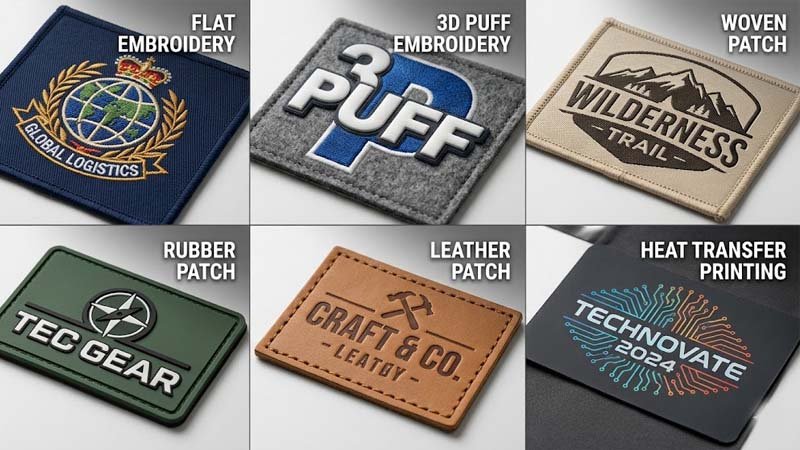
Yes. Custom logo decoration can increase the weight of a baseball cap, especially when the logo is large, thick, or made with additional materials.
| Logo Method | Weight Impact | Best For |
|---|---|---|
| Flat Embroidery | Low to medium | Brand logos, text, corporate caps |
| 3D Puff Embroidery | Medium | Bold logos, fashion caps |
| Woven Patch | Medium | Detailed artwork, brand labels |
| Rubber Patch | Medium to high | Outdoor, sports, streetwear caps |
| Leather Patch | Medium | Premium branding |
| Heat Transfer Printing | Low | Lightweight caps, colorful designs |
| Appliqué Embroidery | Medium to high | Fashion and retail caps |
A small flat embroidered logo may only add a few grams. A large 3D puff embroidery, rubber patch, or leather patch can add more weight.
For one cap, the difference may not feel significant. But for 1,000 pieces, a 10g increase per cap becomes 10kg of extra net weight before adding packaging and cartons.
Net Weight, Gross Weight and Volumetric Weight
For bulk buyers, it is important to understand the difference between net weight, gross weight, and volumetric weight.
Net Weight
Net weight refers to the weight of the product itself, without cartons or outer packaging.
For example, if one cap weighs 80g, then:
80g × 1,000pcs = 80,000g = 80kg net weight
Gross Weight
Gross weight includes the product, individual packaging, inner packing, carton, labels, and other packing materials.
For example, 1,000 caps with a net weight of 80kg may have a gross weight of around 95–110kg, depending on the packing method.
Volumetric Weight
Volumetric weight is calculated based on carton size. For caps, this is especially important because structured caps often need more space to protect their shape.
A lightweight cap may not be heavy, but if the carton size is large, the shipping company may calculate freight by volume instead of actual weight.
For structured caps, snapbacks, or premium retail caps, volumetric weight may sometimes affect shipping cost more than actual product weight.
Example: How Cap Weight Affects a 1,000-Piece Order
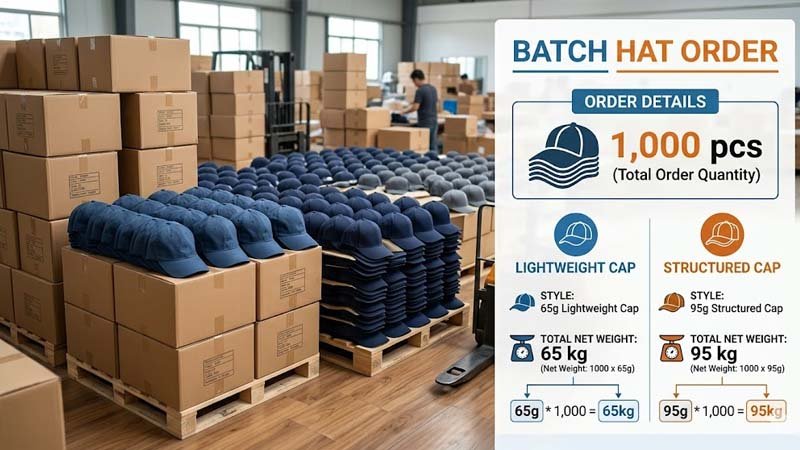
Here is a simple example.
If one lightweight promotional cap weighs 65g, then:
65g × 1,000pcs = 65kg net weight
If one structured embroidered cap weighs 95g, then:
95g × 1,000pcs = 95kg net weight
The difference is:
95kg – 65kg = 30kg
That means a heavier cap design may add around 30kg of extra net weight for a 1,000-piece order. After adding cartons and packing materials, the final gross weight may increase even more.
This is why cap weight should be considered before confirming fabric, structure, logo method, and packing requirements.
Estimated Shipping Weight for Bulk Baseball Cap Orders
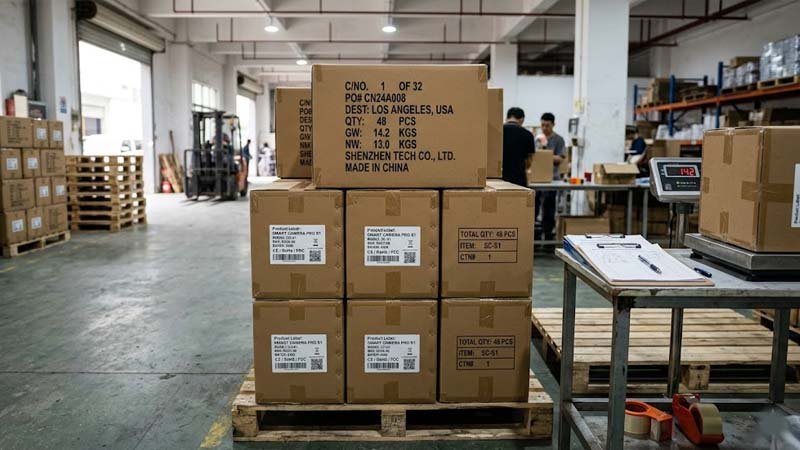
The final shipping weight depends on cap style, packing method, carton size, and logo process. However, the table below can be used as a general reference.
| Quantity | Estimated Net Weight | Estimated Gross Weight |
|---|---|---|
| 100 pcs | 6–10 kg | 8–13 kg |
| 500 pcs | 30–50 kg | 38–60 kg |
| 1,000 pcs | 60–100 kg | 75–120 kg |
| 5,000 pcs | 300–500 kg | 380–600 kg |
These are estimated ranges only. Before shipment, buyers should always confirm the exact carton quantity, carton size, gross weight, and volume with the manufacturer.
How to Choose the Right Cap Weight for Your Project
The best baseball cap weight depends on the purpose of the order. A heavier cap is not always better, and a lighter cap is not always lower quality.
Here is a practical guide for different projects:
| Project Type | Suggested Cap Weight | Recommended Customization |
|---|---|---|
| Event Giveaway | 50–75g | Printing or simple embroidery |
| Summer Promotion | 50–80g | Lightweight cotton or polyester |
| Sports Team | 55–85g | Polyester with breathable panels |
| Corporate Uniform | 70–100g | Structured cap with flat embroidery |
| Retail Brand | 85–120g | 3D embroidery, woven patch, or leather patch |
| Outdoor Brand | 80–120g | Heavy cotton, mesh, or rubber patch |
| Premium Gift | 80–120g | Structured design with custom packaging |
For large promotional orders, a lightweight cap can reduce cost and improve comfort. For retail and premium projects, a medium or heavier cap can improve structure, brand value, and perceived quality.
Lightweight Caps vs. Heavy Caps: Which Is Better?
Both lightweight and heavy baseball caps have advantages. The right choice depends on your market and usage.
Lightweight Caps
Lightweight caps are usually better for:
- Outdoor events
- Summer promotions
- Sports teams
- School activities
- Large giveaways
- Budget-friendly campaigns
They are comfortable, breathable, easy to pack, and suitable for long-time wear.
Heavy Caps
Heavier caps are usually better for:
- Fashion brands
- Retail collections
- Corporate uniforms
- Premium gifts
- Outdoor workwear
- Streetwear designs
They usually have a stronger shape, thicker fabric, and better hand feel. They are also suitable for more premium logo methods such as 3D embroidery, woven patches, rubber patches, or leather labels.
The best option is not the lightest or the heaviest cap. The best option is the cap that matches your brand positioning, target users, and budget.
Factory Tips Before Requesting a Quote
Before requesting a custom baseball cap quotation, buyers should prepare the basic specifications. This helps the manufacturer calculate a more accurate price, weight, production time, and shipping cost.
Useful details include:
- Cap style
- Fabric material
- Fabric color
- Structured or unstructured crown
- Brim type
- Logo artwork
- Logo method
- Closure type
- Quantity
- Packaging requirements
- Delivery destination
As a Guangzhou-based OEM/ODM hat manufacturer with 15 years of experience, GUANGZHOU EASTLUCKY Hat & Garment Co., Ltd. provides one-stop custom hat solutions from design sampling to mass production. Our team helps global brands choose suitable fabrics, embroidery methods, structures, closures, and packing solutions based on product positioning, budget, and delivery requirements.
For bulk orders, it is also useful to ask the supplier:
- What is the approximate weight per cap?
- What is the estimated net weight and gross weight?
- How many pieces are packed per carton?
- What is the carton size?
- Will the logo method affect the final weight?
- Is the cap suitable for air shipping or sea shipping?
- Can a pre-production sample be provided before mass production?
These questions can help avoid misunderstandings and make the order process smoother.
FAQs About Baseball Cap Weight
How much does a baseball cap weigh in grams?
A standard baseball cap usually weighs between 50 and 120 grams, depending on the material, structure, brim, closure, logo method, and packing style.
How much does a cotton baseball cap weigh?
A cotton baseball cap usually weighs around 60–90 grams. Lightweight cotton caps are closer to 60g, while structured or heavy cotton caps may weigh 90g or more.
How much does a structured baseball cap weigh?
A structured baseball cap usually weighs around 80–120 grams. The reinforced front panel, stronger brim, and heavier fabric can increase the final weight.
Does embroidery make a baseball cap heavier?
Yes. Embroidery can add extra weight to a cap. Small flat embroidery may only add a few grams, while large 3D puff embroidery or dense stitching can add more.
Does a patch make a cap heavier?
Yes. Woven patches, rubber patches, leather patches, and appliqué embroidery can increase cap weight. The final weight depends on the patch material, size, and thickness.
How much does 1,000 baseball caps weigh?
If each cap weighs 60–100g, then 1,000 caps may have a net weight of around 60–100kg. After adding packaging and cartons, the gross weight may be around 75–120kg.
Are heavier baseball caps better quality?
Not always. Heavier caps may feel more structured and premium, but lightweight caps can also be high quality. The best choice depends on the purpose, target users, and budget.
Does cap weight affect shipping cost?
Yes. Cap weight can affect shipping cost, especially for bulk orders. However, carton size and volumetric weight are also important, especially for structured caps and snapbacks.
Final Thoughts
A baseball cap usually weighs between 50 and 120 grams, but the final weight depends on the fabric, structure, brim, closure, logo decoration, and packing method.
For bulk buyers, cap weight is more than a small product detail. It can affect comfort, product quality, carton quantity, gross weight, volumetric weight, and international shipping cost.
If you need lightweight promotional caps, materials such as polyester, lightweight cotton, or unstructured designs may be more suitable. If you need premium retail caps, corporate uniforms, or fashion brand merchandise, medium to heavy cotton caps with embroidery or patch decoration may create a better brand impression.
Before placing a custom baseball cap order, confirm the cap weight, packing method, carton size, and shipping details with your manufacturer. Choosing the right cap weight from the beginning can help you balance comfort, quality, branding effect, and total order cost.