The Complete Guide to Custom Hats: Fabrics, Embroidery, MOQ, Lead Times & Quality Control
Custom hats are one of the most effective brand carriers: they’re wearable, highly visible, and work across retail, events, sports, and corporate merchandising. But for buyers, developing a hat program often comes with familiar risks—unstable fit, inconsistent embroidery, color deviation, missed deadlines, and samples that don’t match bulk production.
This guide is written as a practical purchasing and sourcing reference. You’ll learn how to choose the right fabrics and decoration methods, how MOQ and lead times really work, and what quality control checkpoints matter most—so you can place orders with confidence and scale without surprises.
1) Start with the End Use: What the Hat Is “For”
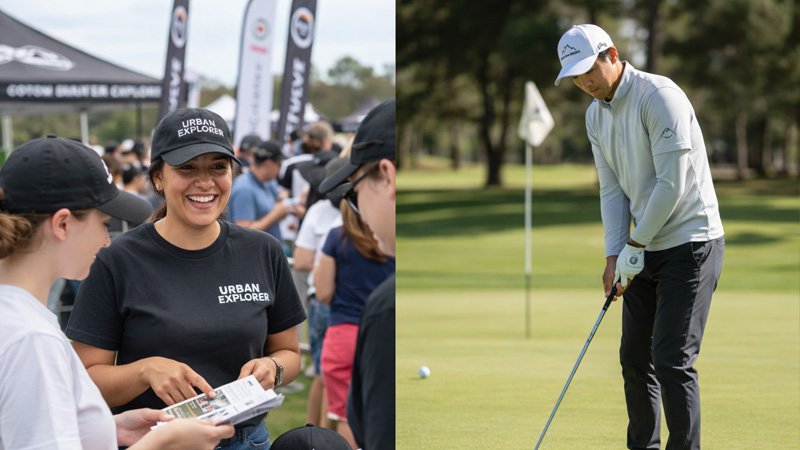
Before talking fabrics or embroidery, clarify the usage scenario. This single step prevents most sourcing mistakes.
-
Retail / fashion drops: focus on silhouette, hand-feel, stitching details, label/trim upgrades, consistency across sizes.
-
Promotional / events: prioritize cost control, fast production, clear logo visibility, easy sizing (adjustable).
-
Sports / outdoor: prioritize performance fabrics, breathability, sweat management, UV protection, durability.
-
Corporate uniforms: prioritize clean branding, stable color matching, long-term repeatability.
Once the use case is clear, you can narrow down: hat style, material, decoration, packaging, and QC standard.
2) Popular Hat Styles Buyers Source Most Often
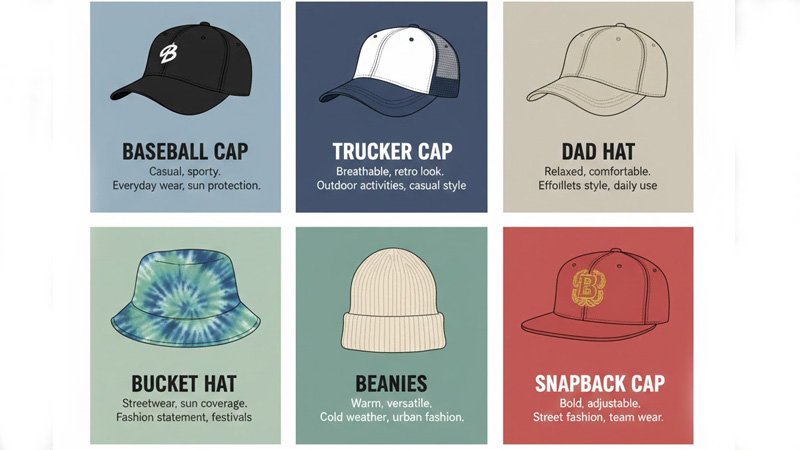
Different structures require different patterning and workmanship. Confirm style early—changing it later impacts cost, MOQ, and timing.
Common styles and what they’re best for:
-
Baseball Cap (6-panel / 5-panel): versatile; works for promotions and retail; stable across seasons.
-
Dad Cap (unstructured): casual look; softer crown; great for lifestyle brands.
-
Snapback (structured): flat brim and strong shape; popular in streetwear.
-
Trucker Cap (mesh back): breathable; great for summer events and outdoor work.
-
Bucket Hat: strong sun protection; trendy; fabric choice matters for comfort.
-
Beanie: winter staple; ideal for embroidery/patch; yarn and gauge affect quality.
Buyer tip: Ask the factory for a tech pack template early. A clear spec sheet (style, size, panels, closure, brim type, decoration, color references, packaging) reduces sampling rounds and prevents bulk mismatch.
3) Fabrics: What to Choose and Why It Matters
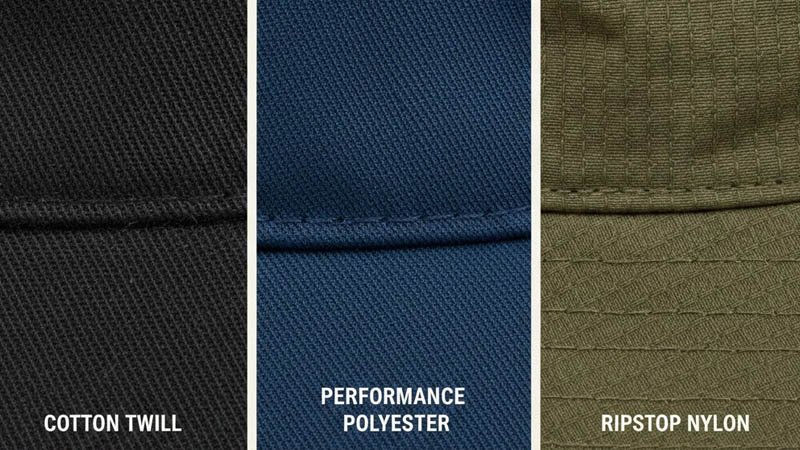
Fabric is not just “material”—it determines durability, colorfastness, embroidery quality, and how the hat holds its shape.
Common fabrics (and best use cases)
-
Cotton twill: classic, comfortable, easy to brand; widely used for caps.
-
Polyester (woven): durable, stable, often better color consistency; good for promotions and sports.
-
Nylon: lightweight and quick-dry; good for performance hats.
-
Mesh (polyester): ventilation for trucker styles; confirm mesh stiffness and hole density.
-
Corduroy: premium texture; great for fashion; can affect embroidery sharpness.
-
Wool / wool blend: premium look for colder seasons; confirm shrink control.
-
Canvas: rugged, structured feel; good for workwear-inspired looks.
What buyers should confirm
-
GSM/weight (fabric thickness): affects structure and embroidery performance.
-
Color matching method: Pantone reference, lab dips, or fabric dye lot control.
-
Colorfastness expectations: especially for dark colors and outdoor use.
-
Shrink/shape stability: critical for structured hats and repeat orders.
Buyer tip: If you want consistent long-term results, request a golden sample (approved benchmark) and ensure it’s used to validate every repeat order.
4) Embroidery & Decoration: Choosing the Right Method
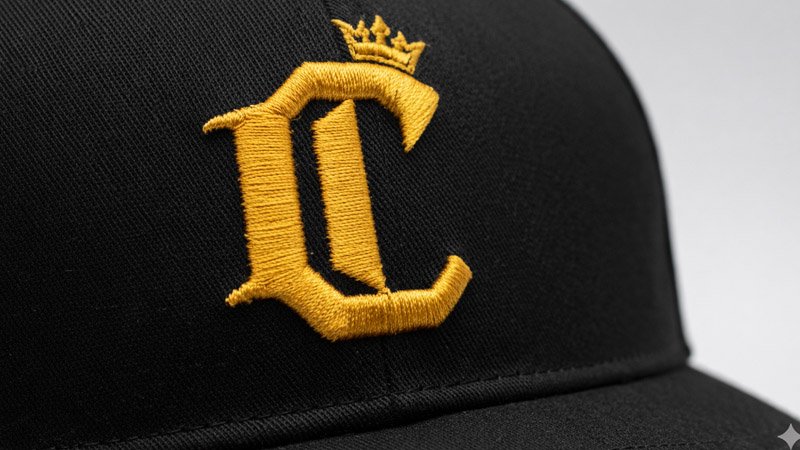
Decoration is where brands win—or lose. The same logo can look premium or cheap depending on method, thread choice, stitch density, and placement control.
Most used decoration options
-
Flat embroidery: clean and classic; good for most logos.
-
3D embroidery (puff): bold, premium look; works best for simpler shapes and thicker outlines.
-
Appliqué / patches (woven/embroidered/leather): premium layering; great for complex logos.
-
Woven labels / metal logos: strong for high-end branding; adds perceived value.
-
Screen print / heat transfer: works for very detailed artwork or gradients; check durability requirements.
What to specify for embroidery quality
-
Digitizing standard: ask for a stitch file preview or test sew-out.
-
Stitch density & thread type: impacts clarity and durability.
-
Backing and reinforcement: affects comfort and longevity.
-
Placement tolerance: define acceptable deviation (e.g., logo center offset tolerance).
Buyer tip: Always approve embroidery based on real sew-out photos/videos and ideally a physical sample—not just digital mockups.
5) MOQ: What It Usually Means (and How to Plan It)
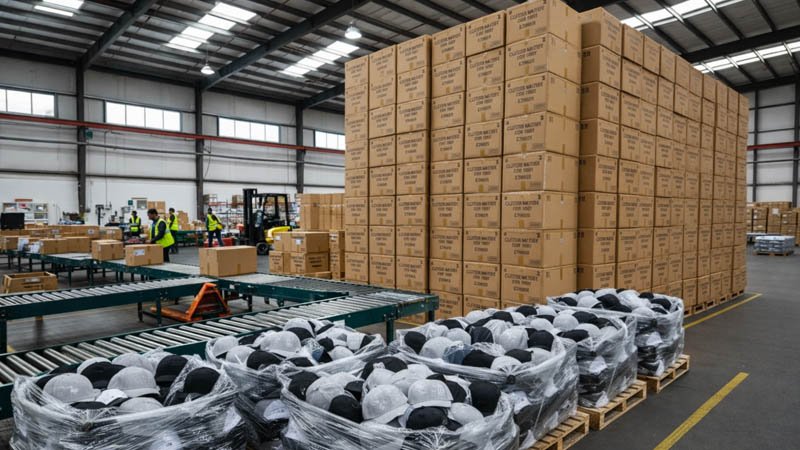
MOQ varies by factory capability and by the complexity of your customization.
Typical drivers of MOQ:
-
Number of colors and custom fabric requirements
-
Special trims (custom buckles, labels, tapes)
-
Complex embroidery or multiple decoration positions
-
Packaging customization (barcode, hangtag kits, retail-ready packing)
How to reduce MOQ pressure:
-
Use stock fabric colors rather than custom dye.
-
Standardize closures and trims across multiple designs.
-
Consolidate multiple SKUs into one production run (same fabric, different embroidery).
Best practice: Your RFQ should clearly state:
-
target quantity per style/color
-
expected reorder frequency
-
target ship date
-
delivery country (affects logistics planning)
6) Lead Times: Sampling vs. Bulk Production
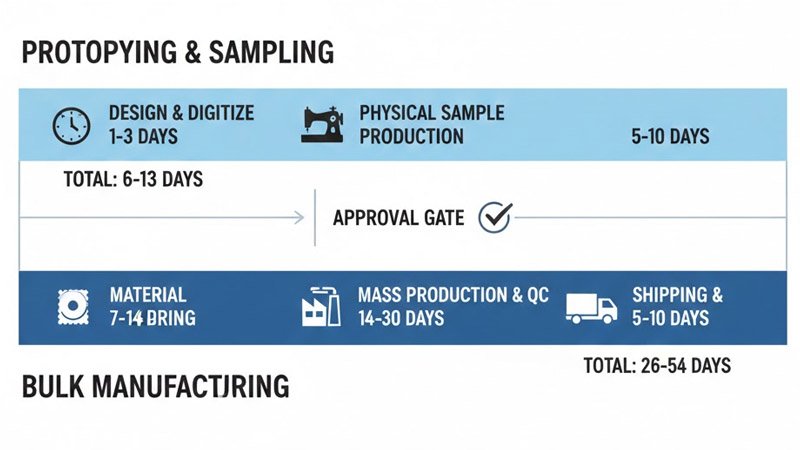
Lead time is often misunderstood because buyers mix up sample timelines with bulk timelines.
Sampling timeline (typical workflow)
-
Confirm tech pack & artwork
-
Embroidery digitizing + test sew
-
Sample sewing + finishing
-
Sample review + revisions (if needed)
Bulk production timeline (typical workflow)
-
Material procurement
-
Cutting & embroidery/printing
-
Sewing assembly
-
Washing/finishing (if required)
-
Final QC + packing
-
Shipment dispatch
What causes delays most often:
-
late artwork approval or unclear logo specs
-
fabric color approvals (Pantone matching / lab dips)
-
frequent sample revisions due to missing requirements
-
peak season factory capacity
-
packaging details confirmed too late
Buyer tip: For time-sensitive projects, lock these early:
-
hat style + fabric + closure
-
logo method + placement
-
packaging method (bulk / retail-ready / FBA-ready)
7) Quality Control: The Checkpoints That Protect Your Brand
If you want premium results, quality control cannot be an afterthought. It must be built into the process.
A practical QC checklist (high-impact items)
Material
-
fabric defects, color deviation, shrink risk
-
sweatband comfort and stitching stability
Construction
-
crown shape consistency
-
brim curvature & stiffness uniformity
-
seam alignment, panel symmetry
-
closure durability (buckle/velcro/snap)
Branding
-
embroidery clarity, thread breaks, loose ends
-
logo position tolerance
-
patch edge finishing and adhesion (if used)
Finishing & packing
-
stains, oil marks, crush damage
-
packaging correctness (barcode, hangtag placement)
-
carton markings and quantity accuracy
Buyer tip: Ask for in-process inspection photos (not just final packing photos). Problems are cheaper to fix mid-production than after everything is packed.
8) What a “High-End OEM/ODM Partner” Should Offer
When evaluating a manufacturer, the goal isn’t just a low unit price. It’s repeatable quality, stable delivery, and a process that reduces risk.
Look for:
-
strong sampling execution (pattern + embroidery + finishing)
-
clear process milestones and communication
-
ability to scale without quality dropping
-
documented QC standards and accountability
-
flexibility for OEM/ODM development (not only copying existing styles)
9) Manufacturer Spotlight: GUANGZHOU EASTLUCKY Hat & Garment Co., Ltd.
If you’re building a premium hat program and need a reliable OEM/ODM partner, here is who we are:
GUANGZHOU EASTLUCKY Hat & Garment Co., Ltd. is a high-end custom hat and OEM/ODM manufacturer based in Guangzhou, China, with 15 years of expertise in professional R&D, production, and distribution of various hats and embroidered accessories. Guided by the philosophy “Quality as Root, Innovation as Soul,” we provide global clients with one-stop solutions from design sampling to mass production—enabling efficient and high-quality supply chain services for brands.
In practice, that means we focus on:
-
R&D-driven sampling that aligns with real bulk production
-
embroidery and detail execution to support premium positioning
-
process-based quality control to improve consistency over repeat orders
-
OEM/ODM support for brands that require development, not just basic sourcing
10) A Buyer’s RFQ Template (Copy & Paste)
To get faster quotes and fewer misunderstandings, send your supplier this information:
-
Hat style (e.g., 6-panel structured cap / bucket hat / beanie)
-
Material (or request recommendations)
-
Logo file (AI/PDF preferred) + decoration method (flat/3D embroidery, patch, print)
-
Placement details (front/side/back, size in cm or inches)
-
Quantity per color + total quantity
-
Target ship date + destination country/port
-
Packaging requirements (bulk / retail-ready / barcode/hangtag/FBA-ready)
-
Any quality requirements (color matching, logo tolerance, inspection expectations)
Conclusion: Buy Like a Pro, Build Like a Premium Brand
A successful custom hat project is not just about picking a style. It’s about aligning fabric, decoration, MOQ, lead time planning, and quality control into one repeatable system. When these elements are managed well, you get consistent bulk production, fewer revisions, and a stronger brand product experience.
If you’re planning a custom hat line—or upgrading your existing supplier standard—choose a partner who can deliver both manufacturing capability and process discipline, not just a low quote.
Ready to Start Your Custom Hat Project?
If you share your logo, target quantity, and delivery timeline, we can help recommend the most suitable hat style, materials, and decoration method—then support you from sampling to mass production with stable quality control.
(Add your preferred contact method or inquiry form link here.)