Snapback vs Fitted Hats: Which One Fits Better, Looks Better, and Sells Better?
When choosing between a snapback and a fitted hat, most buyers are really asking three practical questions: which one fits better, which one looks better, and which one sells better. The answer is not the same for every customer, brand, or market.
Both styles are popular, but they serve different purposes. A snapback is usually the easier and more flexible option for a broad audience, while a fitted hat often delivers a cleaner, more size-specific, and more premium look. For personal wear, the choice depends on comfort and style preference. For brands, retailers, and custom hat buyers, the choice also affects inventory planning, customer satisfaction, and product positioning.
In this guide, we will compare snapback vs fitted hats in a practical way, so you can decide which style is right for your project, your customers, or your own wardrobe.
What Is a Snapback Hat?
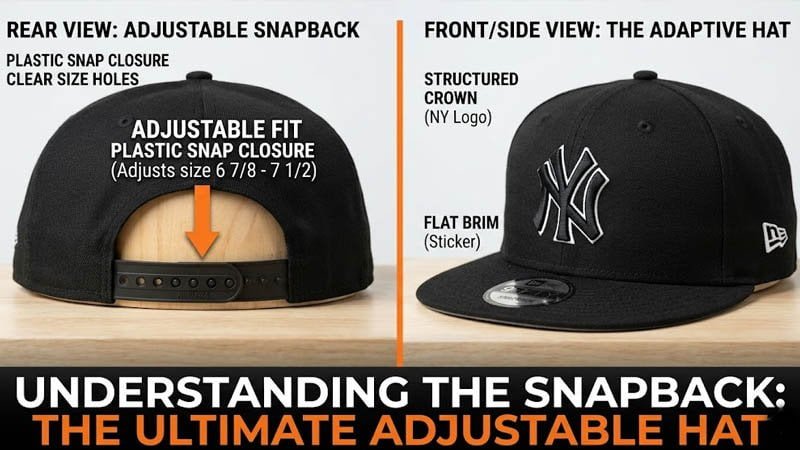
A snapback is a cap with an adjustable plastic snap closure at the back. This design allows the wearer to change the fit easily, which is why snapbacks are often described as “one size fits most.”
Snapback hats are commonly seen in streetwear, sports merchandise, promotional products, and casual fashion collections. Most snapbacks feature a structured crown, a strong front panel for logos, and a modern profile that works well for embroidery, patches, and bold branding.
Because of their adjustable fit, snapbacks are especially useful when one product needs to work for a wide range of people. This is one reason why they are widely used in events, giveaways, schools, team activities, and mass-market custom orders.
What Is a Fitted Hat?
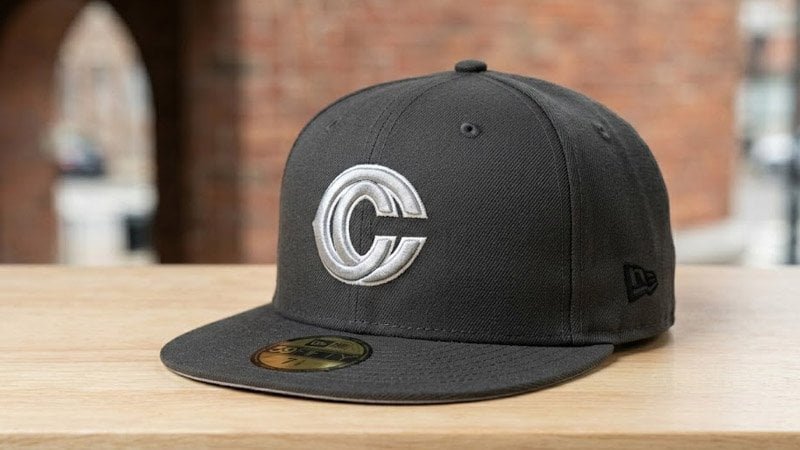
A fitted hat is a cap made in a fixed size, without an adjustable closure at the back. It is designed to match a specific head circumference more precisely, creating a cleaner and more continuous shape around the head.
Fitted hats are popular in sports culture, fan merchandise, fashion retail, and premium cap collections. Many buyers prefer them because they look streamlined and feel more size-specific. Without a visible back closure, fitted hats often appear more polished and more refined than adjustable caps.
However, fitted hats require correct sizing. If the size is right, they can feel secure and balanced. If the size is wrong, comfort can drop quickly. That is why fitted hats are often better suited to buyers who know their size or brands that can support size-based selling.
Snapback vs Fitted Hats: Quick Comparison
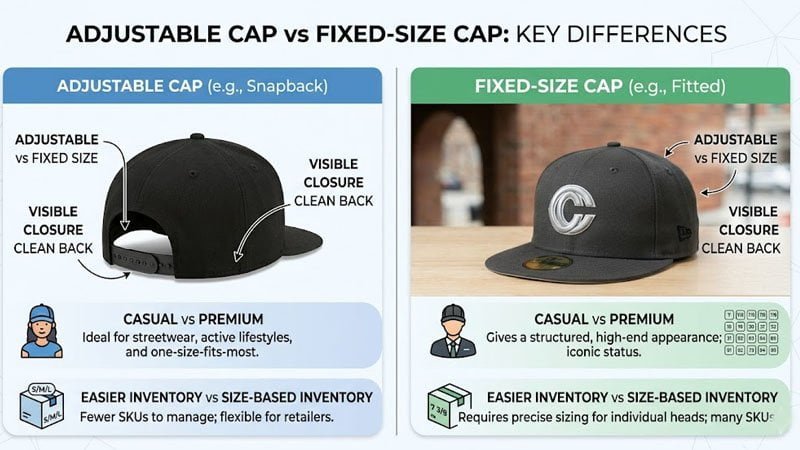
| Feature | Snapback | Fitted |
|---|---|---|
| Size | Adjustable | Fixed size |
| Fit flexibility | High | Low |
| Back closure | Visible snap closure | No closure |
| Look | Casual, bold, versatile | Clean, streamlined, premium |
| Best for | Events, giveaways, broad retail | Premium retail, collectors, size-specific buyers |
| Inventory management | Easier | More complex |
| Customization | Excellent for wide audience branding | Strong for premium positioning |
Which One Fits Better?
If “fits better” means works for more people, then snapback wins.
Because a snapback can be adjusted, it is more forgiving across different head sizes, hairstyles, and wearing preferences. Some people like a tighter cap, while others prefer a looser fit. A snapback can usually accommodate both. This makes it the safer choice when you are buying for groups, customers with unknown sizing, or broad online retail.
If “fits better” means more precise and more tailored on the right wearer, then fitted hats can win.
A fitted hat is designed for a specific size, so when the measurement is correct, it can sit more evenly and feel more integrated with the head shape. Many experienced cap wearers enjoy this exact-fit feeling because it creates a more stable and intentional wearing experience.
So the real answer is simple:
- Snapback fits better for more people
- Fitted fits better for the right person
That difference matters a lot when choosing between a general-market cap and a more specialized product.
Which One Looks Better?
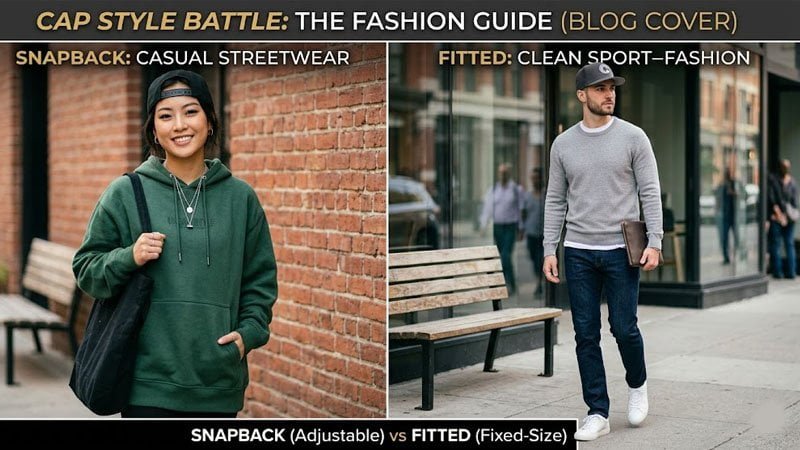
This depends on the visual style you want.
Snapbacks usually look more casual, youthful, and streetwear-oriented. Their adjustable back closure is part of the identity of the product. They often feel bold, easygoing, and modern, especially when paired with flat brims, raised embroidery, woven patches, or fashion-forward branding.
Fitted hats usually look cleaner and more finished because there is no adjustment mechanism on the back. The silhouette feels more continuous, which can create a more premium and more intentional appearance. In retail presentation, fitted hats often appeal to customers who notice shape, line, and styling details.
So which one looks better?
- Choose snapback if you want a more relaxed, versatile, and commercial look
- Choose fitted if you want a cleaner, more polished, and more premium-looking cap
Neither style is automatically more attractive. The better-looking option depends on your brand image, customer expectations, and product category.
Which One Sells Better?
This is where business buyers need to think carefully.
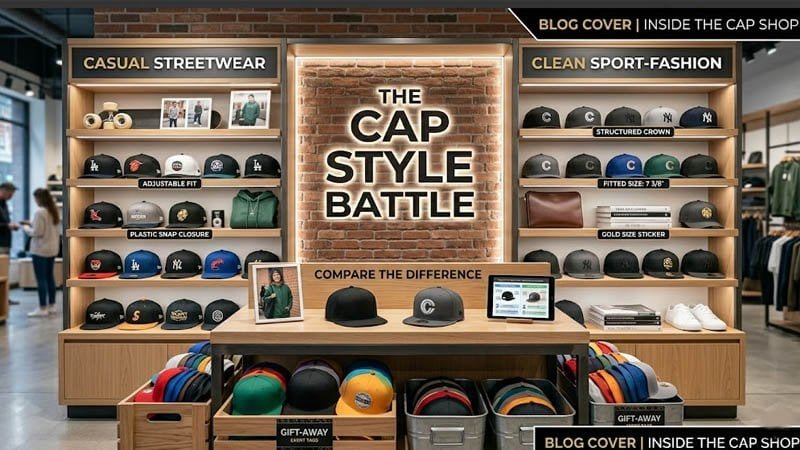
For broad commercial sales, snapbacks usually sell better.
Why? Because adjustable sizing reduces friction. Customers do not need to know their exact cap size. Retailers do not need to manage as many size variations. Online buyers are less likely to hesitate before ordering. For events, promotions, schools, souvenir shops, team merchandise, and general retail, this simplicity can make a big difference.
For premium or niche retail, fitted hats can sell very well to the right audience.
Customers who buy fitted hats are often more intentional. They may care more about silhouette, authenticity, sports culture, collector appeal, or premium presentation. But fitted hats are also harder to scale because you need to manage multiple sizes, forecast demand more carefully, and help customers choose correctly.
So in practical terms:
- Snapbacks often sell better in mass-market, promotional, and easy-entry retail environments
- Fitted hats can sell better in premium, collector, or style-driven segments
That means “sells better” is not only about popularity. It is about where you are selling, who you are selling to, and how you manage the product.
Snapback vs Fitted: Key Differences in Real Buying Situations
1. For Promotional Events and Giveaways
Snapbacks are usually the stronger choice.
If you are preparing hats for trade shows, company events, school programs, sports activities, or marketing campaigns, adjustable sizing makes distribution much easier. One design can fit most people, which reduces sizing problems and improves usability.
This also lowers inventory pressure and simplifies ordering.
2. For Fashion Brands and Streetwear Collections
Both styles can work, but they communicate different things.
Snapbacks are great for bold streetwear collections, casual branding, youth-focused products, and designs that rely on strong logo visibility. Their structured front panels work especially well for embroidery and patches.
Fitted hats can elevate a collection when the brand wants a cleaner profile and a more premium retail feel. They often work better in limited releases, collector-oriented drops, or style-conscious product lines.
3. For Sports Merchandise
Snapbacks are easier for fan sales because they are simple to stock and easy to wear. They work well for stadium sales, gift items, and broad audience merchandise.
Fitted hats are often more appealing to loyal fans, collectors, and buyers who care about exact sizing and classic cap culture. They may not move as easily in general retail, but they can hold stronger value in targeted segments.
4. For Online Retail
Snapbacks usually have the advantage.
Because sizing is less complicated, customers are more likely to buy without hesitation. There is less need for detailed sizing education, and there may be fewer fit-related complaints. This makes snapbacks especially attractive for brands that want fast-moving, lower-friction products.
Fitted hats can still perform well online, but they require better size guidance and more precise product communication.
5. For Premium Branding and Presentation
Fitted hats often have the visual edge.
If your goal is to create a cap that feels clean, tailored, and higher-end in appearance, fitted hats can support that positioning. The smooth back profile helps the hat feel more complete and more product-focused.
That said, snapbacks can also look premium when made with the right materials, structure, and decoration techniques. A well-designed snapback is still a strong retail product.
Which Hat Style Is Better for Custom Orders?
For custom orders, the better style depends on your business goal.
Choose a snapback if you need:
- broader size compatibility
- easier bulk distribution
- simpler inventory management
- practical promotional use
- strong logo presentation for a wide audience
Choose a fitted hat if you need:
- a cleaner and more premium silhouette
- a more size-specific retail product
- stronger appeal for collectors or fashion-focused buyers
- a cap that supports premium brand positioning
From a manufacturing perspective, these two styles are not just different in appearance. They also affect sampling, size planning, packaging, and inventory strategy. With 15 years of OEM/ODM experience in custom hats, GUANGZHOU EASTLUCKY Hat & Garment Co., Ltd. supports global clients with one-stop solutions from design development and sampling to mass production, helping brands choose the right structure based on market needs, style direction, and supply efficiency.
How to Decide Between Snapback and Fitted Hats
If you are still deciding, ask these questions before moving forward:
Do you need one cap to fit most people?
If yes, snapback is usually the smarter choice.
Do you want a cleaner and more premium silhouette?
If yes, fitted hats may be better.
Are you selling to general customers or to a more targeted audience?
General retail usually favors snapbacks. Niche and premium segments may support fitted hats better.
Do you want easier inventory management?
Snapbacks are simpler because there are fewer size issues.
Is your brand more casual or more refined?
Casual and versatile brands often do well with snapbacks. More polished or collector-oriented branding may benefit from fitted styles.
Frequently Asked Questions
Are snapbacks more comfortable than fitted hats?
For a wide range of people, yes. Snapbacks are usually more forgiving because the fit can be adjusted. But for someone who knows their exact size, a fitted hat can feel more precise and balanced.
Do fitted hats look more premium?
Often, yes. The smooth back and uninterrupted shape can create a cleaner visual effect. However, premium appearance also depends on material, crown structure, stitching quality, and decoration.
Which style is better for custom embroidery?
Both can work well. Snapbacks are often preferred for broader branding projects because their front panels are highly suitable for embroidery and they fit more people. Fitted hats can be excellent for premium custom collections.
Which style is better for selling online?
Snapbacks are usually easier to sell online because sizing is simpler and the buying decision is easier for customers.
Which hat style is better for promotional campaigns?
Snapbacks are generally the better choice because they are adjustable, easier to distribute, and more practical for large groups.
Final Thoughts
When comparing snapback vs fitted hats, the best choice depends on what you mean by better.
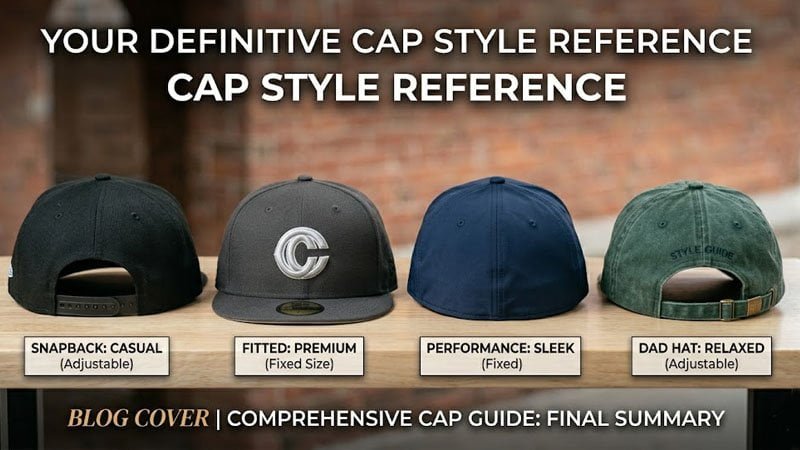
If you want a hat that fits more people, works more easily in retail, and sells well in broad markets, snapbacks usually have the advantage.
If you want a hat that looks cleaner, feels more tailored, and supports premium product positioning, fitted hats may be the stronger option.
In other words:
- Snapback often fits better for more people
- Fitted often looks better for more premium styling
- Snapback often sells better in wider markets, while fitted can perform strongly in more targeted segments
There is no universal winner. The smarter choice is the one that matches your customers, your brand image, and your selling strategy.
For any custom hat project, choosing the right structure at the beginning can save time, reduce inventory risk, and improve the final result.