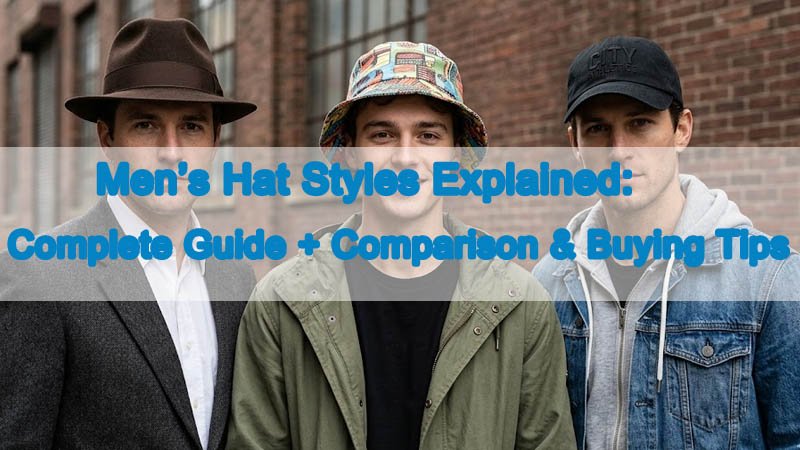
From streetwear to luxury fashion, men’s hats are making a strong comeback. Whether it’s a classic fedora or a modern bucket hat, the right choice can define your entire look.
But with so many styles available, one question remains:
Which hat is right for you—or your brand?
This complete guide breaks down the most popular men’s hat styles, their differences, and how to choose the perfect option for both personal wear and custom branding.
Classic Hat Styles
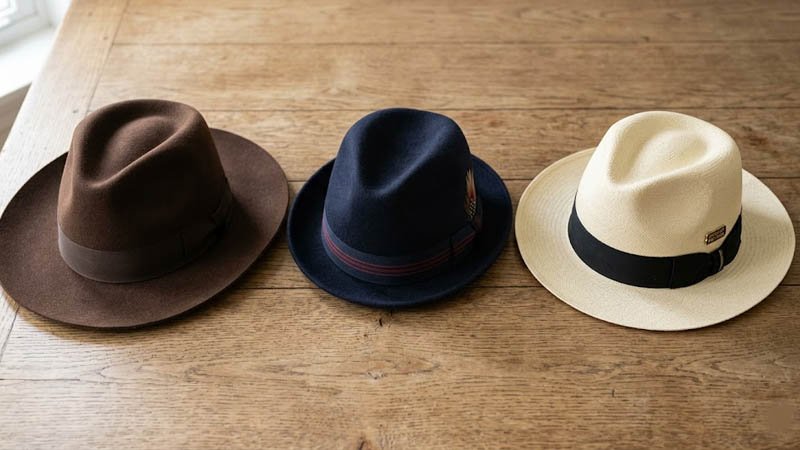
Classic hats offer timeless elegance and structured design, making them ideal for formal and smart-casual looks.
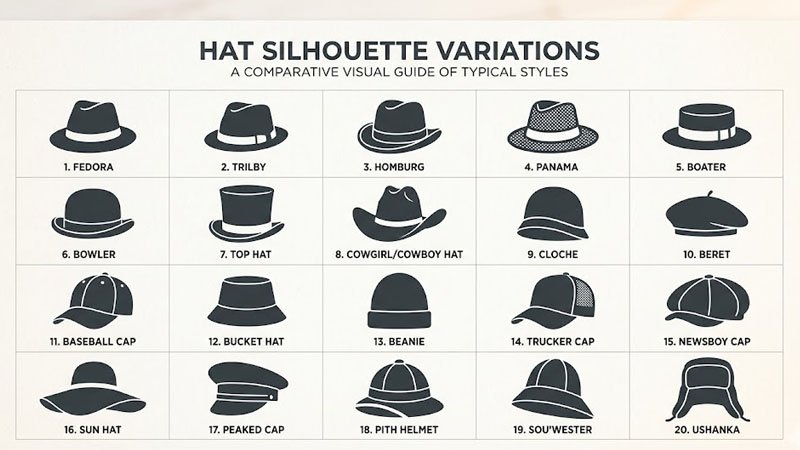
Fedora
Description: Soft brim, pinched crown, typically made from felt
Style Use: Smart-casual to formal outfits
Price Range: Mid to high-end
👉 Compared to a trilby, the fedora has a wider brim, making it more suitable for formal occasions and balanced proportions.
Homburg
Description: Felt hat with a stiff curled brim and center crease
Style Use: Formal events, business wear
Price Range: High-end
👉 Often associated with classic elegance and authority.
Trilby
Description: Narrow brim angled downward
Style Use: Trendy, modern outfits
Price Range: Mid-range
👉 Key Difference:
- Fedora = classic & formal
- Trilby = stylish & casual
Porkpie
Description: Flat crown with a circular crease
Style Use: Creative, artistic styling
Price Range: Mid-range
Boater
Description: Flat straw hat with a ribbon band
Style Use: Summer semi-formal events
Price Range: Mid-range
Panama Hat
Description: Lightweight, handwoven straw hat from Ecuador
Style Use: Summer elegance, travel, outdoor events
Price Range: Mid to premium
👉 Note: Authentic Panama hats are finer and more breathable than standard straw hats.
Casual & Sporty Hats

These styles are designed for everyday comfort, practicality, and modern fashion.
Baseball Cap & Trucker Hat
Description: Curved brim; trucker hats feature mesh backs
Style Use: Casual wear, sports, promotions
Price Range: Low to mid-range
👉 Best for Branding:
Large front panels make them ideal for embroidery and logo printing.
Bucket Hat
Description: Soft fabric with a downward brim
Style Use: Streetwear, festivals, outdoor use
Price Range: Low to mid-range
👉 Trend Insight: A major comeback driven by Gen Z and fashion influencers.
Beanie
Description: Knit cap for warmth
Style Use: Winter wear and urban style
Price Range: Low to mid-range
👉 Material Tip:
- Acrylic = affordable
- Wool = premium & warmer
Heritage & Regional Styles
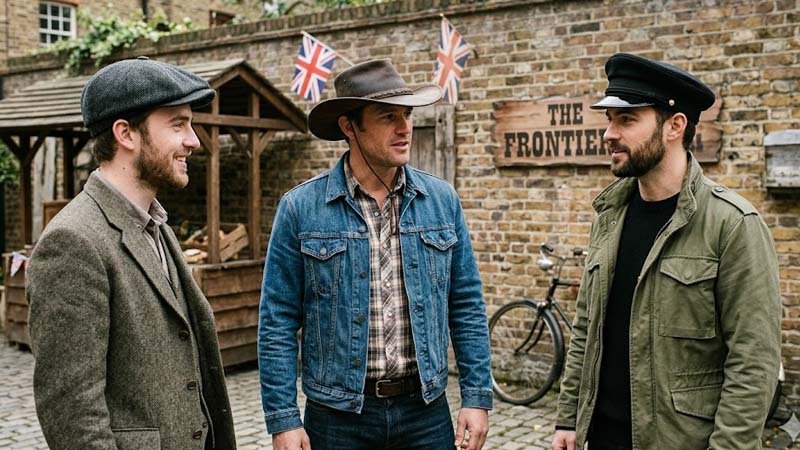
These hats carry cultural significance and unique character.
Flat Cap / Newsboy Cap
Style: Vintage yet versatile
Best For: Smart casual outfits
Mariner’s / Peaked Caps
Style: Structured and practical
Best For: Windy conditions and nautical looks
Cowboy / Western Hats
Style: Wide brim and bold design
Best For: Outdoor use and statement fashion
Top Hat
Style: Formal and ceremonial
Best For: Weddings, performances, special occasions
Hat Style Comparison (Quick Guide)
| Style | Formality | Best Season | Key Feature |
|---|---|---|---|
| Fedora | High | Fall/Winter | Classic wide brim |
| Trilby | Medium | All | Narrow brim |
| Baseball Cap | Low | All | Casual & versatile |
| Bucket Hat | Low | Summer | Soft & trendy |
| Panama | Medium | Summer | Lightweight & breathable |
How to Choose the Right Hat

By Occasion
- Formal: Fedora, Homburg, Panama
- Casual: Baseball cap, bucket hat, flat cap
By Material
- Felt → warm & durable
- Straw → lightweight & breathable
- Knit → flexible & comfortable
By Face Shape
- Round face → structured hats
- Long face → wider brims
Sizing Tips
- Choose adjustable designs when possible
- Ensure a snug but comfortable fit
- For bulk orders, consistent sizing is essential
Hat Trends in 2025
The hat market continues to evolve with fashion and consumer behavior:
- Bucket hats → strong comeback in streetwear
- Vintage styles (flat caps, fedoras) → rising popularity
- Sustainable materials → increasing demand from global brands
- Custom logo hats → key tool for brand marketing
👉 Brands are increasingly using hats not just as accessories, but as branding assets.
Common Mistakes When Choosing a Hat
Avoid these common errors:
- Choosing the wrong size
- Ignoring face shape
- Wearing formal hats in casual settings
- Overlooking material suitability for the season
For Brands: Choosing the Right Hat for Customization
For businesses, selecting the right hat style is critical for both branding and market success.
- Baseball Caps: Best for logos and promotions
- Bucket Hats: Ideal for younger audiences and fashion brands
- Beanies: Perfect for seasonal campaigns
For brands looking to develop custom hat collections, choosing the right manufacturing partner is just as important as selecting the right style.
GUANGZHOU EASTLUCKY Hat & Garment Co., Ltd. is a high-end custom hat and OEM/ODM manufacturer with over 15 years of experience. With strong R&D capabilities, strict quality control, and efficient supply chain management, we provide one-stop solutions—from design sampling to mass production—helping global brands bring their ideas to market quickly and reliably.
Hat Care & Maintenance
Cleaning Tips
- Felt → brush gently
- Straw → wipe with damp cloth
- Knit → hand wash and air dry
Storage Tips
- Use hat stands or boxes
- Avoid direct sunlight exposure
Conclusion
Men’s hats are more than accessories—they’re tools for expression, function, and branding.
Whether you’re choosing a hat for personal style or developing a product line, understanding different styles, materials, and use cases will help you make smarter decisions.
Looking for Custom Hat Solutions?
- Free design mockup within 24 hours
- Flexible MOQ for bulk orders
- Global shipping with reliable lead times
👉 Contact us today to start your custom hat project.
FAQs
What hat styles are best for summer?
Panama hats, boater hats, and bucket hats are ideal due to breathability.
How do I know if a hat fits correctly?
It should feel secure without pressure and stay in place when moving.
Can I wear a fedora casually?
Yes, pairing a fedora with casual outfits can create a stylish contrast.
Which hat is best for branding?
Baseball caps are the most versatile and widely used for customization.