Structured vs. Unstructured Hats: What’s the Difference and Which One Should You Choose?
When shopping for a baseball cap, you’ve probably come across the terms structured and unstructured hats. But what do they actually mean—and which one is the better choice for your style, comfort, or brand?
Choosing between a structured and unstructured hat can significantly affect how it looks, feels, and complements your overall appearance. The right cap not only improves comfort but can also enhance brand visibility and personal style.
Whether you’re buying a hat for everyday wear, a sports team, or custom merchandise, understanding the difference helps you make a smarter choice.
Table of Contents
-
Definitions & Core Differences
-
Design & Fit
-
Style, Branding & Decoration
-
Comfort, Durability & Packability
-
Structured vs. Unstructured Hats Comparison
-
When to Choose Each Style
-
Conclusion
-
FAQs
Definitions & Core Differences
The main difference between structured and unstructured hats lies in the support of the front crown panels.
Structured hats feature reinforcement inside the front panels—usually made from buckram or foam. This internal support keeps the crown standing upright and helps the hat maintain a crisp, defined shape even when it’s not being worn. Because of this, structured caps often have a more athletic or professional appearance.
Unstructured hats, on the other hand, do not include this stiffening material. Without reinforcement, the crown becomes soft and collapsible. This results in a relaxed fit and the well-known “dad hat” style, which naturally molds to the shape of your head over time.
Between these two styles, you may also find semi-structured hats, which offer a lighter level of support while still maintaining some flexibility.
Quick recap:
-
Structured hats: Firm front panels, maintain shape, sportier appearance
-
Unstructured hats: Soft crown, collapsible structure, casual style
-
Semi-structured hats: Balanced feel with mild shape support
Design & Fit
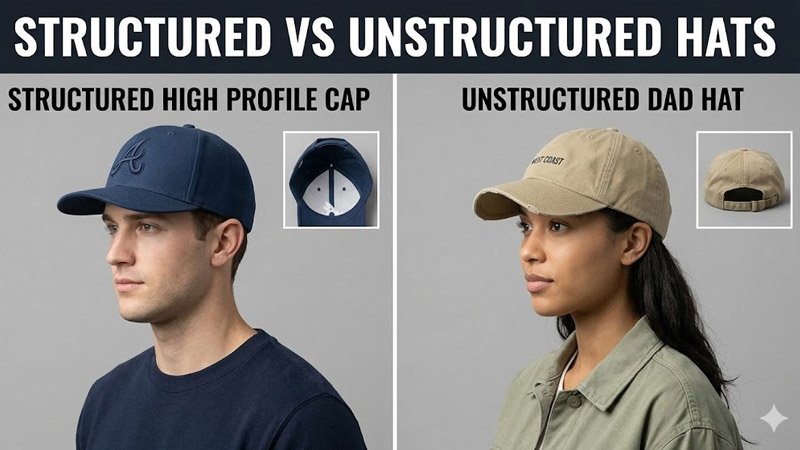
The internal structure of a hat directly affects how it fits and sits on your head.
Structured hats often create a higher profile, meaning the crown sits taller and holds a defined silhouette. This design gives the cap a more prominent look and helps logos remain visible from a distance. Because of this, structured caps are commonly used for sports teams, uniforms, and branded merchandise.
Unstructured hats generally have a lower and softer profile. Without the stiff crown, the hat follows the natural shape of your head, creating a relaxed and comfortable fit.
Typical pairings include:
-
Low-profile unstructured caps: Popular for dad hats and casual lifestyle wear
-
Mid- or high-profile structured caps: Common in sports caps, promotional hats, and uniforms
Style, Branding & Decoration
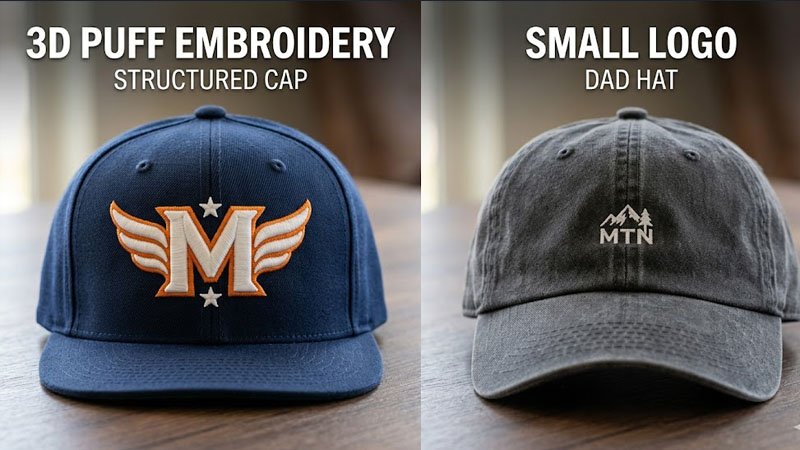
The structure of a hat also influences how well it displays branding and design elements.
Structured hats offer a flat and stable front panel, which makes them ideal for bold embroidery, 3D puff logos, large patches, or detailed branding. Because the crown maintains its shape, logos remain clean, visible, and professional-looking.
Unstructured hats, by contrast, provide a softer surface that works better for subtle or minimalist designs. Smaller logos or simple embroidery tend to complement this style, making it popular among lifestyle brands, outdoor labels, and casual fashion collections.
For businesses planning custom hats with precise logo placement and consistent quality, working with experienced manufacturers is essential. GUANGZHOU EASTLUCKY Hat & Garment Co., Ltd., based in Guangzhou, China, has over 15 years of experience in high-end custom hats and OEM/ODM manufacturing, offering complete solutions from design sampling to mass production for global brands.
Comfort, Durability & Packability
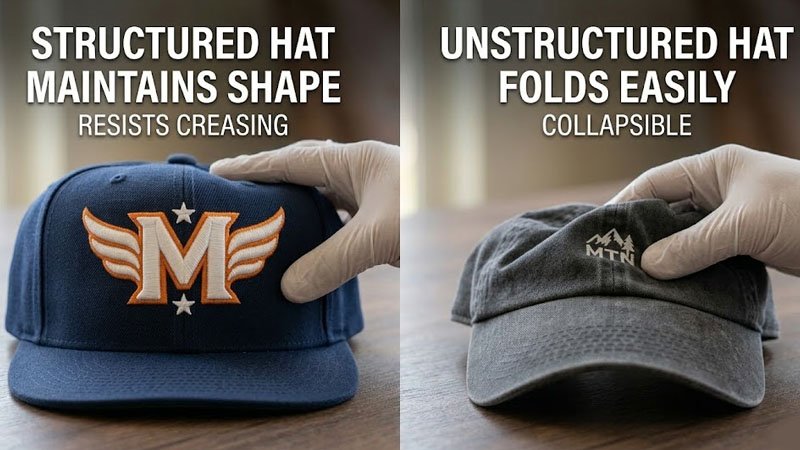
Comfort is another factor that separates structured and unstructured hats.
Unstructured hats are usually soft from the first wear, giving them a broken-in feel right away. Because they lack stiff reinforcement, they can also be folded or packed easily, making them convenient for travel or outdoor activities.
Structured hats are more rigid due to the reinforced crown. While they may feel slightly firm when new, they tend to maintain their shape longer, even after frequent use. This durability helps the hat look newer and more polished over time.
However, structured hats are less flexible when packing and should be stored carefully to preserve their shape.
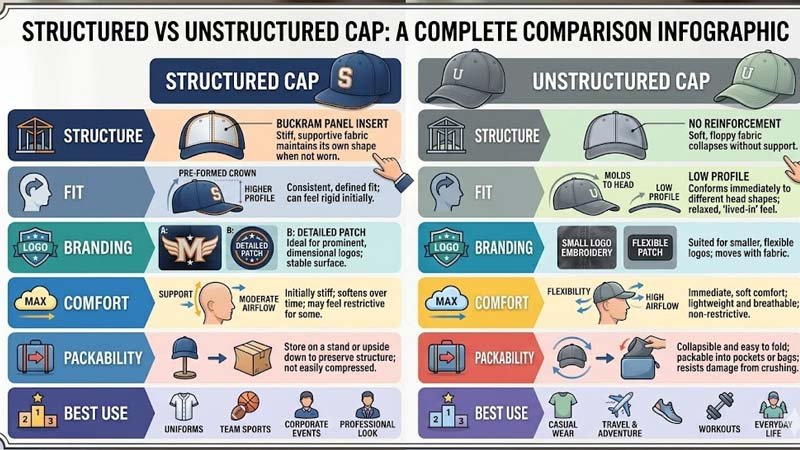
| Feature |
Structured Hats |
Unstructured Hats |
| Crown Support |
Reinforced with buckram or foam |
No stiffener; crown collapses when not worn |
| Appearance |
Crisp, firm, athletic look |
Relaxed, casual “dad hat” style |
| Profile Options |
Often mid or high profile |
Usually low profile |
| Branding Space |
Firm front ideal for bold embroidery or patches |
Softer front better for subtle logos |
| Comfort |
Slightly firm, may require break-in |
Soft and comfortable from day one |
| Shape Durability |
Maintains structure over time |
Adapts to head shape with wear |
| Packability |
Less flexible, needs careful storage |
Easy to fold or pack |
| Best Use |
Sports teams, uniforms, retail branding |
Lifestyle wear, travel, casual fashion |
When to Choose Each Style
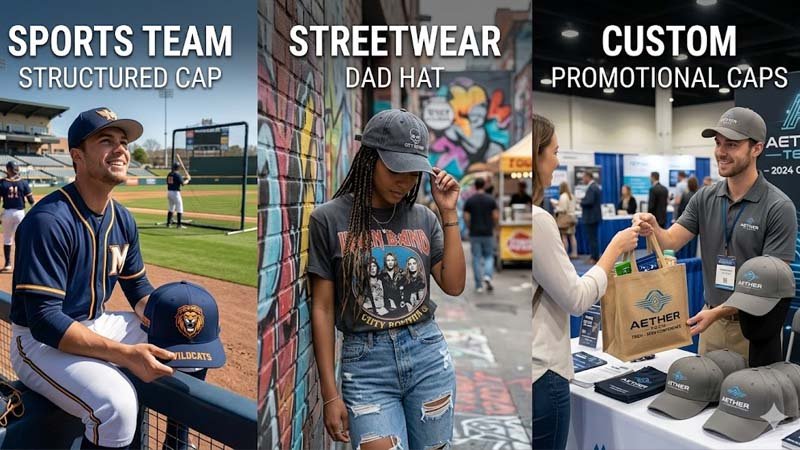
Choosing the right hat depends on your purpose and style preference.
Choose a Structured Hat If You Want:
-
A polished and professional appearance
-
Strong logo visibility for branding
-
Caps for sports teams or staff uniforms
-
Consistent shape for promotional products
Choose an Unstructured Hat If You Prefer:
Both styles have their advantages, so the best option depends on how the hat will be used.
Conclusion
Understanding the difference between structured and unstructured hats helps you choose the right cap for your needs. Structured hats provide a crisp, bold appearance that works well for branding and professional use, while unstructured hats deliver a relaxed, comfortable fit ideal for everyday wear.
Whether you’re selecting hats for personal style, retail merchandise, or corporate branding, choosing the right structure ensures the final product matches your vision.
FAQs
Can structured hats be made from the same materials as unstructured hats?
Yes. Both styles can use fabrics such as cotton twill, polyester, canvas, or blended materials. The difference lies in the internal crown support rather than the fabric itself.
Are unstructured hats better for hot weather?
Not necessarily. Breathability depends more on fabric type and ventilation features like eyelets or mesh panels rather than the hat’s structure.
Do structured hats fit larger than unstructured hats?
The fit usually depends on the hat’s profile and closure system rather than the structure. Adjustable straps, snapbacks, or fitted sizes determine how the hat fits.
Can I wash a structured hat in the washing machine?
Machine washing is generally not recommended, as it can damage the crown structure. Hand washing is usually the safest option.
Are semi-structured hats common in the market?
Yes. Semi-structured hats are widely available and provide a balance between firmness and flexibility.
How to Clean a White Baseball Cap: Step-by-Step Guide Without Damaging It
A white baseball cap is stylish, versatile, and easy to match with almost any outfit. However, keeping it clean can be challenging. Sweat, dust, sunscreen, and daily wear can quickly leave visible stains on the fabric.
Learning how to clean a white baseball cap properly helps maintain its bright appearance while protecting its shape and structure. In this guide, you’ll discover safe and effective methods for spot cleaning, hand washing, and maintaining your cap so it stays fresh for longer.
Table of Contents
-
Why White Baseball Caps Need Special Care
-
Common Mistakes to Avoid
-
Tools and Supplies You Will Need
-
Spot Cleaning Tips
-
Understanding Cap Materials
-
Step-by-Step Guide to Hand Washing a White Baseball Cap
-
How to Dry Your Cap Properly
-
Long-Term Cap Maintenance Tips
-
Removing Stubborn Sweat Stains
-
FAQ About Cleaning White Baseball Caps
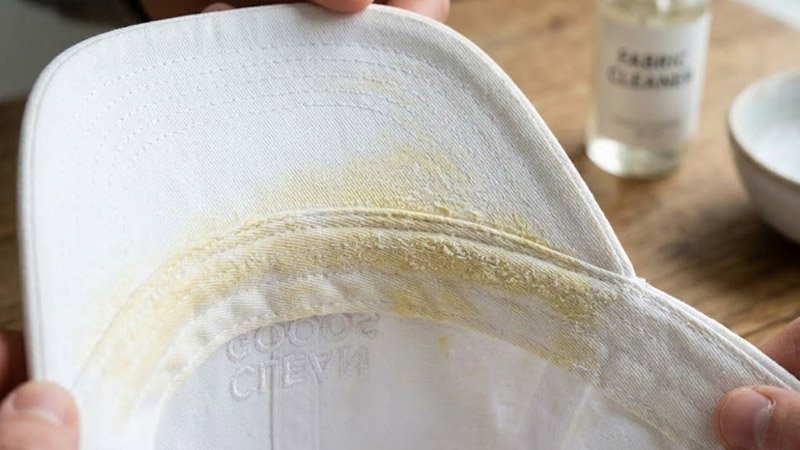
White caps look clean and stylish, but they also show stains more easily than darker colors. Sweat marks, oil from skin, and environmental dust can build up over time.
In addition, many baseball caps have structured panels, reinforced stitching, and a shaped brim. These features give the cap its iconic look but also mean it requires gentle cleaning methods to avoid losing its shape.
Using the right cleaning techniques will help your cap stay bright while protecting its fabric and structure.
Common Mistakes to Avoid
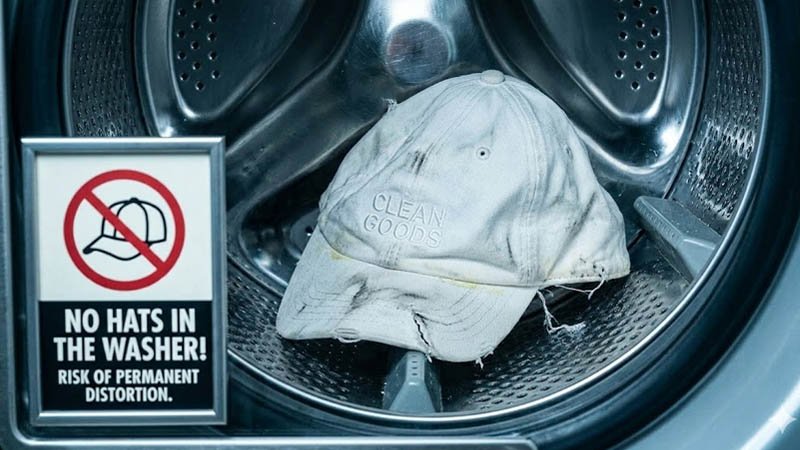
Before cleaning your cap, it’s important to know what not to do.
Using Bleach or Harsh Chemicals
Although bleach may seem like the best way to restore white fabric, it can weaken fibers, cause yellowing, and damage embroidery or logos.
Washing in a Machine
Many structured caps should not be machine washed. The spinning motion can bend the brim or distort the crown.
Drying with Heat
Heat from dryers or direct sunlight may cause shrinking or fading. Air drying is always the safest option.
Avoiding these mistakes will greatly extend the life of your cap.
Tools and Supplies You Will Need
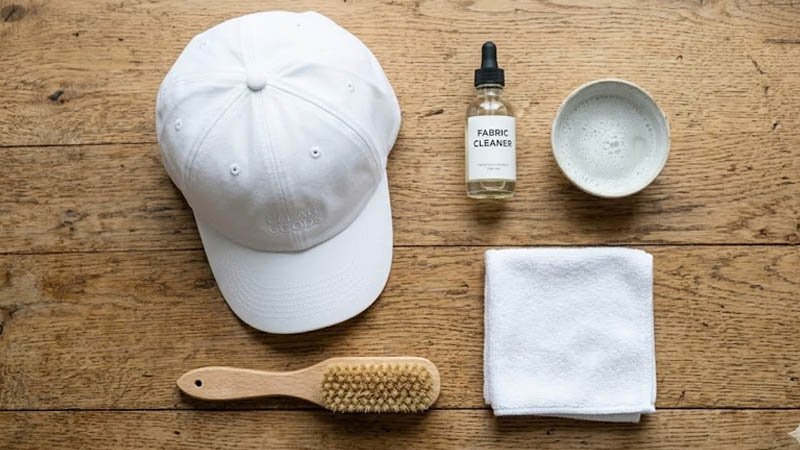
Cleaning a baseball cap is simple when you have the right supplies.
You will need:
These basic tools allow you to remove dirt effectively while protecting the cap’s fabric.
Spot Cleaning Tips
Spot cleaning is often the easiest way to remove small stains before they become permanent.
How to Spot Clean a White Baseball Cap
-
Mix a small amount of mild detergent with warm water.
-
Dip a soft cloth or sponge into the solution.
-
Gently dab the stained area.
-
Avoid scrubbing aggressively to prevent fabric damage.
-
Rinse lightly with clean water and pat dry.
This method works well for sweat stains, makeup marks, and light dirt.
Understanding Cap Materials
Different cap materials require slightly different cleaning approaches.
Cotton Caps
Cotton is durable and can tolerate gentle scrubbing.
Polyester Caps
Polyester is commonly used in sports caps and is generally easier to clean.
Wool or Wool Blends
These materials require extra care because they can shrink or lose shape if washed improperly.
If you are unsure about the material, always start with the gentlest cleaning method.
Step-by-Step Guide to Hand Washing a White Baseball Cap
Hand washing is the safest and most recommended method for cleaning caps.
Step 1: Prepare a Cleaning Solution
Mix one tablespoon of mild detergent with two cups of warm water in a bucket or sink. This mixture is strong enough to remove dirt but gentle on the fabric.
Step 2: Soak the Cap
Place the cap in the water and allow it to soak for several minutes. This helps loosen dirt and sweat residue.
Step 3: Gently Scrub the Fabric
Use a soft brush or toothbrush to scrub the surface of the cap. Focus on stained areas and use small circular motions.
Step 4: Rinse Thoroughly
Rinse the cap under cool running water until all detergent is removed.
Proper drying helps maintain the cap’s shape.
Use a Hat Form
If available, place the cap on a hat form to maintain its structure while drying.
Use the Towel Method
Stuff the inside of the cap with a clean towel to help it keep its shape.
Air Dry Naturally
Let the cap dry in a well-ventilated area away from direct sunlight.
Avoid using dryers, as heat can warp the brim or shrink the fabric.
Long-Term Cap Maintenance Tips
Keeping your cap clean regularly prevents heavy staining.
Wash Periodically
If you wear your cap frequently, cleaning it every one to two months helps prevent dirt buildup.
Use Sweatbands or Liners
These accessories absorb sweat and reduce stains on the fabric.
Store Caps Properly
Store your caps in a cool, dry place to prevent dust accumulation and discoloration.
Understanding how caps are constructed can also help you care for them properly. High-quality hats are typically made with durable fabrics, reinforced stitching, and carefully structured panels to maintain shape and comfort.
GUANGZHOU EASTLUCKY Hat & Garment Co., Ltd. is a high-end custom hat and OEM/ODM manufacturer based in Guangzhou, China, with 15 years of expertise in professional R&D, production, and distribution of various hats and embroidered accessories. Guided by the philosophy “Quality as Root, Innovation as Soul,” the company provides global clients with one-stop solutions from design sampling to mass production, enabling efficient and high-quality supply chain services for brands worldwide.
Removing Stubborn Sweat Stains
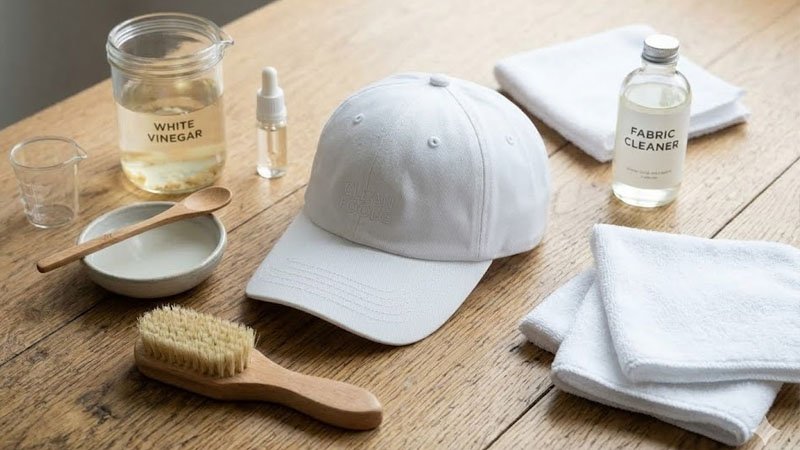
For tougher stains, a mild vinegar solution can help.
Vinegar Cleaning Method
-
Mix equal parts white vinegar and water.
-
Apply the mixture gently to the stained area.
-
Let it sit for 10–15 minutes.
-
Rinse and wash normally.
Vinegar helps break down sweat residue without damaging most fabrics.
Can I wash a white baseball cap in the washing machine?
It is generally not recommended, especially for structured caps. Machine washing may damage the brim and distort the cap’s shape.
How do you remove yellow sweat stains from a white cap?
Mild detergent, diluted vinegar, or gentle spot cleaning can help remove sweat stains without harming the fabric.
How often should I clean my baseball cap?
If worn frequently, cleaning it every one to two months helps maintain hygiene and appearance.
Can baking soda clean a white baseball cap?
Yes. Baking soda can help remove odors and light stains when mixed with water into a paste.
Conclusion
Cleaning a white baseball cap does not have to be difficult. By using gentle cleaning methods, mild detergents, and proper drying techniques, you can keep your cap looking bright and fresh.
Remember these key tips:
-
Spot clean stains early
-
Hand wash instead of machine washing
-
Use mild cleaning solutions
-
Air dry to maintain the cap’s shape
With regular care and proper cleaning, your white baseball cap can stay stylish and comfortable for years to come.
High-End Hat Cleaning Tips: Preserve Shape and Quality with a Hat Cage
Cleaning your hats can feel intimidating, especially when you want to maintain their shape and appearance. With the right tools and methods, your hats can stay clean, stylish, and perfectly shaped. Using a hat cage is one of the most effective ways to protect your hats during washing. This guide will walk you through everything you need to know—from preparation to drying—and includes expert tips to help your headwear last longer.
Why Cleaning Your Hat Matters
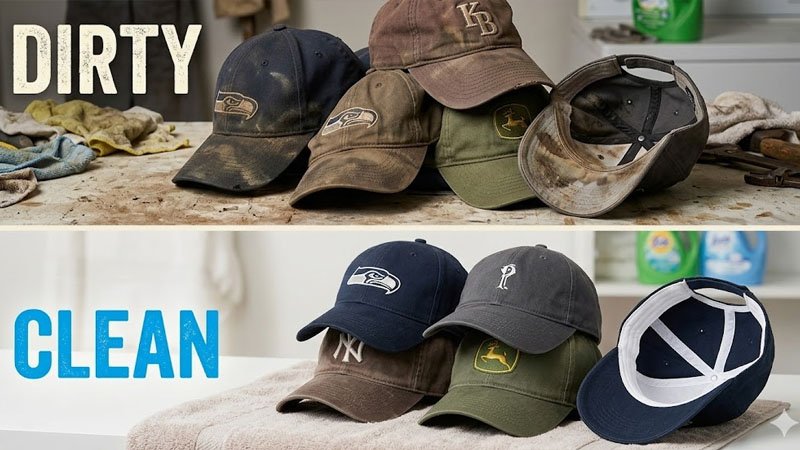
Hats are more than just fashion accessories—they protect us from sun exposure and environmental elements. Over time, hats collect sweat, dirt, and odors, which can cause discoloration, fabric wear, and a worn-out appearance. Regular cleaning preserves both the shape and color, extending the life of your hats.
Tip: Rotate Your Hats
If you wear hats often, try rotating them regularly. This reduces wear in high-contact areas like the sweatband and prevents odor buildup, keeping each hat fresher for longer.
Different hats—baseball caps, wool hats, or vintage styles—require unique care. Knowing the right method for your hat ensures it remains attractive and functional.
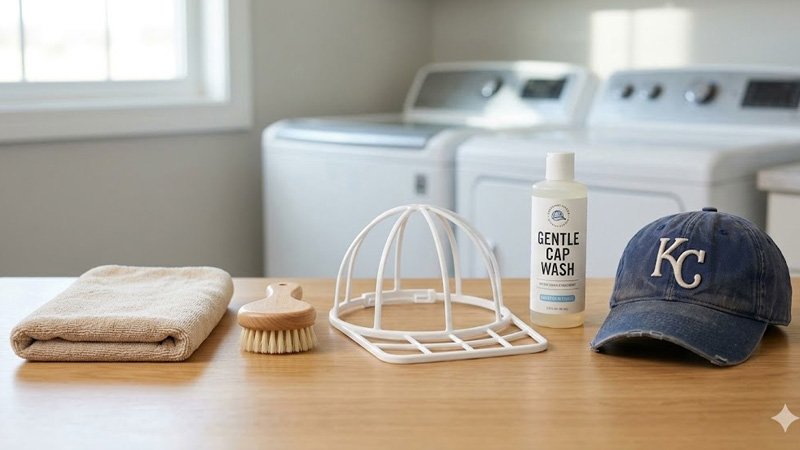
Before washing, gather your materials and carefully inspect your hat. This ensures a smoother, safer cleaning process.
Supplies You’ll Need
-
Hat Cage: Maintains the hat’s structure during washing.
-
Mild Detergent: Dish soap or gentle laundry detergent; avoid harsh chemicals.
-
Soft Brush or Cloth: For gentle cleaning without damaging fabric.
-
Sink or Bucket: To hold water for washing.
-
Towel: Lint-free or microfiber towel for drying.
Check Your Hat
-
Inspect for stains, discoloration, or delicate areas.
-
Conduct a color fastness test: apply soapy water to a hidden area and wipe with a white cloth to see if any dye bleeds.
-
If colors hold, your hat is ready to wash.
Tip: Spot Treat First
For tough stains like makeup, sweat, or oil, pre-treat the area with a small amount of detergent and gentle rubbing before soaking. This helps avoid long-term discoloration.
Washing Your Hat
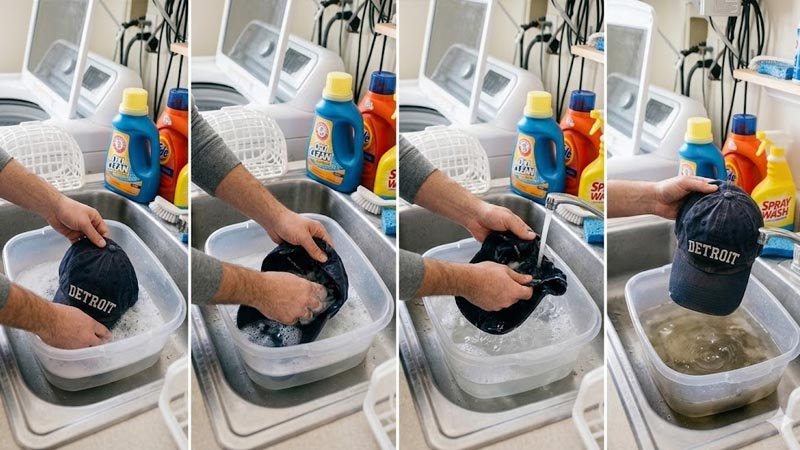
Hand Washing Steps
-
Fill a bucket with lukewarm water.
-
Add a small amount of mild detergent and stir until dissolved.
-
Soak the hat for 5 minutes.
-
Gently agitate the water with your hands to lift dirt—avoid scrubbing hard, which may damage the fabric.
Using a Hat Cage
-
Place the hat in the cage, ensuring a snug but not tight fit.
-
Close the cage securely.
-
For stubborn stains, gently brush the affected areas while the hat is in the cage.
Tip: Use Gentle Circular Motions
When brushing or rubbing stains, move in small circles instead of back-and-forth scrubbing. This preserves the fabric and prevents deformation.
Rinsing
Tip: Multiple Rinses
For hats with thicker fabric or heavier detergent, rinse 2–3 times. Leftover soap can cause stiffness or discoloration over time.
Drying Your Hat
Patting Dry
-
Use a clean, absorbent towel to gently press out moisture.
-
Avoid twisting or wringing, which can distort the hat’s shape.
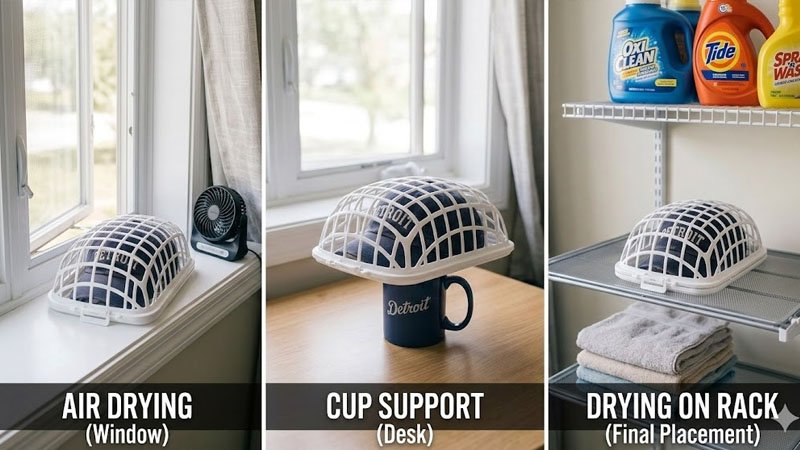
Air Drying
-
Return the hat to the cage to maintain its structure while drying.
-
Place the cage on a container, such as a balled-up towel or canister, for support.
-
Avoid direct sunlight or heat sources; choose a well-ventilated area at room temperature.
Tip: Use a Fan for Faster Drying
If your hat is thick or wool, placing a fan nearby (without direct heat) can speed up drying while keeping the hat in shape.
Tip: Refresh Between Wears
Spray hats lightly with water or a hat-safe fabric refresher between washes. This removes light odors and sweat, reducing the need for frequent washing.
-
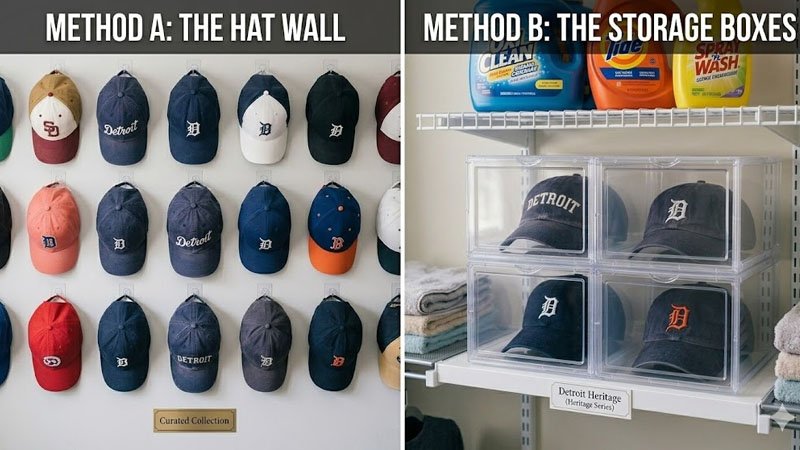
Wash hats only as needed: baseball caps every 4–6 wears, wool hats every 2–3 months, vintage hats once or twice a year.
-
Avoid stacking hats, which can create creases—use shelves, hooks, or hat boxes.
-
Never use a washing machine or dryer, and avoid bleach or harsh chemicals.
Tip: Store Hats Properly
Use a hat stand, box, or shelf to preserve shape. For travel, a hat cage or hard case keeps your hat protected in luggage.
Tip: Maintain Sweatbands
Wipe sweatbands regularly with a damp cloth. This prevents odor buildup and extends the overall life of the hat.
For brands or individuals seeking professional-quality headwear solutions, GUANGZHOU EASTLUCKY Hat & Garment Co., Ltd. provides high-end custom hat manufacturing and OEM/ODM services. With 15 years of expertise in R&D, production, and distribution, we offer one-stop solutions for hats and embroidered accessories, ensuring your headwear stays stylish, durable, and high-quality.
Conclusion
Proper washing, drying, and storage are essential for preserving your hats’ shape, color, and longevity. Using a hat cage ensures your headwear remains in top condition, ready to wear for years to come. By following these tips, including small care habits and extra steps for stains and sweatbands, your hats will always look fresh, professional, and perfectly shaped.
Don’t Let Your Hat Be Boring: 7 Easy Ways to Shape Your Hat Brim Perfectly
A hat can instantly upgrade your outfit—but only if it looks right.
One of the most important details of any hat is the brim. A flat, stiff brim can sometimes look dull or unfinished, while a well-shaped brim adds personality, style, and character.
Whether you’re wearing a baseball cap, fedora, or straw hat, learning how to shape your hat brim properly allows you to customize your look and make your hat truly yours.
The best part? You don’t need professional equipment. With a few simple tools and techniques, you can reshape your hat at home in just a few minutes.
In this guide, you’ll learn 7 easy ways to bend and shape your hat brim safely and effectively.
Why Shaping Your Hat Brim Matters

The brim defines the overall appearance of a hat. Small adjustments can dramatically change how the hat looks and feels.
For example:
-
Flat brim – modern streetwear style
-
Slight curved brim – classic baseball cap look
-
Downward curve – elegant fedora appearance
-
Upturned edges – vintage or western style
By shaping the brim, you can match your hat to your face shape, outfit, and personal style.
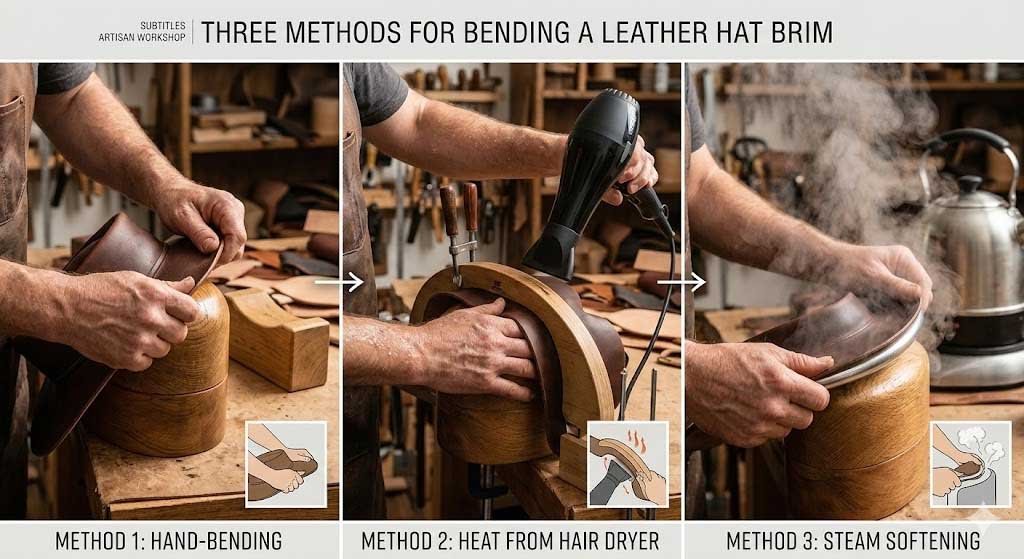
3 Common Methods to Shape a Hat Brim
Before jumping into the steps, it’s helpful to understand the three most common techniques used for shaping hat brims.
| Method |
Best For |
Advantages |
Considerations |
| Hand Shaping |
Soft caps and flexible hats |
Quick and simple |
Less precise |
| Heat Method |
Baseball caps and stiff brims |
Fast and effective |
Avoid overheating |
| Steam Method |
Felt and straw hats |
Gentle and professional |
Requires steam source |
Each method works by softening the hat fibers, making them flexible enough to bend without damaging the structure.
7 Easy Ways to Shape Your Hat Brim
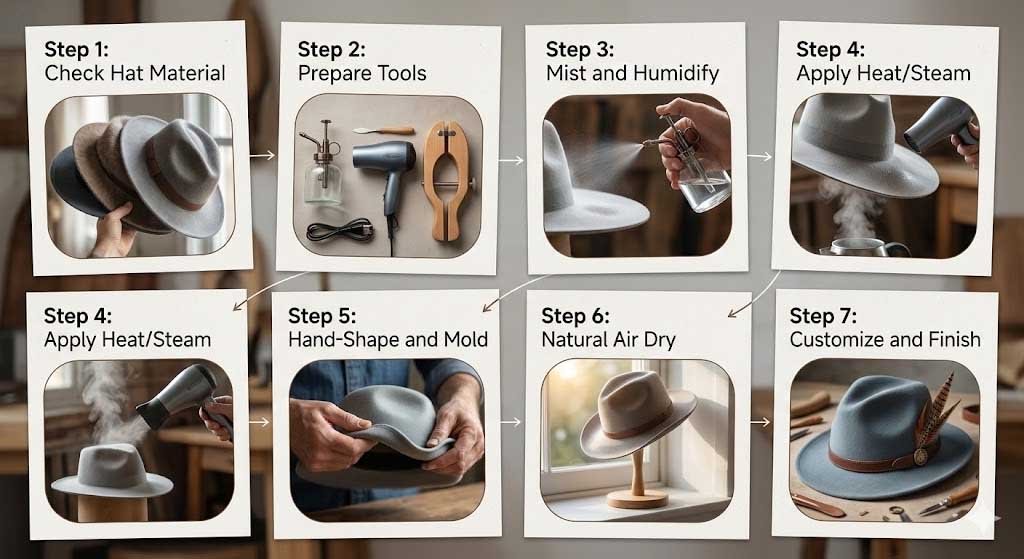
Follow these simple steps to reshape your hat safely and achieve a professional look.
Not every hat is designed to be reshaped.
Materials that work best include:
-
Cotton
-
Polyester blends
-
Wool felt
-
Straw
Very rigid or fragile materials may crack when bent, so always check the flexibility of the brim before starting.
2. Prepare Your Tools
You don’t need complicated tools to reshape a hat brim. Most people already have everything they need at home.
Basic tools include:
-
A spray bottle or bowl of water
-
Hair dryer or garment steamer
-
A towel
-
Optional hat shaper or clips
These tools help soften the brim and hold it in the desired shape.
3. Slightly Moisturize the Brim
Lightly dampen the brim with water.
Moisture helps loosen the fibers and makes the material more flexible, which reduces the risk of cracking.
Important tip:
Only dampen the brim area, not the entire hat.
4. Apply Heat or Steam
Now it’s time to soften the material.
You can choose one of the following options:
Hair Dryer
Blow warm air evenly across the brim while slowly moving the dryer. This prevents overheating one area.
Garment Steamer
Steam gently relaxes the fibers and allows for smoother shaping.
Steam from Boiling Water
Hold the brim above a pot of boiling water and let the steam soften the material.
Always apply heat gradually to avoid damaging the hat.
5. Shape the Brim with Your Hands
Once the brim becomes flexible, start shaping it.
Common styles include:
-
Classic curve: press both sides downward
-
Streetwear curve: deeper curve across the front
-
Western style: slightly raised edges
-
Fedora style: gentle downward curve
Use steady, gentle pressure. Avoid bending too aggressively.
6. Let the Hat Dry Naturally
After shaping the brim, let the hat dry naturally.
Place it in a cool, shaded area and avoid direct sunlight or strong heat sources.
This allows the fibers to set into the new shape.
7. Personalize Your Hat
Once your brim is perfectly shaped, you can add accessories to make your hat even more unique.
Popular options include:
These small details can turn a simple hat into a distinctive fashion statement.
Style Tips: Choose the Right Brim Shape for Your Face
Different brim shapes work better with different face shapes.
Round Face
A slightly deeper curve adds structure and balance.
Oval Face
Most brim shapes work well, including flat and curved styles.
Square Face
Softer curves help balance strong facial features.
Common Hat Brim Problems (And How to Fix Them)
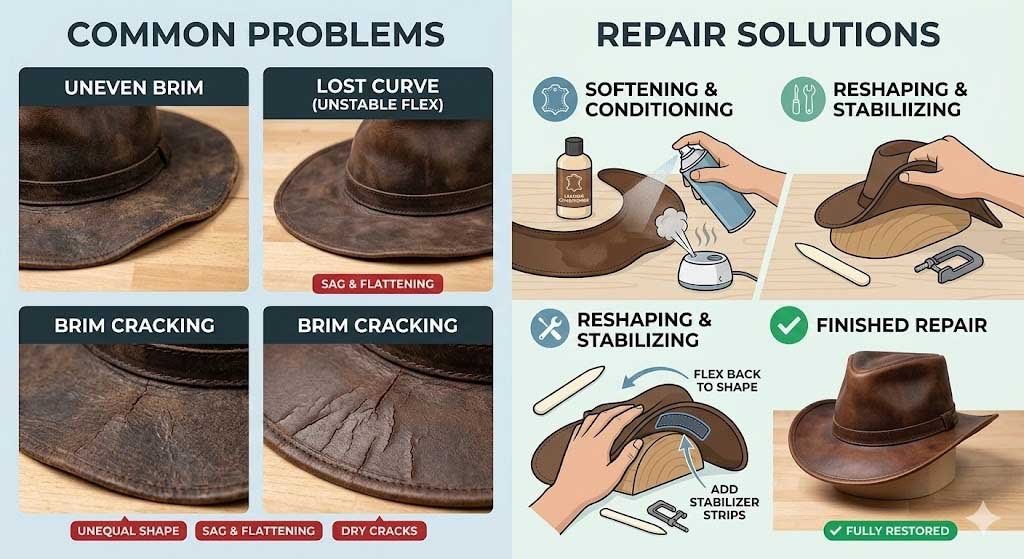
Even simple DIY shaping can sometimes cause small issues.
Uneven Brim
Cause: uneven heat or pressure
Solution: reapply heat and reshape evenly.
Brim Won’t Hold Its Shape
Cause: hat didn’t dry completely
Solution: allow more drying time.
Material Cracks
Cause: bending too forcefully
Solution: soften the brim with more steam before shaping.
About GUANGZHEASTLUCKY Hat & Garment Co., Ltd.
Creating high-quality hats requires both craftsmanship and innovation.
GUANGZHEASTLUCKY Hat & Garment Co., Ltd. is a high-end custom hat and OEM/ODM manufacturer based in Guangzhou, China, with 15 years of experience in professional R&D, production, and global distribution of hats and embroidered accessories.
Guided by the philosophy “Quality as Root, Innovation as Soul,” the company provides global clients with one-stop solutions from design sampling to mass production, helping brands build reliable and efficient supply chains.
From baseball caps to fashion hats and embroidered accessories, GUANGZHEASTLUCKY supports brands worldwide with high-quality customization and scalable manufacturing.
Final Thoughts
Your hat doesn’t have to stay the way it came out of the box.
With just a few simple techniques—moisture, heat, and careful shaping—you can transform an ordinary hat into a personalized fashion piece.
Learning how to shape your hat brim not only improves the look of your hat but also allows you to express your own unique style.
And if you’re looking for professionally crafted custom hats or reliable OEM/ODM manufacturing, partnering with an experienced hat manufacturer ensures quality, durability, and design flexibility.
How to Pair Hats with Glasses Without Looking Overstyled
Hats and glasses are two of the most important accessories in a man’s wardrobe. Worn well, they can elevate your look instantly. Worn poorly, they can make your outfit feel too heavy, mismatched, or overly styled.
The good news? Pairing hats with glasses is not complicated once you understand a few basic principles.
Whether you want to improve your everyday style or build a more polished look for specific occasions, this guide will help you pair hats and glasses in a way that feels balanced, comfortable, and natural—not forced.
In this article, you’ll learn:
-
How hat shapes and glasses shapes work together
-
Which combinations are classic vs. modern
-
How face shape affects your choices
-
How to balance color and proportions
-
Common mistakes to avoid
-
How to prioritize comfort and fit (especially with prescription glasses)
Why Some Hat-and-Glasses Looks Feel “Overstyled”
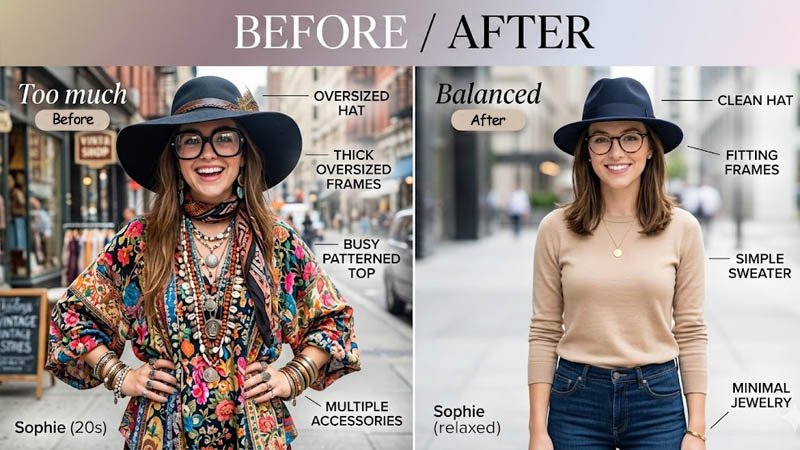
When a hat-and-glasses combination looks “too much,” it usually comes down to one of these issues:
-
Too much visual weight on the top half (bold hat + oversized glasses)
-
Shape conflict (hat lines and frame lines fighting each other)
-
Mismatched formality (dressy hat + sporty glasses in the wrong setting)
-
Poor proportions (small frames with a large-brim hat, or vice versa)
-
Fit problems (hat pressing the frames, awkward positioning)
The goal is not to make your accessories invisible—it’s to make them look intentional and easy.
Hat and Glasses Shapes
Understanding the shapes of hats and glasses is the foundation of pairing them well. Once you know the basic silhouettes, it becomes much easier to build combinations that look balanced.
Hat Styles
Fedoras
Fedoras come in many styles, from narrow-brim to wider-brim designs, and they remain one of the most versatile hat options for men.
When choosing a fedora, consider:
-
Crown height (a taller crown creates more vertical presence)
-
Brim width (wider brims look more refined but also more noticeable)
-
Material (felt for cooler seasons, lighter materials for warmer climates)
Styling note: A fedora already has strong character, so it usually works best with glasses that complement it rather than compete with it.
Beanies
Beanies are casual, comfortable, and ideal for cold weather. They pair well with relaxed, minimalist, and streetwear-inspired outfits.
Choose a beanie that:
-
Fits securely but is not too tight
-
Sits comfortably with your glasses
-
Matches the visual weight of your frames
Styling note: Beanies work especially well when the rest of the outfit stays simple.
Baseball Caps
Baseball caps are sporty, casual, and practical. They’re one of the easiest hats to wear with glasses for everyday use.
Pay attention to:
-
Bill shape (curved or flat)
-
Crown fit (too shallow or too tall can affect proportion)
-
Overall fit with your glasses, especially if you wear prescription lenses daily
Styling note: Baseball caps and glasses can look effortless when proportions are balanced and the outfit matches the casual vibe.
Panama Hats
Panama hats are elegant, breathable, and ideal for warm weather. They add sophistication while staying lightweight and wearable.
Look for:
-
A fine weave (for breathability and quality)
-
A brim width that suits your face size
-
A style that matches the occasion (resort, casual-smart, outdoor social events)
Styling note: Panama hats already read as polished, so cleaner frame shapes often work best.
Glasses Shapes
Glasses can define the tone of your look just as much as your hat. Frame shape, thickness, and size all affect whether the combination feels classic, modern, bold, or understated.
Round Glasses
Round glasses are timeless and often give a vintage-inspired feel.
When choosing round glasses, consider:
Aviator Glasses
Aviators create a sleek, masculine look and work especially well in casual, travel, and outdoor settings.
For a more classic look, try aviators with a double bridge.
Wayfarer Glasses
Wayfarers offer a retro vibe and are one of the most versatile styles. They work well in casual and smart-casual outfits.
Pay attention to:
Rectangular Glasses
Rectangular glasses are clean, professional, and polished. They’re a strong option for workwear and everyday styling.
For a softer look, choose rectangular frames with slightly rounded corners.
Face Shape: A Helpful Guide (Not a Strict Rule)
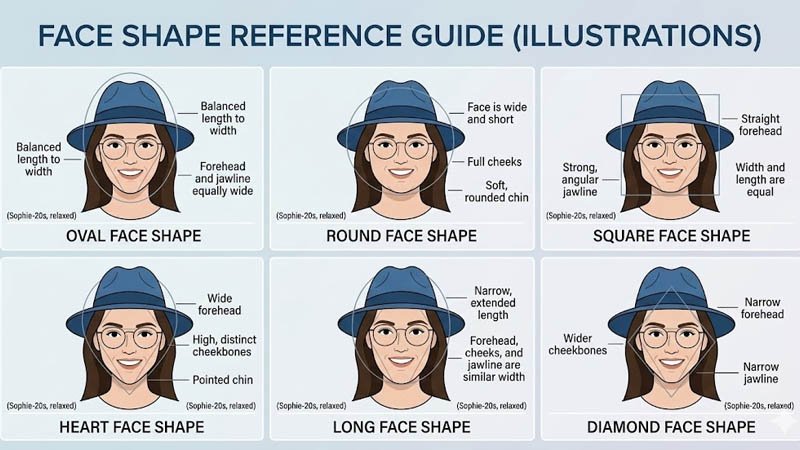
Face shape matters because it affects how hats and glasses balance your features. Use these as guidelines, then adjust based on your personal style and comfort.
Oval Face Shape
Most hat styles and glasses shapes work well with an oval face shape.
Tip: Focus more on style preference, proportions, and occasion than on “rules.”
Round Face Shape
Go for hats with a taller crown and glasses with angular frames to create more definition.
-
Good hat choices: structured caps, fedoras
-
Good frame choices: rectangular, angular wayfarers
Square Face Shape
Soften strong features with rounded hats and glasses with softer lines.
Heart Face Shape
Balance the upper part of the face with hats that have a wider brim, and choose glasses that do not add too much visual weight at the top.
Long Face Shape
Choose hats with a wider brim and glasses with rounded frames to create more horizontal balance.
Classic Hat and Glasses Combinations
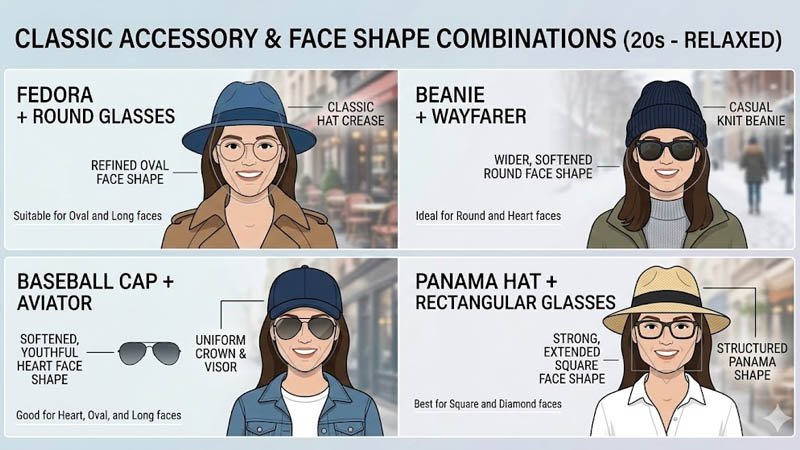
These combinations stay popular because they look balanced and timeless.
Fedora + Round Glasses
A classic combination with a sophisticated, vintage-cool feel.
Best for: smart-casual looks, creative styling, city wear
Avoid overstyling by: keeping the outfit clean and not adding too many statement pieces
Beanie + Wayfarer Glasses
Casual, relaxed, and easy to wear. Great for everyday outfits in colder weather.
Best for: weekends, casual outings, minimalist looks
Avoid overstyling by: choosing neutral colors and simple layers
Baseball Cap + Aviator Glasses
Sporty and modern, this pairing works for many casual occasions.
Best for: travel, driving, errands, outdoor activities
Avoid overstyling by: keeping logos and other accessories minimal
Panama Hat + Rectangular Glasses
Sleek and polished, especially for warm-weather dressing.
Best for: summer getaways, outdoor lunches, resort styling
Avoid overstyling by: using restrained colors and clean silhouettes
Modern Hat and Glasses Combinations
Modern pairings often reflect streetwear, minimalist, and lifestyle trends. The key is to keep the look intentional and balanced.
Snapback Hat + Clubmaster Glasses
A trend-forward combination that feels structured and edgy.
Best for: streetwear-inspired looks
Avoid overstyling by: keeping the rest of the outfit simple and well-fitted
Beanie + Clear Frame Glasses
A clean, low-key modern look that works especially well in neutral color palettes.
Best for: minimalist outfits, everyday urban wear
Avoid overstyling by: sticking to one style direction (minimalist, not mixed with overly formal pieces)
Bucket Hat + Round Sunglasses
Relaxed and bohemian, often associated with beach, travel, and surf-inspired style.
Best for: vacations, festivals, outdoor leisure
Avoid overstyling by: choosing either a patterned hat or statement sunglasses—not both
Fedora + Aviator Sunglasses
A modern twist on a classic look that can feel refined when the proportions are right.
Best for: travel, dressy-casual settings
Avoid overstyling by: choosing a more streamlined aviator if the fedora has a wider brim
Styling Tips to Keep the Look Balanced
1) Match the Style Mood
Your hat and glasses should feel like they belong to the same outfit story.
-
Sporty cap + sporty or casual frames = easy match
-
Dressier hat + polished frames = stronger harmony
-
Formal hat + highly casual glasses = may look mismatched unless styled intentionally
2) Balance Visual Weight
If your hat is bold (wide brim, tall crown, strong texture), consider simpler glasses.
If your glasses are bold (thick frames, oversized shape), consider a cleaner hat.
Rule of thumb: Let one accessory lead, and let the other support it.
3) Coordinate Colors
Color matching doesn’t mean everything has to be the same color. Instead, aim for a coordinated palette.
Examples:
-
Black hat + black or dark tortoise frames
-
Beige/cream Panama + gold-tone or brown frames
-
Neutral beanie + clear or black frames
4) Consider the Occasion
A combination that works for a beach vacation may not work for a business lunch. Always style your hat and glasses based on where you’re going.
5) Pay Attention to Fit and Comfort
Even the best-looking combination fails if it feels uncomfortable.
-
If the hat presses your glasses, the fit is wrong
-
If the brim blocks your vision, adjust the angle or choose a different shape
-
If the glasses sit unevenly under the hat, test another crown depth or hat size
Factors to Consider While Wearing Hats with Glasses
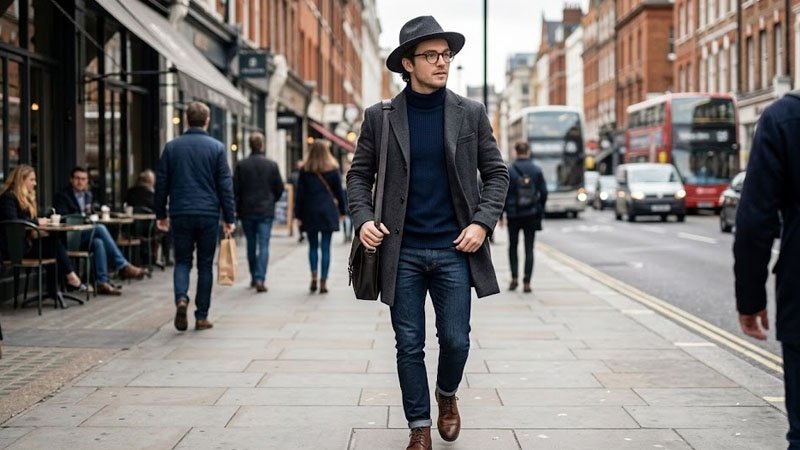
Face Shape
Face shape is still one of the most useful starting points, but it should work together with your hairstyle, outfit, and personal style.
Colors
Matching or coordinating colors creates a more cohesive overall appearance. Think about your hat, glasses, and clothing together—not just the accessories in isolation.
Proportions
Your hat and glasses should not overwhelm your face or look too small against it.
Example: A wide-brim hat paired with very small glasses can make the top half look disconnected.
Occasion
Choose combinations that make sense for the setting. For formal occasions, classic and elegant pairings are usually safer. For casual settings, you have more room to experiment.
Extra Considerations: Comfort and Practical Wear
If You Have a Bigger Head or Face
If you have broader features or a larger head size, avoid hats that are too small or glasses that are too narrow.
Instead, choose:
-
Larger hats with proper crown depth
-
Wider frames that match your face width
-
Balanced proportions that don’t make the accessories look undersized
If You Wear Prescription Glasses
If you wear prescription lenses, comfort becomes even more important.
Choose hats that:
-
Allow enough clearance for your frames
-
Don’t press the temples inward
-
Sit securely without interfering with your vision
Personal Style and Preference
You should always experiment. The best pairing is not just the one that “follows the rules,” but the one that fits your lifestyle and feels comfortable to wear.
Common Mistakes to Avoid When Pairing Hats with Glasses
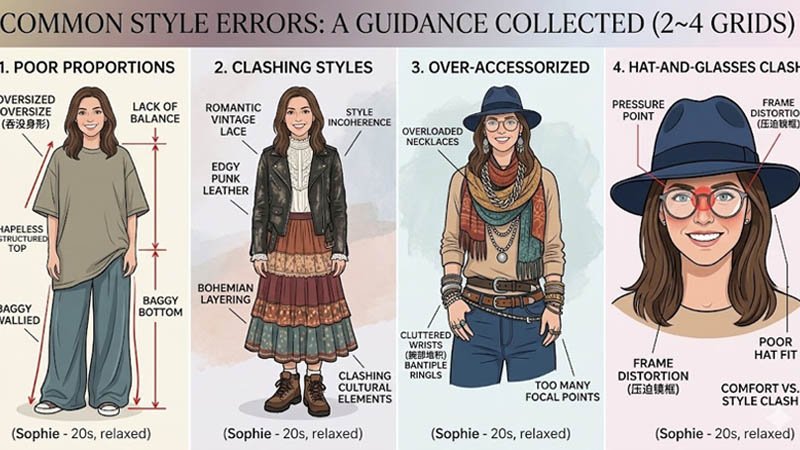
Here are some of the most common reasons a look feels overdone—or just uncomfortable.
1) Wearing a Hat and Glasses That Are Both Too Bold
A wide-brim statement hat and oversized thick frames can compete with each other.
Fix: Let one piece be the focus and keep the other more understated.
2) Ignoring Proportion
Tiny frames with a large hat (or large frames with a very small hat) can look unbalanced.
Fix: Match the scale of your frames to the presence of the hat.
3) Mismatching Formality
A refined Panama hat with very sporty wraparound sunglasses may feel out of place unless the whole outfit supports that contrast.
Fix: Match the formality level of your hat, glasses, and clothing.
4) Choosing Style Over Comfort
If your hat pushes down on your glasses, you’ll keep adjusting it—and the look won’t feel natural.
Fix: Prioritize fit, crown depth, and comfort first.
5) Overloading the Outfit
Hat + glasses + bold chains + patterned shirt + loud outerwear can quickly feel too busy.
Fix: If your hat-and-glasses combo is strong, simplify the rest of the outfit.
A Note on Hat Quality and Fit
No matter how good a combination looks in photos, poor construction or poor fit can ruin both comfort and style—especially when wearing glasses.
At GUANGZHOU EASTLUCKY Hat & Garment Co., Ltd., we understand this from both a design and manufacturing perspective. We are a high-end custom hat and OEM/ODM manufacturer based in Guangzhou, China, with 15 years of expertise in professional R&D, production, and distribution of various hats and embroidered accessories.
Guided by the philosophy “Quality as Root, Innovation as Soul,” we provide global clients with one-stop solutions from design sampling to mass production, helping brands build efficient and high-quality supply chains.
From a real-world wear perspective, details like crown depth, brim structure, material quality, and fit consistency directly affect how comfortably a hat sits with glasses—and how polished the overall look appears.
Conclusion
Pairing hats with glasses can upgrade your style significantly when the combination is balanced, comfortable, and appropriate for the occasion.
The key is to understand shapes, face proportions, color coordination, and visual weight—then keep the overall look simple enough that it feels natural rather than overstyled.
Start with classic combinations, experiment with modern pairings, and make small adjustments based on fit and comfort. With a little practice, you’ll find combinations that suit your face, style, and daily life.
Quick Recap
-
Learn how hat shape and glasses shape work together
-
Use face shape as a guide, not a strict rule
-
Balance visual weight and proportions
-
Coordinate colors and match the occasion
-
Prioritize fit and comfort (especially with prescription glasses)
-
Avoid overloading the outfit with too many statement elements
FAQ: Hats and Glasses Pairing for Men
Can men wear hats with prescription glasses comfortably?
Yes. The key is choosing a hat with the right fit and enough clearance so it doesn’t press your frames or affect your vision.
What hats look best with rectangular glasses?
Many styles work well, including baseball caps, Panama hats, and some fedoras. The best choice depends on your face shape, proportions, and the occasion.
Do hats make glasses feel tighter?
They can—especially if the hat is too tight or has a crown shape that presses your temples. If this happens, try a better-fitting hat or a different hat style.
Are baseball caps and aviator glasses a good combination?
Yes, this is one of the most reliable casual combinations. It usually looks sporty, modern, and easy to wear.
How do I avoid looking overstyled when wearing a hat and glasses?
Focus on balance: avoid making both accessories overly bold, match the style mood of your outfit, and keep the rest of your look simple.
What should I prioritize first: style or comfort?
Start with comfort and fit. Once your hat and glasses sit well together, styling becomes much easier and looks more natural.
How to Choose the Best Summer Hat for Men in 2026 (Style, Fit & Sun Protection)
Choosing a summer hat is not only about style. The right hat should also help you stay comfortable in hot weather, provide practical sun protection, and fit your face shape and daily routine.
In this guide, we’ll show you how to choose the best summer hat for men in 2026 based on three key factors: style, fit, and sun protection. We’ll also compare the most popular summer hat styles, explain what materials work best in hot weather, and share practical tips to help you choose a hat you will actually wear.
Whether you need a hat for daily commuting, vacations, outdoor activities, or smart-casual summer dressing, this guide will help you make the right decision.
Quick Answer: How Do You Choose the Best Summer Hat?
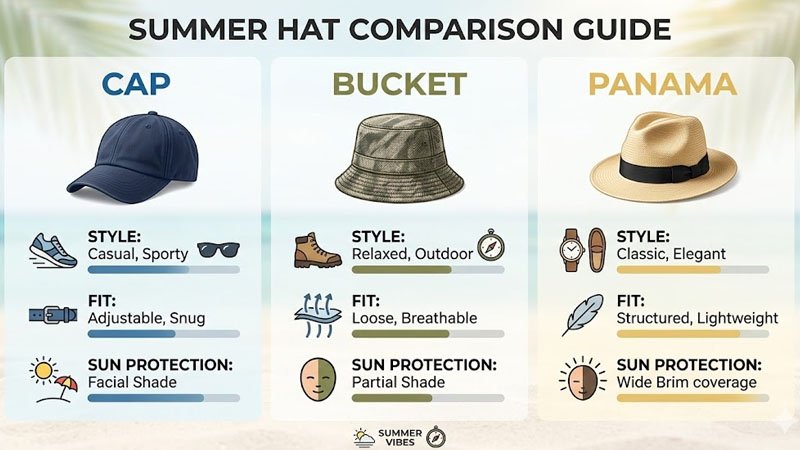
Start with these three questions:
-
Where will you wear it most?
(Everyday city wear, beach, travel, outdoor activity, events)
-
Do you need more sun protection or more styling flexibility?
(Wide-brim hats usually offer better coverage; caps are easier for everyday wear)
-
Does it fit your head size, face shape, and outfit style?
(A great hat that fits poorly will not be worn)
If you answer those first, choosing the right hat becomes much easier.

A summer hat should do more than complete an outfit. It should also help with comfort and protection during hot, sunny days.
1) Sun Protection
Summer hats help reduce direct sun exposure on the scalp, forehead, face, and ears. Depending on the brim width and shape, some hats also help protect parts of the neck.
This matters especially if you:
-
Spend long hours outdoors
-
Travel in hot climates
-
Go to beaches, parks, festivals, or sporting events
-
Walk or commute during peak sun hours
2) Heat Comfort
Direct sunlight on your head can quickly increase heat discomfort. A breathable summer hat can help by:
3) Style and Confidence
The right hat can make a summer outfit look more complete and intentional. Different styles communicate different moods:
-
Baseball cap = casual, sporty, easy
-
Bucket hat = relaxed, modern, outdoorsy
-
Panama hat = polished, vacation-ready
-
Fedora = smart-casual, classic
Step 1: Choose the Right Summer Hat Style for Your Lifestyle
Before comparing materials or fit, choose the hat category that best matches your lifestyle and usage.
1) Baseball Cap (Best for Everyday Wear)
The baseball cap is one of the most practical and versatile summer hats for men. It is easy to wear, easy to style, and works well for daily casual use.
Best for
-
Daily commuting
-
Walking, errands, travel days
-
Casual weekends
-
Sports and leisure activities
Pros
-
Easy to match with most outfits
-
Lightweight and comfortable (depending on material)
-
Good packability
-
Widely available in different fits
Cons
Style notes
A baseball cap works well with:
If you want one cap for maximum versatility, choose a neutral color like black, navy, olive, beige, or grey.
2) Bucket Hat (Best Balance of Casual Style and Coverage)
The bucket hat is a strong all-round summer option because it combines relaxed style with better coverage than a standard cap.
Best for
Pros
-
Better side coverage than a cap
-
Comfortable and often packable
-
Available in cotton, nylon, quick-dry and functional materials
-
Suitable for both fashion and outdoor use
Cons
Style notes
A bucket hat pairs well with:
-
T-shirt + shorts
-
Overshirt + relaxed trousers
-
Patterned summer shirts + chinos
-
Outdoor casual outfits with sandals or sneakers
3) Panama Hat (Best for Elevated Summer Style)
The Panama hat is a classic warm-weather choice for men who want a more polished, elegant look without sacrificing breathability.
Best for
Pros
-
Lightweight and breathable
-
Stylish and refined
-
Offers better face shade than many caps
-
Great for smart-casual and holiday outfits
Cons
Style notes
A Panama hat works especially well with:
4) Lightweight Fedora (Best for Smart-Casual Looks)
A summer fedora can be a stylish choice for men who prefer a classic, structured look. For hot weather, the key is choosing a lightweight, breathable version, not a heavy felt hat.
Best for
-
Summer dinners
-
Garden parties
-
City outings
-
Smart-casual dressing
Pros
Cons
Style notes
A summer fedora pairs well with:
5) Wide-Brim Straw Hat (Best for Strong Sun Exposure)
For beach trips, vacations, and strong sun conditions, wide-brim straw hats are often one of the best choices for comfort and coverage.
Best for
Pros
-
Excellent warm-weather appearance
-
Strong sun coverage (depending on brim)
-
Good ventilation in many woven designs
Cons
-
Some designs are more style-focused than practical
-
Can be harder to pack and store
-
Durability varies by material and construction
Style notes
Keep the rest of the outfit simple when wearing a larger-brim hat:
Step 2: Choose Based on Sun Protection (Not Just Appearance)
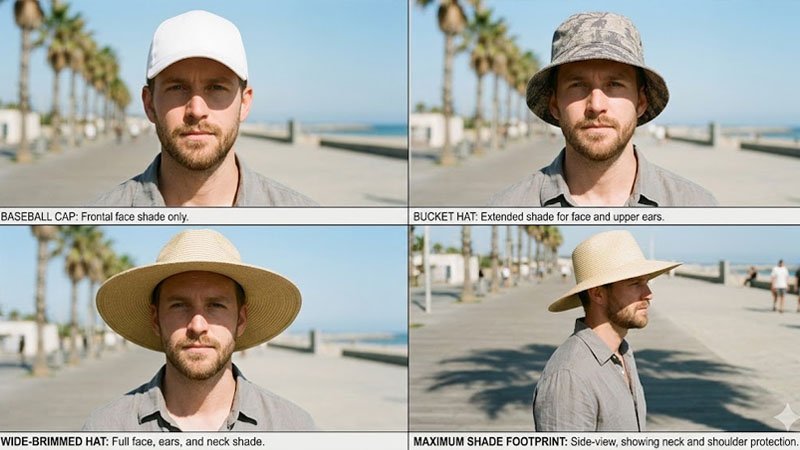
Many men choose hats based on shape and style first—but for summer, sun protection should be part of the decision.
What affects sun protection in a hat?
1) Brim Width
In general, a wider brim provides more shade for the face and can help protect ears and neck depending on the design.
-
Baseball caps: good for face shade, less coverage on sides/neck
-
Bucket hats: better all-around facial/ear coverage
-
Panama/fedora: depends on brim width
-
Wide-brim hats: strongest coverage for outdoor use
2) Coverage Shape
Two hats may have the same brim width but very different protection depending on shape, stiffness, and how the brim sits around the head.
3) Material Density / Construction
Very loose decorative weaves may feel breathable but may provide less effective coverage than denser constructions.
4) Intended Use
Your usage matters:
Practical tip: A hat helps reduce sun exposure, but it should not replace sunscreen, sunglasses, and other sun protection habits.
Step 3: Choose the Right Material for Hot Weather
Material makes a big difference in summer comfort. The same hat style can feel very different depending on the fabric, weave, and lining.
Best summer hat materials for men
Straw / Woven Materials
Great for:
Why choose it:
What to check:
Cotton
Great for:
-
Baseball caps
-
Bucket hats
-
Casual everyday wear
Why choose it:
What to check:
Linen / Linen Blends
Great for:
Why choose it:
-
Excellent warm-weather character
-
Breathable and lightweight look
-
More refined aesthetic than many basic fabrics
What to check:
Nylon / Performance Fabrics
Great for:
Why choose it:
What to check:
Features That Improve Summer Hat Comfort (Often Overlooked)
Many buyers focus only on shape and color, but these features strongly affect comfort:
-
Moisture-absorbing sweatband
-
Ventilation eyelets or mesh panels
-
Lightweight lining (or no heavy lining)
-
Soft inner seams
-
Adjustable fit system
-
Packable construction (if you travel often)
These details can make the difference between a hat you wear once and a hat you wear all season.
Step 4: Get the Right Fit (Head Size, Crown Depth & Comfort)
Fit is one of the most important factors in choosing a summer hat, and one of the most common reasons people stop wearing a hat they bought.
Why fit matters
-
Too tight: uncomfortable pressure, heat buildup, headaches
-
Too loose: unstable in wind, poor coverage position, awkward look
How to choose the right fit
-
Measure your head circumference before ordering
-
Check the brand size chart
-
If possible, choose hats with adjustable features
-
Consider crown depth (important for caps and bucket hats)
-
Think about your use case (travel, active use, long wear time)
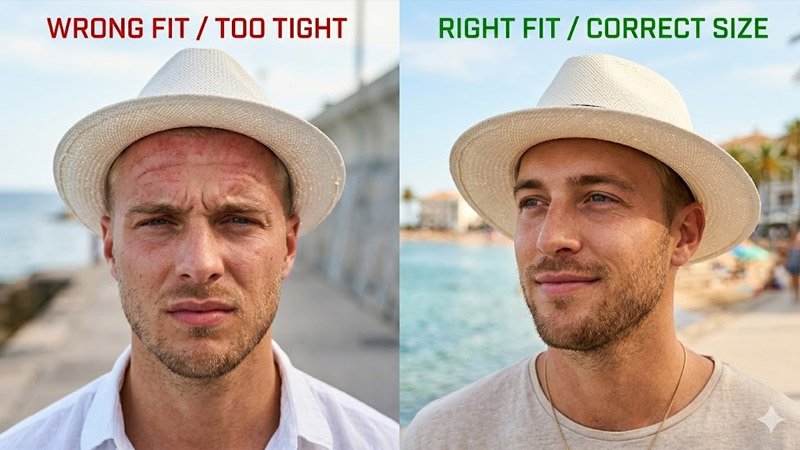
A hat should feel secure—not tight.
Step 5: Use Face Shape and Proportion as a Guide (Not a Rule)
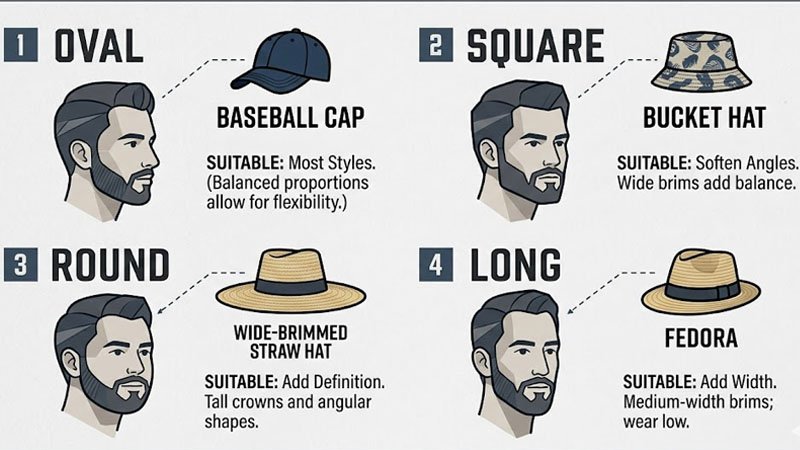
Face shape advice can be helpful, but it should be treated as guidance, not a hard rule. Fit, proportions, and personal style matter just as much.
General face shape suggestions
Round Face
Try styles with a bit more structure and definition:
-
Medium-brim fedora
-
Panama hat
-
Structured caps
This can help create a more balanced silhouette.
Oval Face
Most styles work well:
-
Cap
-
Bucket hat
-
Panama
-
Fedora
-
Straw hat
Focus on proportion and personal style preference.
Square Face
Softer, rounded shapes often balance stronger angles:
Long / Oblong Face
Medium-to-wider brims often help balance facial length. Avoid very tall crowns if they exaggerate length.
Don’t forget body proportion
How to Match Your Summer Hat to Your Outfit (Without Overthinking It)
A hat works best when it matches the mood of your outfit.
Easy style matching guide
Casual / Sporty
Choose:
-
Baseball cap
-
Functional cap
-
Casual bucket hat
Works well with:
-
T-shirts
-
Shorts
-
Sneakers
-
Polo shirts
Relaxed / Outdoor / Travel
Choose:
-
Bucket hat
-
Packable brimmed hat
-
Performance cap
Works well with:
Smart-Casual / City Summer
Choose:
-
Lightweight fedora
-
Panama hat
Works well with:
Resort / Vacation
Choose:
Works well with:
Common Mistakes to Avoid When Choosing a Summer Hat
1) Choosing a hat only because it looks good online
A great-looking hat may be too hot, too stiff, or not suitable for your actual lifestyle.
2) Ignoring sun coverage needs
If you spend hours outdoors, a standard cap may not provide enough protection compared with a bucket hat or wider-brim style.
3) Buying the wrong size
Poor fit affects comfort, appearance, and function.
4) Choosing heavy materials for hot weather
Summer hats should feel light and breathable. Always check material and construction.
5) Not considering storage or travel use
If you travel often, choose packable or shape-stable options based on how you plan to carry the hat.
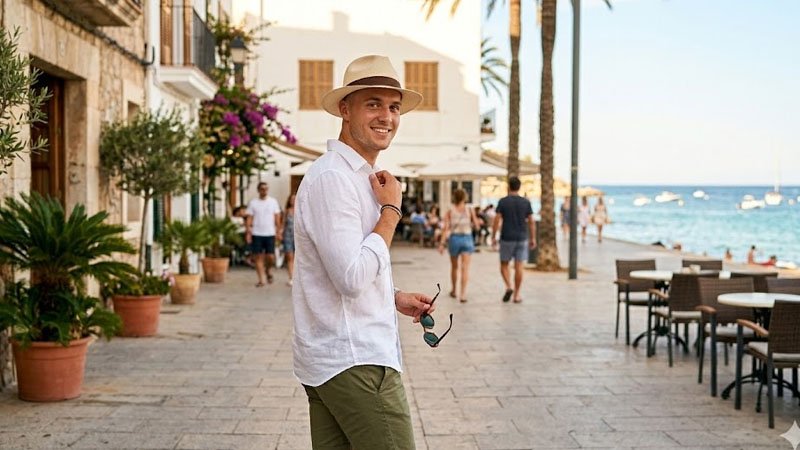
Quick Comparison: Which Summer Hat Should You Choose?
Baseball Cap
-
Best for: Daily wear, commuting, travel
-
Sun coverage: Moderate (mainly face)
-
Style level: Casual
-
Packability: Good
-
Ease of care: Easy
Bucket Hat
-
Best for: Outdoor use, travel, casual fashion
-
Sun coverage: Good
-
Style level: Casual / modern
-
Packability: Excellent
-
Ease of care: Easy to moderate
Panama Hat
-
Best for: Vacation, summer events, smart casual
-
Sun coverage: Good (depends on brim)
-
Style level: Elevated
-
Packability: Varies
-
Ease of care: Moderate / careful
Lightweight Fedora
-
Best for: Smart-casual styling
-
Sun coverage: Moderate to good
-
Style level: Classic / refined
-
Packability: Limited in many styles
-
Ease of care: Moderate
Wide-Brim Straw Hat
-
Best for: Beach, resort, strong sun exposure
-
Sun coverage: Very good
-
Style level: Statement summer look
-
Packability: Often limited
-
Ease of care: Moderate / careful
For Brands & Buyers: Custom Summer Hat Development Support
If you are a brand, importer, retailer, or sourcing team planning a seasonal hat collection, choosing the right summer hat is not only a styling decision—it is also a product development and supply chain decision.
GUANGZHOU EASTLUCKY Hat & Garment Co., Ltd. is a high-end custom hat and OEM/ODM manufacturer based in Guangzhou, China, with 15 years of expertise in professional R&D, production, and distribution of various hats and embroidered accessories.
Guided by the philosophy “Quality as Root, Innovation as Soul,” we provide global clients with one-stop solutions from design sampling to mass production, enabling efficient and high-quality supply chain services for brands.
What we can support
-
OEM/ODM hat development
-
Design sampling and prototyping
-
Material and construction suggestions
-
Production planning for seasonal collections
-
Embroidered accessories and coordinated programs
For summer hat programs, early alignment on target price, material, fit, construction details, and use scenario can significantly improve development speed and production consistency.
FAQ: How to Choose the Best Summer Hat for Men
What is the best summer hat for men for everyday use?
For most men, a baseball cap is the easiest everyday choice because it is versatile, comfortable, and simple to style. If you want better coverage, a bucket hat is often a better all-round option.
Which summer hat offers the best sun protection?
In general, hats with wider brims (such as bucket hats with good brim width or wide-brim straw hats) offer better coverage than standard caps, especially for the sides of the face and ears.
Is a Panama hat practical or just stylish?
A Panama hat can be both practical and stylish for warm weather. It is often lightweight and breathable, but it may require more careful storage than a cap or bucket hat.
How do I know if a hat fits correctly?
A hat should feel secure and comfortable without causing pressure. It should not leave tight marks quickly or shift too easily when you move.
What is the best material for a summer hat?
It depends on your use case:
-
Casual daily wear: Cotton
-
Outdoor / active use: Nylon or performance fabrics
-
Resort / dressier summer style: Straw or woven materials, linen blends
Can I wear a fedora casually in summer?
Yes—if the material is lightweight and the outfit is styled appropriately. A summer fedora works best with smart-casual pieces like linen shirts, chinos, and loafers, rather than sporty clothing.
Final Thoughts
The best summer hat for men in 2026 is the one that fits your lifestyle, climate, comfort needs, and personal style—not simply the one that looks best in a photo.
When choosing a summer hat, focus on:
-
Style (where and how you will wear it)
-
Fit (comfort, head size, crown depth, stability)
-
Sun protection (brim width, coverage, intended use)
-
Material (breathability, weight, care needs)
If you get those four things right, you’ll end up with a hat you actually enjoy wearing all summer.
And if you are a brand developing custom summer hats, working with an experienced OEM/ODM manufacturer can help turn design ideas into production-ready products with better consistency, efficiency, and quality.
Everything You Need to Know About Snapback Hats: From History to Customization
Snapback hats have become a go-to accessory for streetwear lovers, athletes, and casual fashion fans alike. Known for their flat brim and adjustable strap, snapbacks combine comfort, individuality, and bold style in one iconic cap.
In this guide, you’ll learn what a snapback hat is, what makes it different from other caps, how it became a cultural staple, how to wear and choose one, and what to consider if you want to customize snapbacks for your brand.

A snapback hat is a type of baseball cap known for three defining features: a flat brim, a structured crown, and an adjustable snap closure at the back.
The name “snapback” comes from the plastic strap with interlocking snaps that allows the hat to be resized easily. This makes snapbacks a practical one-size-fits-most option for everyday wear, retail, and promotional use.
Unlike softer, unstructured caps, snapbacks usually feature a firm front panel and a structured six-panel crown (though five-panel options are also common). This construction helps the hat keep its shape and creates a strong surface for logos, embroidery, and custom branding—one reason snapbacks remain so popular in fashion, sports, and merchandising.
Snapback hats stand out because they combine a bold look with functional design. Here are the key features that define them:
1) Flat Brim
Snapbacks are best known for their flat brim, which gives them a clean, modern, streetwear-forward look. While some wearers later curve the brim slightly, the flat bill is part of the classic snapback identity.
2) Structured Crown
Most snapbacks have a structured crown, especially in the front panels. This shape helps the cap maintain a sharp silhouette and gives it a more premium appearance compared with soft, unstructured caps.
3) Adjustable Snap Closure
At the back, snapbacks use a plastic snap strap with multiple sizing positions. This makes sizing easy and convenient, especially for online buyers, event merchandise, team gear, and bulk orders.
4) Logo-Friendly Front Panel
The structured front area makes snapbacks ideal for:
This is one reason snapbacks are widely used for branding and retail collections.
5) Durable Materials
Common snapback materials include:
-
Cotton twill (breathable, versatile, everyday use)
-
Wool blends (structured feel, premium look)
-
Mesh panels (breathability, especially in trucker-style variants)
-
Poly blends (durability and color consistency)
Material selection affects both comfort and logo presentation, especially in custom production.
6) Signature Streetwear Styling Details
Some snapbacks may include stickers on the brim, contrast underbrims, rope trims, or oversized embroidery—details that often reflect streetwear, sports, or collector aesthetics.
Snapback vs. Other Caps: What’s the Difference?
Many people use “baseball cap” as a general term, but not all baseball caps are snapbacks. A snapback is one cap style within the broader baseball cap category.
Here’s a simple comparison:
Snapback vs. Baseball Cap (General)
-
Snapback: Usually flat brim + structured crown + snap closure
-
Baseball cap (general): Can be curved brim, fitted or adjustable, structured or unstructured
Snapback vs. Fitted Cap
-
Snapback: Adjustable sizing with snap closure
-
Fitted cap: Fixed size, no adjustment strap, often more tailored fit
Snapback vs. Dad Hat
-
Snapback: Structured, bolder shape, often flatter brim
-
Dad hat: Soft/unstructured crown, curved brim, relaxed casual look
Snapback vs. Trucker Hat
-
Snapback: Can be full fabric construction or structured style
-
Trucker hat: Typically mesh back panels, foam or fabric front, often also uses a snap closure
Quick takeaway: If you want a cap with a bold profile, strong logo display, and adjustable fit, a snapback is often the best choice.

Snapback hats have a long history connected to sports, music, and fashion. Their rise wasn’t overnight—it happened through decades of design evolution and cultural influence.
1850s–1930s: Baseball Origins
The roots of the snapback trace back to early baseball headwear. Flat-brimmed caps used by early baseball teams helped establish the visual foundation for modern cap silhouettes.
1950s–1970s: Structured Cap Development
As baseball caps became more standardized and branded, structured crowns and panel construction became more refined. This era helped shape the clean, logo-forward cap profile associated with modern snapbacks.
1980s–1990s: Hip-Hop and Pop Culture Explosion
Snapbacks gained major visibility through hip-hop culture and urban fashion. Artists, athletes, and TV personalities made them a symbol of identity and self-expression. Worn forward or backward, snapbacks became part of a global streetwear language.
2000s–Today: Fashion and Branding Comeback
In the 2000s and beyond, snapbacks returned strongly through:
Today, snapbacks remain popular with both consumers and businesses because they combine style, practicality, and customization potential.
Snapbacks have stayed relevant for decades because they work across fashion, culture, and branding.
Timeless Streetwear Appeal
The flat brim and structured shape give snapbacks a bold silhouette that fits naturally into streetwear and casual fashion. They offer a polished but expressive look without feeling overly formal.
Easy Customization for Brands and Teams
Snapbacks are one of the most customization-friendly hat styles. The front panel is ideal for strong logo placement, making them a favorite for:
-
Clothing brands
-
Sports teams
-
Events
-
Corporate campaigns
-
Music merchandise
Convenient Adjustable Fit
The snap closure makes sizing simple. This is especially useful for e-commerce, gifting, event giveaways, and group purchases where exact sizing may be difficult.
Unisex and Age-Inclusive
Snapbacks are widely worn by men, women, and youth. Their universal fit and style flexibility make them one of the most versatile cap styles on the market.
Strong Pop Culture Presence
From music videos and sports arenas to social media and fashion drops, snapbacks continue to appear in pop culture. That visibility helps them stay current and collectible.

Snapbacks are easy to style, but the best look depends on your outfit, occasion, and personal taste.
Front-Facing for a Clean, Classic Look
Wearing a snapback forward is the most versatile option. It pairs well with:
This style works well for everyday wear and gives a balanced, modern appearance.
Backward for a Laid-Back, Sporty Edge
Wearing a snapback backward creates a more relaxed, athletic, or hip-hop-inspired vibe. It’s commonly used in casual settings and works well with sporty or oversized silhouettes.
Focus on Proportion and Fit
Rather than following strict “fashion rules,” choose a snapback style that suits your face shape and outfit proportion:
-
A higher-profile crown creates a stronger statement
-
A more moderate profile may feel easier for everyday wear
-
Neutral colors are easier to match
-
Bold colors or contrast logos can become the focal point of your look
Hair and Styling Tips
If you have longer hair, let it flow naturally around the cap for a cleaner look. Keep the fit comfortable—not too tight or too loose—so the crown sits properly and the brim aligns naturally with your face.

If you’re buying for personal style, retail, or brand customization, the right snapback depends on more than just color.
1) Decide Between Logo or Blank
-
Logo snapbacks make a stronger statement (sports, fashion, identity)
-
Blank snapbacks offer a minimalist look and are easier to pair with more outfits
For brands, think about whether the cap is meant to be subtle merchandise or a hero product.
2) Choose the Right Material
Different materials create different looks and performance benefits:
-
Cotton twill: everyday comfort, reliable for embroidery
-
Wool blend: premium structure and classic cap feel
-
Mesh: breathable, ideal for warmer climates
-
Poly blends: durable, stable, good for active use
Choose based on climate, use case, and branding goals.
3) Consider Crown Profile and Structure
Snapbacks can vary in profile (height and overall shape). A more structured, higher-profile cap creates a stronger streetwear look, while a lower or softer profile may feel more casual.
4) Match the Color to Your Wardrobe (or Brand Palette)
-
Black, navy, gray, beige: versatile and easy to wear
-
Bold colors: stronger visual impact
-
Team/brand colors: ideal for merchandise and identity
For custom orders, color consistency matters—especially when matching a brand logo.
5) Think About Your Purpose
Ask yourself:
-
Is this for daily wear?
-
Retail resale?
-
Event merchandise?
-
Team uniforms?
-
Brand promotion?
The purpose should guide your choice of material, logo application, and price point.
For brands, distributors, and merch buyers, snapbacks are more than just a fashion item—they’re a strong branding tool. A well-made custom snapback can improve brand visibility and create a retail-ready product with long-term value.
Why Snapbacks Work Well for Custom Branding
Snapbacks are especially suitable for branding because they offer:
-
A structured front panel for clean logo display
-
Adjustable sizing (easier inventory management)
-
Broad appeal across age groups and styles
-
Strong perceived value in merch and retail channels
Common Customization Options
Depending on your design and positioning, common options include:
-
Flat embroidery (clean, versatile, detailed logos)
-
3D puff embroidery (bold raised effect, ideal for larger letters/logos)
-
Woven or leather patches (premium or heritage look)
-
Printed patches (more color/detail flexibility)
-
Custom labels and inner branding
-
Custom underbrim colors or taping (for premium builds)
Practical Design Tips for Better Results
To achieve better production outcomes:
-
Avoid logo details that are too small or too thin for embroidery
-
Use clear contrast between logo and cap color
-
Confirm logo placement and size before sampling
-
Choose materials that support your embroidery style
-
Review a pre-production sample before mass production
These steps can reduce revisions and improve consistency in bulk orders.
About GUANGZHOU EASTLUCKY Hat & Garment Co., Ltd.
GUANGZHOU EASTLUCKY Hat & Garment Co., Ltd. is a high-end custom hat and OEM/ODM manufacturer based in Guangzhou, China, with 15 years of expertise in professional R&D, production, and distribution of various hats and embroidered accessories.
Guided by the philosophy “Quality as Root, Innovation as Soul,” EASTLUCKY provides global clients with one-stop solutions from design sampling to mass production, enabling efficient and high-quality supply chain services for brands.
If you are developing a snapback collection, launching merchandise, or sourcing custom hats for retail, EASTLUCKY can support your project with professional manufacturing and OEM/ODM solutions tailored to your brand requirements.
FAQs
Why is it called a snapback?
It’s called a snapback because of the adjustable plastic snap closure on the back of the hat. The strap “snaps” into place to fit different head sizes.
What’s the difference between a snapback and a baseball cap?
“Baseball cap” is a broad category. A snapback is one type of baseball cap, typically defined by a flat brim, structured crown, and snap closure.
Can anyone wear a snapback?
Yes. Snapbacks are widely worn by people of different ages and styles. The adjustable fit makes them easy to wear for many head sizes.
Are snapback hats still in style?
Yes. Snapbacks remain popular in streetwear, sports merchandise, and custom brand caps because they offer a strong silhouette and logo-friendly design.
Should I keep the sticker on my snapback hat?
That depends on your personal style. Some people remove it for a cleaner look, while others keep it as part of the cap’s streetwear aesthetic.
Are snapbacks good for custom branding?
Absolutely. Their structured front panel and adjustable fit make snapbacks one of the best cap styles for logo embroidery, event merchandise, and brand collections.
Conclusion
Snapback hats are more than just a trend—they’re a practical, stylish, and highly customizable cap style with deep roots in sports and street culture. From their flat brim and structured crown to their adjustable fit and strong branding potential, snapbacks continue to be a favorite for both personal wear and commercial use.
Whether you’re choosing a snapback for everyday style or planning a custom collection for your brand, understanding the features, materials, fit, and customization options will help you make a better decision.
If you’re looking for a reliable OEM/ODM manufacturing partner for custom snapback hats, GUANGZHOU EASTLUCKY Hat & Garment Co., Ltd. is ready to support your project from sampling to mass production.
Contact us today to discuss your custom snapback hat ideas and production needs.
Don’t Let Sun or Sweat Ruin Your Match: Choose the Right Tennis Hat or Visor
Tennis is a game of focus, movement, and split-second decisions. But on a hot day, two simple things can quietly hurt your performance: sun glare and sweat.
If the sun keeps getting in your eyes or sweat drips down your face during rallies, your concentration drops, your timing suffers, and your match becomes harder than it needs to be. That’s why choosing the right tennis headwear is not just about style — it’s about comfort, visibility, and performance.
So, should you wear a tennis hat or a tennis visor?
In this guide, we’ll break down the differences, explain what features matter most, and help you choose the best option for your game.
Why Tennis Headwear Matters More Than You Think
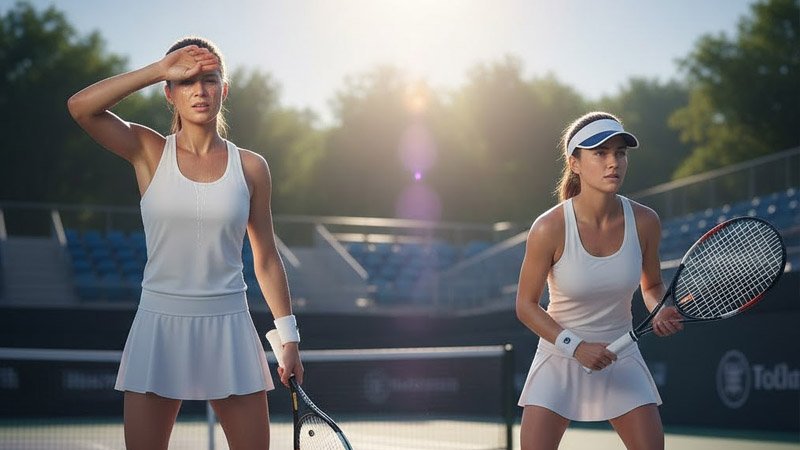
Many players treat hats and visors as optional accessories. In reality, the right headwear can make a noticeable difference during practice and matches.
1) Sun Protection and UV Exposure
Outdoor tennis often means long periods under direct sunlight. A well-designed hat or visor helps reduce facial sun exposure and glare, making it easier to track the ball and stay comfortable.
2) Sweat Management
Sweat in your eyes can be distracting and uncomfortable. Headwear with moisture-wicking materials and built-in sweatbands helps absorb and manage sweat during high-intensity play.
3) Better Focus and On-Court Comfort
When your headwear fits properly and stays in place, you spend less time adjusting it and more time focusing on your game.
4) Style and Confidence
Of course, appearance still matters. Whether you prefer a classic cap or a modern performance visor, the right look can complement your outfit and boost confidence on court.
Tennis Hat vs. Visor: Which One Is Right for You?
This is the most common question for players — and the answer depends on your playing conditions and personal preferences.
Quick Comparison: Tennis Hat vs. Tennis Visor
Choose a Tennis Hat if you want:
-
Better coverage for the top of your head
-
More all-around sun protection during long outdoor sessions
-
A secure, familiar fit
-
Extra coverage in strong sun conditions
Choose a Tennis Visor if you want:
-
Better airflow and ventilation
-
An open-top feel in hot weather
-
Less bulk on your head
-
More comfort for certain hairstyles (such as ponytails)
The Practical Difference
A tennis hat usually offers more UV coverage, while a visor usually offers more breathability. Neither is automatically “better” — the best choice depends on how you play, where you play, and what bothers you more: heat or sun exposure.
Types of Tennis Hats (and When They Work Best)
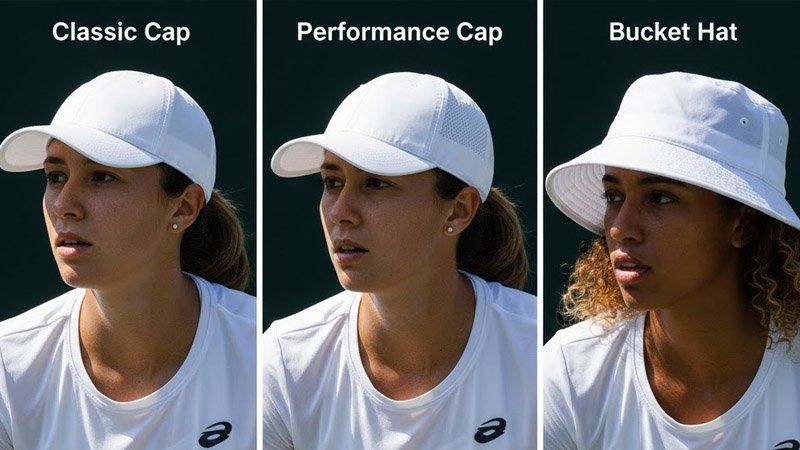
Not all hats perform the same way on court. Here are the most common styles and their strengths.
1) Classic Tennis Caps (Baseball-Style Caps)
These are the most popular option for many players.
Pros
Cons
Best for: Players who want a balanced option for training and matches.
2) Lightweight Performance Caps
These are designed specifically for sports, often with moisture-wicking fabrics, mesh panels, and lighter construction.
Pros
Cons
Best for: Frequent players, competitive players, and hot-weather training.
3) Bucket Hats (Less Common, but Useful in Some Situations)
Bucket hats provide more coverage, including better protection around the face and parts of the neck.
Pros
Cons
Best for: Training sessions, coaching, or non-competitive outdoor use in strong sun.
Types of Tennis Visors (and Who They Suit)
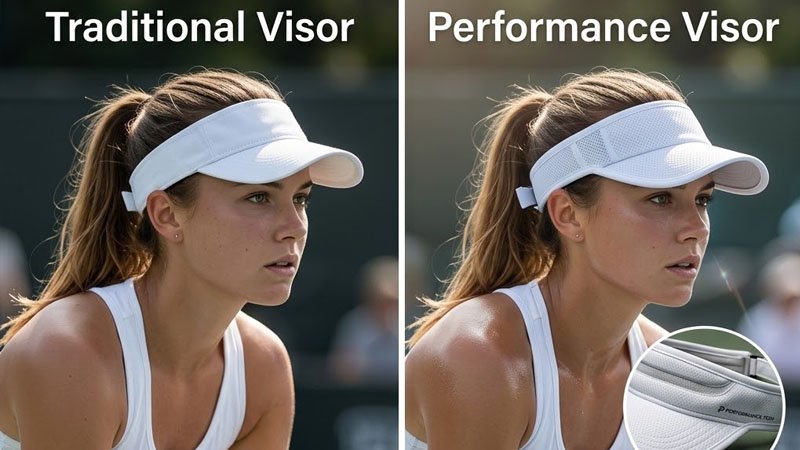
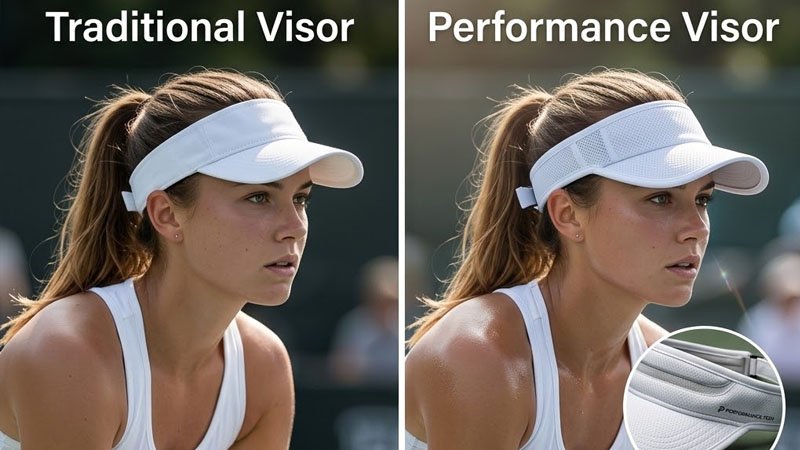
Visors are a favorite among players who prioritize ventilation and an open-top fit.
1) Traditional Tennis Visors
These usually feature a curved brim and an adjustable back strap.
Pros
-
Lightweight and breathable
-
Comfortable in hot weather
-
Easy to wear for many head shapes
Cons
Best for: Players who overheat easily and prefer an open feel.
2) Performance Visors
Modern performance visors often include moisture-wicking linings, ergonomic construction, and more stable fits.
Pros
Cons
Best for: Players who sweat heavily and want lightweight performance gear.
How to Choose the Right Tennis Hat or Visor (What Actually Matters)
A lot of buying guides list features, but the real question is: what should you look for before you buy? Here are the most important criteria.
1) Fit Comes First
Even the best material won’t help if the fit is wrong.
Look for headwear that:
-
Feels secure but not tight
-
Stays stable during serves and lateral movement
-
Doesn’t create pressure points on the forehead
-
Has easy adjustability (Velcro, buckle, elastic, or strap system)
Tip: Test fit while moving, not just while standing still.
2) Sweat Control (Especially in Matches)
If sweat is your biggest problem, prioritize:
This matters for both hats and visors. A stylish design without sweat management can become uncomfortable fast.
3) Breathability and Ventilation
For hot weather, airflow is critical.
Look for:
Good ventilation helps reduce overheating and improves comfort over long sessions.
4) UV Protection and Coverage
If you play outdoors frequently, sun protection should be a top priority.
-
A hat generally provides more coverage than a visor
-
A visor shades the face but leaves the top of the head exposed
-
Fabrics with UPF ratings (such as UPF 30+ or UPF 50+) can offer better UV protection
If you train in strong sun for long periods, this can be a deciding factor.
5) Weight and Balance
Heavy headwear can become distracting, especially in long matches.
Choose options that feel:
The goal is to forget you’re wearing it.
6) Brim Shape and Visibility
The brim should block glare without interfering with vision or ball tracking.
Look for a brim that:
7) Durability and Easy Care
Tennis headwear gets used often and washed often. Check for:
A product that looks good but loses shape after a few washes is not a good long-term choice.
What to Choose Based on Playing Conditions
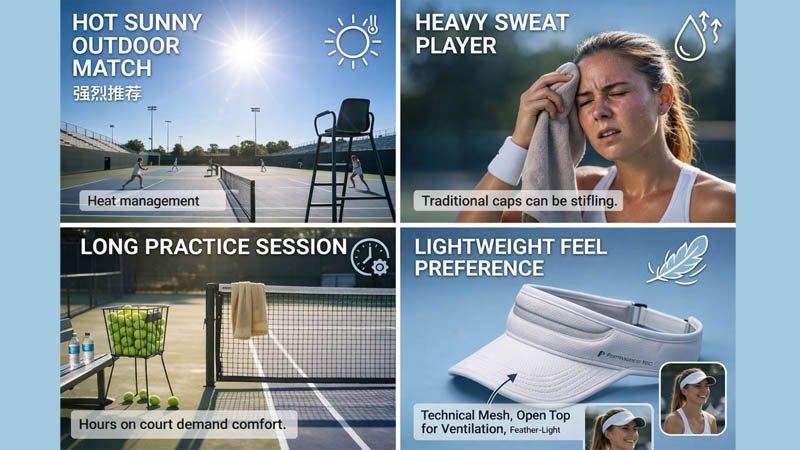
To make the decision easier, here are some quick recommendations by scenario.
For Hot, Sunny Outdoor Matches
Best choice: Lightweight performance hat
Why: Better sun coverage + glare control + sweat management
If you prefer a visor, choose one with a strong sweatband and consider added sun protection for the scalp.
For Players Who Sweat Heavily
Best choice: Performance visor or performance cap with moisture-wicking sweatband
Why: Sweat control and airflow matter most
Pay attention to inner band material and quick-dry performance.
For Long Practice Sessions
Best choice: Lightweight cap or stable visor (depending on your heat tolerance)
Why: Comfort, stability, and reduced distraction become more important over time
For Players Who Prefer a Lighter Feel
Best choice: Tennis visor
Why: Open-top design increases ventilation and reduces heat build-up
For Casual Players or Beginners
Best choice: A comfortable, adjustable cap or visor with basic moisture management
Why: Fit and comfort matter more than advanced features at the start
Avoid these common buying mistakes:
1) Choosing Style Before Fit
A great-looking hat that shifts during play will quickly become annoying.
2) Ignoring Sweat Management
A basic cap may look fine but fail during intense play if it lacks a proper sweatband.
3) Assuming All Visors Offer Enough Sun Protection
Visors help with facial shade, but they do not protect the top of the head like a hat does.
4) Using Heavy or Non-Breathable Materials in Hot Weather
Heat and moisture build-up can reduce comfort and focus.
5) Not Checking Care Instructions
Some headwear loses shape or performance after improper washing.
Care Tips: Keep Your Tennis Hat or Visor Performing Longer
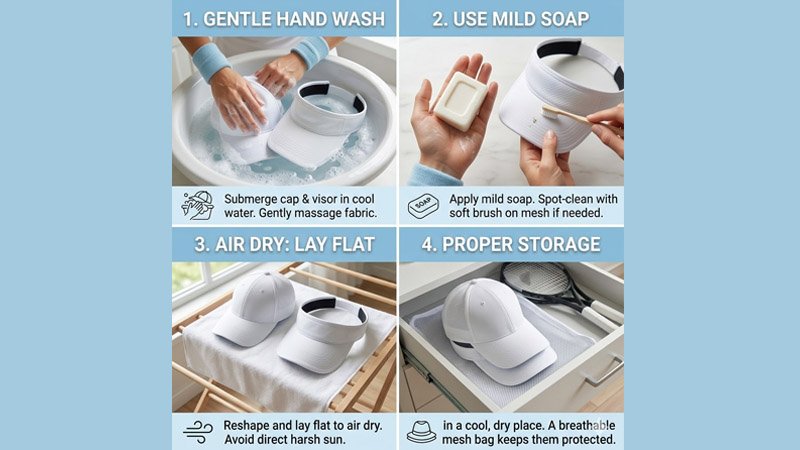
Proper care helps maintain comfort, fit, and appearance.
Cleaning
-
Follow the manufacturer’s instructions
-
Use mild soap when needed
-
Avoid harsh chemicals
-
Hand washing is often safer for shape retention
Drying
Storage
Replacement
Replace your headwear when you notice:
How Brands Can Deliver Better Tennis Headwear (What Makes a Quality Supplier)
For sports brands, clubs, events, and retailers, choosing the right headwear supplier is just as important as choosing the right product style.
High-quality tennis hats and visors require more than a good design idea. They depend on:
-
Material selection
-
Fit consistency
-
Moisture-management performance
-
Durable stitching and construction
-
Reliable sampling and mass production capability
As a high-end custom hat and OEM/ODM manufacturer based in Guangzhou, China, GUANGZHOU EASTLUCKY Hat & Garment Co., Ltd. brings 15 years of expertise in R&D, production, and distribution of hats and embroidered accessories. Guided by the philosophy “Quality as Root, Innovation as Soul,” we provide one-stop solutions from design sampling to mass production, helping global brands build efficient and high-quality supply chains.
For businesses developing tennis headwear lines, this means better control over product quality, customization, and production consistency — all of which directly affect end-user experience.
Final Thoughts: Choose for Performance, Not Just Appearance
A tennis hat or visor may seem like a small detail, but it can make a real difference in comfort and focus — especially in heat, sun, and long matches.
If you want:
-
More sun coverage → choose a tennis hat
-
More airflow and lighter feel → choose a tennis visor
-
Better match performance overall → prioritize fit, sweat control, ventilation, and comfort first
The best tennis headwear is the one that helps you stay focused on the next point — not the sun in your eyes or sweat on your face.
Is a visor better than a hat for tennis?
It depends on your needs. Visors are usually better for airflow and a lighter feel, while hats generally provide better sun coverage.
Do tennis visors protect from UV?
They help shade the face and reduce glare, but they do not cover the top of the head. For stronger all-around sun protection, a hat is often the better choice.
What should I look for in a tennis hat or visor?
Focus on fit, sweat management, breathability, comfort, and sun protection. For outdoor play, UPF-rated materials can also be helpful.
How tight should a tennis hat or visor fit?
It should feel secure during movement but not create pressure or discomfort. If it shifts while serving or running, it may be too loose.
How often should I wash my tennis headwear?
That depends on frequency of play and sweat level. If you play often or sweat heavily, regular cleaning helps maintain hygiene and performance.
How to Wear a Baseball Cap Backwards: A Complete Guide for Style and Confidence
Wearing a baseball cap backwards can look effortlessly cool—or accidentally awkward. The difference usually comes down to fit, placement, and balance. This guide gives you a practical, confidence-first method to wear a backward cap the right way, plus outfit formulas, face-shape tips, and the etiquette boundaries that help you avoid looking out of place.
The 30-Second Backward Cap Check (Do This First)

Before you overthink the look, run these three quick checks:
-
Placement: The brim should sit above the back of your neck, not pressing into it.
-
Fit test: Shake your head lightly—your cap should stay put without leaving a red mark on your forehead.
-
Balance: The crown should sit centered on your head. A heavy tilt can look messy fast.
If you nail these, most “backward cap problems” disappear.
Why the Backward Cap Works (When It Works)
The backward cap is popular because it changes your proportions: it can make your face look more open, highlight your hairline or hairstyle, and signal a relaxed, confident vibe. The key is making it look intentional—not like you flipped it around mid-walk.
Choose the Right Cap: The Backward Cap Matrix
Not every hat style looks good backwards. Here’s how to pick the right one fast:
Dad Cap (soft crown, curved brim)
-
Best for: Most head shapes, daily casual wear, “effortless” looks
-
Why it works: Soft structure sits naturally and doesn’t look oversized
-
Backwards vibe: Relaxed, clean, minimal
Snapback (structured crown, flat brim, adjustable)
-
Best for: Streetwear, bold fits, bigger silhouettes
-
Watch out: Too tall/rigid can make the cap look like it’s “floating”
-
Backwards vibe: Strong statement, more “urban” energy
Fitted Cap (structured, no adjuster)
-
Best for: A premium, clean look—if sizing is perfect
-
Watch out: Wrong size = headaches or slipping
-
Backwards vibe: Sharp, intentional, elevated casual
Trucker Cap (mesh back, structured front)
-
Best for: Summer, outdoor, breathable comfort
-
Watch out: Very casual—less adaptable to polished outfits
-
Backwards vibe: Laid-back, sporty, warm-weather ready
Quick pick: If you want the safest, most flattering option, start with a dad cap. If you want impact, go snapback. If you want premium clean, go fitted. If you need ventilation, go trucker.
How to Wear It Backwards (Step-by-Step)
1) Set the position
Place the cap so the brim rests above the back of your head—not on your neck.
You want stable contact around the crown, not a “teetering” hat.
2) Lock the fit
3) Choose your “style level”
-
Clean and centered: Most flattering, most versatile
-
Slight tilt: Adds attitude, but keep it subtle
-
High crown look: Trendy but risky—can look like the cap doesn’t fit
Face Shape, Head Shape, and Hair: Make It Actually Flattering

This is where most backward-cap articles fail—so you can instantly stand out by doing it well.
If you have a rounder face
-
Choose a slightly higher crown (adds vertical balance)
-
Avoid very shallow caps that make the head look wider
-
Keep placement centered—not too far back
If you have a longer face
-
Avoid very tall crowns that exaggerate length
-
Keep the cap not too far back to avoid stretching your proportions
-
Curved brim styles (dad caps) often look more natural
If you have a bigger head or thick hair
-
Look for a deeper crown and comfortable sweatband
-
Adjustable closures help prevent pressure
-
Avoid overly rigid caps that create tight “hot spots”
If you have long hair
-
Low ponytail through the back opening looks clean and intentional
-
Don’t cram all hair inside (it can distort the cap shape)
-
A softer crown often looks better than super-stiff panels
Outfit Formulas: 5 Easy Looks That Always Work
Use these as plug-and-play templates.
1) Everyday casual (safe, flattering)
Plain tee + relaxed jeans + clean sneakers + dad cap (backwards)
2) Streetwear statement
Hoodie + cargos + chunky sneakers + snapback (backwards)
3) Summer/outdoor
Breathable tee + shorts + trainers + trucker cap (backwards)
4) Smart casual (date night)
Knit polo or overshirt + chinos + minimal sneakers + solid-color cap (backwards)
5) Creative office (only if your environment allows)
Unstructured blazer + tee + tailored trousers + minimal logo cap (backwards)
Rule of balance: If the cap is bold (flat brim, big logo), keep the outfit cleaner. If the outfit is simple, a stronger cap can add personality.
Common Backward Cap Mistakes (And Fast Fixes)
“It looks like it’s floating.”
Fix: Tighten one notch + choose a deeper crown + move the cap slightly forward.
“I look immature.”
Fix: Go solid color, smaller logo, cleaner silhouette. Pair with structured basics (overshirt, clean jeans, minimal sneakers).
“It gives me a headache.”
Fix: Size up, soften the sweatband choice, or switch to a less rigid crown. Pressure points usually mean the fit is wrong.
“It keeps slipping.”
Fix: Better closure fit + correct placement. Consider a more grippy sweatband material if you sweat a lot.
“The tilt looks messy.”
Fix: Reduce tilt. Center the crown. Let the outfit create the attitude, not the hat angle.
Etiquette: Where a Backward Cap Is a Yes, Maybe, or No

Style looks better when it’s socially aware. Use this quick “traffic light” guide:
-
Green light: Outdoor activities, sports, travel, campus, casual meetups, streetwear settings
-
Yellow light: Creative workplaces, casual Fridays, smart-casual social events (know your audience)
-
Red light: Formal meetings, client-facing situations, ceremonies, traditional or religious settings
If you’re unsure, keep the cap forward—or take it off indoors.
Keep It Looking Sharp: Care and Maintenance
A backward cap draws attention, so condition matters.
-
Spot clean sweat areas early to avoid permanent stains
-
Let it air dry (heat can warp shape)
-
Avoid caps that are overly frayed or misshapen if you want a polished look
-
Store caps so the crown doesn’t collapse
A clean, well-shaped cap instantly looks more “premium,” even with a simple outfit.
What to Look for in a Premium Cap (Brand Checklist)

If you’re buying or developing caps for a brand, these are the specs that separate “okay” from “excellent”:
-
Crown depth and consistent shape (fit and silhouette)
-
Embroidery clarity (stitch density, clean edges, stable backing)
-
Fabric performance (breathability, colorfastness, durability)
-
Closure comfort (strap softness, hardware quality, no scratching)
-
QC basics (seam strength, sweatband durability, shape retention)
This is exactly the manufacturing mindset we follow at GUANGZHOU EASTLUCKY Hat & Garment Co., Ltd.—guided by “Quality as Root, Innovation as Soul,” supporting global clients with one-stop solutions from design sampling to scalable OEM/ODM production.
FAQ
Can I wear a backward cap in formal settings?
Usually not. It’s best reserved for casual contexts or relaxed, creative environments.
Which cap is best for beginners?
A soft dad cap is the easiest to wear backwards and flatters most people.
How do I stop a backward cap from slipping?
Improve closure fit, use correct placement, and consider a cap with a better sweatband grip.
Is it rude to wear a cap backwards indoors?
In some places, yes—especially in formal or traditional settings. When in doubt, remove it.
Final Takeaway
A backward baseball cap can look confident and clean when it’s properly fitted, well-balanced, and matched to the right setting. Start with the 30-second check, choose the right hat type, and use outfit formulas to make the look feel intentional. That’s how you wear it with real style—not just trend-following.
The Complete Guide to Custom Hats: Fabrics, Embroidery, MOQ, Lead Times & Quality Control
Custom hats are one of the most effective brand carriers: they’re wearable, highly visible, and work across retail, events, sports, and corporate merchandising. But for buyers, developing a hat program often comes with familiar risks—unstable fit, inconsistent embroidery, color deviation, missed deadlines, and samples that don’t match bulk production.
This guide is written as a practical purchasing and sourcing reference. You’ll learn how to choose the right fabrics and decoration methods, how MOQ and lead times really work, and what quality control checkpoints matter most—so you can place orders with confidence and scale without surprises.
1) Start with the End Use: What the Hat Is “For”
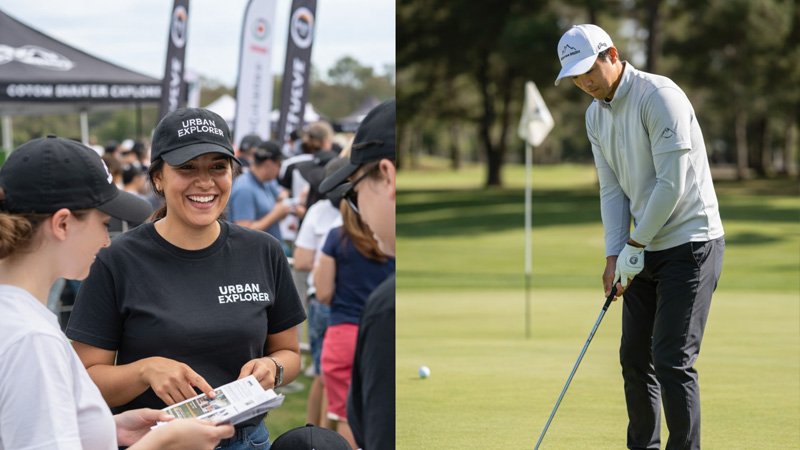
Before talking fabrics or embroidery, clarify the usage scenario. This single step prevents most sourcing mistakes.
-
Retail / fashion drops: focus on silhouette, hand-feel, stitching details, label/trim upgrades, consistency across sizes.
-
Promotional / events: prioritize cost control, fast production, clear logo visibility, easy sizing (adjustable).
-
Sports / outdoor: prioritize performance fabrics, breathability, sweat management, UV protection, durability.
-
Corporate uniforms: prioritize clean branding, stable color matching, long-term repeatability.
Once the use case is clear, you can narrow down: hat style, material, decoration, packaging, and QC standard.
2) Popular Hat Styles Buyers Source Most Often
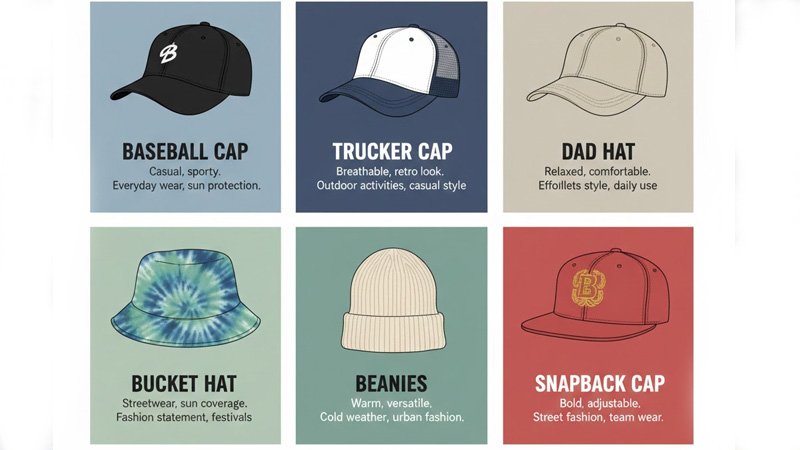
Different structures require different patterning and workmanship. Confirm style early—changing it later impacts cost, MOQ, and timing.
Common styles and what they’re best for:
-
Baseball Cap (6-panel / 5-panel): versatile; works for promotions and retail; stable across seasons.
-
Dad Cap (unstructured): casual look; softer crown; great for lifestyle brands.
-
Snapback (structured): flat brim and strong shape; popular in streetwear.
-
Trucker Cap (mesh back): breathable; great for summer events and outdoor work.
-
Bucket Hat: strong sun protection; trendy; fabric choice matters for comfort.
-
Beanie: winter staple; ideal for embroidery/patch; yarn and gauge affect quality.
Buyer tip: Ask the factory for a tech pack template early. A clear spec sheet (style, size, panels, closure, brim type, decoration, color references, packaging) reduces sampling rounds and prevents bulk mismatch.
3) Fabrics: What to Choose and Why It Matters
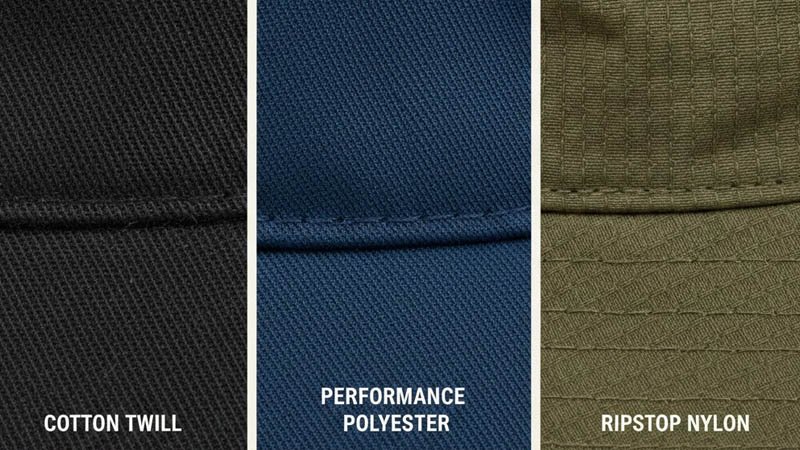
Fabric is not just “material”—it determines durability, colorfastness, embroidery quality, and how the hat holds its shape.
Common fabrics (and best use cases)
-
Cotton twill: classic, comfortable, easy to brand; widely used for caps.
-
Polyester (woven): durable, stable, often better color consistency; good for promotions and sports.
-
Nylon: lightweight and quick-dry; good for performance hats.
-
Mesh (polyester): ventilation for trucker styles; confirm mesh stiffness and hole density.
-
Corduroy: premium texture; great for fashion; can affect embroidery sharpness.
-
Wool / wool blend: premium look for colder seasons; confirm shrink control.
-
Canvas: rugged, structured feel; good for workwear-inspired looks.
What buyers should confirm
-
GSM/weight (fabric thickness): affects structure and embroidery performance.
-
Color matching method: Pantone reference, lab dips, or fabric dye lot control.
-
Colorfastness expectations: especially for dark colors and outdoor use.
-
Shrink/shape stability: critical for structured hats and repeat orders.
Buyer tip: If you want consistent long-term results, request a golden sample (approved benchmark) and ensure it’s used to validate every repeat order.
4) Embroidery & Decoration: Choosing the Right Method
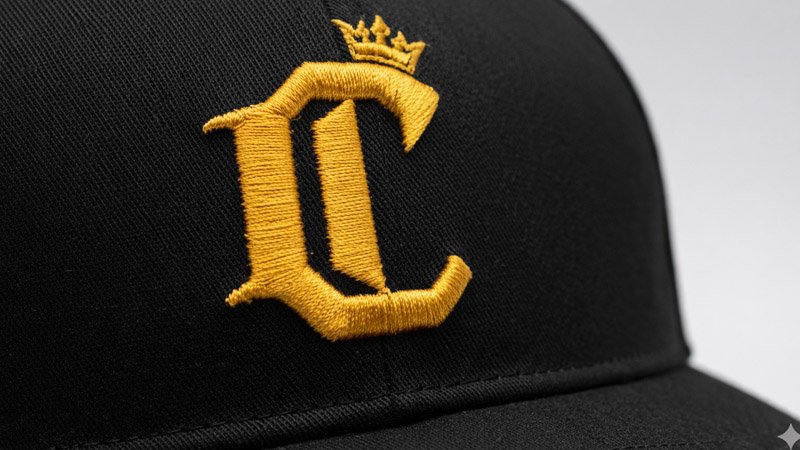
Decoration is where brands win—or lose. The same logo can look premium or cheap depending on method, thread choice, stitch density, and placement control.
Most used decoration options
-
Flat embroidery: clean and classic; good for most logos.
-
3D embroidery (puff): bold, premium look; works best for simpler shapes and thicker outlines.
-
Appliqué / patches (woven/embroidered/leather): premium layering; great for complex logos.
-
Woven labels / metal logos: strong for high-end branding; adds perceived value.
-
Screen print / heat transfer: works for very detailed artwork or gradients; check durability requirements.
What to specify for embroidery quality
-
Digitizing standard: ask for a stitch file preview or test sew-out.
-
Stitch density & thread type: impacts clarity and durability.
-
Backing and reinforcement: affects comfort and longevity.
-
Placement tolerance: define acceptable deviation (e.g., logo center offset tolerance).
Buyer tip: Always approve embroidery based on real sew-out photos/videos and ideally a physical sample—not just digital mockups.
5) MOQ: What It Usually Means (and How to Plan It)

MOQ varies by factory capability and by the complexity of your customization.
Typical drivers of MOQ:
-
Number of colors and custom fabric requirements
-
Special trims (custom buckles, labels, tapes)
-
Complex embroidery or multiple decoration positions
-
Packaging customization (barcode, hangtag kits, retail-ready packing)
How to reduce MOQ pressure:
-
Use stock fabric colors rather than custom dye.
-
Standardize closures and trims across multiple designs.
-
Consolidate multiple SKUs into one production run (same fabric, different embroidery).
Best practice: Your RFQ should clearly state:
-
target quantity per style/color
-
expected reorder frequency
-
target ship date
-
delivery country (affects logistics planning)
6) Lead Times: Sampling vs. Bulk Production
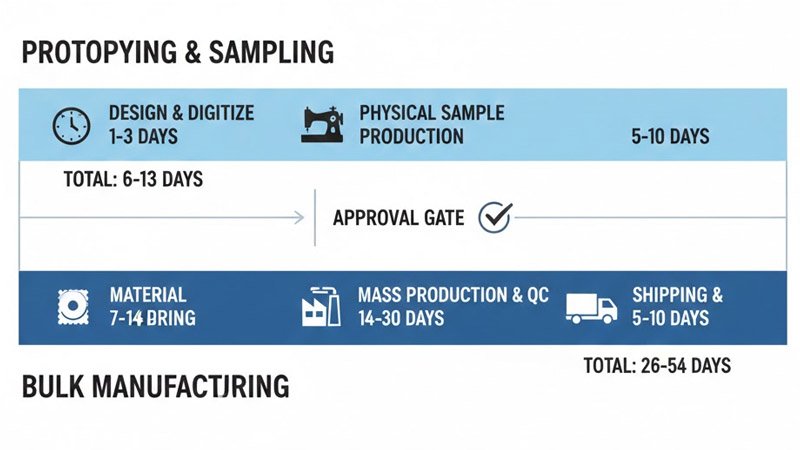
Lead time is often misunderstood because buyers mix up sample timelines with bulk timelines.
Sampling timeline (typical workflow)
-
Confirm tech pack & artwork
-
Embroidery digitizing + test sew
-
Sample sewing + finishing
-
Sample review + revisions (if needed)
Bulk production timeline (typical workflow)
-
Material procurement
-
Cutting & embroidery/printing
-
Sewing assembly
-
Washing/finishing (if required)
-
Final QC + packing
-
Shipment dispatch
What causes delays most often:
-
late artwork approval or unclear logo specs
-
fabric color approvals (Pantone matching / lab dips)
-
frequent sample revisions due to missing requirements
-
peak season factory capacity
-
packaging details confirmed too late
Buyer tip: For time-sensitive projects, lock these early:
7) Quality Control: The Checkpoints That Protect Your Brand
If you want premium results, quality control cannot be an afterthought. It must be built into the process.
A practical QC checklist (high-impact items)
Material
-
fabric defects, color deviation, shrink risk
-
sweatband comfort and stitching stability
Construction
-
crown shape consistency
-
brim curvature & stiffness uniformity
-
seam alignment, panel symmetry
-
closure durability (buckle/velcro/snap)
Branding
-
embroidery clarity, thread breaks, loose ends
-
logo position tolerance
-
patch edge finishing and adhesion (if used)
Finishing & packing
-
stains, oil marks, crush damage
-
packaging correctness (barcode, hangtag placement)
-
carton markings and quantity accuracy
Buyer tip: Ask for in-process inspection photos (not just final packing photos). Problems are cheaper to fix mid-production than after everything is packed.
When evaluating a manufacturer, the goal isn’t just a low unit price. It’s repeatable quality, stable delivery, and a process that reduces risk.
Look for:
-
strong sampling execution (pattern + embroidery + finishing)
-
clear process milestones and communication
-
ability to scale without quality dropping
-
documented QC standards and accountability
-
flexibility for OEM/ODM development (not only copying existing styles)
9) Manufacturer Spotlight: GUANGZHOU EASTLUCKY Hat & Garment Co., Ltd.
If you’re building a premium hat program and need a reliable OEM/ODM partner, here is who we are:
GUANGZHOU EASTLUCKY Hat & Garment Co., Ltd. is a high-end custom hat and OEM/ODM manufacturer based in Guangzhou, China, with 15 years of expertise in professional R&D, production, and distribution of various hats and embroidered accessories. Guided by the philosophy “Quality as Root, Innovation as Soul,” we provide global clients with one-stop solutions from design sampling to mass production—enabling efficient and high-quality supply chain services for brands.
In practice, that means we focus on:
-
R&D-driven sampling that aligns with real bulk production
-
embroidery and detail execution to support premium positioning
-
process-based quality control to improve consistency over repeat orders
-
OEM/ODM support for brands that require development, not just basic sourcing
10) A Buyer’s RFQ Template (Copy & Paste)
To get faster quotes and fewer misunderstandings, send your supplier this information:
-
Hat style (e.g., 6-panel structured cap / bucket hat / beanie)
-
Material (or request recommendations)
-
Logo file (AI/PDF preferred) + decoration method (flat/3D embroidery, patch, print)
-
Placement details (front/side/back, size in cm or inches)
-
Quantity per color + total quantity
-
Target ship date + destination country/port
-
Packaging requirements (bulk / retail-ready / barcode/hangtag/FBA-ready)
-
Any quality requirements (color matching, logo tolerance, inspection expectations)
Conclusion: Buy Like a Pro, Build Like a Premium Brand
A successful custom hat project is not just about picking a style. It’s about aligning fabric, decoration, MOQ, lead time planning, and quality control into one repeatable system. When these elements are managed well, you get consistent bulk production, fewer revisions, and a stronger brand product experience.
If you’re planning a custom hat line—or upgrading your existing supplier standard—choose a partner who can deliver both manufacturing capability and process discipline, not just a low quote.
Ready to Start Your Custom Hat Project?
If you share your logo, target quantity, and delivery timeline, we can help recommend the most suitable hat style, materials, and decoration method—then support you from sampling to mass production with stable quality control.
(Add your preferred contact method or inquiry form link here.)