Embroidery vs. Screen Printing for Custom Caps: A Complete Guide for Bulk Buyers
When ordering custom caps in bulk, choosing the right logo decoration method is just as important as choosing the cap style, fabric or color. The logo is the first thing people notice, and it directly affects how professional, durable and valuable your custom cap looks.
Two of the most common logo decoration methods are embroidery and screen printing. Both can be used for branding, but they are not suitable for the same designs, materials or business purposes.
For most custom caps, embroidery is the more popular and recommended choice because it creates a raised, textured and long-lasting logo effect on structured hat panels. Screen printing is better for large, colorful and flat designs, especially on T-shirts, tote bags and some promotional fabric products.
In this complete guide, we will explain the differences between embroidery and screen printing, compare their advantages, and help bulk buyers choose the best logo method for custom caps.
Quick Answer: Which Method Is Better for Custom Caps?
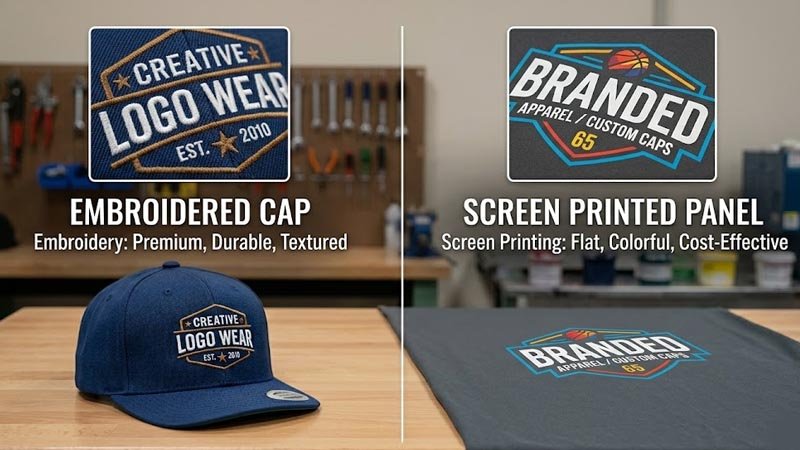
For most custom caps, embroidery is usually better than screen printing.
Embroidery works well on baseball caps, snapback hats, golf caps, trucker hats and uniform caps because it creates a premium and durable logo. It is especially suitable for company logos, team emblems, brand names and small to medium-sized artwork.
Screen printing is more suitable for flat fabric surfaces, large graphics and colorful promotional designs. It can be used on some cap panels, but it is usually less suitable for curved, textured or highly structured cap surfaces.
For custom caps, buyers often choose:
Flat embroidery for clean corporate logos;
3D puff embroidery for bold streetwear logos;
Woven patches for detailed logos and small text;
Embroidered patches for a textured and premium look;
Screen printing for simple flat designs or promotional projects.
What Is Embroidery?
Embroidery is a decoration method that uses colored threads to stitch a logo or design directly onto fabric. The result is a raised, textured and durable logo effect.
Before production, the logo artwork is converted into a digital embroidery file. This process is called digitizing. The embroidery machine then follows this file and stitches the design onto the cap panel.
Embroidery is one of the most popular logo methods for custom caps because it looks professional, feels premium and lasts for a long time.
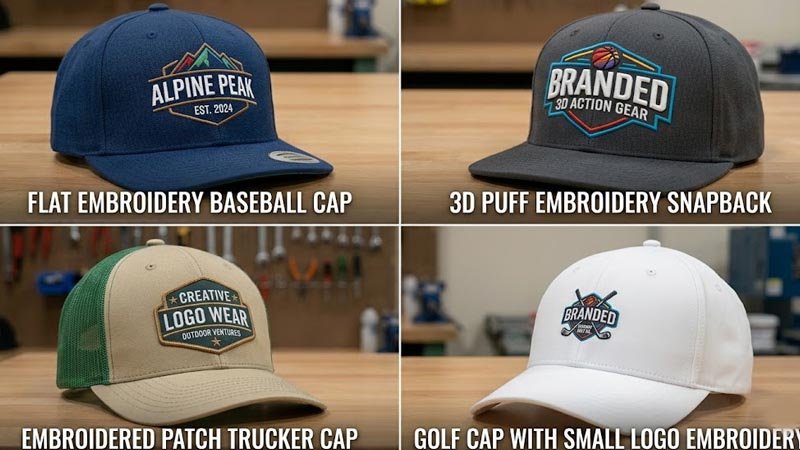
Custom caps are different from T-shirts or tote bags. A cap usually has a curved crown, structured front panels, seams, stitching lines and different fabric thicknesses. These details make logo decoration more challenging.
Embroidery works well on caps because the thread becomes part of the fabric surface. It can hold its shape on structured panels and create a strong visual effect.
Embroidery is commonly used for:
Baseball caps;
Snapback caps;
Golf caps;
Trucker caps;
Dad hats;
5-panel caps;
Bucket hats;
Workwear caps;
Team caps;
Corporate uniform caps.
Advantages of Embroidery
1. Premium and Professional Appearance
Embroidery gives custom caps a high-end look. The raised thread texture makes the logo stand out and creates a more valuable brand impression.
This is why many companies, golf clubs, sports teams, fashion brands and corporate buyers choose embroidered caps for their branding projects.
2. Excellent Durability
Embroidered logos are stitched directly into the fabric, so they do not peel or crack. Compared with many printed designs, embroidery can better withstand regular use, handling and washing.
For caps that will be worn frequently, embroidery is a reliable long-term choice.
3. Strong Brand Recognition
Embroidery is ideal for logos, letters, emblems and simple icons. A clean embroidered logo can make a cap look more professional and easier to recognize.
For brands that care about image and quality, embroidery is often the first choice.
4. Suitable for Many Cap Styles
Embroidery can be applied to many cap types, including structured caps, unstructured caps, cotton caps, twill caps, denim caps and polyester caps.
Different embroidery techniques can also create different styles, from clean corporate branding to bold streetwear designs.
Limitations of Embroidery
Although embroidery is very suitable for custom caps, it is not perfect for every design.
Embroidery may not be ideal for:
Very small text;
Thin lines;
Complex gradients;
Photo-like artwork;
Large filled areas;
Extremely detailed patterns.
The cost of embroidery is usually affected by stitch count. A larger or more complex logo requires more stitches, which increases production time and cost.
For detailed artwork, a woven patch or printed label may sometimes be a better option.
Common Embroidery Options for Custom Caps
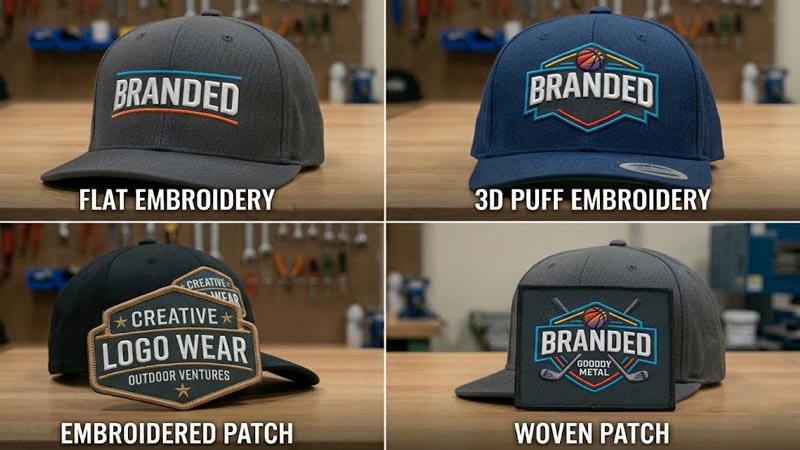
Flat Embroidery
Flat embroidery is the most common embroidery method. The logo is stitched flat onto the cap surface. It is suitable for company logos, text, simple icons and professional branding.
Best for:
Corporate caps;
School caps;
Event caps;
Golf caps;
Uniform caps.
3D Puff Embroidery
3D puff embroidery uses foam under the stitches to create a raised three-dimensional effect. It is popular for snapback caps, streetwear caps and bold logo designs.
Best for:
Large letters;
Bold logos;
Sports caps;
Fashion caps;
Streetwear brands.
However, 3D puff embroidery is not suitable for very thin lines or small detailed text.
Embroidered Patch
An embroidered patch is made separately and then sewn or heat-applied onto the cap. It creates a strong textured look and is suitable for vintage, outdoor or fashion-style caps.
Best for:
Outdoor brands;
Lifestyle brands;
Retail caps;
Promotional collections.
Woven Patch
A woven patch is made with finer threads than embroidery, so it can show smaller details and clearer text. It is a good choice when the logo is too detailed for direct embroidery.
Best for:
Small text;
Detailed logos;
Label-style branding;
Retail-ready caps.
What Is Screen Printing?
Screen printing is a decoration method that uses ink and a mesh screen to transfer the design onto fabric. Each color usually needs a separate screen.
The final effect is smooth, flat and colorful. Screen printing is very popular for T-shirts, hoodies, tote bags and promotional apparel.
For caps, screen printing can be used in some cases, but it depends on the cap material, panel structure and logo design.
Advantages of Screen Printing
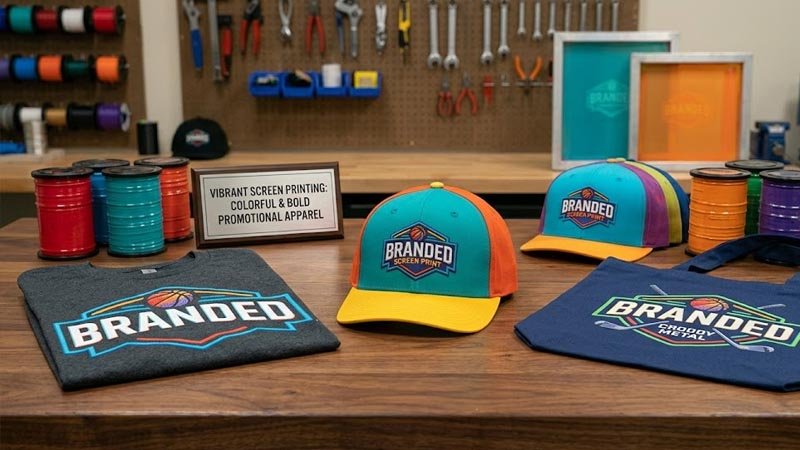
1. Good for Large Graphic Designs
Screen printing works well for large graphics, bold text and simple flat artwork. If the design covers a wide area and does not need a raised texture, screen printing can be a practical choice.
2. Bright and Vibrant Colors
Screen printing can create strong and eye-catching colors. It is suitable for promotional designs that need high visual impact.
3. Cost-Effective for Large Quantities
For large orders with the same design, screen printing can be cost-effective because the setup cost is spread across the whole order.
This makes it popular for event merchandise, promotional apparel and large-volume campaigns.
4. Smooth Surface Feel
Unlike embroidery, screen printing does not add thread texture. The design stays flat on the fabric, which is suitable for some casual or lightweight products.
Limitations of Screen Printing on Caps
Screen printing is not always the best choice for caps because caps are not completely flat. Structured cap panels, curved surfaces, seams and textured fabrics can make printing more difficult.
Screen printing may not be ideal for:
Mesh trucker caps;
Highly curved front panels;
Thick or textured fabrics;
Small detailed logos on curved surfaces;
Premium brand caps that need a raised logo effect.
Printed logos may also fade or crack over time if the ink quality, curing process or washing care is not good.
Embroidery vs. Screen Printing: Key Differences
| Factor |
Embroidery |
Screen Printing |
| Logo Effect |
Raised, textured, premium |
Flat, smooth, colorful |
| Best For |
Custom caps, uniforms, polos, jackets |
T-shirts, tote bags, flat fabric products |
| Durability |
Very high |
Medium to high |
| Design Style |
Simple logos, text, emblems |
Large graphics, colorful designs |
| Color Performance |
Good for solid colors |
Good for vibrant and multicolor designs |
| Detail Level |
Limited for tiny details |
Better for fine graphics on flat surfaces |
| Cost Factor |
Stitch count, logo size, complexity |
Number of colors, screens, print area |
| Best Order Type |
Premium branding and long-term use |
Bulk promotional printing |
| Cap Compatibility |
Very strong |
Limited by surface and material |
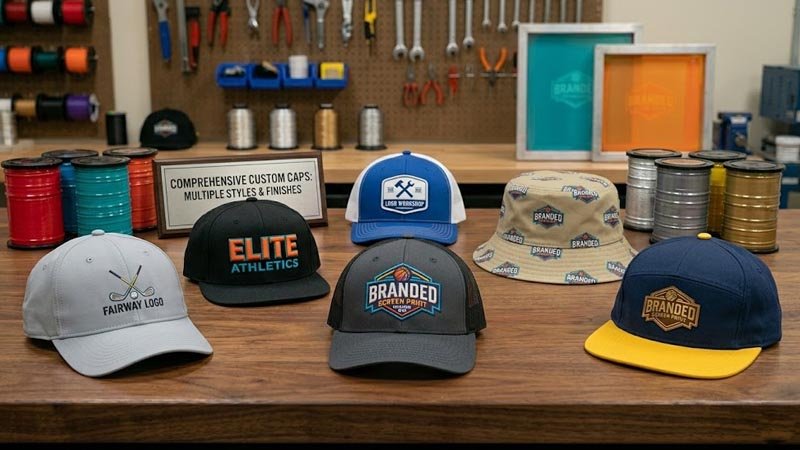
Baseball Caps
Baseball caps are one of the best products for embroidery. Flat embroidery is ideal for clean logos, while 3D puff embroidery works well for bold front designs.
Recommended methods:
Flat embroidery;
3D puff embroidery;
Embroidered patch;
Woven patch.
Snapback Caps
Snapback caps are often used for streetwear, sports and fashion brands. Their structured front panels are perfect for bold embroidery.
Recommended methods:
3D puff embroidery;
Flat embroidery;
Woven patch;
Rubber patch.
Trucker Caps
Trucker caps usually have a foam, cotton or twill front panel with mesh back panels. Embroidery or patches are usually applied to the front panel.
Recommended methods:
Flat embroidery;
Embroidered patch;
Woven patch;
Leather patch.
Screen printing is usually not recommended on the mesh back.
Golf Caps
Golf caps often require a clean, premium and professional logo. Flat embroidery is usually the best option.
Recommended methods:
Flat embroidery;
Small side embroidery;
Woven label;
Subtle back logo embroidery.
Bucket Hats
Bucket hats can use embroidery for small front logos or side logos. For casual fashion designs, printing may also be used depending on the fabric.
Recommended methods:
Flat embroidery;
Woven patch;
All-over printing;
Small screen printing.
5-Panel Caps
5-panel caps often have a flatter front panel, which allows more decoration flexibility.
Recommended methods:
Flat embroidery;
Woven patch;
Screen printing;
Heat transfer logo.
Logo placement also affects the final look and production method.
Front Panel
The front panel is the most common position for main branding. It is best for embroidery, 3D puff embroidery and patches.
Side Panel
Side embroidery is suitable for small logos, flags, slogans or secondary branding.
Back Panel
The back panel can be used for a website, short slogan, brand name or small embroidered logo.
Brim
The brim can be decorated with small embroidery, woven labels or printed details, depending on the design.
Inner Tape and Sweatband
For private label and retail brands, inner tape and sweatband customization can help create a complete branded product.
How to Choose Based on Your Logo Design
Choose embroidery if your logo has:
Simple lines;
Solid colors;
Clear text;
Small to medium size;
Professional brand style;
Long-term use requirements.
Choose screen printing if your logo has:
Large flat graphics;
Many colors;
Gradients;
Fine artwork;
Promotional style;
A large printing area.
Choose woven patch if your logo has:
Small text;
Detailed patterns;
Thin lines;
Label-style design;
Retail branding needs.
Choose 3D puff embroidery if your logo has:
Bold letters;
Thick lines;
Simple shapes;
Streetwear style;
Strong visual impact.
Cost Comparison for Bulk Buyers
For bulk buyers, cost is always an important factor. However, the cheapest method is not always the best choice. The right method should match the product value, brand image and usage purpose.
What Affects Embroidery Cost?
Embroidery cost is mainly affected by:
Stitch count;
Logo size;
Embroidery area;
Thread colors;
Flat or 3D puff embroidery;
Cap structure;
Order quantity.
A larger filled logo usually costs more because it needs more stitches and more machine time. Even if the logo uses only one color, a large design may still cost more than a small multi-color design.
What Affects Screen Printing Cost?
Screen printing cost is mainly affected by:
Number of colors;
Number of screens;
Printing size;
Ink type;
Fabric type;
Setup cost;
Order quantity.
For screen printing, each color normally requires a separate screen. This means a multi-color design may have a higher setup cost.
Which Is More Cost-Effective?
For premium custom caps, embroidery is usually worth the investment because it improves the product’s perceived value.
For large-volume promotional apparel or simple flat designs, screen printing may be more cost-effective.
For detailed logos on caps, woven patches may offer a good balance between cost, detail and appearance.
Recommended Logo Method by Buyer Type
| Buyer Type |
Recommended Method |
| Corporate Uniform Buyers |
Flat embroidery |
| Sports Teams |
Flat embroidery or 3D puff embroidery |
| Streetwear Brands |
3D puff embroidery or woven patch |
| Golf Clubs |
Flat embroidery |
| Outdoor Brands |
Embroidered patch or leather patch |
| Event Companies |
Simple embroidery or screen printing |
| Retail Fashion Brands |
Woven patch, embroidered patch or 3D embroidery |
| Schools and Clubs |
Flat embroidery |
| Promotional Gift Buyers |
Embroidery for caps, screen printing for apparel |
Common Mistakes to Avoid Before Production
1. Using Embroidery for Very Small Text
Small text may not be clear when embroidered. If the letters are too tiny, a woven patch may be better.
2. Choosing 3D Puff Embroidery for Thin Lines
3D puff embroidery needs bold shapes. Thin lines and small details may not work well.
3. Ignoring the Cap Surface
Caps have curved panels and seams. A design that looks good on a flat screen may not work perfectly on a cap.
4. Making the Logo Too Large
A very large embroidered logo can make the front panel stiff or cause slight puckering. Proper logo sizing is important.
5. Not Checking a Sample
For bulk orders, it is always better to check a sample before mass production. This helps confirm logo size, color, placement and final effect.
Factory Recommendation
From a factory perspective, the best logo method should be selected after checking the logo artwork, cap structure, fabric type, order quantity and target market.
As a Guangzhou-based high-end custom hat and OEM/ODM manufacturer with 15 years of experience, GUANGZHOU EASTLUCKY Hat & Garment Co., Ltd. supports global brands from design sampling to mass production. With professional R&D, production and distribution capabilities, EASTLUCKY helps buyers choose suitable decoration methods such as flat embroidery, 3D puff embroidery, woven patches, embroidered patches, screen printing and other custom solutions.
For bulk buyers, working with an experienced custom cap factory can reduce production risks, improve logo quality and ensure more consistent results from sample to mass production.
Final Recommendation: Embroidery or Screen Printing?
If you are ordering custom caps, embroidery is usually the better choice for most projects. It is durable, professional and suitable for structured cap panels.
Choose embroidery if you want:
A premium logo effect;
Long-lasting branding;
Custom caps for uniforms;
Corporate or team caps;
A professional product image.
Choose screen printing if you want:
Large flat graphics;
Colorful promotional designs;
Cost-effective bulk printing;
Designs on flatter fabric products;
Casual event merchandise.
For many custom cap projects, buyers may also consider woven patches, embroidered patches or 3D puff embroidery depending on the logo and brand style.
The best choice is not always one single method. It depends on your design, cap style, fabric, budget and target market.
Conclusion
Embroidery and screen printing are both useful decoration methods, but they serve different purposes.
For custom caps, embroidery is usually the preferred option because it offers a raised, durable and premium logo effect. It works especially well on baseball caps, snapback caps, golf caps, trucker caps and uniform caps.
Screen printing is better for large, colorful and flat designs, especially on T-shirts, tote bags and some promotional fabric products. It can be used on certain cap styles, but it is more limited by fabric surface and cap structure.
For bulk buyers, the best solution is to review the logo artwork, cap material, order quantity and branding purpose before production. A professional custom cap manufacturer can help recommend the most suitable method and make sure the final product matches your brand image.
Is embroidery better than screen printing for caps?
Yes, embroidery is usually better for custom caps because it is more durable and works well on structured hat panels. It also gives the cap a more premium and professional look.
Can screen printing be used on caps?
Yes, screen printing can be used on some caps, especially when the fabric surface is flat and smooth. However, it is not always suitable for curved, textured or mesh areas.
What is the best logo method for snapback caps?
For snapback caps, 3D puff embroidery and flat embroidery are very popular. Woven patches are also a good option for detailed logos.
What is the best logo method for trucker caps?
For trucker caps, embroidery or patches are usually applied to the front panel. The mesh back is generally not suitable for embroidery or screen printing.
Is 3D puff embroidery good for all logos?
No. 3D puff embroidery works best for bold letters and simple shapes. It is not suitable for thin lines, small text or highly detailed artwork.
Which method is more durable?
Embroidery is generally more durable because the logo is stitched into the fabric. Screen printing can also last well, but it may fade or crack over time depending on ink quality and care.
Which method is more cost-effective for bulk orders?
Screen printing can be more cost-effective for large-volume flat printing projects. However, for custom caps, embroidery often provides better value because it improves the product’s quality and brand image.
What file format is needed for embroidery?
Usually, buyers can provide AI, PDF, EPS, PNG or JPG artwork. The factory will convert the logo into an embroidery file before production.
Can small text be embroidered on caps?
Small text can be embroidered if the size is large enough. If the text is too small, a woven patch may provide better clarity.
Should I make a sample before bulk production?
Yes. For bulk custom cap orders, making a sample is strongly recommended. It helps confirm logo size, thread color, placement, cap fit and overall quality before mass production.
Can Men Wear Women’s Baseball Caps? Fit & Unisex Cap Guide
Fashion is becoming more flexible than ever. Today, many people choose caps, clothing, and accessories based on fit, comfort, design, and personal style rather than whether a product is labeled “men’s” or “women’s.”
So, can men wear women’s baseball caps?
The answer is yes. Men can wear women’s baseball caps if the cap fits comfortably, suits their face shape, and matches their personal style. In many cases, the difference between men’s and women’s baseball caps is smaller than people think. The most important details are head size, crown depth, brim shape, back closure, fabric, and overall design.
For brands, retailers, and promotional product buyers, this question also leads to a bigger topic: unisex baseball caps. A well-designed unisex cap can work for both men and women, making it a practical choice for fashion collections, corporate gifts, event merchandise, and custom brand orders.
Can Men Really Wear Women’s Baseball Caps?
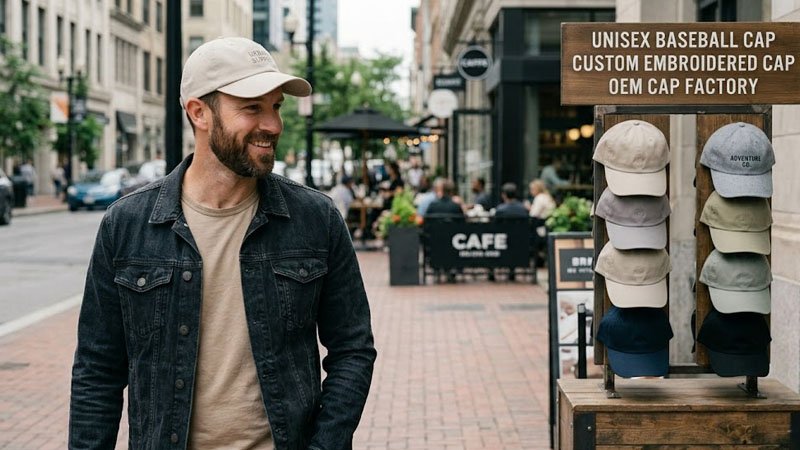
Yes, men can absolutely wear women’s baseball caps. The label on the cap is not as important as the way it fits and looks.
Many women’s baseball caps are built with the same basic structure as men’s caps. They usually include a crown, brim, sweatband, panels, eyelets, and an adjustable back closure. The difference often comes from sizing, color, decoration, and style positioning.
A women’s cap may be slightly smaller, softer, or lower in profile. A men’s cap may have a larger fit, higher crown, or more structured shape. However, many modern caps are designed with neutral colors, adjustable closures, and simple logo placement, which makes them suitable for both men and women.
If a man likes the style of a women’s baseball cap and the size is comfortable, there is no reason he cannot wear it.
Men’s vs. Women’s Baseball Caps: What Is the Difference?
Although the overall construction is similar, there are still a few differences between men’s and women’s baseball caps.
| Feature |
Women’s Baseball Cap |
Men’s Baseball Cap |
What It Means |
| Head Size |
Usually slightly smaller |
Usually slightly larger |
Men should check the size range before buying |
| Crown Height |
Often lower profile |
Usually medium or higher crown |
Crown depth affects comfort and face shape |
| Brim Shape |
May be narrower or more curved |
Usually standard or wider |
The difference is often subtle |
| Fit Type |
Commonly adjustable |
Adjustable or fitted |
Adjustable caps are easier for unisex wear |
| Design Style |
Softer colors, smaller logos, decorative details |
Neutral, sporty, bold, or structured designs |
Choose based on your style, not the gender label |
| Material |
Often soft cotton, washed fabric, or lightweight fabric |
Cotton, twill, canvas, polyester, or structured fabric |
Fabric affects comfort and shape |
In most daily situations, people will not notice whether a cap comes from the men’s or women’s section. They will notice whether it fits well, matches the outfit, and looks balanced.
How to Know If a Women’s Baseball Cap Will Fit a Man
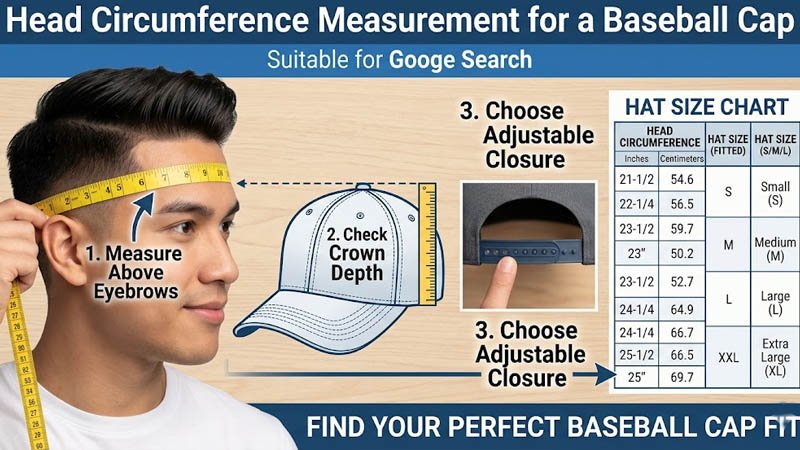
Fit is the most important factor when choosing any baseball cap. Even the best-looking cap will not work well if it feels too tight, too shallow, or uncomfortable.
1. Measure Your Head Size
Before buying a women’s baseball cap, measure your head circumference. Use a soft measuring tape and wrap it around the widest part of your head. The tape should sit above your eyebrows and around the back of your head.
Here is a simple size reference:
| Head Size |
Measurement in CM |
Measurement in Inches |
Fit Suggestion |
| Small |
54–56 cm |
21.25–22 in |
Low-profile or adjustable caps may fit well |
| Medium |
57–58 cm |
22.4–22.8 in |
Most adjustable caps should work |
| Large |
59–61 cm |
23.2–24 in |
Choose larger adjustable or structured caps |
| Extra Large |
62 cm+ |
24.4 in+ |
Avoid very shallow or small women’s caps |
If the cap is adjustable and fits within your head size range, it can be suitable for men.
2. Check the Back Closure
For men wearing women’s baseball caps, adjustable closures are usually the safest choice. They allow more flexibility and can fit a wider range of head sizes.
Common adjustable closures include:
- Metal buckle closure
- Fabric strap closure
- Snapback closure
- Velcro closure
- Plastic buckle closure
If you are buying caps for a group, event, or brand order, adjustable caps are usually better than fitted caps because they reduce sizing problems.
3. Look at the Crown Depth
The crown is the part of the cap that covers your head. Some women’s caps have a lower crown, which creates a softer and closer fit.
A low-profile cap can look stylish and casual, but it may not be suitable for men with larger heads or those who prefer a more structured shape.
A medium crown is often more versatile. It works well for both men and women and is commonly used in unisex baseball cap designs.
4. Consider the Brim Shape
Women’s caps may sometimes have a slightly narrower or more curved brim. However, in most cases, the difference is not very obvious.
A curved brim gives a classic casual look, while a flat brim creates a stronger streetwear style. If you want a more masculine or neutral look, choose a standard curved brim or a clean flat brim design.
Best Women’s Baseball Cap Styles That Men Can Wear
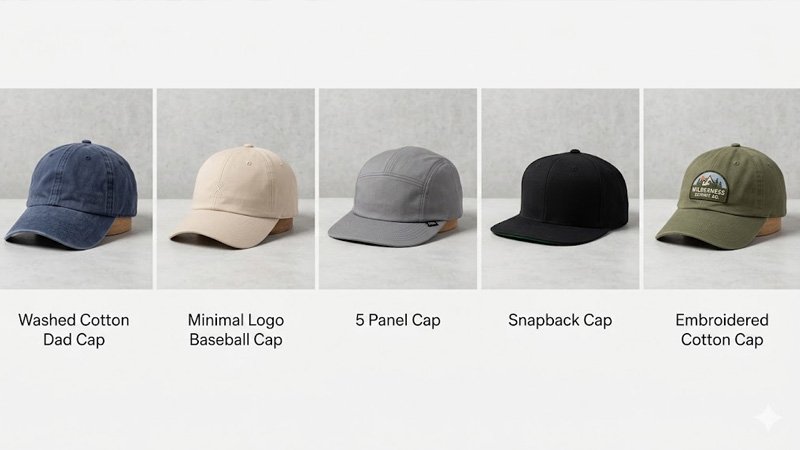
Not every women’s baseball cap will suit every man, but many styles are easy to wear. The following styles are especially suitable for men who want a comfortable, natural, or unisex look.
1. Washed Cotton Dad Cap
A washed cotton dad cap is one of the easiest styles for both men and women. It usually has a soft crown, curved brim, and adjustable back strap.
This style is casual, relaxed, and easy to match with daily outfits. It works well with T-shirts, hoodies, denim jackets, oversized shirts, joggers, and sneakers.
For brands, washed cotton dad caps are also popular for lifestyle merchandise, outdoor events, fashion collections, and promotional gifts.
2. Minimal Logo Baseball Cap
A women’s baseball cap with a small logo or simple embroidery can look clean and modern on men. Minimal designs are less gender-specific and easier to style.
Good color choices include:
- Black
- Navy
- Beige
- Grey
- Olive
- White
- Washed blue
- Khaki
Minimal logo caps are also suitable for brands that want a premium, understated look.
3. 5 Panel Cap / Camp Cap
A 5 panel cap or camp cap has a more modern and street-style appearance. Although some designs may be marketed to women, the structure itself is often unisex.
This cap style is suitable for outdoor brands, fashion labels, skate brands, music events, and lifestyle collections.
For customization, 5 panel caps work well with woven labels, small embroidery, printed logos, or rubber patches.
4. Snapback Cap
A snapback cap usually has a more structured crown and an adjustable plastic snap closure. If a women’s snapback has enough depth and size range, it can fit men very well.
Snapbacks are suitable for streetwear, sports teams, youth brands, and promotional campaigns. They are also a good choice for bold embroidery, 3D embroidery, or patch logo designs.
5. Embroidered Cotton Cap
A clean embroidered cotton cap can work for both men and women. Embroidery gives the cap a premium, durable, and professional look.
For men, simple front embroidery, side embroidery, or small back embroidery is often easier to wear than overly decorative designs. For brands, embroidered caps are a strong option because they help improve logo visibility and product value.
How Men Can Style a Women’s Baseball Cap
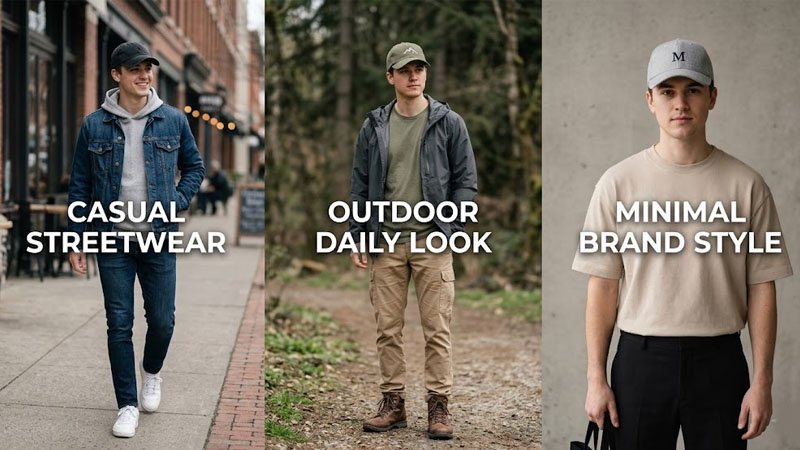
Wearing a women’s baseball cap is not difficult. The key is to choose the right color, shape, and outfit combination.
Choose Neutral or Low-Saturation Colors
If you want a natural and versatile look, start with neutral colors. Black, navy, beige, grey, olive, and khaki are easy to match and suitable for most wardrobes.
Soft colors such as cream, washed blue, or light brown can also work well if the overall design is simple.
Match It with Casual Outfits
Women’s baseball caps can look natural on men when paired with casual basics such as:
- Plain T-shirts
- Hoodies
- Denim jackets
- Bomber jackets
- Oversized shirts
- Cargo pants
- Joggers
- Sneakers
The simpler the outfit, the easier it is for the cap to blend in.
Avoid Overly Decorative Details If You Want a Neutral Look
Some women’s caps may include rhinestones, glitter, floral embroidery, bows, or very soft pastel designs. These styles can still be worn if they match your personality, but they may create a more feminine effect.
For a cleaner unisex style, choose plain fabric, simple embroidery, washed cotton, small logos, or neutral color combinations.
Choose the Right Crown for Your Face Shape
A low-profile cap can look good on smaller or longer faces. A medium crown usually works better for wider faces or larger head sizes. A structured cap creates a stronger shape, while a soft dad cap gives a relaxed and casual feeling.
The best cap should feel balanced with your face and outfit.
When a Women’s Baseball Cap May Not Be the Best Choice
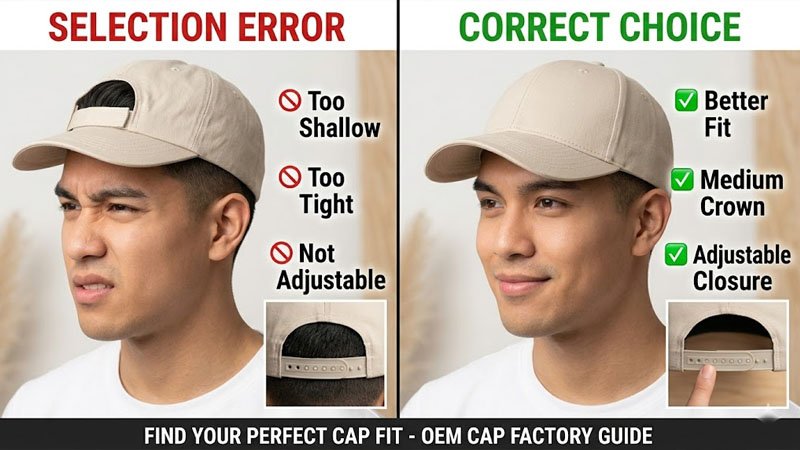
Although men can wear women’s baseball caps, not every style will be suitable. You may want to avoid a women’s cap if:
- The head circumference is too small
- The crown is too shallow
- The brim looks too narrow for your face
- The design is too decorative for your style
- The cap is not adjustable
- The fabric feels too thin or too soft
- The cap does not sit comfortably on your head
If comfort is your priority, always check the size chart, crown depth, and closure type before buying.
For Brands: Why Unisex Baseball Caps Are a Smart Choice
For brands, retailers, event organizers, and promotional product buyers, unisex baseball caps are often more practical than separating men’s and women’s styles.
A well-designed unisex cap can help brands:
- Reduce inventory pressure
- Simplify size selection
- Reach a wider audience
- Improve product flexibility
- Make bulk ordering easier
- Support both retail and promotional use
- Create a cleaner brand image
The best unisex baseball caps usually have a comfortable fit, adjustable closure, medium crown height, classic brim shape, durable stitching, and neutral color options.
GUANGZHOU EASTLUCKY Hat & Garment Co., Ltd. is a high-end custom hat and OEM/ODM manufacturer based in Guangzhou, China, with 15 years of expertise in professional R&D, production, and distribution of various hats and embroidered accessories. Guided by the philosophy “Quality as Root, Innovation as Soul,” the company provides global clients with one-stop solutions from design sampling to mass production, enabling efficient and high-quality supply chain services for brands.
For custom cap projects, details such as fabric, crown shape, brim style, embroidery size, thread color, back closure, label design, and packaging should all be confirmed before mass production.
Customization Tips for Unisex Baseball Caps
If your brand wants to develop baseball caps for both men and women, the following details are important.
1. Use an Adjustable Back Closure
An adjustable closure makes the cap suitable for more head sizes. Metal buckle, fabric strap, snapback, and Velcro closures are all common choices.
For brand merchandise or event giveaways, adjustable caps are usually better than fitted caps because they reduce the risk of size mismatch.
2. Choose a Medium Crown Height
A medium crown is usually the safest option for unisex baseball caps. It is not too shallow and not too tall, making it suitable for different head shapes.
If the cap is too shallow, it may not fit larger heads well. If it is too high, it may look too structured for customers who prefer a casual style.
3. Select Comfortable and Durable Fabric
Common fabric choices include:
- Cotton
- Cotton twill
- Washed cotton
- Polyester
- Canvas
- Blended fabric
Cotton is soft and breathable. Cotton twill gives better structure. Washed cotton creates a relaxed vintage look. Polyester is lightweight and suitable for sports or outdoor use.
The fabric should match the brand’s positioning and usage scenario.
4. Keep the Logo Clean and Clear
For unisex baseball caps, simple logo placement usually works best. Common logo options include:
- Front embroidery
- Side embroidery
- Back embroidery
- Woven patch
- Leather patch
- Rubber patch
- Printed logo
Embroidery is one of the most popular choices because it looks durable, textured, and professional. However, the logo should not be too small or too complicated, otherwise the embroidery details may not be clear.
5. Use Neutral and Market-Friendly Colors
For bulk orders, neutral colors are often safer and easier to sell. Popular choices include black, navy, white, beige, grey, olive, and khaki.
Brands can also develop seasonal colors, but the main collection should include easy-to-match colors that appeal to both men and women.
6. Confirm Samples Before Mass Production
Sample confirmation is very important for custom baseball caps. Before bulk production, brands should check:
- Cap shape
- Fabric quality
- Crown depth
- Brim curve
- Logo size
- Embroidery quality
- Thread color
- Back closure
- Label details
- Packaging method
This step helps avoid production mistakes and ensures the final caps match the brand’s expectations.
Common Mistakes When Choosing Unisex Baseball Caps
When developing or buying unisex baseball caps, some mistakes can affect comfort, appearance, and customer satisfaction.
Mistake 1: Only Choosing by Color
Color is important, but fit and structure matter more. A beautiful cap will not sell well if it feels uncomfortable.
Mistake 2: Using a Crown That Is Too Shallow
A very shallow crown may work for some women’s styles, but it may not fit many men. For unisex designs, a medium crown is usually more practical.
Mistake 3: Choosing Non-Adjustable Caps for Bulk Orders
For large orders, fitted caps can create sizing problems. Adjustable caps are more flexible and easier to distribute.
Mistake 4: Making the Logo Too Complicated
Small details may not show clearly in embroidery. A clean and simple logo usually creates a better result.
Mistake 5: Ignoring the Sample Stage
Skipping sample confirmation can lead to problems in fit, logo placement, embroidery quality, or fabric texture. A good sample helps reduce risk before mass production.
Conclusion: Fit Matters More Than Gender Labels
So, can men wear women’s baseball caps?
Yes. Men can wear women’s baseball caps as long as the cap fits well, feels comfortable, and matches their style. The label is not the most important factor. Head size, crown depth, brim shape, fabric, and back closure matter much more.
For individual wearers, the best choice is a cap that feels natural and looks balanced. For brands, unisex baseball caps are a smart option because they can serve a wider customer group and simplify bulk ordering.
In modern fashion, a good baseball cap is not defined by gender. It is defined by fit, comfort, quality, and confidence.
FAQs
Can men wear women’s baseball caps?
Yes. Men can wear women’s baseball caps if the cap fits comfortably and matches their style. Many women’s baseball caps are adjustable and can also fit men.
Are women’s baseball caps smaller than men’s?
Women’s baseball caps are often slightly smaller or lower in crown height, but this depends on the design. Adjustable caps can fit a wider range of head sizes.
What is the main difference between men’s and women’s baseball caps?
The main differences are usually head size, crown depth, color, decoration, and style positioning. The basic cap structure is often very similar.
Do women’s baseball caps look different on men?
Some may look slightly smaller or softer, especially if they have a low crown or decorative design. However, simple women’s caps with neutral colors can look very natural on men.
What type of women’s baseball cap is best for men?
Washed cotton dad caps, minimal logo caps, snapbacks, 5 panel caps, and adjustable embroidered caps are usually the easiest styles for men to wear.
Are unisex baseball caps better for brands?
Yes. Unisex baseball caps are often better for brands because they fit a wider audience, reduce inventory pressure, and make bulk orders easier.
Is embroidery suitable for unisex baseball caps?
Yes. Embroidery is a popular choice for unisex baseball caps because it looks professional, durable, and suitable for fashion, retail, and promotional use.
What should brands check before ordering custom unisex caps?
Brands should check the fabric, crown height, brim shape, logo size, embroidery quality, closure type, label details, and packaging before mass production.
Why Men Look Better in Hats: Style, Confidence, and How to Choose the Right Hat
A hat is often one of the first details people notice. Before someone pays attention to your shoes, watch, or even the logo on your shirt, a well-chosen hat can shape your first impression.
It can make a man look more relaxed, sporty, refined, creative, confident, or adventurous. That is why many men look better in hats — not because every hat works for everyone, but because the right hat adds structure, personality, and intention to an outfit.
A hat is more than a practical item for sun, rain, or cold weather. It is also a style tool. It frames the face, completes the outfit, and communicates something about the wearer’s lifestyle and confidence.
From baseball caps and beanies to bucket hats, fedoras, cowboy hats, and outdoor hats, every style has its own message. The key is knowing which hat fits your face, your outfit, your occasion, and your personality.
In this guide, we will explore why men often look better in hats, what different hat styles say, how hats influence confidence, and how to choose the right hat for your look.
Why the Right Hat Makes Men Look Better
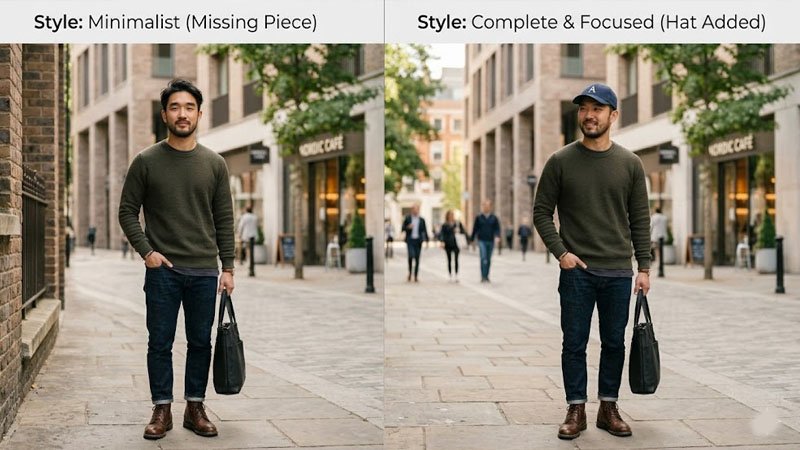
A good hat can improve a man’s overall appearance because it adds a clear focal point to the outfit.
When styled well, a hat can:
Frame the face
Balance head and body proportions
Add personality to simple clothing
Make casual outfits look more intentional
Create a stronger first impression
Show confidence and personal taste
Many men wear simple outfits: T-shirts, jeans, hoodies, jackets, or casual shirts. A hat can instantly make these looks feel more complete. For example, a clean baseball cap can make a basic T-shirt and jeans look sporty and relaxed. A beanie can make a winter outfit look warmer and more stylish. A fedora can turn a simple smart-casual outfit into something more polished.
The hat does not need to be loud. In fact, the best hat choices often look natural. They do not feel like the man is trying too hard. They simply make the outfit look finished.
That is the real reason hats work so well: they create intention.
A man who wears the right hat looks like he understands his style.
Hats and Confidence: Why They Change First Impressions
Confidence plays a big role in why men look better in hats.
When a man wears a hat comfortably, it can make him appear more self-assured. A hat shows that he is willing to add character to his look. It suggests he is not afraid to be noticed, but also not desperate for attention.
The right hat can make a man look:
More stylish
More relaxed
More approachable
More mature
More interesting
More memorable
But confidence does not come from the hat alone. It comes from the relationship between the hat and the wearer.
A hat that fits well gives a polished impression.
A hat that matches the outfit creates harmony.
A hat that suits the occasion looks natural.
A hat that reflects personality feels authentic.
This is why one man may look great in a snapback while another looks better in a fedora or a beanie. The best hat is not always the trendiest one. It is the one that feels right for the person wearing it.
A good hat should support your confidence, not cover up your insecurity.
What Different Hats Say About a Man’s Personality
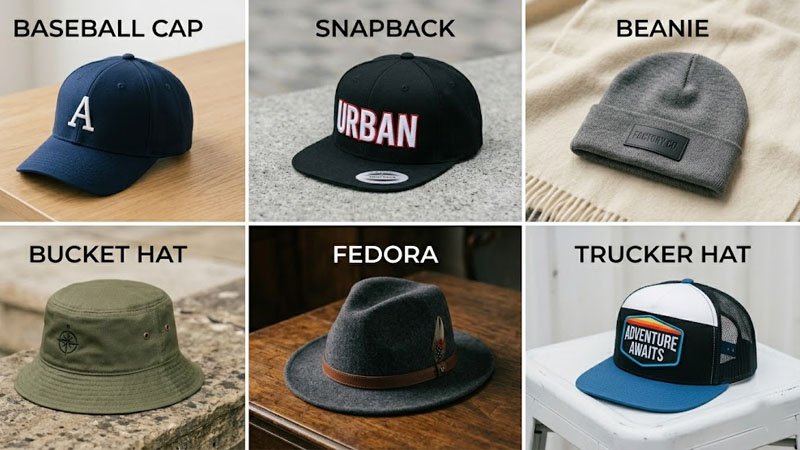
Every hat style communicates something different. This is one reason hats are such powerful accessories. They help men express personality without saying anything.
Baseball Caps
Baseball caps are casual, practical, and easy to wear. They are one of the most popular hat styles for men because they work with many everyday outfits.
A baseball cap often suggests that a man is relaxed, active, sporty, and approachable. It works well for weekends, travel, outdoor activities, casual work environments, sports, and streetwear-inspired outfits.
Baseball caps are also one of the most common choices for custom branding because they are wearable, familiar, and suitable for many groups and industries.
Snapbacks
Snapbacks usually feel more urban and bold. With their structured crown, flat brim, and adjustable back, they are strongly connected with streetwear, youth culture, sports, and music.
A snapback can make a man look confident, trendy, and energetic. It is a good choice for men who enjoy bold casual fashion and want their outfit to feel more expressive.
Beanies
Beanies are simple, warm, and stylish in colder weather. They are often associated with streetwear, creative lifestyles, and relaxed winter dressing.
A beanie can make a man look casual, artistic, and easygoing. It works especially well with hoodies, denim jackets, bomber jackets, wool coats, and layered outfits.
Bucket Hats
Bucket hats have become popular again because of streetwear, travel fashion, festivals, and outdoor lifestyles. They feel youthful, fun, and slightly playful.
A bucket hat can make a man look relaxed, fashionable, and trend-aware. It is also practical for sun protection, making it a good choice for summer activities, beachwear, travel, and outdoor events.
Fedoras and Trilby Hats
Fedoras and trilby hats create a more polished and classic impression. They are often connected with elegance, vintage style, and confidence.
These hats work best when the outfit is already smart or semi-formal. They pair well with coats, blazers, button-up shirts, boots, and tailored clothing.
However, these hats need to be worn carefully. If the outfit is too casual or the hat does not fit well, the look can feel forced. A fedora should feel natural, not like a costume.
Cowboy Hats
Cowboy hats are bold and full of character. They represent independence, outdoor life, western culture, strength, and tradition.
A man wearing a cowboy hat makes a clear statement. This hat style is best suited for people who genuinely connect with western fashion, country culture, outdoor lifestyles, or rugged personal style.
Outdoor and Performance Hats
Fishing hats, hiking hats, golf caps, running caps, and performance hats are designed for function. They protect from sun, sweat, wind, or light rain while supporting an active lifestyle.
These hats make a man look practical, outdoorsy, energetic, and prepared. They are especially suitable for sports, travel, hiking, camping, fishing, golf, and outdoor work.
Function Meets Style: Why Men Wear Hats in Daily Life

Men do not wear hats only because they look good. Hats are also practical.
A good hat can protect, comfort, and support the wearer in different environments.
Sun Protection
On sunny days, hats help protect the face, eyes, and head from direct sunlight. Baseball caps, bucket hats, fishing hats, hiking hats, and wide-brimmed hats are especially useful outdoors.
They are ideal for:
Golf
Fishing
Hiking
Running
Beach trips
Travel
Outdoor work
Sports events
Summer promotions
A hat can make outdoor activities more comfortable while still adding style.
Cold Weather Warmth
In winter, beanies, knitted hats, and wool caps help keep the head and ears warm. They are easy to wear and can add texture to cold-weather outfits.
A simple beanie can turn a basic jacket-and-jeans outfit into something more complete and stylish.
Sports and Movement
For active men, hats are often essential. A cap can keep sunlight and sweat out of the eyes during running, training, golf, tennis, baseball, or outdoor exercise.
This is why caps are so closely connected with energy, movement, and athletic confidence.
Work and Team Identity
Hats are also useful in workplaces, teams, and events. Staff caps, chef hats, outdoor work hats, promotional caps, and branded hats can help create a unified look.
For companies and organizations, hats are not just accessories. They can support brand visibility, team identity, and professional presentation.
How to Choose the Right Hat for Your Face Shape
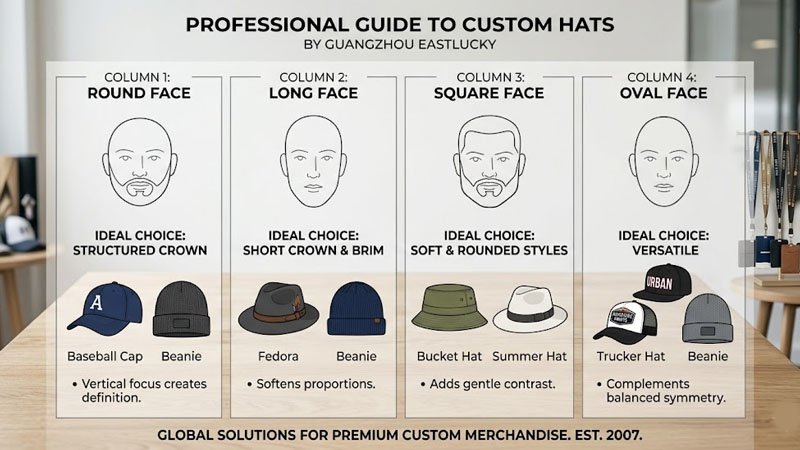
One reason some men look better in hats than others is simple: they choose styles that fit their face shape.
The right hat can balance your features. The wrong hat can make your face look wider, longer, or less proportionate.
Round Face
Men with round faces usually look better in hats with more structure and height.
Good choices include:
Structured baseball caps
Snapbacks
Fedoras
Trucker hats
Hats with a slightly higher crown
These styles can help add length and definition to the face.
Avoid hats that sit too low or look too soft, as they may make the face appear rounder.
Long Face
Men with long faces should avoid hats with very tall crowns, because they can make the face look even longer.
Good choices include:
Low-profile caps
Bucket hats
Beanies
Dad hats
Medium-brim hats
These styles help create balance and avoid adding too much height.
Square Face
Men with square faces often have strong jawlines and angular features. Softer hat shapes can help balance the look.
Good choices include:
Beanies
Bucket hats
Curved-brim caps
Soft dad hats
Rounder crown shapes
Avoid overly sharp or boxy hat shapes if you want a softer overall appearance.
Oval Face
Men with oval faces usually have the most flexibility. Many hat styles can work well, including baseball caps, beanies, fedoras, bucket hats, and snapbacks.
The main focus should be outfit, occasion, and personal style rather than face shape alone.
How to Match Hats with Outfits
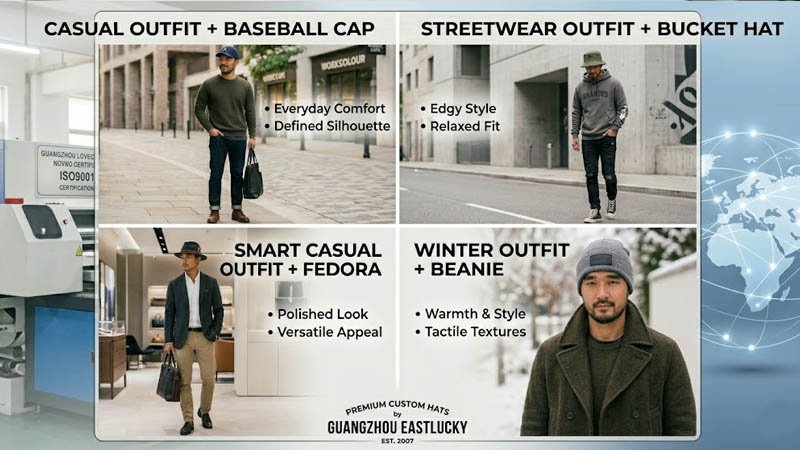
A hat should not feel separate from the outfit. It should feel like part of the full look.
Casual Outfits
For T-shirts, jeans, hoodies, shorts, and casual jackets, the easiest choices are:
Baseball caps
Dad hats
Snapbacks
Beanies
Bucket hats
These styles feel natural and relaxed.
Streetwear Outfits
For oversized T-shirts, hoodies, sneakers, cargo pants, bomber jackets, and graphic clothing, stronger hat choices include:
Snapbacks
Bucket hats
Beanies
Trucker hats
Flat-brim caps
These hats add attitude and personality.
Smart-Casual Outfits
For button-up shirts, chinos, boots, coats, and blazers, more refined options may work better:
Fedoras
Trilby hats
Clean structured caps
Wool caps
Minimalist baseball caps
The key is to keep the hat clean, simple, and well-fitted.
Outdoor Outfits
For hiking, fishing, camping, travel, golf, and outdoor work, function should come first.
Good choices include:
Fishing hats
Hiking hats
Performance caps
Bucket hats
Wide-brimmed hats
Golf caps
These hats should be breathable, comfortable, durable, and suitable for the environment.
Winter Outfits
For coats, jackets, scarves, sweaters, and layered looks, beanies and knitted hats are the easiest choices.
Neutral colors such as black, gray, navy, beige, and dark green are easy to match and suitable for most winter wardrobes.
Common Mistakes Men Make When Wearing Hats
Hats can improve a man’s style, but only when worn well. Here are some common mistakes to avoid.
Choosing the Wrong Size
A hat that is too tight looks uncomfortable. A hat that is too loose looks careless.
The hat should sit securely and comfortably on the head without squeezing, slipping, or leaving deep marks.
Wearing a Hat That Does Not Match the Occasion
A baseball cap may be perfect for a casual weekend but not for a formal dinner. A fedora may work well with a smart outfit but feel strange at the gym.
Always consider where you are going before choosing a hat.
Ignoring Color Coordination
Neutral colors are the easiest to wear. Black, navy, gray, beige, white, and olive can match many outfits.
Bright colors, bold patterns, and large logos can work, but they need to fit the rest of the look. If the hat clashes with the clothing, the outfit may look messy.
Wearing a Dirty or Damaged Hat
Because hats sit close to the face, people notice them quickly. A dirty, faded, or misshapen hat can make the entire outfit look less polished.
Keep hats clean, store them properly, and replace them when they lose shape.
Trying Too Hard
A hat should feel natural. If it looks like a costume or feels uncomfortable, it may not be the right choice.
The best hat styles look effortless, even when they are carefully chosen.
Why Custom Hats Are Powerful for Brands, Teams, and Events
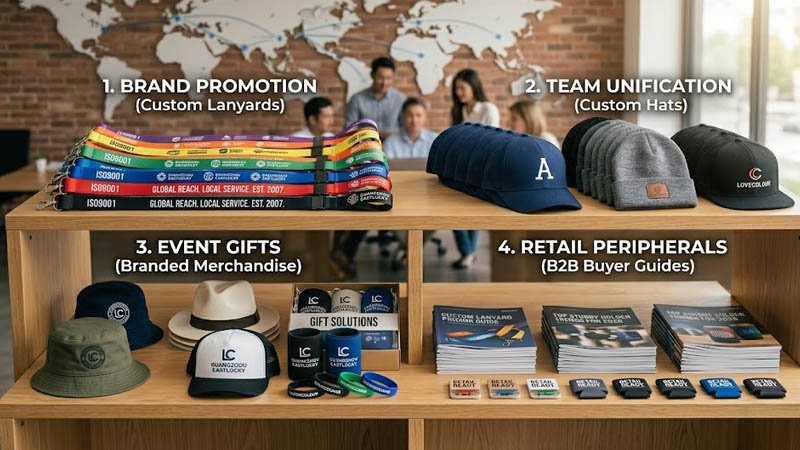
Hats are not only useful for personal style. They are also one of the most effective products for branding.
A custom hat is practical, visible, wearable, and memorable. Unlike some promotional products that are used once and forgotten, a well-made hat can be worn again and again.
Custom hats are suitable for:
Fashion brands
Sports teams
Outdoor brands
Corporate events
School clubs
Music festivals
Retail collections
Travel souvenirs
Employee uniforms
Promotional campaigns
Trade shows and exhibitions
A hat with a good logo, embroidery, patch, slogan, or color design can help people remember a brand. It can also create a sense of belonging among team members, staff, customers, or event participants.
For brands, event organizers, sports teams, and fashion labels, this is where custom hat manufacturing becomes valuable. GUANGZHOU EASTLUCKY Hat & Garment Co., Ltd. is a high-end custom hat and OEM/ODM manufacturer based in Guangzhou, China, with 15 years of expertise in professional R&D, production, and distribution of various hats and embroidered accessories. Guided by the philosophy “Quality as Root, Innovation as Soul,” EASTLUCKY provides global clients with one-stop solutions from design sampling to mass production, helping brands build efficient and high-quality custom hat supply chains.
A good custom hat does more than complete an outfit. It helps a brand stay visible in everyday life.
Best Hat Styles for Custom Branding
Different hat styles work for different branding needs. Choosing the right style depends on your target audience, season, market, and purpose.
Custom Baseball Caps
Custom baseball caps are one of the most versatile options. They are suitable for corporate events, sports teams, schools, retail brands, outdoor campaigns, and everyday promotions.
They are easy to wear, easy to customize, and widely accepted by different age groups.
Custom Snapbacks
Custom snapbacks are ideal for streetwear brands, youth fashion, music events, sports culture, and lifestyle merchandise.
They offer a bold shape and strong visual impact, making them suitable for brands that want a modern and energetic look.
Custom Bucket Hats
Custom bucket hats are great for summer campaigns, festivals, travel brands, beachwear, streetwear collections, and outdoor promotions.
They are lightweight, fashionable, and popular among younger consumers.
Custom Beanies
Custom beanies work well for winter collections, outdoor brands, employee gifts, ski events, and cold-weather promotions.
Embroidery, woven labels, and patches are common decoration methods for beanies.
Custom Trucker Hats
Custom trucker hats are popular for outdoor brands, lifestyle products, casual retail collections, farms, breweries, sports groups, and travel campaigns.
Their mesh-back design provides breathability and a relaxed look.
Custom Performance Caps
Performance caps are suitable for running clubs, golf events, fitness brands, hiking groups, and outdoor sports.
They usually focus on lightweight fabrics, breathability, moisture control, and comfort.
How to Choose the Right Custom Hat for Your Brand
If you are choosing hats for a brand, team, or event, personal style is not the only factor. You also need to consider your audience and purpose.
Ask these questions before starting a custom hat project:
Who will wear the hat?
Will it be used indoors or outdoors?
Is it for summer, winter, or all seasons?
Should the style be casual, sporty, premium, or trendy?
Do you need embroidery, printing, patches, or woven labels?
Will the hat be sold as merchandise or given as a promotional gift?
Does the hat need special materials, packaging, or brand labels?
For example, a fitness brand may prefer lightweight performance caps. A streetwear label may choose snapbacks or bucket hats. A corporate event may need clean embroidered baseball caps. A winter outdoor brand may choose custom beanies.
The better the hat matches the audience, the more likely people are to wear it.
The Psychology of Hats: Why They Make Men Feel Different
Hats do not only change how men look. They can also change how men feel.
When a man wears a hat that suits him, he may feel more confident, prepared, stylish, or expressive. This can affect posture, facial expression, and the way he interacts with others.
A baseball cap can make someone feel relaxed and active.
A fedora can make someone feel polished and mature.
A beanie can make someone feel casual and creative.
A cowboy hat can make someone feel strong and independent.
A bucket hat can make someone feel playful and trend-aware.
This is one reason fashion matters. What people wear can influence how they carry themselves.
A good hat can give a man a stronger sense of identity. It helps him step into a certain style, mood, or role.
That confidence often becomes visible.
Final Thoughts
Men often look better in hats because the right hat adds structure, confidence, and personality to their overall style.
A hat can frame the face, complete an outfit, express lifestyle, and create a stronger first impression. It can make a simple outfit look more intentional and help the wearer feel more confident.
But the key word is right.
The right hat should fit your face shape, match your outfit, suit the occasion, and feel natural to wear. A baseball cap may be perfect for one man, while a beanie, fedora, bucket hat, or outdoor cap may work better for another.
For brands, teams, and events, hats also offer powerful value. A well-designed custom hat is not only stylish and practical — it is a wearable brand message.
Whether you are choosing a hat for personal style or planning a custom hat project for your brand, the goal is the same: choose a hat that people will want to wear.
A good hat helps men stand out.
A well-made custom hat helps brands stay remembered.
How to Break in a New Hat Without Damaging It
A new hat can look great when you first buy it, but it does not always feel perfect right away. The crown may feel stiff, the sweatband may feel tight, or the brim may not have the shape you want. This is completely normal. Most new hats need a little time to soften, adjust, and fit more naturally.
However, breaking in a new hat should be done carefully. Using too much heat, soaking the wrong material, bending the brim too hard, or putting the hat in a dryer can cause shrinkage, fading, warping, or permanent damage.
The good news is that you can make a new hat fit better without ruining its shape. Whether you are breaking in a baseball cap, fitted cap, snapback, dad hat, trucker hat, bucket hat, wool hat, or another style, the key is to choose the right method for the material and structure.
In this guide, you will learn how to break in a new hat safely, how to soften a stiff crown, how to shape a brim, how to stretch a tight hat, and what mistakes to avoid.
Quick Answer: What Is the Safest Way to Break in a New Hat?
The safest way to break in a new hat is to wear it regularly. Your body heat, natural movement, and light moisture will gradually soften the sweatband, crown, and fabric, helping the hat adjust to your head shape.
If you want faster results, use gentle steam, hand shaping, or a hat stretcher. Avoid boiling water, dryers, harsh washing, aggressive bending, and soaking delicate materials such as wool, leather, straw, or structured hats.
For most hats, the best approach is simple: start gently, test slowly, and avoid high heat.
Before You Start: Check the Hat Material
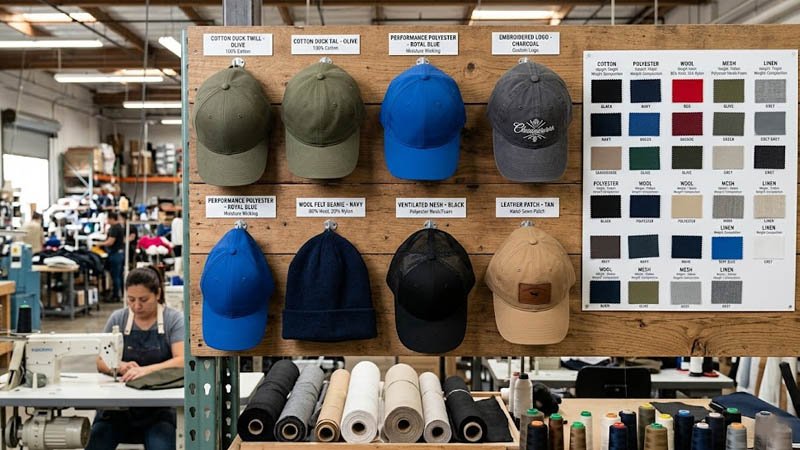
Not all hats should be broken in the same way. Before using water, steam, heat, or stretching tools, check the hat’s material and care label.
Different materials react differently to moisture and heat. A cotton cap may soften easily with regular wear or light steam, while a wool hat can shrink if soaked in hot water. A leather hat should not be washed like a fabric cap, and a straw hat can crack or lose shape if bent too aggressively.
Here is a simple guide:
| Hat Material |
Recommended Method |
Avoid |
| Cotton |
Regular wear, light steam, gentle hand shaping |
High heat, dryer |
| Wool |
Steam, slow shaping, professional care |
Hot water soaking, machine washing |
| Polyester |
Regular wear, gentle steam, careful shaping |
Excessive heat |
| Nylon |
Regular wear, hand shaping |
High heat or harsh washing |
| Leather |
Leather conditioner, professional care |
Soaking, machine washing |
| Straw |
Gentle hand shaping |
Water soaking, aggressive bending |
| Structured caps |
Steam, careful shaping, hat form drying |
Dryer, heavy washing, forceful bending |
If you are not sure what your hat is made of, choose the safest method first: wear it regularly and shape it gently by hand.
Best Methods to Break in a New Hat Safely
Different hats need different treatments. Below are the most common break-in methods, along with when to use them and what risks to watch for.
| Method |
Best For |
Time Needed |
Risk Level |
| Regular wear |
Most hats |
Several days to weeks |
Low |
| Hand shaping |
Brims and crowns |
A few minutes |
Low |
| Steam |
Stiff crowns, tight sweatbands, brim shaping |
10–20 minutes |
Low to medium |
| Warm water |
Cotton caps |
A few hours |
Medium |
| Hat stretcher |
Tight fitted hats |
Several hours to overnight |
Low to medium |
| Machine wash |
Washable cotton caps only |
One wash cycle |
Medium to high |
| Sun fading |
Vintage look |
Several days |
Medium |
The best method depends on the hat’s material, structure, and the problem you want to solve.
Wear Your Hat Regularly

The Most Natural Break-In Method
The easiest and safest way to break in a new hat is to wear it often. Just like a new pair of shoes, a new hat may feel stiff at first, but it gradually becomes more comfortable with use.
When you wear a hat, your body heat and natural movement help soften the fabric and sweatband. Over time, the hat begins to follow the shape of your head. This creates a more personalized and comfortable fit.
This method works well for:
- Baseball caps
- Dad hats
- Trucker hats
- Snapbacks
- Cotton caps
- Casual bucket hats
- Everyday fabric hats
If your hat feels only slightly stiff or snug, regular wear may be enough.
How to Speed It Up Naturally
You can speed up the process by wearing your hat during light daily activities, such as walking, running errands, doing outdoor chores, or wearing it around the house.
A little body heat and light moisture can help relax the sweatband and fabric. However, avoid soaking the hat with heavy sweat too often, especially if it has delicate embroidery, leather patches, printed logos, or dark colors.
How Long Does This Take?
A soft cotton hat may start to feel better after a few wears. A structured cap may take one to two weeks. A fitted hat or wool hat may take longer.
This method requires patience, but it is the safest option and has the lowest chance of damaging your hat.
How to Shape a Hat Brim or Bill
The brim is one of the most visible parts of a hat. If it is too flat, too stiff, or uneven, the whole hat may look uncomfortable or unnatural.
Shaping the brim is one of the easiest ways to make a new hat look and feel better.
Shape the Brim by Hand
Start by holding the brim with both hands. Gently bend it into the curve you want. Work slowly from the sides toward the center.
Do not force the shape all at once. Light pressure is better than aggressive bending.
For a relaxed everyday look, create a soft curve. For a more traditional baseball cap style, create a deeper curve.
If the brim feels very stiff, use steam first to soften it slightly before shaping.
Use a Mug or Can for an Even Curve
For a more consistent curve, wrap the brim around a coffee mug, soda can, or another smooth round object.
Follow these steps:
- Gently curve the brim around the object.
- Hold it in place with a rubber band if needed.
- Leave it for several hours or overnight.
- Remove the hat and check the shape.
- Repeat if you want a deeper curve.
This method works best for baseball caps, dad hats, and casual caps with flexible brims.
Avoid Over-Bending the Brim
Do not fold the brim sharply in the middle. Do not twist it or bend it backward. If the brim has a stiff insert, aggressive bending can cause cracks, creases, or permanent unevenness.
A good brim shape should look natural, not forced.
How to Use Steam to Soften a New Hat
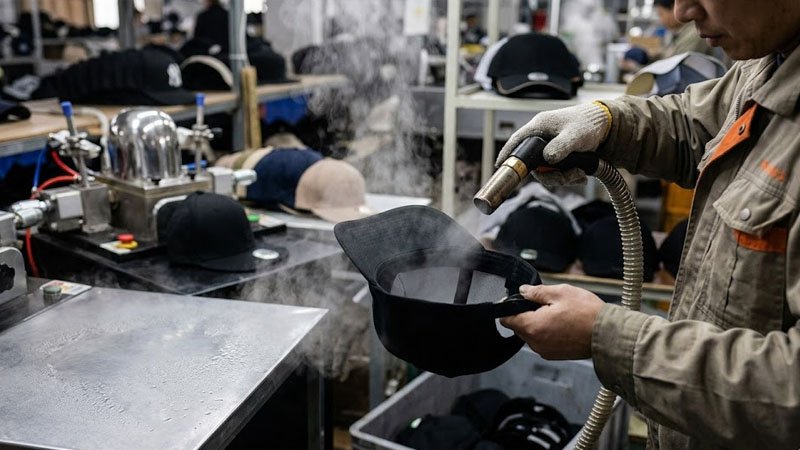
Steam is one of the most useful ways to break in a hat faster. It can soften the crown, relax the sweatband, and make the brim easier to shape.
Compared with soaking, steam gives you more control. It adds warmth and moisture without fully wetting the hat.
When to Use Steam
Steam is helpful when:
- The crown feels stiff
- The sweatband feels tight
- The brim is hard to shape
- The hat needs light reshaping
- You want faster results than regular wear
Steam works especially well for cotton caps, wool hats, and some structured hats. However, it should still be used carefully.
Step-by-Step Steam Method
- Use a garment steamer, kettle, or hot shower steam.
- Hold the hat near the steam, not directly against boiling water.
- Steam the stiff area for 20–30 seconds at a time.
- Gently shape the hat with your hands.
- Wear the hat while it cools, or place it on a hat form.
- Let it air dry naturally.
Do not over-steam the hat. Too much moisture and heat may weaken glue, affect embroidery, loosen patches, or change the structure.
Can Steam Damage a Hat?
Steam is usually safe when used lightly, but it can damage certain hats if overused. Be careful with leather hats, straw hats, glued patches, delicate trims, and highly structured crowns.
If the hat is expensive, rare, or delicate, consider professional cleaning or reshaping instead.
Can You Use Warm Water to Break in a Hat?
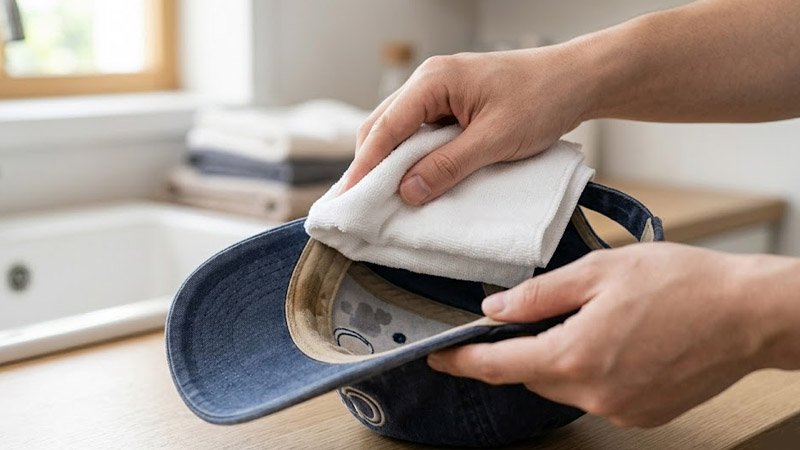
Warm water can soften some hats, especially cotton caps. However, it is riskier than regular wear or steam.
Water can cause shrinkage, fading, color bleeding, and shape loss if used incorrectly. This method should only be used for hats that can safely handle water.
Warm Water Method for Cotton Caps
If your hat is suitable for water treatment, follow these steps:
- Fill a basin with warm water. Do not use boiling water.
- Lightly soak or dampen the hat.
- Remove the hat and gently press out excess water. Do not twist it.
- Wear the hat while it is damp so it can mold to your head shape.
- Let it air dry naturally.
This can help a cotton cap become softer and more comfortable.
What to Avoid
Do not soak wool, leather, straw, or structured hats unless the care label says it is safe.
Do not use hot water on hats with dark colors, delicate embroidery, printed logos, leather patches, or cardboard-like brim inserts.
Before wetting the whole hat, test a small hidden area to see if the color runs.
The Shower Method
The shower method is a gentler version of the warm water method. Instead of soaking the hat, you expose it to steam and light moisture.
You can wear the hat during a warm shower, or place it in the bathroom while steam fills the room. Once the hat becomes slightly warm and damp, wear it until it begins to adjust to your head shape.
This method can work for casual cotton caps and some wool hats, but it is not suitable for leather, straw, or hats that should stay dry.
The shower method is useful when you want to soften the hat slowly without fully soaking it.
Should You Machine Wash a Hat to Break It In?
Machine washing can soften some hats, but it is one of the riskier methods. It should only be used when the hat’s care label allows machine washing.
Machine washing may cause shrinkage, fading, loose stitching, warped brims, or crown deformation. It is not recommended for high-end hats, wool hats, leather hats, straw hats, structured caps, or hats with cardboard brims.
How to Machine Wash a Hat Safely
If your hat is washable, follow these steps:
- Place the hat in a hat cage or delicate laundry bag.
- Use cold or lukewarm water.
- Choose a gentle cycle.
- Use mild detergent.
- Avoid bleach or harsh cleaners.
- Remove the hat immediately after washing.
- Air dry it on a towel, hat form, or rounded object.
Never put your hat in the dryer. Dryer heat can shrink the fabric, warp the brim, and damage the overall shape.
Better Alternative: Spot Cleaning
If your goal is only to clean and soften the hat slightly, spot cleaning is safer than machine washing.
Use a soft cloth, cool water, and mild soap. Gently clean dirty areas without soaking the entire hat.
How to Stretch a Tight Hat for a Better Fit
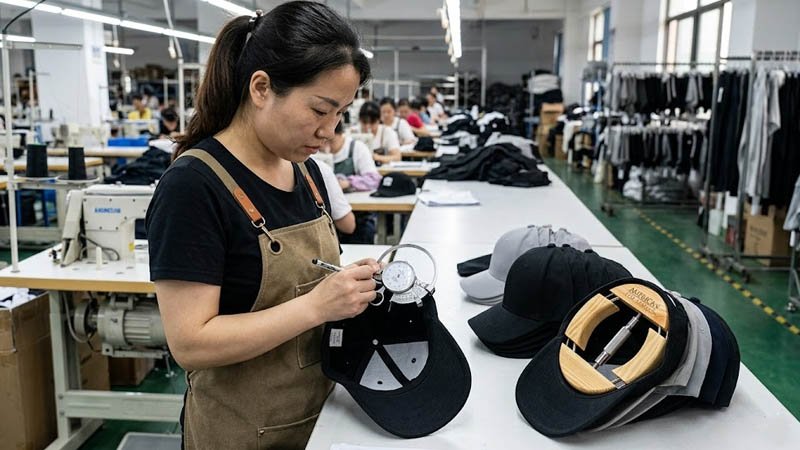
Sometimes a new hat feels too tight even after several wears. In that case, gentle stretching can help.
The key word is gentle. Stretching too quickly can damage the sweatband, seams, panels, or crown shape.
Stretch the Sweatband
If the tightness is mainly around the sweatband, lightly steam or dampen the inside band. Then gently stretch it by hand.
Wear the hat while it cools or dries. This helps the sweatband adjust to your head size.
Do not cut the sweatband unless there is no other option. Cutting can affect the hat’s structure and durability.
Use a Hat Stretcher
A hat stretcher is one of the safest tools for improving fit. It applies even pressure and helps avoid uneven stretching.
To use a hat stretcher:
- Lightly steam or dampen the sweatband.
- Insert the hat stretcher.
- Expand it slowly.
- Leave it in place for several hours or overnight.
- Try on the hat and repeat if necessary.
This method works especially well for fitted hats that are slightly too tight.
Use a Round Object
If you do not have a hat stretcher, you can place the hat over a clean round object, such as a bowl, jar, or ball.
Make sure the object is only slightly larger than the hat. If it is too large, it may overstretch the hat and distort the shape.
How to Make a New Hat Look Vintage
Some people want their new hat to feel and look worn-in. A vintage look can be created carefully, but it is easy to overdo.
Wear It Often
The most natural vintage look comes from regular wear. Over time, the fabric softens, the color becomes more relaxed, and the hat develops its own character.
This is the safest way to create an authentic worn-in appearance.
Use Sunlight Carefully
Leaving a cotton hat in the sun can create a faded look. However, strong sunlight can cause uneven fading, especially on dark colors.
If you want a subtle vintage effect, expose the hat to sunlight gradually instead of leaving it outside for too long.
Use Fine Sandpaper Lightly
Fine sandpaper can be used to gently distress the brim edge or certain fabric areas.
Use very light pressure. Avoid sanding embroidery, printed logos, patches, seams, or decorative details.
If you want a vintage look without the risk, consider choosing a pre-washed or pre-distressed hat.
What Not to Do When Breaking in a New Hat
Many hats are damaged not because people try to break them in, but because they use methods that are too harsh.
Avoid these common mistakes:
- Do not use boiling water.
- Do not put the hat in a dryer.
- Do not machine wash hats that are not washable.
- Do not soak leather, straw, or delicate wool hats.
- Do not bend the brim sharply in the middle.
- Do not twist or wring the hat when wet.
- Do not use bleach or harsh detergents.
- Do not stretch the hat too quickly.
- Do not leave dark hats in direct sunlight for too long.
- Do not ignore the care label.
When in doubt, choose the gentlest method first. A slow break-in process is better than permanent damage.
Troubleshooting Common Hat Fit Problems
The Hat Feels Too Tight
Wear it regularly for a few days first. If it still feels tight, use light steam on the sweatband and stretch it gently. A hat stretcher can help if the hat needs a little more room.
The Crown Feels Too Stiff
Use steam to soften the crown, then shape it gently with your hands. Wearing the hat often will also help the crown relax naturally.
The Brim Is Too Flat
Shape the brim by hand or wrap it around a mug or can for several hours. If the brim is stiff, use light steam before shaping.
The Hat Shrunk After Washing
Lightly steam the hat or dampen it with warm water, then stretch it carefully while it is still damp. Let it air dry on your head or on a hat form.
The Hat Lost Its Shape
Use steam to soften the fabric, then reshape it by hand. Place the hat on a rounded object, towel, or hat form while it dries.
If the hat is expensive, delicate, or badly misshapen, professional reshaping may be the safest option.
How Long Does It Take to Break in a New Hat?
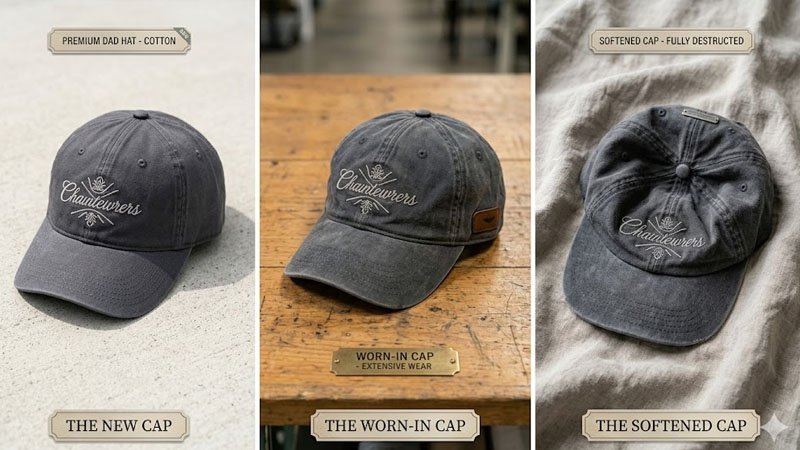
The time depends on the material, construction, and how often you wear it.
A soft cotton dad hat may feel better after a few wears.
A structured baseball cap may take one to two weeks.
A fitted cap may need several wears plus gentle stretching.
A wool hat may take longer and should be shaped carefully with steam.
A stiff or high-crown cap may take more time because the structure is designed to hold its shape.
In general, regular wear is the safest method, while steam and gentle stretching can speed up the process.
For Brands: Better Comfort Starts with Better Hat Design
For brands, retailers, and businesses ordering custom hats in bulk, the break-in experience begins long before the customer wears the hat. Fabric weight, sweatband softness, crown height, panel structure, brim flexibility, embroidery density, stitching quality, and finishing process all affect how comfortable a hat feels from the first wear.
As a Guangzhou-based high-end custom hat and OEM/ODM manufacturer with 15 years of experience, GUANGZHOU EASTLUCKY Hat & Garment Co., Ltd. understands that comfort starts at the production stage. Guided by the philosophy “Quality as Root, Innovation as Soul,” EASTLUCKY provides global clients with one-stop solutions from design sampling to mass production, helping brands build efficient and high-quality hat supply chains.
For custom hat projects, brands can improve the customer experience by choosing the right fabric, sweatband, brim insert, crown structure, and fit testing process. A well-designed hat should look good, hold its shape, and become comfortable with minimal break-in time.
Hat Care After Breaking It In
Once your hat fits well, proper care helps it stay comfortable and keep its shape longer.
Clean It Gently
Spot cleaning is usually the safest method. Use a soft cloth, mild soap, and cool water. Avoid harsh chemicals, bleach, and abrasive brushes.
If deeper cleaning is needed, always check the care label first.
Store It Properly
Do not crush your hat in a drawer or bag. Store it on a shelf, hat rack, or clean surface where the crown and brim can keep their shape.
For structured hats, use a hat form or support the crown with soft paper.
Avoid Excessive Heat and Moisture
Too much sun, rain, sweat, or heat can shorten the life of a hat. Let sweaty hats dry naturally before storing them.
If you wear hats often, rotate between different styles to reduce wear and maintain shape.
FAQs
What is the safest way to break in a new hat?
The safest way is to wear it regularly. Body heat and natural movement will gradually soften the hat and help it fit your head without much risk of damage.
How do you break in a baseball cap?
Wear it often, shape the brim gently by hand, and use light steam if the crown or brim feels stiff. Avoid dryers, boiling water, and aggressive bending.
Can you break in a fitted hat?
Yes. A fitted hat can be broken in by regular wear, light steam, and gentle stretching. If it is slightly too tight, a hat stretcher can help.
Will breaking in a hat make it bigger?
Breaking in a hat may make it feel slightly roomier because the sweatband and crown relax over time. However, it will not increase the size dramatically. If the hat is much too small, it is better to choose a larger size.
Can I use water to break in a new hat?
Warm water can be used on some cotton hats, but it should be done carefully. Avoid soaking wool, leather, straw, structured hats, or hats with delicate decorations.
Can steam damage a hat?
Light steam is usually safe for many hats, but too much steam can damage glue, patches, embroidery, or structured panels. Use short bursts of steam and shape the hat gently.
Should I put my hat in the dryer?
No. A dryer can shrink the fabric, warp the brim, and damage the hat’s shape. Always air dry your hat naturally.
How do I make a stiff hat softer?
Wear it regularly, use light steam, or gently dampen the sweatband if the material allows it. Avoid harsh washing or high heat.
How do I curve a hat brim?
Use your hands to bend the brim gently, or wrap it around a mug or can for several hours. Do not fold or crease the brim sharply.
How long does it take to break in a new hat?
It can take a few days to a few weeks, depending on the material and structure. Soft cotton hats usually break in faster, while structured or fitted hats may take longer.
Conclusion
Breaking in a new hat does not have to be difficult, but it should be done carefully. The safest method is regular wear, while steam, hand shaping, warm moisture, and gentle stretching can help speed up the process.
The most important rule is to match the method to the material. Cotton caps can usually handle more moisture, while wool, leather, straw, and structured hats need extra care. Avoid boiling water, dryers, harsh washing, and aggressive bending if you want to protect the hat’s shape, color, and durability.
With the right approach, your new hat can become softer, more comfortable, and better fitted without being damaged. A good hat should not only look great on the first day, but also become even better with time.
Men’s Hat Styles Explained: Complete Guide + Comparison & Buying Tips
From streetwear to luxury fashion, men’s hats are making a strong comeback. Whether it’s a classic fedora or a modern bucket hat, the right choice can define your entire look.
But with so many styles available, one question remains:
Which hat is right for you—or your brand?
This complete guide breaks down the most popular men’s hat styles, their differences, and how to choose the perfect option for both personal wear and custom branding.
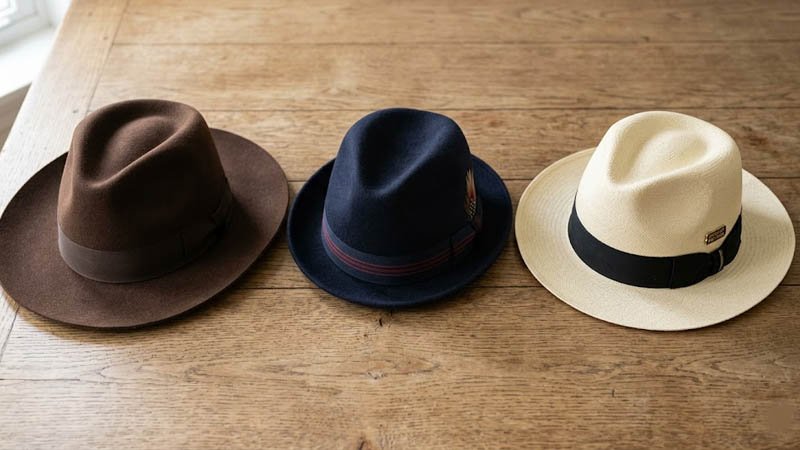
Classic hats offer timeless elegance and structured design, making them ideal for formal and smart-casual looks.
Fedora
Description: Soft brim, pinched crown, typically made from felt
Style Use: Smart-casual to formal outfits
Price Range: Mid to high-end
👉 Compared to a trilby, the fedora has a wider brim, making it more suitable for formal occasions and balanced proportions.
Homburg
Description: Felt hat with a stiff curled brim and center crease
Style Use: Formal events, business wear
Price Range: High-end
👉 Often associated with classic elegance and authority.
Trilby
Description: Narrow brim angled downward
Style Use: Trendy, modern outfits
Price Range: Mid-range
👉 Key Difference:
- Fedora = classic & formal
- Trilby = stylish & casual
Porkpie
Description: Flat crown with a circular crease
Style Use: Creative, artistic styling
Price Range: Mid-range
Boater
Description: Flat straw hat with a ribbon band
Style Use: Summer semi-formal events
Price Range: Mid-range
Panama Hat
Description: Lightweight, handwoven straw hat from Ecuador
Style Use: Summer elegance, travel, outdoor events
Price Range: Mid to premium
👉 Note: Authentic Panama hats are finer and more breathable than standard straw hats.
Casual & Sporty Hats
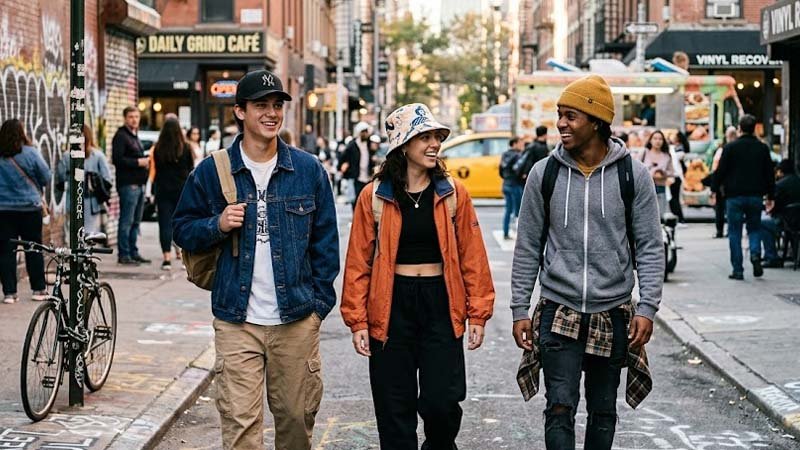
These styles are designed for everyday comfort, practicality, and modern fashion.
Description: Curved brim; trucker hats feature mesh backs
Style Use: Casual wear, sports, promotions
Price Range: Low to mid-range
👉 Best for Branding:
Large front panels make them ideal for embroidery and logo printing.
Description: Soft fabric with a downward brim
Style Use: Streetwear, festivals, outdoor use
Price Range: Low to mid-range
👉 Trend Insight: A major comeback driven by Gen Z and fashion influencers.
Beanie
Description: Knit cap for warmth
Style Use: Winter wear and urban style
Price Range: Low to mid-range
👉 Material Tip:
- Acrylic = affordable
- Wool = premium & warmer
Heritage & Regional Styles
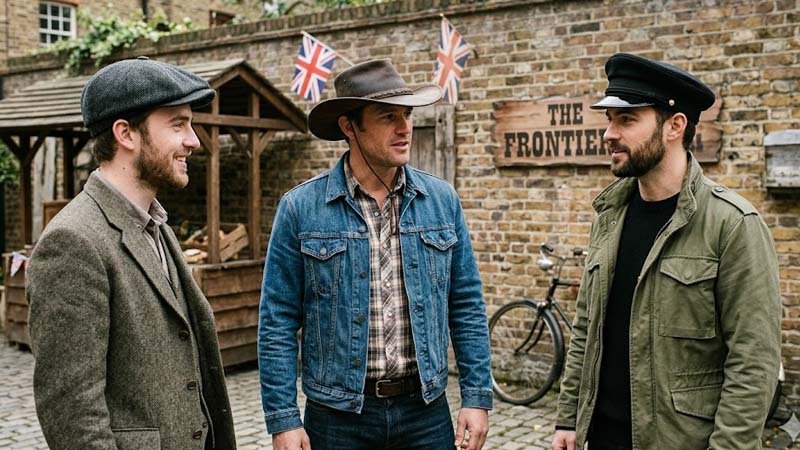
These hats carry cultural significance and unique character.
Flat Cap / Newsboy Cap
Style: Vintage yet versatile
Best For: Smart casual outfits
Mariner’s / Peaked Caps
Style: Structured and practical
Best For: Windy conditions and nautical looks
Cowboy / Western Hats
Style: Wide brim and bold design
Best For: Outdoor use and statement fashion
Top Hat
Style: Formal and ceremonial
Best For: Weddings, performances, special occasions
Hat Style Comparison (Quick Guide)
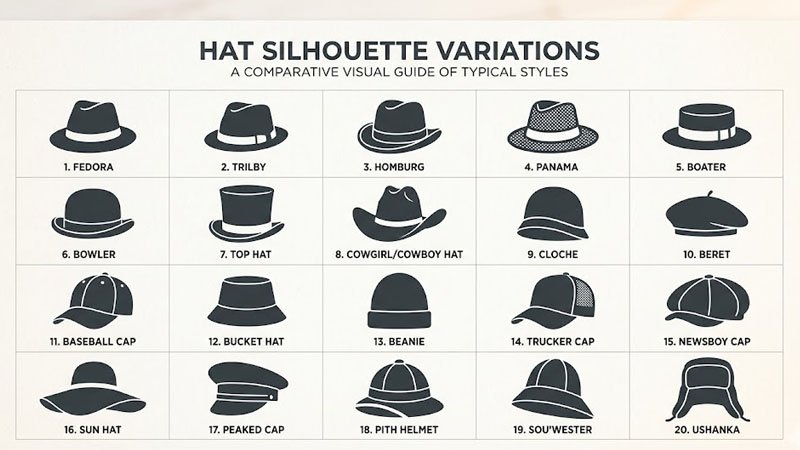
| Style |
Formality |
Best Season |
Key Feature |
| Fedora |
High |
Fall/Winter |
Classic wide brim |
| Trilby |
Medium |
All |
Narrow brim |
| Baseball Cap |
Low |
All |
Casual & versatile |
| Bucket Hat |
Low |
Summer |
Soft & trendy |
| Panama |
Medium |
Summer |
Lightweight & breathable |
How to Choose the Right Hat

By Occasion
- Formal: Fedora, Homburg, Panama
- Casual: Baseball cap, bucket hat, flat cap
By Material
- Felt → warm & durable
- Straw → lightweight & breathable
- Knit → flexible & comfortable
By Face Shape
- Round face → structured hats
- Long face → wider brims
Sizing Tips
- Choose adjustable designs when possible
- Ensure a snug but comfortable fit
- For bulk orders, consistent sizing is essential
Hat Trends in 2025
The hat market continues to evolve with fashion and consumer behavior:
- Bucket hats → strong comeback in streetwear
- Vintage styles (flat caps, fedoras) → rising popularity
- Sustainable materials → increasing demand from global brands
- Custom logo hats → key tool for brand marketing
👉 Brands are increasingly using hats not just as accessories, but as branding assets.
Common Mistakes When Choosing a Hat
Avoid these common errors:
- Choosing the wrong size
- Ignoring face shape
- Wearing formal hats in casual settings
- Overlooking material suitability for the season
For Brands: Choosing the Right Hat for Customization
For businesses, selecting the right hat style is critical for both branding and market success.
- Baseball Caps: Best for logos and promotions
- Bucket Hats: Ideal for younger audiences and fashion brands
- Beanies: Perfect for seasonal campaigns
For brands looking to develop custom hat collections, choosing the right manufacturing partner is just as important as selecting the right style.
GUANGZHOU EASTLUCKY Hat & Garment Co., Ltd. is a high-end custom hat and OEM/ODM manufacturer with over 15 years of experience. With strong R&D capabilities, strict quality control, and efficient supply chain management, we provide one-stop solutions—from design sampling to mass production—helping global brands bring their ideas to market quickly and reliably.
Hat Care & Maintenance
Cleaning Tips
- Felt → brush gently
- Straw → wipe with damp cloth
- Knit → hand wash and air dry
Storage Tips
- Use hat stands or boxes
- Avoid direct sunlight exposure
Conclusion
Men’s hats are more than accessories—they’re tools for expression, function, and branding.
Whether you’re choosing a hat for personal style or developing a product line, understanding different styles, materials, and use cases will help you make smarter decisions.
Looking for Custom Hat Solutions?
- Free design mockup within 24 hours
- Flexible MOQ for bulk orders
- Global shipping with reliable lead times
👉 Contact us today to start your custom hat project.
FAQs
What hat styles are best for summer?
Panama hats, boater hats, and bucket hats are ideal due to breathability.
How do I know if a hat fits correctly?
It should feel secure without pressure and stay in place when moving.
Can I wear a fedora casually?
Yes, pairing a fedora with casual outfits can create a stylish contrast.
Which hat is best for branding?
Baseball caps are the most versatile and widely used for customization.
Why Are Backward Hats So Popular?
At first glance, wearing a hat backward seems like a small styling decision. But its popularity tells a much bigger story.
Backward hats have remained visible for decades—not because they are complicated, expensive, or exclusive, but because they do something very few fashion details can do so easily: they change the meaning of an ordinary item. A standard cap worn forward looks practical and conventional. The same cap worn backward feels more relaxed, more personal, and often more expressive.
That is why backward hats have lasted far beyond a single trend cycle. What started as a practical adjustment in sports gradually became a cultural signal, then a fashion habit, and eventually a timeless part of casual style.
So why are backward hats so popular? The answer lies in a unique combination of function, attitude, media influence, and design versatility.
The Backward Hat Started with Function, Not Fashion
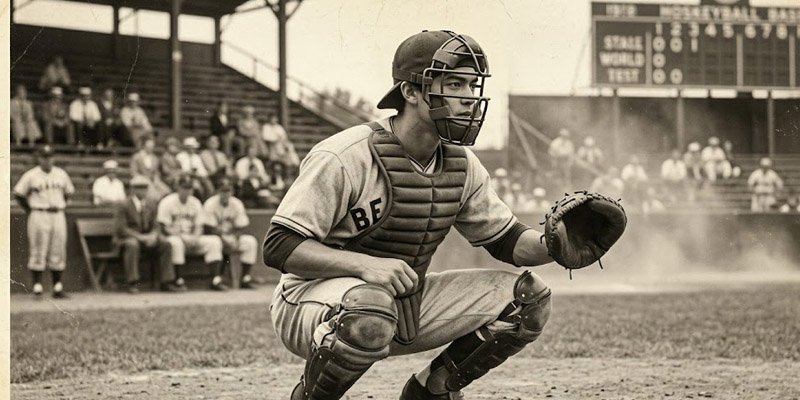
One of the main reasons backward hats became so influential is that they did not begin as an artificial trend. They began with a real purpose.
In the early history of baseball, players—especially catchers—sometimes turned their caps backward because the brim could interfere with face masks or limit convenience during movement. In those moments, wearing the hat backward was not about style at all. It was simply practical.
This origin matters because fashion often becomes more powerful when it grows out of real use. A style that begins with function tends to feel more natural than one invented only for visual effect. That practical beginning gave the backward hat authenticity long before it became part of mainstream culture.
In other words, people did not first wear hats backward to stand out. They wore them backward because, in certain situations, it made more sense. The cultural meaning came later.
Sports Helped Turn It into a Recognizable Look
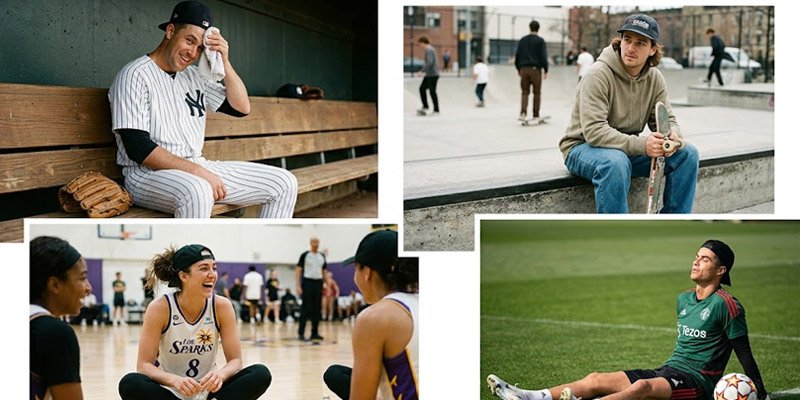
Once backward caps appeared in sports, they began to develop visual meaning.
Athletes have always had a strong influence on casual fashion, especially when sports move beyond competition and become part of everyday culture. Practice wear, travel outfits, and off-field appearances often shape how the public sees athletic style. A cap worn backward began to suggest motion, ease, and confidence. It looked less formal than a standard cap position and more spontaneous.
That image helped the look spread. Even people who were not athletes could understand what it communicated. A backward cap felt active, youthful, and informal. It looked like something worn by someone in motion, not someone dressing to follow rules.
This is one of the earliest reasons backward hats became popular: the style was simple, visible, and easy to imitate.
Popularity Grew Because It Was Easy to Copy
Many fashion trends fail because they are too expensive, too extreme, or too difficult for ordinary people to adopt. The backward hat succeeded for the opposite reason.
Anyone who owned a cap could wear it backward instantly. There was no need to buy a luxury item, follow a complicated styling formula, or change an entire wardrobe. That made the look accessible across age groups, social backgrounds, and style preferences.
This low barrier to entry is one of the strongest reasons the backward hat became so widely accepted. It gave people a way to signal attitude without much effort. The item itself stayed the same, but the message changed.
That is a powerful feature in fashion. When a small adjustment produces a noticeable difference in tone, the style becomes highly repeatable. Backward hats worked because they offered self-expression in one effortless move.
The 1990s Made Backward Hats a Cultural Symbol
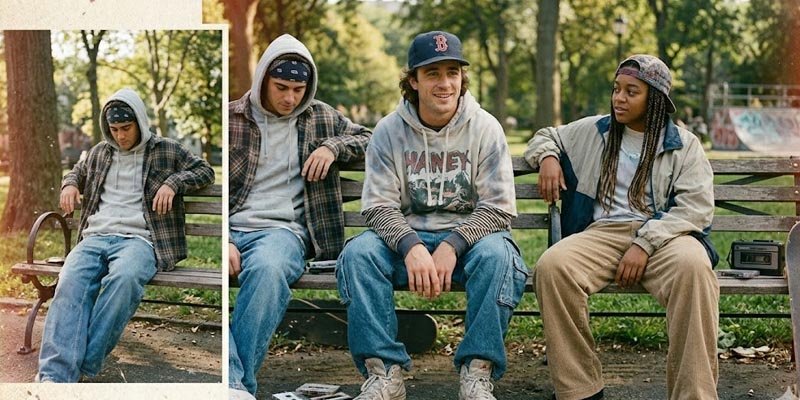
Although the backward hat began with utility, it became truly popular when popular culture gave it meaning.
By the 1990s, the look had clearly moved beyond sports and into music, television, and streetwear. At that point, wearing a cap backward no longer looked accidental. It became associated with youth culture, confidence, informality, and a subtle sense of rebellion.
This was an important transformation. A backward hat was no longer just a piece of headwear worn differently. It started to communicate identity.
In youth fashion, that matters a great deal. People are often drawn to styles that look casual but still say something. A backward hat suggested that the wearer was relaxed, self-directed, and not overly concerned with convention. It was rebellious in a mild but highly visible way.
That is one reason the look resonated so strongly with younger audiences. It did not feel polished or controlled. It felt natural, free, and personal.
Music, Television, and Celebrity Visibility Pushed It Even Further
Backward hats became even more popular because people kept seeing them in public culture.
When musicians, entertainers, athletes, and television personalities wore backward caps, they gave the look repeated visibility. More importantly, they placed it inside a broader style context. A backward cap often appeared with sneakers, denim, oversized silhouettes, team apparel, or street-inspired outfits. That made it feel like part of a complete lifestyle rather than an isolated styling trick.
Television helped normalize the look. Music culture helped energize it. Celebrity style helped commercialize it. Together, these forces transformed the backward hat from a specific subcultural gesture into a mainstream fashion image.
This stage is crucial in understanding why backward hats became so popular. Visibility alone is not enough. A style becomes durable when it is repeatedly attached to personalities and aesthetics people admire. The backward cap benefited from exactly that kind of cultural repetition.
Backward Hats Suggest Individuality Without Looking Too Hard
Another reason backward hats remain popular is that they offer a strong style signal without appearing forced.
Some fashion choices are dramatic. Others are subtle. The backward hat sits in a useful middle ground. It is noticeable, but not extreme. It changes the tone of an outfit without dominating the entire look.
That makes it especially attractive to people who want to appear casual, confident, or slightly unconventional without overstyling themselves.
This balance is important. A backward cap can suggest:
- ease
- youthfulness
- informality
- sporty confidence
- streetwear awareness
- personal attitude
And yet it can do all that with a very familiar object.
That is rare in fashion. The best long-lasting style details are often the ones that communicate personality without demanding too much attention. Backward hats achieve exactly that balance.
The Style Survived Because It Adapted to Different Fashion Eras
One reason backward hats never fully disappeared is that they kept evolving with the times.
In one era, they were closely associated with sports. In another, they became tied to hip-hop and street culture. Later, they appeared in skate style, celebrity casualwear, festival looks, and mainstream everyday fashion. More recently, they have remained relevant through social media, influencer styling, and the continued popularity of caps in general.
The backward hat survived because it was flexible enough to move between these worlds. It did not belong to only one group for very long.
That flexibility matters. Fashion accessories that stay confined to one subculture often fade when that subculture loses visibility. But backward hats adapted. They could be worn with athletic wear, graphic tees, denim jackets, hoodies, relaxed tailoring, or simple daily basics.
In other words, the backward hat remained popular because it kept changing its context without losing its identity.
It Still Feels Modern Because It Matches Today’s Fashion Values
Modern consumers often value comfort, authenticity, and versatility more than rigid dress rules. Backward hats fit perfectly into that shift.
Today, people are less interested in dressing according to strict standards and more interested in creating outfits that feel natural and personal. The backward cap supports that approach. It looks effortless. It feels familiar. And it allows the wearer to appear styled without seeming overly deliberate.
This is one reason the look continues to work across genders and generations. It is casual enough for daily wear, but expressive enough to remain visually interesting.
Its popularity also reflects the wider movement toward lifestyle dressing. People want clothing and accessories that work across multiple settings—outdoors, travel, casual work environments, events, and social content. A cap that can move between these settings while still looking relaxed has clear staying power.
Design Quality Also Plays a Big Role
Not all hats create the same visual effect when worn backward.
The popularity of backward hats is also connected to product design. Shape, crown structure, brim proportion, embroidery quality, fabric texture, and overall fit all influence how the cap looks from every angle. Since the back of the hat becomes more visible when worn this way, closure details, panel balance, stitching consistency, and finishing become even more important.
That is why premium cap manufacturing continues to matter. A backward hat may look effortless, but that effortless look depends heavily on good construction. For brands developing high-quality headwear collections, experienced manufacturing support can make a major difference from concept to final production. Companies such as GUANGZHOU EASTLUCKY Hat & Garment Co., Ltd., a high-end custom hat and OEM/ODM manufacturer based in Guangzhou, China, with 15 years of expertise in professional R&D, production, and distribution of various hats and embroidered accessories, provide one-stop solutions from design sampling to mass production for global brands.
Backward Hats Are Popular Because They Turn Utility into Identity
If we reduce the answer to its core, backward hats are popular because they transformed a practical adjustment into a lasting symbol of casual identity.
That transformation is what gives the style its longevity.
A cap worn backward is easy to understand visually. It suggests a different posture toward the same object. It says that the wearer is using something familiar in a more personal way. That small change creates a strong emotional and stylistic effect.
And because the change is so simple, it never becomes inaccessible. It remains open to reinterpretation by each new generation.
This is why backward hats continue to appear in so many different style environments. They are not just surviving as a leftover trend. They are surviving because they still perform a useful cultural function: they help people express ease, individuality, and confidence with almost no effort at all.
Most likely, yes.
The forms may evolve. Materials may improve. Branding, embroidery, sustainable fabrics, and hybrid silhouettes may continue to develop. But the basic appeal of the backward hat is unlikely to disappear anytime soon.
Its popularity rests on several durable strengths:
- it is easy to wear
- easy to recognize
- easy to personalize
- easy to pair with modern casual fashion
- and easy to reinterpret over time
Trends usually disappear when they are too narrow, too rigid, or too tied to one moment. The backward hat has avoided all three problems. It is broad, adaptable, and culturally familiar.
That is why it continues to return, remain, and reinvent itself.
Conclusion
Backward hats are popular for a simple reason: they do more than change the direction of a cap. They change the feeling of it.
What began as a practical solution in sports became a visual symbol of ease, youth, individuality, and cultural style. Over time, music, television, celebrity influence, and evolving fashion trends turned the backward cap into something much bigger than a functional accessory.
Its lasting appeal comes from its rare combination of accessibility and meaning. Anyone can wear a hat backward, but the effect is immediate: the same object suddenly feels more relaxed, more expressive, and more personal.
That is why backward hats remain popular today. They are one of the clearest examples of how fashion lasts—not when it tries too hard, but when a small, natural change gives an everyday object a whole new identity.
Structured vs. Unstructured Hats: What’s the Difference and Which One Should You Choose?
When shopping for a baseball cap, you’ve probably come across the terms structured and unstructured hats. But what do they actually mean—and which one is the better choice for your style, comfort, or brand?
Choosing between a structured and unstructured hat can significantly affect how it looks, feels, and complements your overall appearance. The right cap not only improves comfort but can also enhance brand visibility and personal style.
Whether you’re buying a hat for everyday wear, a sports team, or custom merchandise, understanding the difference helps you make a smarter choice.
Table of Contents
-
Definitions & Core Differences
-
Design & Fit
-
Style, Branding & Decoration
-
Comfort, Durability & Packability
-
Structured vs. Unstructured Hats Comparison
-
When to Choose Each Style
-
Conclusion
-
FAQs
Definitions & Core Differences
The main difference between structured and unstructured hats lies in the support of the front crown panels.
Structured hats feature reinforcement inside the front panels—usually made from buckram or foam. This internal support keeps the crown standing upright and helps the hat maintain a crisp, defined shape even when it’s not being worn. Because of this, structured caps often have a more athletic or professional appearance.
Unstructured hats, on the other hand, do not include this stiffening material. Without reinforcement, the crown becomes soft and collapsible. This results in a relaxed fit and the well-known “dad hat” style, which naturally molds to the shape of your head over time.
Between these two styles, you may also find semi-structured hats, which offer a lighter level of support while still maintaining some flexibility.
Quick recap:
-
Structured hats: Firm front panels, maintain shape, sportier appearance
-
Unstructured hats: Soft crown, collapsible structure, casual style
-
Semi-structured hats: Balanced feel with mild shape support
Design & Fit
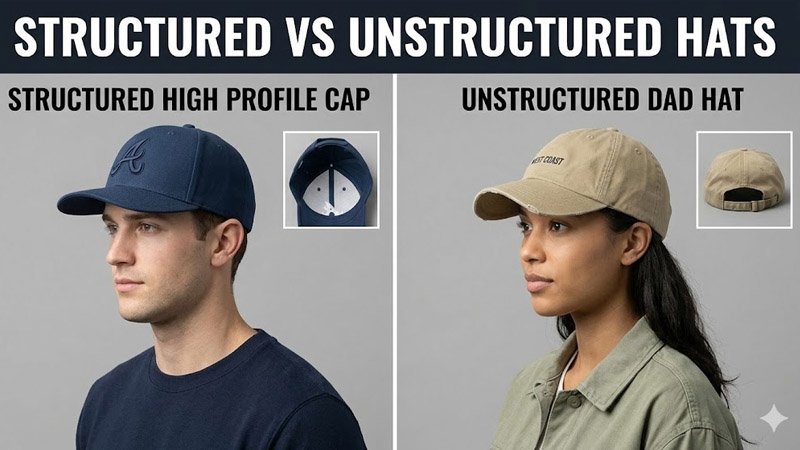
The internal structure of a hat directly affects how it fits and sits on your head.
Structured hats often create a higher profile, meaning the crown sits taller and holds a defined silhouette. This design gives the cap a more prominent look and helps logos remain visible from a distance. Because of this, structured caps are commonly used for sports teams, uniforms, and branded merchandise.
Unstructured hats generally have a lower and softer profile. Without the stiff crown, the hat follows the natural shape of your head, creating a relaxed and comfortable fit.
Typical pairings include:
-
Low-profile unstructured caps: Popular for dad hats and casual lifestyle wear
-
Mid- or high-profile structured caps: Common in sports caps, promotional hats, and uniforms
Style, Branding & Decoration
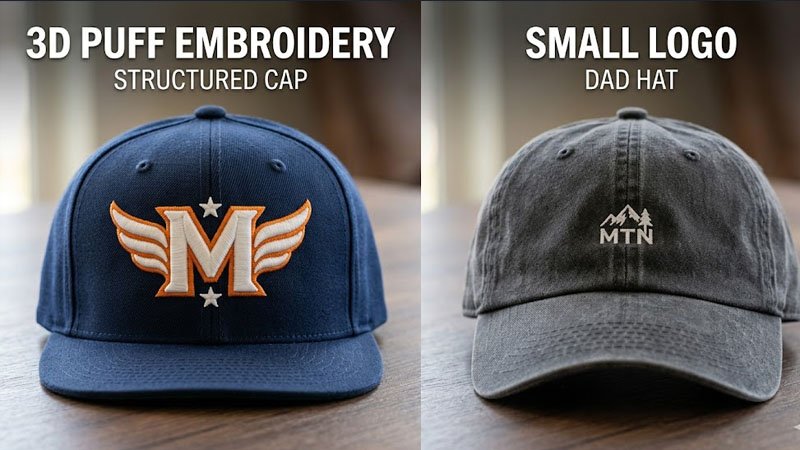
The structure of a hat also influences how well it displays branding and design elements.
Structured hats offer a flat and stable front panel, which makes them ideal for bold embroidery, 3D puff logos, large patches, or detailed branding. Because the crown maintains its shape, logos remain clean, visible, and professional-looking.
Unstructured hats, by contrast, provide a softer surface that works better for subtle or minimalist designs. Smaller logos or simple embroidery tend to complement this style, making it popular among lifestyle brands, outdoor labels, and casual fashion collections.
For businesses planning custom hats with precise logo placement and consistent quality, working with experienced manufacturers is essential. GUANGZHOU EASTLUCKY Hat & Garment Co., Ltd., based in Guangzhou, China, has over 15 years of experience in high-end custom hats and OEM/ODM manufacturing, offering complete solutions from design sampling to mass production for global brands.
Comfort, Durability & Packability
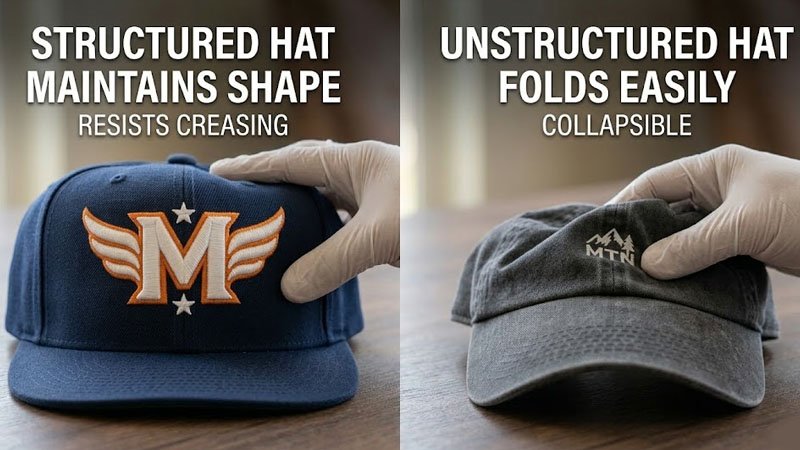
Comfort is another factor that separates structured and unstructured hats.
Unstructured hats are usually soft from the first wear, giving them a broken-in feel right away. Because they lack stiff reinforcement, they can also be folded or packed easily, making them convenient for travel or outdoor activities.
Structured hats are more rigid due to the reinforced crown. While they may feel slightly firm when new, they tend to maintain their shape longer, even after frequent use. This durability helps the hat look newer and more polished over time.
However, structured hats are less flexible when packing and should be stored carefully to preserve their shape.
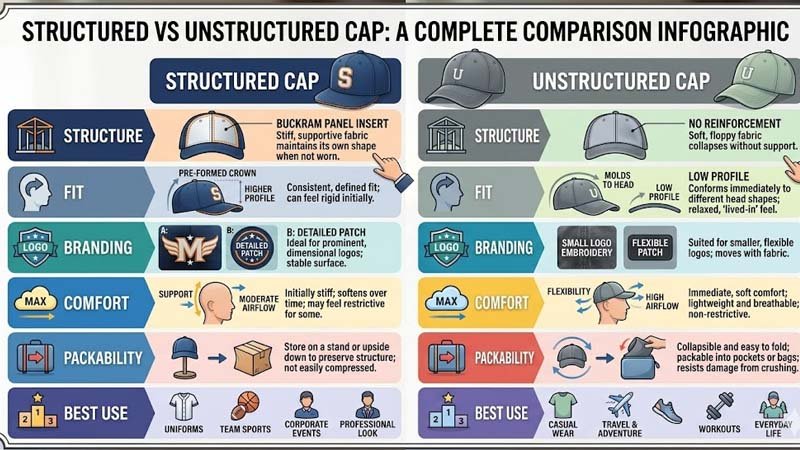
| Feature |
Structured Hats |
Unstructured Hats |
| Crown Support |
Reinforced with buckram or foam |
No stiffener; crown collapses when not worn |
| Appearance |
Crisp, firm, athletic look |
Relaxed, casual “dad hat” style |
| Profile Options |
Often mid or high profile |
Usually low profile |
| Branding Space |
Firm front ideal for bold embroidery or patches |
Softer front better for subtle logos |
| Comfort |
Slightly firm, may require break-in |
Soft and comfortable from day one |
| Shape Durability |
Maintains structure over time |
Adapts to head shape with wear |
| Packability |
Less flexible, needs careful storage |
Easy to fold or pack |
| Best Use |
Sports teams, uniforms, retail branding |
Lifestyle wear, travel, casual fashion |
When to Choose Each Style
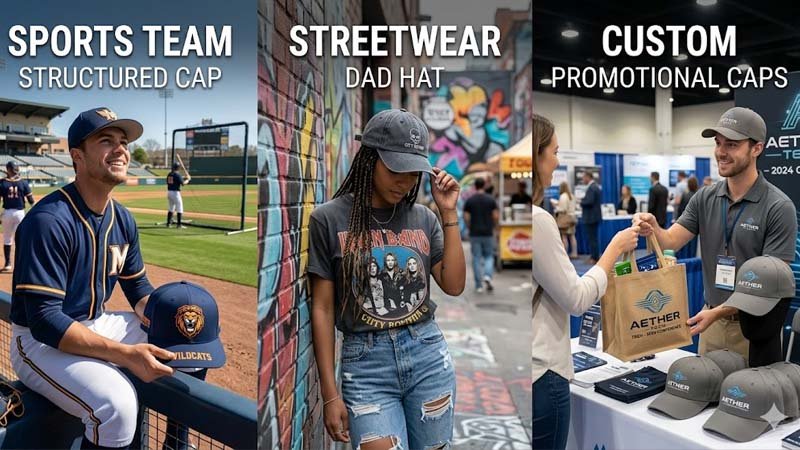
Choosing the right hat depends on your purpose and style preference.
Choose a Structured Hat If You Want:
-
A polished and professional appearance
-
Strong logo visibility for branding
-
Caps for sports teams or staff uniforms
-
Consistent shape for promotional products
Choose an Unstructured Hat If You Prefer:
Both styles have their advantages, so the best option depends on how the hat will be used.
Conclusion
Understanding the difference between structured and unstructured hats helps you choose the right cap for your needs. Structured hats provide a crisp, bold appearance that works well for branding and professional use, while unstructured hats deliver a relaxed, comfortable fit ideal for everyday wear.
Whether you’re selecting hats for personal style, retail merchandise, or corporate branding, choosing the right structure ensures the final product matches your vision.
FAQs
Can structured hats be made from the same materials as unstructured hats?
Yes. Both styles can use fabrics such as cotton twill, polyester, canvas, or blended materials. The difference lies in the internal crown support rather than the fabric itself.
Are unstructured hats better for hot weather?
Not necessarily. Breathability depends more on fabric type and ventilation features like eyelets or mesh panels rather than the hat’s structure.
Do structured hats fit larger than unstructured hats?
The fit usually depends on the hat’s profile and closure system rather than the structure. Adjustable straps, snapbacks, or fitted sizes determine how the hat fits.
Can I wash a structured hat in the washing machine?
Machine washing is generally not recommended, as it can damage the crown structure. Hand washing is usually the safest option.
Are semi-structured hats common in the market?
Yes. Semi-structured hats are widely available and provide a balance between firmness and flexibility.
Why Are New Era Caps So Expensive? The Real Cost Behind 59FIFTY Pricing—and What Premium Hat Brands Can Learn
New Era caps—especially the iconic 59FIFTY fitted—often cost more than the average baseball hat. And while it’s easy to label that premium as hype, the price is usually a reflection of real inputs: official sports licensing, on-field specification discipline, premium construction, tight quality control, and scarcity-driven releases that elevate collectability.
If you’ve been asking “why are New Era caps so expensive?” this guide breaks down the true cost structure behind New Era pricing—and offers practical insights for brands who want a similar “premium” outcome through design, build, and supply chain execution.
Quick Take: Why New Era Hats Cost More
New Era hats are expensive because they stack multiple cost drivers at once:
-
Official league licensing fees (MLB/NFL/NBA royalties)
-
On-field authenticity standards (spec-driven build requirements)
-
Premium materials and structured construction (shape retention)
-
Strict quality control for consistent fit and silhouette
-
Limited drops, collaborations, and collector demand
-
Distribution and pricing discipline (fewer deep discounts)
Together, these factors position New Era as more than merchandise—it’s a certified piece of sports culture and streetwear identity.
1) Licensing & On-Field Authenticity: The Biggest Built-In Premium
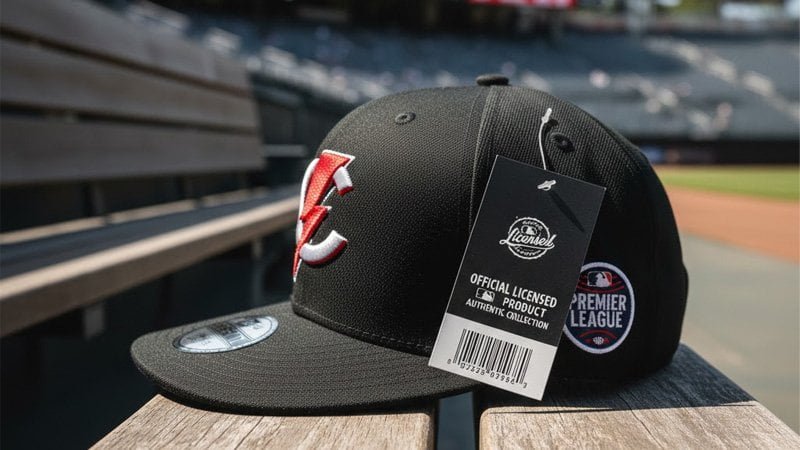
The single largest “hidden cost” behind the New Era 59FIFTY price is licensing.
When a hat includes official team branding, it carries royalty and trademark costs that are embedded into retail pricing. Licensing also comes with compliance obligations: correct logo placement, approved color standards, and brand-protected applications.
Then there’s on-field authenticity. New Era’s “Authentic On-Field” positioning implies a product built to specific standards—details that increase complexity and inspection time.
What you’re paying for:
Not just a logo, but verified legitimacy plus a spec system that protects consistency.
2) Premium Build, Materials & Structure: Shape That Lasts Costs More
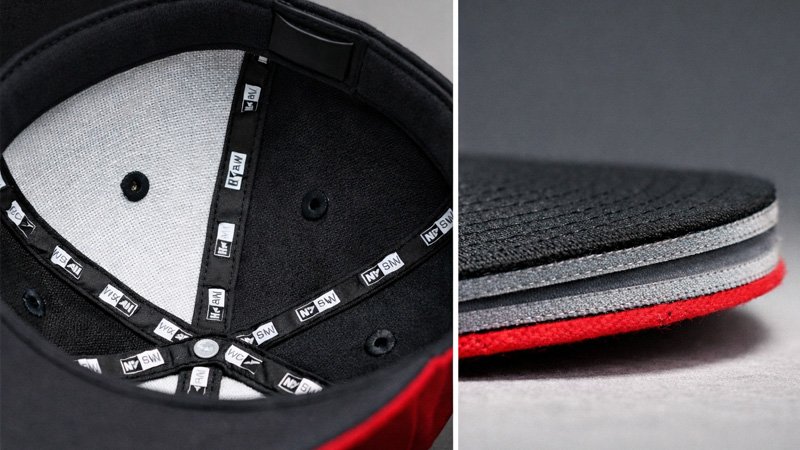
A fitted cap’s value isn’t only in how it looks—it’s in how it holds its silhouette over time.
New Era’s premium feel typically comes from:
-
Reinforced buckram for a firm crown
-
Structured six-panel construction for shape stability
-
High-density embroidery for crisp, dimensional logos
-
Interior taping and branded sweatbands for comfort and finish
-
Visor inserts designed to resist warping
Cheaper hats often lower cost through lighter structure, lower stitch density, simplified interior finishing, and broader tolerance standards. Those savings show up later as faster shape collapse, less consistent fit, or visible manufacturing variation.
Premium takeaway:
Structure is not an aesthetic choice—it’s an engineering choice.
3) Fit Consistency & Quality Control: The Quiet Differentiator
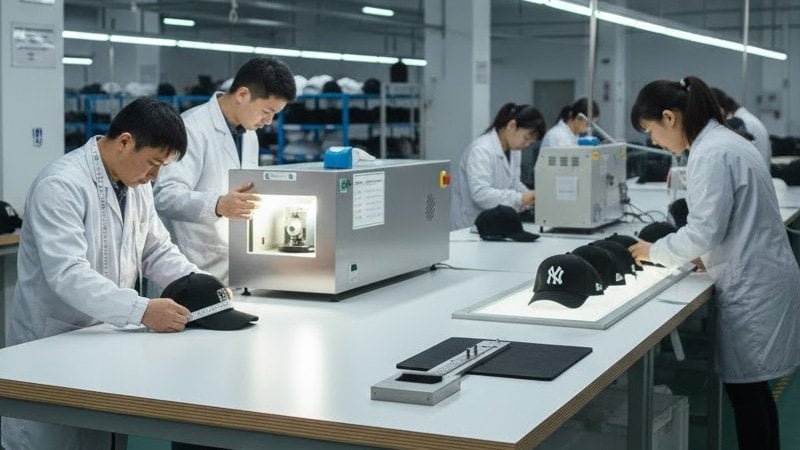
Most consumers can’t describe QC—but they can feel it.
One reason the New Era fitted cap cost stays high is that fitted caps demand repeatability across sizes and batches. Achieving consistency requires:
-
tighter measurement standards
-
process discipline in sewing/assembly
-
controlled embroidery execution
-
inspection checkpoints and defect thresholds
-
additional rework/scrap cost to protect the final experience
Collectors value that reliability. When a fitted cap’s size feels inconsistent from drop to drop, trust erodes quickly.
Premium takeaway:
Consistency is a product feature—one that costs money.
4) Scarcity, Drops & Collabs: Hype Economics That Reinforces Price
New Era pricing is also supported by “drop culture.”
Limited releases and collaborations create scarcity, and scarcity accelerates demand. When a cap is tied to an anniversary patch, special event, or exclusive colorway, it becomes a collectible.
Common premium drivers include:
-
limited production runs
-
short release windows
-
exclusive patches and embroidery packages
-
designer and streetwear collaborations
-
resale activity that signals cultural value
Premium takeaway:
Scarcity isn’t only marketing—it changes the economics of demand.
5) Distribution & Pricing Discipline: Why Discounts Are Rare
New Era also protects pricing through channel control: a tighter authorized retailer ecosystem and stronger pricing discipline reduce aggressive markdowns.
This matters because widespread discounting trains the market to wait for sales—and weakens “premium” positioning.
Pricing discipline supports:
Premium takeaway:
A premium product needs premium distribution strategy.
6) Upstream Cost Pressures: Inflation, Compliance & Smaller Runs
Beyond brand strategy, modern hat manufacturing has real cost pressure:
-
fabric and labor increases
-
more complex global logistics
-
compliance requirements (labeling, testing, restricted substances)
-
special editions with smaller runs (higher per-unit cost)
This is why two caps that look similar can differ significantly in cost once you account for total production and compliance overhead.
Premium takeaway:
The shelf price often reflects upstream reality, not just brand margin.
For many buyers, yes—because New Era delivers a unique combination of:
-
official legitimacy
-
on-field authenticity positioning
-
durable structure and consistent silhouette
-
collectable identity through drops and collaborations
For customers who only want an everyday cap, the value equation may favor premium non-licensed alternatives built with strong materials and QC—but without licensing fees.
What Premium Hat Brands Can Do Better Than “Copying” New Era
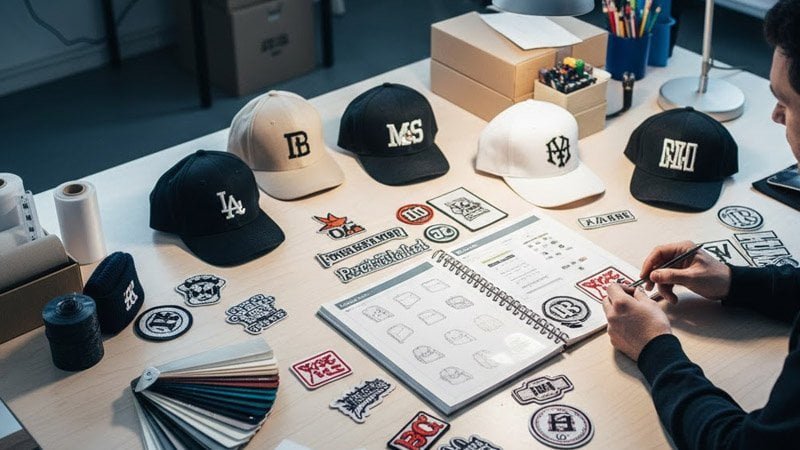
If you want to build a premium cap line—especially a structured fitted style—focus on what actually drives perceived value:
-
Silhouette engineering: crown height, panel shape, buckram selection
-
Embroidery precision: density, edge clarity, raised effects, patch quality
-
Repeatability systems: specs, tolerance control, in-line QC checkpoints
-
Intentional scarcity: capsule drops, limited colorways, event moments
-
Story that matches reality: craftsmanship and proof, not empty hype
Premium is not one feature. It’s a system.
Manufacture Premium Caps with a Brand-First Supply Chain Partner
GUANGZHOU EASTLUCKY Hat & Garment Co., Ltd. is a high-end custom hat and OEM/ODM manufacturer based in Guangzhou, China, with 15 years of expertise in professional R&D, production, and distribution of various hats and embroidered accessories.
Guided by the philosophy “Quality as Root, Innovation as Soul,” we provide global clients with a one-stop solution from design sampling to mass production, helping brands create efficient, consistent, high-quality supply chains.
If you want “New Era-level” structure and finish—without needing licensed branding—we support:
-
structured crown development and pattern refinement
-
reinforced buckram configuration and fit tuning
-
high-density embroidery and patch execution
-
fabric selection for performance and durability
-
sampling workflows for faster iteration
-
QC standards that protect silhouette consistency
FAQ (SEO-Friendly; Suitable for Schema Markup)
Why are New Era caps so expensive compared to other hats?
New Era caps cost more due to official league licensing royalties, on-field specification standards, premium structured construction, strict quality control, and scarcity-driven releases that increase demand and perceived value.
Does licensing really affect the price of a fitted cap?
Yes. Licensed hats include trademark and royalty fees and must follow approved branding and compliance rules, which increases both cost and production complexity.
Are New Era 59FIFTY caps higher quality than cheaper hats?
In many cases, yes. The 59FIFTY is known for structured construction, reinforced materials, dense embroidery, and consistent QC that helps maintain shape and fit over time.
Why do limited edition New Era caps cost more?
Limited runs increase per-unit manufacturing cost and create scarcity, which often increases demand. Special patches, embroidery packages, and exclusive colorways can also raise production costs.
Can brands make premium “New Era-style” caps without copying logos?
Yes. Brands can achieve a premium fitted look by focusing on structured crowns, reinforced buckram, high-density embroidery, consistent sizing standards, and strict QC—without licensed branding.