Embroidery vs. Screen Printing for Custom Caps: A Complete Guide for Bulk Buyers
When ordering custom caps in bulk, choosing the right logo decoration method is just as important as choosing the cap style, fabric or color. The logo is the first thing people notice, and it directly affects how professional, durable and valuable your custom cap looks.
Two of the most common logo decoration methods are embroidery and screen printing. Both can be used for branding, but they are not suitable for the same designs, materials or business purposes.
For most custom caps, embroidery is the more popular and recommended choice because it creates a raised, textured and long-lasting logo effect on structured hat panels. Screen printing is better for large, colorful and flat designs, especially on T-shirts, tote bags and some promotional fabric products.
In this complete guide, we will explain the differences between embroidery and screen printing, compare their advantages, and help bulk buyers choose the best logo method for custom caps.
Quick Answer: Which Method Is Better for Custom Caps?
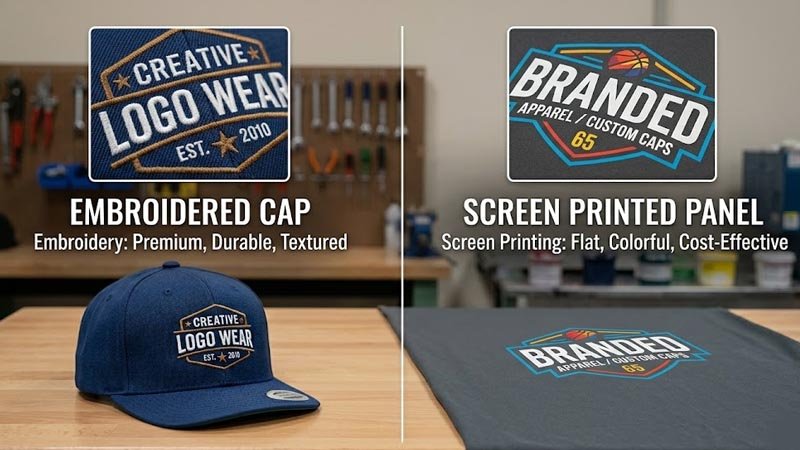
For most custom caps, embroidery is usually better than screen printing.
Embroidery works well on baseball caps, snapback hats, golf caps, trucker hats and uniform caps because it creates a premium and durable logo. It is especially suitable for company logos, team emblems, brand names and small to medium-sized artwork.
Screen printing is more suitable for flat fabric surfaces, large graphics and colorful promotional designs. It can be used on some cap panels, but it is usually less suitable for curved, textured or highly structured cap surfaces.
For custom caps, buyers often choose:
Flat embroidery for clean corporate logos;
3D puff embroidery for bold streetwear logos;
Woven patches for detailed logos and small text;
Embroidered patches for a textured and premium look;
Screen printing for simple flat designs or promotional projects.
What Is Embroidery?
Embroidery is a decoration method that uses colored threads to stitch a logo or design directly onto fabric. The result is a raised, textured and durable logo effect.
Before production, the logo artwork is converted into a digital embroidery file. This process is called digitizing. The embroidery machine then follows this file and stitches the design onto the cap panel.
Embroidery is one of the most popular logo methods for custom caps because it looks professional, feels premium and lasts for a long time.
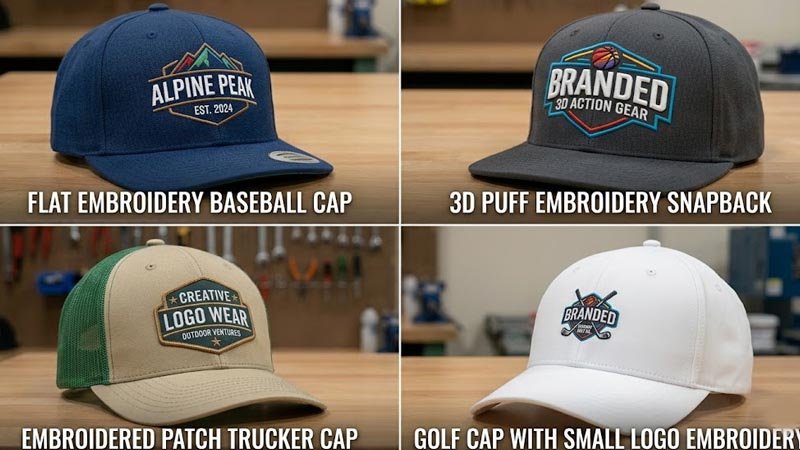
Custom caps are different from T-shirts or tote bags. A cap usually has a curved crown, structured front panels, seams, stitching lines and different fabric thicknesses. These details make logo decoration more challenging.
Embroidery works well on caps because the thread becomes part of the fabric surface. It can hold its shape on structured panels and create a strong visual effect.
Embroidery is commonly used for:
Baseball caps;
Snapback caps;
Golf caps;
Trucker caps;
Dad hats;
5-panel caps;
Bucket hats;
Workwear caps;
Team caps;
Corporate uniform caps.
Advantages of Embroidery
1. Premium and Professional Appearance
Embroidery gives custom caps a high-end look. The raised thread texture makes the logo stand out and creates a more valuable brand impression.
This is why many companies, golf clubs, sports teams, fashion brands and corporate buyers choose embroidered caps for their branding projects.
2. Excellent Durability
Embroidered logos are stitched directly into the fabric, so they do not peel or crack. Compared with many printed designs, embroidery can better withstand regular use, handling and washing.
For caps that will be worn frequently, embroidery is a reliable long-term choice.
3. Strong Brand Recognition
Embroidery is ideal for logos, letters, emblems and simple icons. A clean embroidered logo can make a cap look more professional and easier to recognize.
For brands that care about image and quality, embroidery is often the first choice.
4. Suitable for Many Cap Styles
Embroidery can be applied to many cap types, including structured caps, unstructured caps, cotton caps, twill caps, denim caps and polyester caps.
Different embroidery techniques can also create different styles, from clean corporate branding to bold streetwear designs.
Limitations of Embroidery
Although embroidery is very suitable for custom caps, it is not perfect for every design.
Embroidery may not be ideal for:
Very small text;
Thin lines;
Complex gradients;
Photo-like artwork;
Large filled areas;
Extremely detailed patterns.
The cost of embroidery is usually affected by stitch count. A larger or more complex logo requires more stitches, which increases production time and cost.
For detailed artwork, a woven patch or printed label may sometimes be a better option.
Common Embroidery Options for Custom Caps
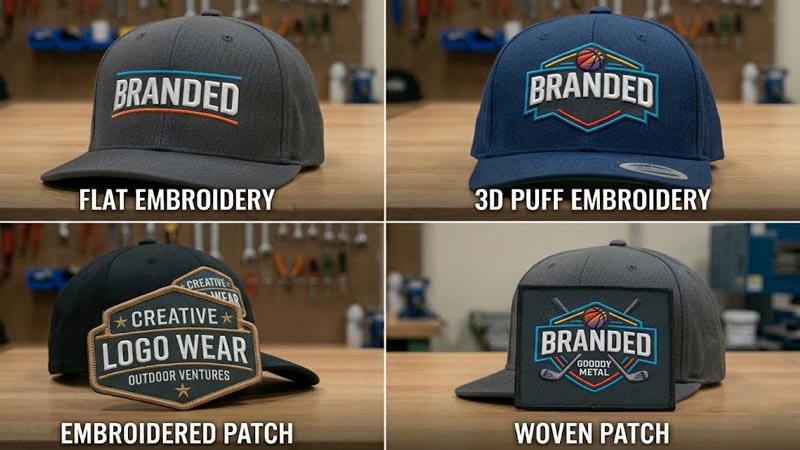
Flat Embroidery
Flat embroidery is the most common embroidery method. The logo is stitched flat onto the cap surface. It is suitable for company logos, text, simple icons and professional branding.
Best for:
Corporate caps;
School caps;
Event caps;
Golf caps;
Uniform caps.
3D Puff Embroidery
3D puff embroidery uses foam under the stitches to create a raised three-dimensional effect. It is popular for snapback caps, streetwear caps and bold logo designs.
Best for:
Large letters;
Bold logos;
Sports caps;
Fashion caps;
Streetwear brands.
However, 3D puff embroidery is not suitable for very thin lines or small detailed text.
Embroidered Patch
An embroidered patch is made separately and then sewn or heat-applied onto the cap. It creates a strong textured look and is suitable for vintage, outdoor or fashion-style caps.
Best for:
Outdoor brands;
Lifestyle brands;
Retail caps;
Promotional collections.
Woven Patch
A woven patch is made with finer threads than embroidery, so it can show smaller details and clearer text. It is a good choice when the logo is too detailed for direct embroidery.
Best for:
Small text;
Detailed logos;
Label-style branding;
Retail-ready caps.
What Is Screen Printing?
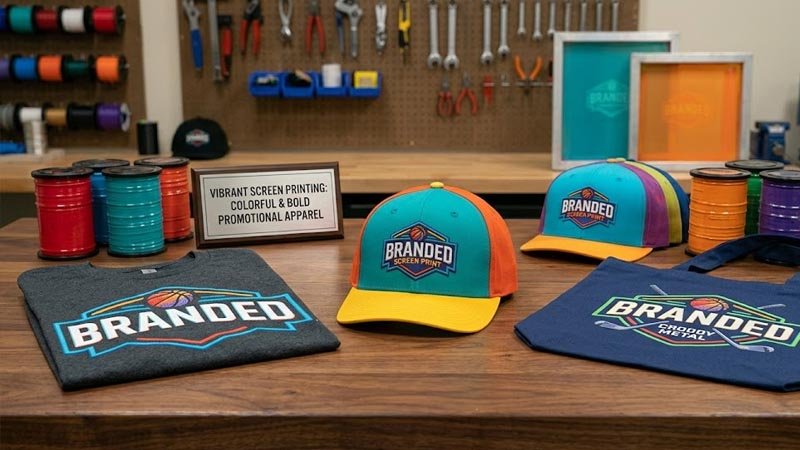
Screen printing is a decoration method that uses ink and a mesh screen to transfer the design onto fabric. Each color usually needs a separate screen.
The final effect is smooth, flat and colorful. Screen printing is very popular for T-shirts, hoodies, tote bags and promotional apparel.
For caps, screen printing can be used in some cases, but it depends on the cap material, panel structure and logo design.
Advantages of Screen Printing
1. Good for Large Graphic Designs
Screen printing works well for large graphics, bold text and simple flat artwork. If the design covers a wide area and does not need a raised texture, screen printing can be a practical choice.
2. Bright and Vibrant Colors
Screen printing can create strong and eye-catching colors. It is suitable for promotional designs that need high visual impact.
3. Cost-Effective for Large Quantities
For large orders with the same design, screen printing can be cost-effective because the setup cost is spread across the whole order.
This makes it popular for event merchandise, promotional apparel and large-volume campaigns.
4. Smooth Surface Feel
Unlike embroidery, screen printing does not add thread texture. The design stays flat on the fabric, which is suitable for some casual or lightweight products.
Limitations of Screen Printing on Caps
Screen printing is not always the best choice for caps because caps are not completely flat. Structured cap panels, curved surfaces, seams and textured fabrics can make printing more difficult.
Screen printing may not be ideal for:
Mesh trucker caps;
Highly curved front panels;
Thick or textured fabrics;
Small detailed logos on curved surfaces;
Premium brand caps that need a raised logo effect.
Printed logos may also fade or crack over time if the ink quality, curing process or washing care is not good.
Embroidery vs. Screen Printing: Key Differences
| Factor |
Embroidery |
Screen Printing |
| Logo Effect |
Raised, textured, premium |
Flat, smooth, colorful |
| Best For |
Custom caps, uniforms, polos, jackets |
T-shirts, tote bags, flat fabric products |
| Durability |
Very high |
Medium to high |
| Design Style |
Simple logos, text, emblems |
Large graphics, colorful designs |
| Color Performance |
Good for solid colors |
Good for vibrant and multicolor designs |
| Detail Level |
Limited for tiny details |
Better for fine graphics on flat surfaces |
| Cost Factor |
Stitch count, logo size, complexity |
Number of colors, screens, print area |
| Best Order Type |
Premium branding and long-term use |
Bulk promotional printing |
| Cap Compatibility |
Very strong |
Limited by surface and material |
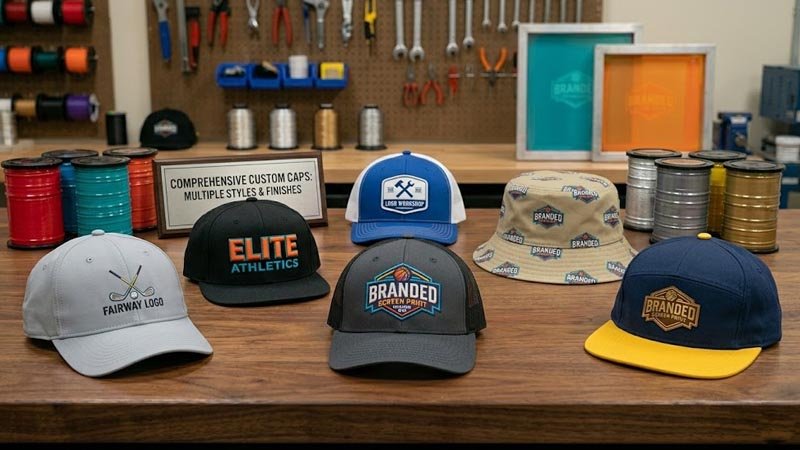
Baseball Caps
Baseball caps are one of the best products for embroidery. Flat embroidery is ideal for clean logos, while 3D puff embroidery works well for bold front designs.
Recommended methods:
Flat embroidery;
3D puff embroidery;
Embroidered patch;
Woven patch.
Snapback Caps
Snapback caps are often used for streetwear, sports and fashion brands. Their structured front panels are perfect for bold embroidery.
Recommended methods:
3D puff embroidery;
Flat embroidery;
Woven patch;
Rubber patch.
Trucker Caps
Trucker caps usually have a foam, cotton or twill front panel with mesh back panels. Embroidery or patches are usually applied to the front panel.
Recommended methods:
Flat embroidery;
Embroidered patch;
Woven patch;
Leather patch.
Screen printing is usually not recommended on the mesh back.
Golf Caps
Golf caps often require a clean, premium and professional logo. Flat embroidery is usually the best option.
Recommended methods:
Flat embroidery;
Small side embroidery;
Woven label;
Subtle back logo embroidery.
Bucket Hats
Bucket hats can use embroidery for small front logos or side logos. For casual fashion designs, printing may also be used depending on the fabric.
Recommended methods:
Flat embroidery;
Woven patch;
All-over printing;
Small screen printing.
5-Panel Caps
5-panel caps often have a flatter front panel, which allows more decoration flexibility.
Recommended methods:
Flat embroidery;
Woven patch;
Screen printing;
Heat transfer logo.
Logo placement also affects the final look and production method.
Front Panel
The front panel is the most common position for main branding. It is best for embroidery, 3D puff embroidery and patches.
Side Panel
Side embroidery is suitable for small logos, flags, slogans or secondary branding.
Back Panel
The back panel can be used for a website, short slogan, brand name or small embroidered logo.
Brim
The brim can be decorated with small embroidery, woven labels or printed details, depending on the design.
Inner Tape and Sweatband
For private label and retail brands, inner tape and sweatband customization can help create a complete branded product.
How to Choose Based on Your Logo Design
Choose embroidery if your logo has:
Simple lines;
Solid colors;
Clear text;
Small to medium size;
Professional brand style;
Long-term use requirements.
Choose screen printing if your logo has:
Large flat graphics;
Many colors;
Gradients;
Fine artwork;
Promotional style;
A large printing area.
Choose woven patch if your logo has:
Small text;
Detailed patterns;
Thin lines;
Label-style design;
Retail branding needs.
Choose 3D puff embroidery if your logo has:
Bold letters;
Thick lines;
Simple shapes;
Streetwear style;
Strong visual impact.
Cost Comparison for Bulk Buyers
For bulk buyers, cost is always an important factor. However, the cheapest method is not always the best choice. The right method should match the product value, brand image and usage purpose.
What Affects Embroidery Cost?
Embroidery cost is mainly affected by:
Stitch count;
Logo size;
Embroidery area;
Thread colors;
Flat or 3D puff embroidery;
Cap structure;
Order quantity.
A larger filled logo usually costs more because it needs more stitches and more machine time. Even if the logo uses only one color, a large design may still cost more than a small multi-color design.
What Affects Screen Printing Cost?
Screen printing cost is mainly affected by:
Number of colors;
Number of screens;
Printing size;
Ink type;
Fabric type;
Setup cost;
Order quantity.
For screen printing, each color normally requires a separate screen. This means a multi-color design may have a higher setup cost.
Which Is More Cost-Effective?
For premium custom caps, embroidery is usually worth the investment because it improves the product’s perceived value.
For large-volume promotional apparel or simple flat designs, screen printing may be more cost-effective.
For detailed logos on caps, woven patches may offer a good balance between cost, detail and appearance.
Recommended Logo Method by Buyer Type
| Buyer Type |
Recommended Method |
| Corporate Uniform Buyers |
Flat embroidery |
| Sports Teams |
Flat embroidery or 3D puff embroidery |
| Streetwear Brands |
3D puff embroidery or woven patch |
| Golf Clubs |
Flat embroidery |
| Outdoor Brands |
Embroidered patch or leather patch |
| Event Companies |
Simple embroidery or screen printing |
| Retail Fashion Brands |
Woven patch, embroidered patch or 3D embroidery |
| Schools and Clubs |
Flat embroidery |
| Promotional Gift Buyers |
Embroidery for caps, screen printing for apparel |
Common Mistakes to Avoid Before Production
1. Using Embroidery for Very Small Text
Small text may not be clear when embroidered. If the letters are too tiny, a woven patch may be better.
2. Choosing 3D Puff Embroidery for Thin Lines
3D puff embroidery needs bold shapes. Thin lines and small details may not work well.
3. Ignoring the Cap Surface
Caps have curved panels and seams. A design that looks good on a flat screen may not work perfectly on a cap.
4. Making the Logo Too Large
A very large embroidered logo can make the front panel stiff or cause slight puckering. Proper logo sizing is important.
5. Not Checking a Sample
For bulk orders, it is always better to check a sample before mass production. This helps confirm logo size, color, placement and final effect.
Factory Recommendation
From a factory perspective, the best logo method should be selected after checking the logo artwork, cap structure, fabric type, order quantity and target market.
As a Guangzhou-based high-end custom hat and OEM/ODM manufacturer with 15 years of experience, GUANGZHOU EASTLUCKY Hat & Garment Co., Ltd. supports global brands from design sampling to mass production. With professional R&D, production and distribution capabilities, EASTLUCKY helps buyers choose suitable decoration methods such as flat embroidery, 3D puff embroidery, woven patches, embroidered patches, screen printing and other custom solutions.
For bulk buyers, working with an experienced custom cap factory can reduce production risks, improve logo quality and ensure more consistent results from sample to mass production.
Final Recommendation: Embroidery or Screen Printing?
If you are ordering custom caps, embroidery is usually the better choice for most projects. It is durable, professional and suitable for structured cap panels.
Choose embroidery if you want:
A premium logo effect;
Long-lasting branding;
Custom caps for uniforms;
Corporate or team caps;
A professional product image.
Choose screen printing if you want:
Large flat graphics;
Colorful promotional designs;
Cost-effective bulk printing;
Designs on flatter fabric products;
Casual event merchandise.
For many custom cap projects, buyers may also consider woven patches, embroidered patches or 3D puff embroidery depending on the logo and brand style.
The best choice is not always one single method. It depends on your design, cap style, fabric, budget and target market.
Conclusion
Embroidery and screen printing are both useful decoration methods, but they serve different purposes.
For custom caps, embroidery is usually the preferred option because it offers a raised, durable and premium logo effect. It works especially well on baseball caps, snapback caps, golf caps, trucker caps and uniform caps.
Screen printing is better for large, colorful and flat designs, especially on T-shirts, tote bags and some promotional fabric products. It can be used on certain cap styles, but it is more limited by fabric surface and cap structure.
For bulk buyers, the best solution is to review the logo artwork, cap material, order quantity and branding purpose before production. A professional custom cap manufacturer can help recommend the most suitable method and make sure the final product matches your brand image.
Is embroidery better than screen printing for caps?
Yes, embroidery is usually better for custom caps because it is more durable and works well on structured hat panels. It also gives the cap a more premium and professional look.
Can screen printing be used on caps?
Yes, screen printing can be used on some caps, especially when the fabric surface is flat and smooth. However, it is not always suitable for curved, textured or mesh areas.
What is the best logo method for snapback caps?
For snapback caps, 3D puff embroidery and flat embroidery are very popular. Woven patches are also a good option for detailed logos.
What is the best logo method for trucker caps?
For trucker caps, embroidery or patches are usually applied to the front panel. The mesh back is generally not suitable for embroidery or screen printing.
Is 3D puff embroidery good for all logos?
No. 3D puff embroidery works best for bold letters and simple shapes. It is not suitable for thin lines, small text or highly detailed artwork.
Which method is more durable?
Embroidery is generally more durable because the logo is stitched into the fabric. Screen printing can also last well, but it may fade or crack over time depending on ink quality and care.
Which method is more cost-effective for bulk orders?
Screen printing can be more cost-effective for large-volume flat printing projects. However, for custom caps, embroidery often provides better value because it improves the product’s quality and brand image.
What file format is needed for embroidery?
Usually, buyers can provide AI, PDF, EPS, PNG or JPG artwork. The factory will convert the logo into an embroidery file before production.
Can small text be embroidered on caps?
Small text can be embroidered if the size is large enough. If the text is too small, a woven patch may provide better clarity.
Should I make a sample before bulk production?
Yes. For bulk custom cap orders, making a sample is strongly recommended. It helps confirm logo size, thread color, placement, cap fit and overall quality before mass production.
Men’s Hat Styles Explained: Complete Guide + Comparison & Buying Tips
From streetwear to luxury fashion, men’s hats are making a strong comeback. Whether it’s a classic fedora or a modern bucket hat, the right choice can define your entire look.
But with so many styles available, one question remains:
Which hat is right for you—or your brand?
This complete guide breaks down the most popular men’s hat styles, their differences, and how to choose the perfect option for both personal wear and custom branding.
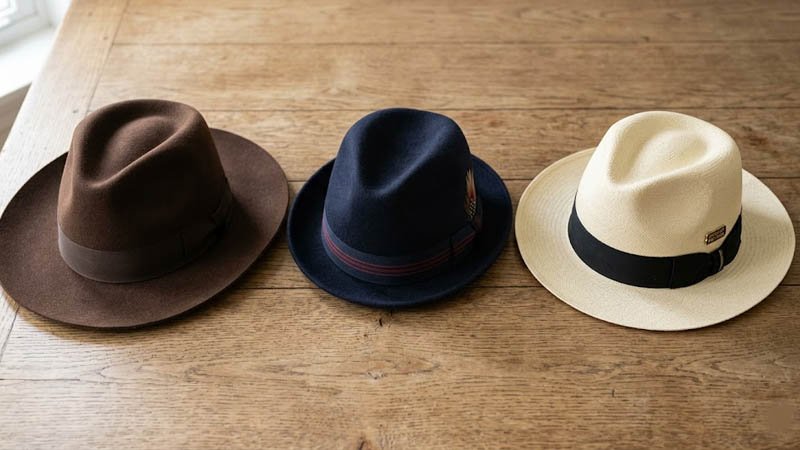
Classic hats offer timeless elegance and structured design, making them ideal for formal and smart-casual looks.
Fedora
Description: Soft brim, pinched crown, typically made from felt
Style Use: Smart-casual to formal outfits
Price Range: Mid to high-end
👉 Compared to a trilby, the fedora has a wider brim, making it more suitable for formal occasions and balanced proportions.
Homburg
Description: Felt hat with a stiff curled brim and center crease
Style Use: Formal events, business wear
Price Range: High-end
👉 Often associated with classic elegance and authority.
Trilby
Description: Narrow brim angled downward
Style Use: Trendy, modern outfits
Price Range: Mid-range
👉 Key Difference:
- Fedora = classic & formal
- Trilby = stylish & casual
Porkpie
Description: Flat crown with a circular crease
Style Use: Creative, artistic styling
Price Range: Mid-range
Boater
Description: Flat straw hat with a ribbon band
Style Use: Summer semi-formal events
Price Range: Mid-range
Panama Hat
Description: Lightweight, handwoven straw hat from Ecuador
Style Use: Summer elegance, travel, outdoor events
Price Range: Mid to premium
👉 Note: Authentic Panama hats are finer and more breathable than standard straw hats.
Casual & Sporty Hats

These styles are designed for everyday comfort, practicality, and modern fashion.
Description: Curved brim; trucker hats feature mesh backs
Style Use: Casual wear, sports, promotions
Price Range: Low to mid-range
👉 Best for Branding:
Large front panels make them ideal for embroidery and logo printing.
Description: Soft fabric with a downward brim
Style Use: Streetwear, festivals, outdoor use
Price Range: Low to mid-range
👉 Trend Insight: A major comeback driven by Gen Z and fashion influencers.
Beanie
Description: Knit cap for warmth
Style Use: Winter wear and urban style
Price Range: Low to mid-range
👉 Material Tip:
- Acrylic = affordable
- Wool = premium & warmer
Heritage & Regional Styles
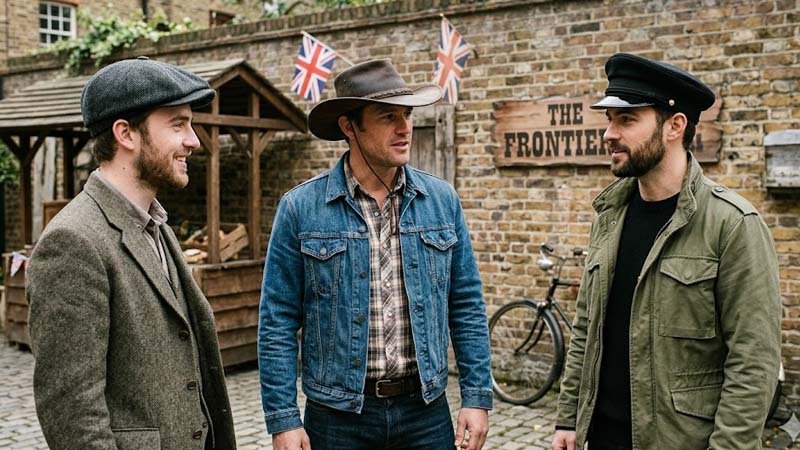
These hats carry cultural significance and unique character.
Flat Cap / Newsboy Cap
Style: Vintage yet versatile
Best For: Smart casual outfits
Mariner’s / Peaked Caps
Style: Structured and practical
Best For: Windy conditions and nautical looks
Cowboy / Western Hats
Style: Wide brim and bold design
Best For: Outdoor use and statement fashion
Top Hat
Style: Formal and ceremonial
Best For: Weddings, performances, special occasions
Hat Style Comparison (Quick Guide)
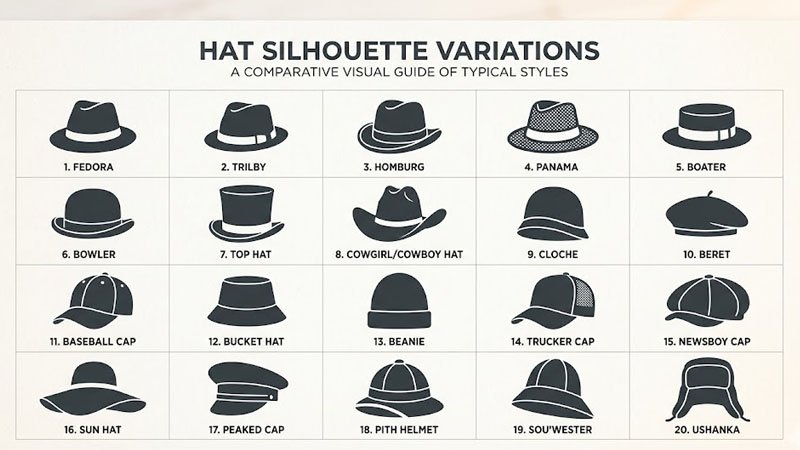
| Style |
Formality |
Best Season |
Key Feature |
| Fedora |
High |
Fall/Winter |
Classic wide brim |
| Trilby |
Medium |
All |
Narrow brim |
| Baseball Cap |
Low |
All |
Casual & versatile |
| Bucket Hat |
Low |
Summer |
Soft & trendy |
| Panama |
Medium |
Summer |
Lightweight & breathable |
How to Choose the Right Hat

By Occasion
- Formal: Fedora, Homburg, Panama
- Casual: Baseball cap, bucket hat, flat cap
By Material
- Felt → warm & durable
- Straw → lightweight & breathable
- Knit → flexible & comfortable
By Face Shape
- Round face → structured hats
- Long face → wider brims
Sizing Tips
- Choose adjustable designs when possible
- Ensure a snug but comfortable fit
- For bulk orders, consistent sizing is essential
Hat Trends in 2025
The hat market continues to evolve with fashion and consumer behavior:
- Bucket hats → strong comeback in streetwear
- Vintage styles (flat caps, fedoras) → rising popularity
- Sustainable materials → increasing demand from global brands
- Custom logo hats → key tool for brand marketing
👉 Brands are increasingly using hats not just as accessories, but as branding assets.
Common Mistakes When Choosing a Hat
Avoid these common errors:
- Choosing the wrong size
- Ignoring face shape
- Wearing formal hats in casual settings
- Overlooking material suitability for the season
For Brands: Choosing the Right Hat for Customization
For businesses, selecting the right hat style is critical for both branding and market success.
- Baseball Caps: Best for logos and promotions
- Bucket Hats: Ideal for younger audiences and fashion brands
- Beanies: Perfect for seasonal campaigns
For brands looking to develop custom hat collections, choosing the right manufacturing partner is just as important as selecting the right style.
GUANGZHOU EASTLUCKY Hat & Garment Co., Ltd. is a high-end custom hat and OEM/ODM manufacturer with over 15 years of experience. With strong R&D capabilities, strict quality control, and efficient supply chain management, we provide one-stop solutions—from design sampling to mass production—helping global brands bring their ideas to market quickly and reliably.
Hat Care & Maintenance
Cleaning Tips
- Felt → brush gently
- Straw → wipe with damp cloth
- Knit → hand wash and air dry
Storage Tips
- Use hat stands or boxes
- Avoid direct sunlight exposure
Conclusion
Men’s hats are more than accessories—they’re tools for expression, function, and branding.
Whether you’re choosing a hat for personal style or developing a product line, understanding different styles, materials, and use cases will help you make smarter decisions.
Looking for Custom Hat Solutions?
- Free design mockup within 24 hours
- Flexible MOQ for bulk orders
- Global shipping with reliable lead times
👉 Contact us today to start your custom hat project.
FAQs
What hat styles are best for summer?
Panama hats, boater hats, and bucket hats are ideal due to breathability.
How do I know if a hat fits correctly?
It should feel secure without pressure and stay in place when moving.
Can I wear a fedora casually?
Yes, pairing a fedora with casual outfits can create a stylish contrast.
Which hat is best for branding?
Baseball caps are the most versatile and widely used for customization.
Do Trucker Hats Protect You from the Sun? A Guide to UV Protection, Hat Styles, and Smart Upgrades
Trucker hats are often a go-to choice for hot weather, offering a breathable design and a stylish look. But when it comes to sun protection, how effective are they? Do trucker hats really shield you from UV rays, or is the protection just partial? This guide answers that question and helps you choose the right hat for maximum sun safety. Whether you want to keep the classic trucker look or upgrade to a more protective style, you’ll get all the information you need.
Featured Snippet Intro:
Do trucker hats protect you from the sun? While trucker hats provide partial sun protection by shading the forehead and eyes, they leave ears, neck, and cheeks exposed. For better coverage, especially during prolonged outdoor exposure or high UV conditions, consider upgrading to a wide-brim hat or adding a neck flap. Use sunscreen and sunglasses to fill in the gaps for complete sun safety.
1) The Short Answer: What a Trucker Hat Protects
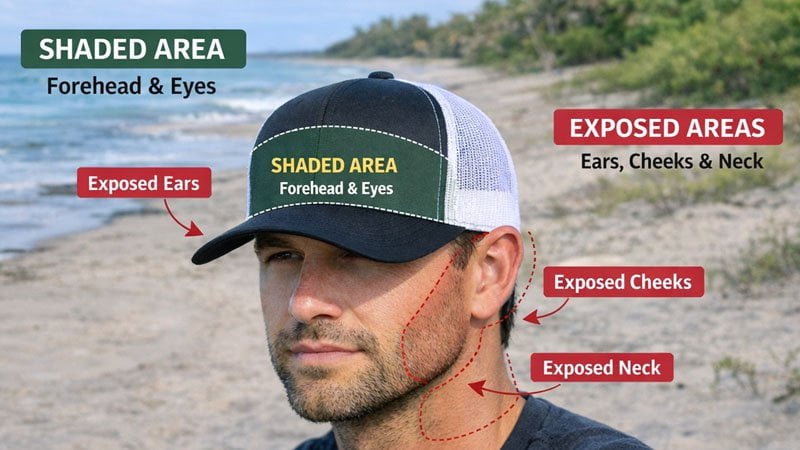
A trucker hat does provide partial sun protection, but it does not cover all of your skin. Here’s how it works:
-
Shields: The brim blocks UV rays from your forehead and eyes, reducing the intensity of direct sunlight.
-
Exposes: The ears, neck, and cheeks are often left exposed, which increases the risk of sunburn in those areas, especially with prolonged sun exposure. The mesh panels at the back also allow UV rays to pass through more easily than solid fabrics.
So while a trucker hat can be effective for short outdoor breaks, it’s not enough if you’re out in the sun for extended periods.
2) Use This 10-Second Test: When Is a Trucker Hat “Enough”?
To determine if a trucker hat offers sufficient protection, assess these three key factors:
A) UV Conditions (Intensity)
-
Low UV: Early morning, late afternoon, cloudy days, or winter sun
-
High UV: Midday, clear skies, or summer heat
B) Exposure Time
-
< 30 minutes: The brim + sunscreen is usually sufficient
-
30–120 minutes: Protection gaps start to add up, and you’ll need to cover more areas
-
2+ hours: A wider-brimmed hat or neck-flap design is recommended for full protection
C) Reflective Surfaces
When near water, sand, snow, or light-colored concrete, UV rays bounce off and hit your skin from the side or below. In these environments, a standard trucker hat alone will not be enough.
Practical Rule:
-
Short time + low UV + non-reflective setting → a trucker hat may be sufficient with sunscreen and sunglasses
-
Long exposure OR high UV OR reflective setting → opt for a wide-brim hat or neck-flap cap + sunscreen
3) Shade Isn’t Enough: Understanding UPF and Fabric Choice
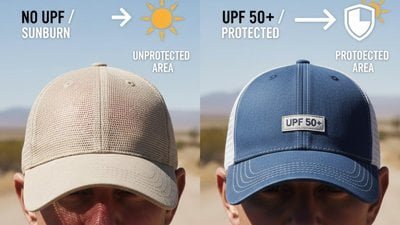
While a trucker hat may provide shade, shade alone doesn’t guarantee protection. Here’s why:
A) Shade (Brim Geometry)
The brim blocks direct UV rays from above but doesn’t shield the sides of your face or neck. Depending on the brim length and angle, a trucker hat may leave important areas exposed.
B) UPF (Ultraviolet Protection Factor)
UPF is a measure of how well a fabric blocks UV radiation.
-
UPF 50: Only 2% of UV passes through, providing excellent protection.
-
No UPF Label: Means the fabric may not block UV effectively, making it less reliable for long outdoor exposure.
Important: Even when a hat provides shade, fabrics with low UPF (like mesh) might still allow UV through, which means you’re not fully protected.
4) Where a Trucker Hat Falls Short (And How to Fix It)
Trucker hats are great for casual wear, but they’re not designed for maximum sun protection. These are the common weak points:
-
Ears: Often unprotected by the small brim
-
Neck: The back of the neck is highly exposed to UV
-
Cheeks & Sides of Face: Only the forehead is shaded, while your cheeks and jawline are left vulnerable
-
Mesh Panels: Allow UV rays to pass through, reducing the overall protection
In high UV conditions or for longer durations, these weak spots could lead to sunburn.
5) A Simple Brim Size Guide: What You Need to Know
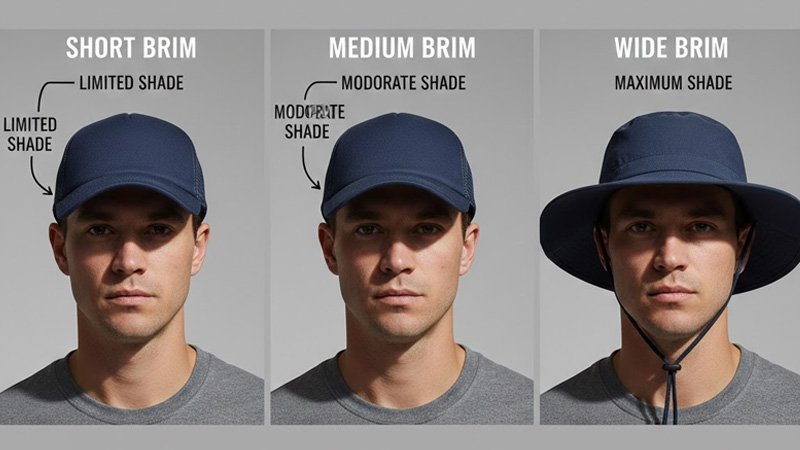
The brim of your hat plays a critical role in UV coverage. Here’s how it impacts protection:
Standard Cap Brim (Common for Trucker Hats)
-
Best for forehead and eyes
-
Limited shade for cheeks and jawline
-
No protection for ears and neck
Wide-Brim Hats
-
Offers full coverage for face, ears, and neck
-
Best for high UV exposure or longer periods outdoors
Neck-Flap (Legionnaire) Caps
-
Provides ear and neck protection while still offering cap-like comfort
-
Ideal for sports, work, or long outdoor hours
Tip: If you want better protection, brim size matters—consider switching to a wider brim for more comprehensive coverage.
6) Smart Materials and Fabric Choice: What to Look for
Not all fabrics block UV equally. Here’s a breakdown of what works:
Best Materials for UV Protection
-
Dense polyester or nylon fabrics offer the best UV blocking performance
-
Tightly woven cotton works better than loose weave fabrics
-
UPF-rated textiles guarantee a strong level of protection
What to Avoid
Color Consideration: Darker colors absorb more UV, but fabric density is the primary factor in UV protection. If comfort and glare reduction are important, choose a darker underbrim.
7) How to Upgrade a Trucker Hat for Better Sun Protection
If you love the trucker hat look but want more sun protection, consider these two upgrade paths:
Route A: Keep the Classic Look (Minimal Change)
Ideal for lifestyle brands or everyday wear.
-
Denser or UPF-rated front panel: Helps block UV where it matters most.
-
Longer brim (2.75–3 inches): Adds more shade without changing the classic style.
-
Darker underbrim: Helps reduce glare, improving eye comfort.
-
Layered habits: Sunscreen for ears, neck, and cheeks + UV-blocking sunglasses.
Route B: Maximize Sun Protection (For High UV Environments)
Ideal for outdoor workers, athletes, and long exposure.
-
Replace mesh with UV-blocking ventilation: Tightly woven micro-perforated fabrics can keep you cool while blocking more UV.
-
Add a neck flap (clip-on or integrated): Protects vulnerable areas like the ears and neck.
-
Full UPF-rated construction: Ensure all panels are designed to block UV, not just the front.
-
Sweat-wicking and cooling features: Keep you comfortable and ensure the hat stays on during long activities.
8) Trucker Hat Sun Protection Checklist
Use this checklist to evaluate your trucker hat’s effectiveness in sun protection:
| Feature |
Effect on Protection |
| Brim Length |
A longer brim (2.75–3 inches) offers better shade for the face. |
| Fabric (UPF-rated) |
Dense fabrics like polyester or nylon block more UV than thin or open-weave fabrics. |
| Mesh Panels |
Mesh allows UV rays to pass through—choose solid fabrics for better coverage. |
| Darker Underbrim |
Helps reduce glare and protects eyes from reflected UV. |
| Neck Flap (Clip-on or Integrated) |
Provides added coverage for ears and neck, which are often exposed in standard caps. |
| Sunscreen |
Apply to exposed areas (ears, neck, cheeks, etc.) for added protection. |
| Sunglasses |
Protects eyes from UV rays, especially in reflective environments. |
Tip: If you’re spending more than 30 minutes outdoors, combine your trucker hat with sunscreen and sunglasses for optimal protection.
9) FAQs
Can I make a trucker hat more protective without changing its look?
Yes. Upgrade the front panel to a denser or UPF-rated fabric, use a slightly longer brim, and add a darker underbrim. Then apply sunscreen for ears, neck, and cheeks and use sunglasses.
Are trucker hats safe for kids under strong sun?
For long sun exposure, wide-brim or neck-flap designs are safer because kids’ skin is more sensitive, especially on the ears and neck. If using a trucker hat, make sure to apply sunscreen and consider a neck flap.
Can reflective UV cause damage even if I sit in the shade?
Yes. UV can reflect off surfaces like water, sand, and snow, hitting your skin from below or from the sides. Shade blocks direct UV but doesn’t shield from reflected rays.
How often should I reapply sunscreen if I’m wearing a hat?
A hat reduces exposure to the face, but ears, neck, and other exposed areas still need sunscreen. Reapply sunscreen based on the product’s instructions and more frequently if you’re sweating or near water.
10) Create Smarter Trucker Hats with Sun Protection (OEM/ODM Support)
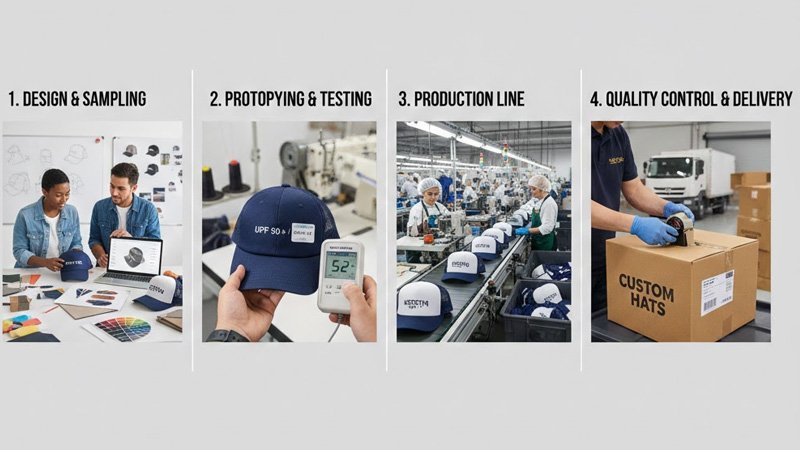
If you’re designing hats for retail or outdoor work, ensure your trucker hats combine style with sun safety. Whether it’s a custom wide-brim, neck-flap, or UPF fabric, GUANGZHOU EASTLUCKY Hat & Garment Co., Ltd. provides expert solutions for quality and performance.
With over 15 years in custom hat manufacturing and expertise in OEM/ODM services, we offer tailored designs, fast sampling, and high-quality production that meets sun protection standards. Contact us today to start creating custom trucker hats that balance breathability, comfort, and UV safety.
This version should be more optimized for Google search, easy to read, and practical for consumers seeking quick, actionable information about trucker hats and sun protection. If you need further adjustments or additional content, feel free to ask!
Why Are New Era Caps So Expensive? The Real Cost Behind 59FIFTY Pricing—and What Premium Hat Brands Can Learn
New Era caps—especially the iconic 59FIFTY fitted—often cost more than the average baseball hat. And while it’s easy to label that premium as hype, the price is usually a reflection of real inputs: official sports licensing, on-field specification discipline, premium construction, tight quality control, and scarcity-driven releases that elevate collectability.
If you’ve been asking “why are New Era caps so expensive?” this guide breaks down the true cost structure behind New Era pricing—and offers practical insights for brands who want a similar “premium” outcome through design, build, and supply chain execution.
Quick Take: Why New Era Hats Cost More
New Era hats are expensive because they stack multiple cost drivers at once:
-
Official league licensing fees (MLB/NFL/NBA royalties)
-
On-field authenticity standards (spec-driven build requirements)
-
Premium materials and structured construction (shape retention)
-
Strict quality control for consistent fit and silhouette
-
Limited drops, collaborations, and collector demand
-
Distribution and pricing discipline (fewer deep discounts)
Together, these factors position New Era as more than merchandise—it’s a certified piece of sports culture and streetwear identity.
1) Licensing & On-Field Authenticity: The Biggest Built-In Premium
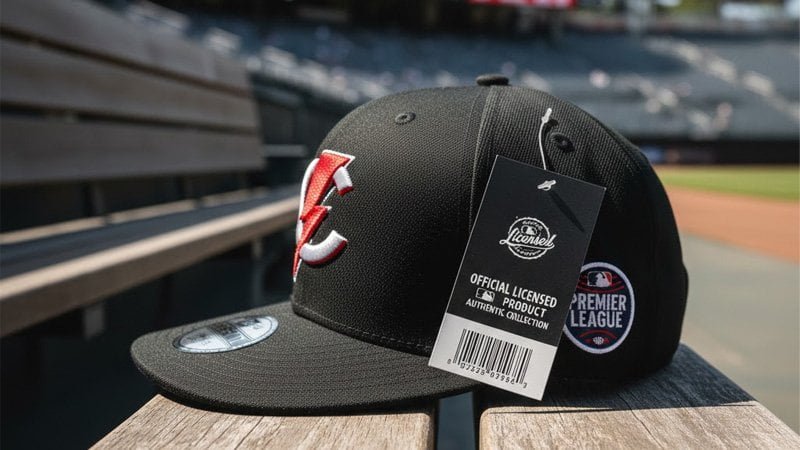
The single largest “hidden cost” behind the New Era 59FIFTY price is licensing.
When a hat includes official team branding, it carries royalty and trademark costs that are embedded into retail pricing. Licensing also comes with compliance obligations: correct logo placement, approved color standards, and brand-protected applications.
Then there’s on-field authenticity. New Era’s “Authentic On-Field” positioning implies a product built to specific standards—details that increase complexity and inspection time.
What you’re paying for:
Not just a logo, but verified legitimacy plus a spec system that protects consistency.
2) Premium Build, Materials & Structure: Shape That Lasts Costs More
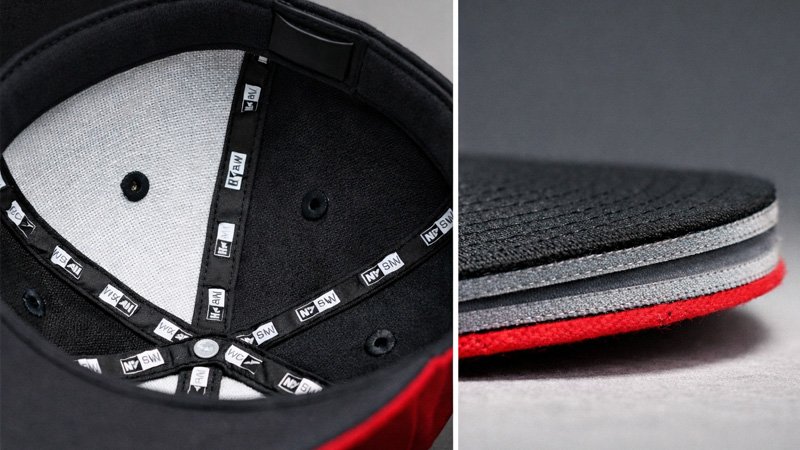
A fitted cap’s value isn’t only in how it looks—it’s in how it holds its silhouette over time.
New Era’s premium feel typically comes from:
-
Reinforced buckram for a firm crown
-
Structured six-panel construction for shape stability
-
High-density embroidery for crisp, dimensional logos
-
Interior taping and branded sweatbands for comfort and finish
-
Visor inserts designed to resist warping
Cheaper hats often lower cost through lighter structure, lower stitch density, simplified interior finishing, and broader tolerance standards. Those savings show up later as faster shape collapse, less consistent fit, or visible manufacturing variation.
Premium takeaway:
Structure is not an aesthetic choice—it’s an engineering choice.
3) Fit Consistency & Quality Control: The Quiet Differentiator
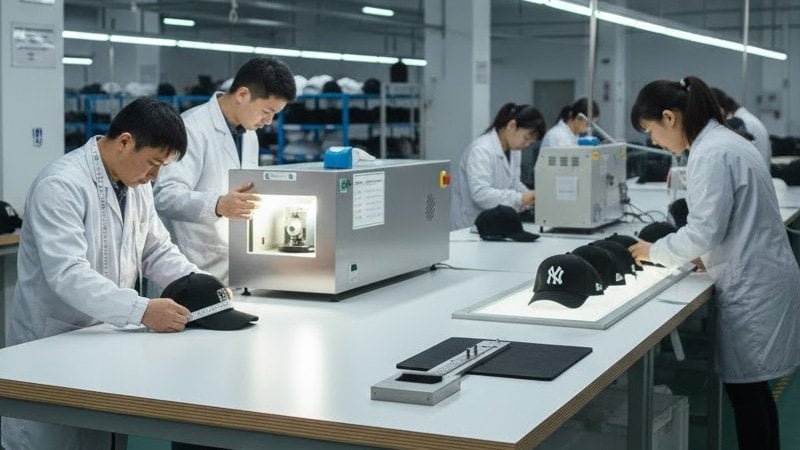
Most consumers can’t describe QC—but they can feel it.
One reason the New Era fitted cap cost stays high is that fitted caps demand repeatability across sizes and batches. Achieving consistency requires:
-
tighter measurement standards
-
process discipline in sewing/assembly
-
controlled embroidery execution
-
inspection checkpoints and defect thresholds
-
additional rework/scrap cost to protect the final experience
Collectors value that reliability. When a fitted cap’s size feels inconsistent from drop to drop, trust erodes quickly.
Premium takeaway:
Consistency is a product feature—one that costs money.
4) Scarcity, Drops & Collabs: Hype Economics That Reinforces Price
New Era pricing is also supported by “drop culture.”
Limited releases and collaborations create scarcity, and scarcity accelerates demand. When a cap is tied to an anniversary patch, special event, or exclusive colorway, it becomes a collectible.
Common premium drivers include:
-
limited production runs
-
short release windows
-
exclusive patches and embroidery packages
-
designer and streetwear collaborations
-
resale activity that signals cultural value
Premium takeaway:
Scarcity isn’t only marketing—it changes the economics of demand.
5) Distribution & Pricing Discipline: Why Discounts Are Rare
New Era also protects pricing through channel control: a tighter authorized retailer ecosystem and stronger pricing discipline reduce aggressive markdowns.
This matters because widespread discounting trains the market to wait for sales—and weakens “premium” positioning.
Pricing discipline supports:
Premium takeaway:
A premium product needs premium distribution strategy.
6) Upstream Cost Pressures: Inflation, Compliance & Smaller Runs
Beyond brand strategy, modern hat manufacturing has real cost pressure:
-
fabric and labor increases
-
more complex global logistics
-
compliance requirements (labeling, testing, restricted substances)
-
special editions with smaller runs (higher per-unit cost)
This is why two caps that look similar can differ significantly in cost once you account for total production and compliance overhead.
Premium takeaway:
The shelf price often reflects upstream reality, not just brand margin.
For many buyers, yes—because New Era delivers a unique combination of:
-
official legitimacy
-
on-field authenticity positioning
-
durable structure and consistent silhouette
-
collectable identity through drops and collaborations
For customers who only want an everyday cap, the value equation may favor premium non-licensed alternatives built with strong materials and QC—but without licensing fees.
What Premium Hat Brands Can Do Better Than “Copying” New Era
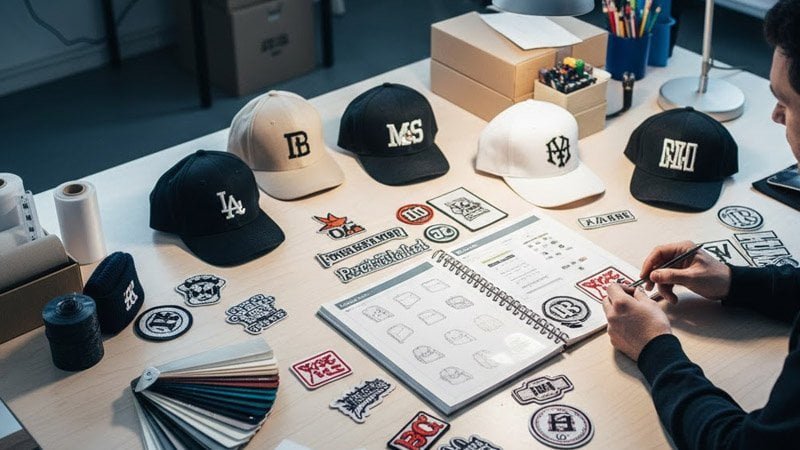
If you want to build a premium cap line—especially a structured fitted style—focus on what actually drives perceived value:
-
Silhouette engineering: crown height, panel shape, buckram selection
-
Embroidery precision: density, edge clarity, raised effects, patch quality
-
Repeatability systems: specs, tolerance control, in-line QC checkpoints
-
Intentional scarcity: capsule drops, limited colorways, event moments
-
Story that matches reality: craftsmanship and proof, not empty hype
Premium is not one feature. It’s a system.
Manufacture Premium Caps with a Brand-First Supply Chain Partner
GUANGZHOU EASTLUCKY Hat & Garment Co., Ltd. is a high-end custom hat and OEM/ODM manufacturer based in Guangzhou, China, with 15 years of expertise in professional R&D, production, and distribution of various hats and embroidered accessories.
Guided by the philosophy “Quality as Root, Innovation as Soul,” we provide global clients with a one-stop solution from design sampling to mass production, helping brands create efficient, consistent, high-quality supply chains.
If you want “New Era-level” structure and finish—without needing licensed branding—we support:
-
structured crown development and pattern refinement
-
reinforced buckram configuration and fit tuning
-
high-density embroidery and patch execution
-
fabric selection for performance and durability
-
sampling workflows for faster iteration
-
QC standards that protect silhouette consistency
FAQ (SEO-Friendly; Suitable for Schema Markup)
Why are New Era caps so expensive compared to other hats?
New Era caps cost more due to official league licensing royalties, on-field specification standards, premium structured construction, strict quality control, and scarcity-driven releases that increase demand and perceived value.
Does licensing really affect the price of a fitted cap?
Yes. Licensed hats include trademark and royalty fees and must follow approved branding and compliance rules, which increases both cost and production complexity.
Are New Era 59FIFTY caps higher quality than cheaper hats?
In many cases, yes. The 59FIFTY is known for structured construction, reinforced materials, dense embroidery, and consistent QC that helps maintain shape and fit over time.
Why do limited edition New Era caps cost more?
Limited runs increase per-unit manufacturing cost and create scarcity, which often increases demand. Special patches, embroidery packages, and exclusive colorways can also raise production costs.
Can brands make premium “New Era-style” caps without copying logos?
Yes. Brands can achieve a premium fitted look by focusing on structured crowns, reinforced buckram, high-density embroidery, consistent sizing standards, and strict QC—without licensed branding.