Women’s Hat Types: How to Choose the Best Style for Every Occasion
Hats are more than just finishing touches. The right hat can shape your overall look, add personality, and serve a real purpose at the same time. It can protect you from the sun, keep you warm in colder weather, and make even a simple outfit feel more polished and intentional.
For many women, the challenge is not whether to wear a hat, but which style to choose. Some hats work best for casual everyday outfits, while others are better for elegant events, summer holidays, outdoor activities, or winter layering. Face shape, season, material, and occasion all play a role.
In this guide, we’ll break down the most popular women’s hat types, explain what each style is best for, and help you choose the right hat for every occasion.
Why Hats Still Matter in Women’s Fashion
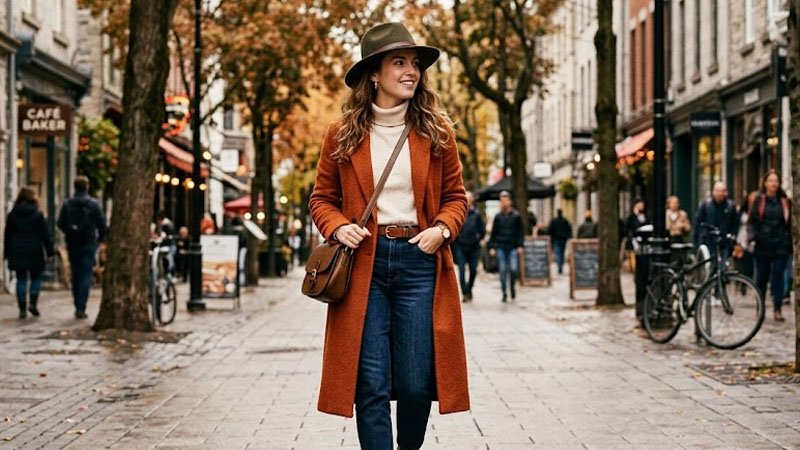
A good hat does more than complete an outfit. It adds structure, balance, and character. It can soften a look, sharpen it, or make it feel more relaxed. That is why hats remain such an important accessory in women’s fashion.
They are also practical. A wide-brim sun hat can help protect your face and neck from harsh sunlight. A knit beanie can keep you warm while still looking stylish. A baseball cap can make a casual outfit feel effortless while offering comfort for daily wear.
The best hats combine both beauty and function. They should look good, feel comfortable, and fit naturally into your wardrobe and lifestyle.
How to Choose the Right Hat
Before looking at individual hat styles, it helps to know what actually makes a hat the right choice. In most cases, the best hat depends on five things:
1. Occasion
Think about where you plan to wear it. A baseball cap may be perfect for daily errands, but not for a wedding or garden party. A boater hat may look elegant for a summer event, but too formal for casual sportswear.
2. Season
Lightweight materials like straw, cotton, and linen are better for warm weather. Wool, felt, and knit fabrics are more suitable for fall and winter.
3. Face Shape
Certain hat shapes are more flattering on certain faces. Structured hats often suit round faces, while softer silhouettes can work beautifully on square faces.
4. Style Preference
Some women prefer sporty and simple looks. Others prefer feminine, vintage, classic, or fashion-forward styles. A hat should feel like a natural extension of your personal style.
5. Comfort and Fit
No matter how beautiful a hat is, it will not work if it feels too tight, too loose, too heavy, or awkward to wear for long periods.
Quick Comparison of Popular Women’s Hat Types
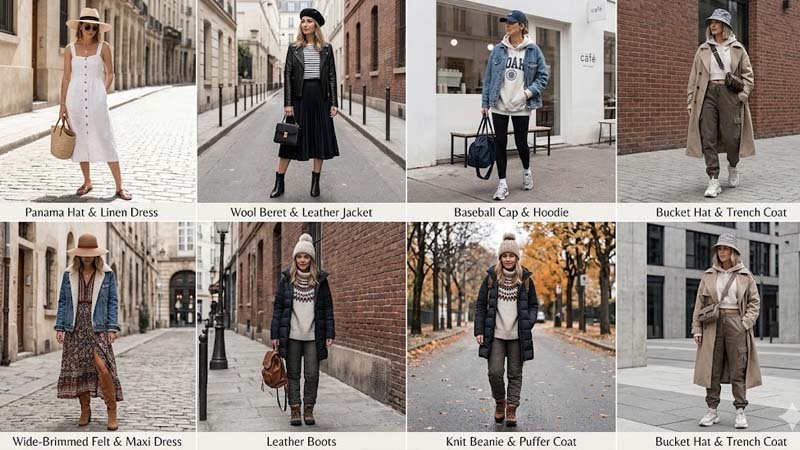
Before we look at each style in detail, here is a quick overview:
| Hat Type |
Best For |
Best Season |
Style Mood |
| Baseball Cap |
Everyday casual wear |
Spring / Summer |
Sporty, relaxed |
| Bucket Hat |
Travel, streetwear, holidays |
Spring / Summer |
Trendy, youthful |
| Trucker Hat |
Outdoor casual looks |
Spring / Summer |
Retro, sporty |
| Fedora |
Smart casual and polished outfits |
Fall / Winter |
Structured, stylish |
| Boater Hat |
Garden parties, summer events |
Spring / Summer |
Elegant, vintage |
| Beret |
Chic city dressing |
Fall / Winter |
Feminine, artistic |
| Sun Hat |
Beach and sun protection |
Summer |
Graceful, practical |
| Visor |
Sports and hot weather |
Summer |
Functional, active |
| Beanie |
Cold-weather casual looks |
Fall / Winter |
Cozy, easygoing |
| Newsboy Cap |
Autumn outfits and retro styling |
Fall / Winter |
Vintage, polished |
| Cowboy Hat |
Statement looks and themed events |
All seasons |
Bold, confident |
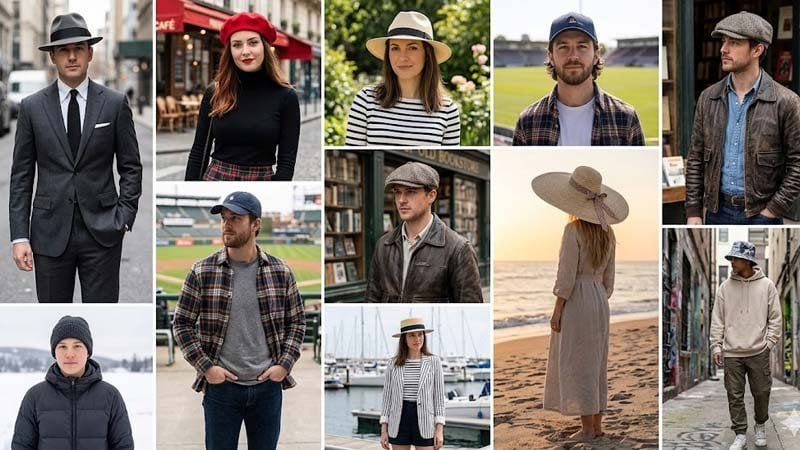
The baseball cap is one of the easiest hats to wear. It is simple, casual, and highly practical. For women who want comfort, convenience, and a sporty look, this is often the first choice.
A baseball cap usually has a curved brim and a fitted or adjustable back. It works well with jeans, leggings, sneakers, oversized shirts, and athleisure outfits.
Best for:
-
daily errands
-
travel
-
casual walks
-
sporty outfits
-
sunny days
Why it works:
It is comfortable, easy to match, and useful for everyday life. It is also one of the best options for women who want a hat that feels natural rather than styled too heavily.
The bucket hat has become one of the most popular casual hat styles in recent years. With its soft crown and downward-sloping brim, it offers a relaxed look while giving more shade than a baseball cap.
Bucket hats are especially popular for vacations, streetwear, music festivals, and laid-back spring or summer outfits.
Best for:
Why it works:
It feels youthful, modern, and easy to wear. It is also packable, which makes it useful for holidays and day trips.
Style note:
If your main goal is strong sun protection, a wider sun hat will usually offer better coverage than a bucket hat.
The trucker hat is similar to a baseball cap but usually includes a structured front and mesh back panels. This makes it more breathable and gives it a slightly retro, sporty appearance.
It is a good option for women who like casual outdoor styling with a bit more personality.
Best for:
-
casual streetwear
-
outdoor activities
-
summer outings
-
retro-inspired outfits
Why it works:
It is lightweight, breathable, and visually a little bolder than a basic cap.
Fedora
The fedora is one of the most timeless women’s hat styles. It usually features a structured crown and a medium or wide brim, giving it a refined and confident appearance.
Compared with softer hats, a fedora adds more definition to the face and often works especially well in polished, smart casual outfits.
Best for:
-
brunch dates
-
city dressing
-
smart casual outfits
-
travel looks
-
autumn styling
Why it works:
It can instantly make an outfit look more put-together. A fedora pairs well with trench coats, knit dresses, ankle boots, tailored trousers, and minimalist outerwear.
Style note:
For everyday wear, choose neutral shades such as black, camel, taupe, grey, or cream for easier matching.
The boater hat is known for its flat top and flat brim. It carries a refined, vintage-inspired charm and works especially well for spring and summer occasions.
This is a strong choice for women who want something elegant but still fresh and wearable.
Best for:
Why it works:
A boater hat feels graceful, neat, and feminine. It pairs beautifully with dresses, blouses, linen sets, and structured summer outfits.
Beret
The beret is a classic hat associated with French-inspired style. It is soft, elegant, and expressive without being overly dramatic.
Berets work well with coats, knitwear, tailored blazers, and understated outfits that need a touch of personality.
Best for:
Why it works:
It is simple but distinctive. A beret adds character and style without overwhelming the rest of the outfit.
Style note:
Wearing a beret slightly off-center often creates a more natural and flattering look than placing it flat on top of the head.
A sun hat is one of the most practical choices for warm weather. Usually designed with a wide brim, it offers better shade for the face and neck than most everyday fashion hats.
This makes it ideal for women who want both elegance and protection during sunny seasons.
Best for:
-
beach holidays
-
poolside outfits
-
outdoor lunches
-
summer travel
-
garden events
Why it works:
It combines style with genuine function. A good sun hat can improve comfort, reduce glare, and support sun protection while still looking polished.
Visor
The visor is designed for women who want sun protection around the face without full head coverage. Because the top remains open, it can feel cooler and more breathable in very hot weather.
It is especially useful for active women and outdoor sports.
Best for:
-
tennis
-
golf
-
walking
-
beach clubs
-
active summer days
Why it works:
It protects the eyes and upper face while allowing more airflow and preserving hairstyles better than many full hats.
Beanie
The beanie is one of the most essential hats for fall and winter. It is warm, comfortable, and easy to wear with everyday outerwear.
Depending on the knit and fit, a beanie can feel sporty, cozy, minimal, or trendy.
Best for:
Why it works:
It is practical, warm, and easy to integrate into a casual wardrobe. Fine knit beanies create a cleaner look, while chunky knit versions feel more relaxed and cozy.
The newsboy cap adds vintage character and a slightly dressed-up feel compared with a baseball cap. With its fuller crown and softer structure, it works especially well in autumn and winter wardrobes.
Best for:
Why it works:
It offers personality and sophistication while still being wearable in daily life.
The cowboy hat is a bold statement piece. It is not the most universal option for everyday wear, but it can be extremely striking when styled intentionally.
Best for:
-
concerts
-
western-themed events
-
festival outfits
-
fashion-forward styling
-
statement looks
Why it works:
It brings confidence and individuality. Even with a simple outfit, a cowboy hat creates a strong visual impression.
How to Choose the Best Hat for Every Occasion
Knowing the hat styles is useful, but choosing the right one becomes much easier when you think by occasion.
Best Hats for Everyday Casual Wear
For daily outfits, comfort and versatility matter most.
Best options:
-
baseball cap
-
bucket hat
-
beanie
-
trucker hat
These hats are easy to style with jeans, sneakers, T-shirts, leggings, hoodies, and light jackets. They work best when you want an effortless look without feeling overdressed.
Best Hats for Summer Holidays and Beach Days
For warm-weather trips and outdoor sun exposure, breathable materials and better coverage become more important.
Best options:
-
sun hat
-
bucket hat
-
visor
-
straw boater hat
These styles work especially well with swim cover-ups, sundresses, linen sets, sandals, and resortwear.
Best Hats for Elegant Outdoor Events
For weddings, brunches, garden parties, and more refined daytime occasions, structured and feminine hats often work best.
Best options:
-
boater hat
-
elegant wide-brim hat
-
refined fedora
-
decorative sun hat
These hats should complement the outfit rather than overpower it. Clean lines, quality materials, and coordinated color choice matter more in dressier settings.
Best Hats for Fall and Winter Outfits
Cold-weather outfits usually benefit from richer textures and more structured or cozy materials.
Best options:
-
beanie
-
beret
-
fedora
-
newsboy cap
These styles pair well with wool coats, boots, scarves, knitwear, and layered neutral outfits.
Best Hats for Active Outdoor Use
For walking, sports, golf, tennis, and practical sunny-day use, lighter and more secure styles are usually better.
Best options:
-
baseball cap
-
visor
-
trucker hat
-
lightweight bucket hat
In these situations, fit, airflow, and comfort are often more important than making a strong fashion statement.
Choosing a Hat by Face Shape
Face shape does not need to control every style decision, but it can help you find more flattering proportions.
Oval Face
Oval faces are generally the easiest to style because most hat types look balanced.
Best choices:
-
fedora
-
beret
-
boater hat
-
baseball cap
-
beanie
Round Face
Round faces often benefit from hats with more structure or vertical emphasis.
Best choices:
-
fedora
-
wide-brim hat
-
hats with sharper lines
Try to be more selective with very rounded, soft silhouettes if they make the face appear wider.
Square Face
Square faces usually suit hats that soften stronger jawlines.
Best choices:
Heart-Shaped Face
Heart-shaped faces often look good in medium to wide-brim styles that help balance the forehead and chin.
Best choices:
-
boater hat
-
soft fedora
-
beret
-
sun hat
Common Hat Materials and What They’re Best For
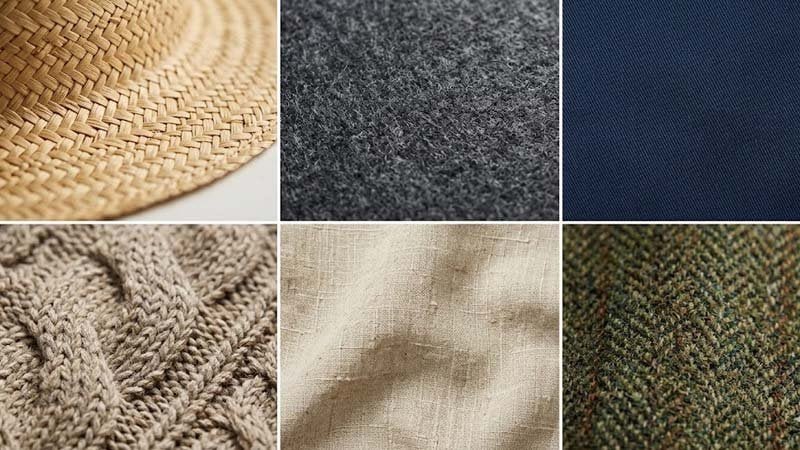
Material affects more than just appearance. It changes breathability, structure, warmth, and how a hat performs in real life.
Straw
Best for spring and summer. Straw hats are breathable, lightweight, and ideal for sun hats, boater hats, and resort styles.
Cotton
Cotton is soft, practical, and easy to wear. It is commonly used in baseball caps and bucket hats for everyday comfort.
Linen
Linen and linen blends are airy and light, making them useful for warm-weather hats with a relaxed but slightly elevated feel.
Wool Felt
Wool felt gives structure and warmth. It is one of the best materials for fedoras and dressier fall or winter hats.
Knit Acrylic or Wool Blends
These materials are common in beanies. They provide warmth and flexibility and are well suited to cold-weather casual wear.
From a product development and manufacturing perspective, details such as fabric choice, structure, finishing, and fit can significantly affect both style and wearability. GUANGZHOU EASTLUCKY Hat & Garment Co., Ltd. brings 15 years of experience in high-end custom hats and OEM/ODM production, supporting brands with one-stop solutions from design sampling to mass production.
A hat looks best when it feels connected to the rest of the outfit.
A few simple rules help:
-
pair casual hats with relaxed clothing
-
pair structured hats with cleaner, more polished silhouettes
-
choose colors that either match or intentionally contrast with your outfit
-
avoid over-accessorizing when the hat is already visually strong
-
pay attention to balance between hat size, hairstyle, and shoulder line
For example, a wide-brim hat paired with a flowing summer dress creates softness and elegance. A fedora with a trench coat creates structure. A baseball cap with activewear keeps the look effortless and practical.
Common Mistakes to Avoid
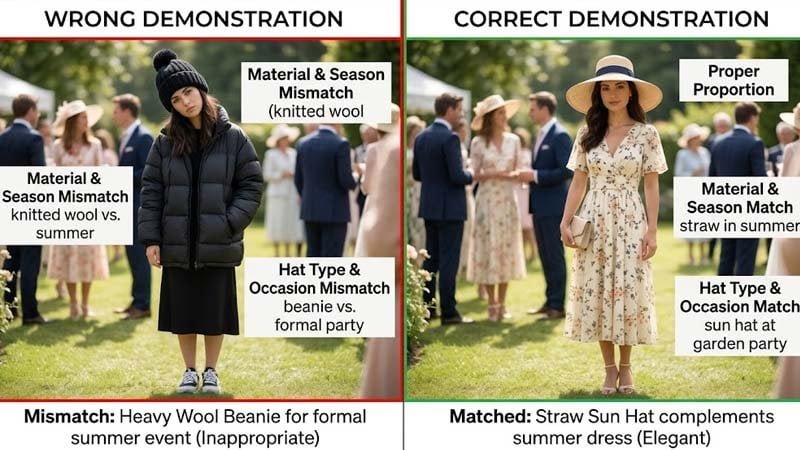
Many women choose hats based only on trend appeal, but that can lead to a hat that looks good online and feels wrong in real life.
Here are a few common mistakes:
-
choosing a hat that does not fit the occasion
-
ignoring face shape and overall proportion
-
selecting the wrong material for the season
-
buying a beautiful hat that is uncomfortable to wear
-
choosing trend over wardrobe compatibility
The best hat is usually not the most dramatic one. It is the one that fits your life, your clothes, and your comfort level.
Conclusion
Women’s hats come in many forms, from sporty baseball caps and relaxed bucket hats to polished fedoras, elegant boater hats, and cozy winter beanies. Each style offers something different, and the right choice depends on where you plan to wear it, how you want it to feel, and what kind of image you want to create.
When choosing the best hat for every occasion, start with function, then think about season, face shape, material, and outfit balance. That approach makes it much easier to find a hat that not only looks beautiful but also feels right.
A good hat should never feel like an afterthought. It should feel like a natural part of your personal style.
FAQs
What is the most versatile women’s hat?
A baseball cap is one of the most versatile casual choices, while a fedora is one of the most versatile polished options.
Which hat is best for summer?
A wide-brim sun hat is usually the best choice for strong sun protection, while bucket hats and visors are also practical for casual summer use.
Are bucket hats still in style?
Yes. Bucket hats remain popular because they are comfortable, youthful, easy to pack, and simple to style.
What hat style is best for formal outdoor events?
Boater hats, elegant wide-brim hats, and refined structured hats are often the best choices for weddings, garden parties, and other outdoor daytime events.
How do I know if a hat fits properly?
A hat should feel secure without creating pressure. It should not slide around too easily, but it should also not leave discomfort or deep marks after short wear.
Find Your Hat Size: Measure Your Head + Size Chart
Finding the right hat size is easier than most people think. You only need one accurate measurement—your head circumference—and a reliable size chart to match it.
This guide shows you:
-
exactly where to measure your head (so results don’t vary),
-
how to choose the right size for different hat styles,
-
and how to fix common fit issues like too tight or too loose.
If you’re a brand or buyer ordering in bulk, correct sizing also helps reduce sampling revisions and improves fit consistency in mass production.
Quick Answer: How to Measure Your Head (30 Seconds)
You’ll need: flexible measuring tape (or string + ruler), mirror, pen/notebook
-
Wrap the tape above your ears and across the widest part of your forehead
-
Keep the tape level all the way around your head
-
Make it snug, not tight (don’t compress skin or hair)
-
Measure 2–3 times and take the average
-
Record your result in centimeters and inches
Between two sizes? Don’t guess—use the hat-type rules in this article (they’re different for caps vs. straw hats vs. beanies).
Most Common Hat Sizes (Fast Reference)
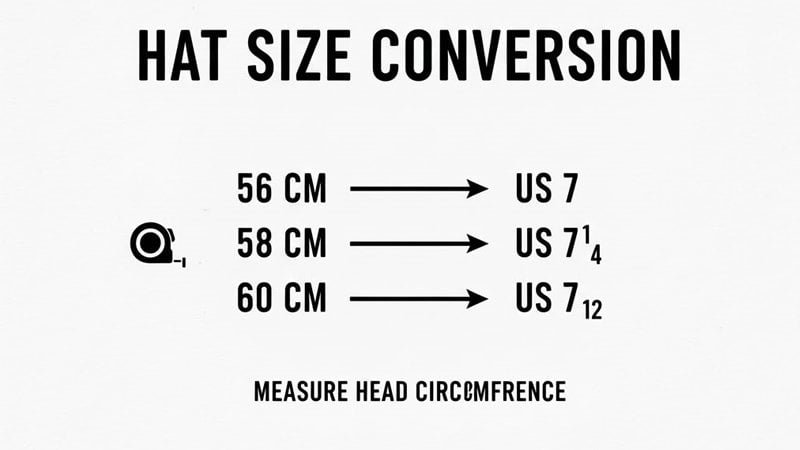
If you want a quick match before reading the full chart:
-
56 cm ≈ US 7 (S/M)
-
58 cm ≈ US 7 1/4 (M)
-
60 cm ≈ US 7 1/2 (L)
For a precise fit—especially for fitted caps—use the full chart below.
Hat Size Chart (CM to Inches + U.S. Fitted Sizes)
Match your head circumference to the closest size. If you land between two rows, choose based on the hat type section.
| Head Circumference (cm) |
Inches |
U.S. Fitted Size |
Alpha Size (S/M/L) |
| 54 |
21 1/4 |
6 3/4 |
S |
| 55 |
21 5/8 |
6 7/8 |
S |
| 56 |
22 |
7 |
S / M |
| 57 |
22 3/8 |
7 1/8 |
M |
| 58 |
22 3/4 |
7 1/4 |
M |
| 59 |
23 1/8 |
7 3/8 |
L |
| 60 |
23 1/2 |
7 1/2 |
L |
| 61 |
23 7/8 |
7 5/8 |
XL |
| 62 |
24 1/4 |
7 3/4 |
XL |
Fit tolerance tip: Measuring technique and head shape can cause small differences. For most hats, a variation of about ±0.3 cm is normal.
Choose the Right Size by Hat Type (Caps, Buckets, Straw Hats, Beanies)
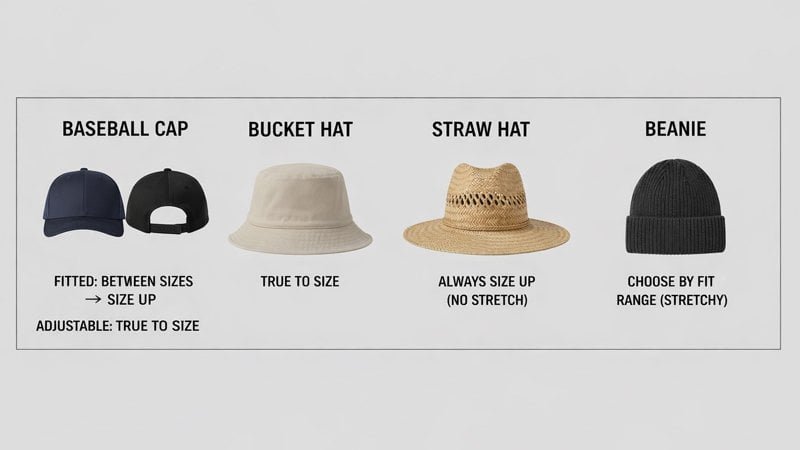
Different hat styles “feel” different even at the same circumference. Use these simple rules to choose correctly—especially if you’re between sizes.
1) Baseball Caps (Fitted / Adjustable / Flexfit)
One-sentence rule: If you’re between sizes for a fitted cap, size up.
-
Fitted caps require the most accurate sizing
-
Adjustable caps (snapback, buckle, Velcro) are more forgiving
-
Structured crowns can feel tighter than unstructured crowns
-
A thicker sweatband can reduce inner space and change the feel
Best practice: If you’re producing for retail, confirm sizing with wear testing (different head shapes can feel different even at the same circumference).
2) Bucket Hats (Fisherman Hats)
One-sentence rule: True to size for regular fit; size up for a more relaxed streetwear fit.
Bucket hats usually sit slightly looser than structured caps, but crown height and inner taping can change comfort.
If your bucket hat is intended for all-day wear, many people prefer a little extra space—especially in warm climates.
3) Straw Hats
One-sentence rule: If you’re between sizes, always size up.
Straw hats are less forgiving because the structure is rigid. A half-size too small will feel tight immediately. A slightly larger size can be fine-tuned using:
Note: Straw materials can react to humidity. Planning for a stable inner band is key for consistent fit.
4) Beanies (Cold Hats / Knit Hats)
One-sentence rule: Choose by fit range, not exact circumference.
Beanies depend on stretch and recovery. Fit changes with:
For production, beanies are usually defined by a fit range (for example, 54–58 cm or 56–60 cm), then verified through wear testing.
Common Measuring Mistakes (And How to Fix Them)
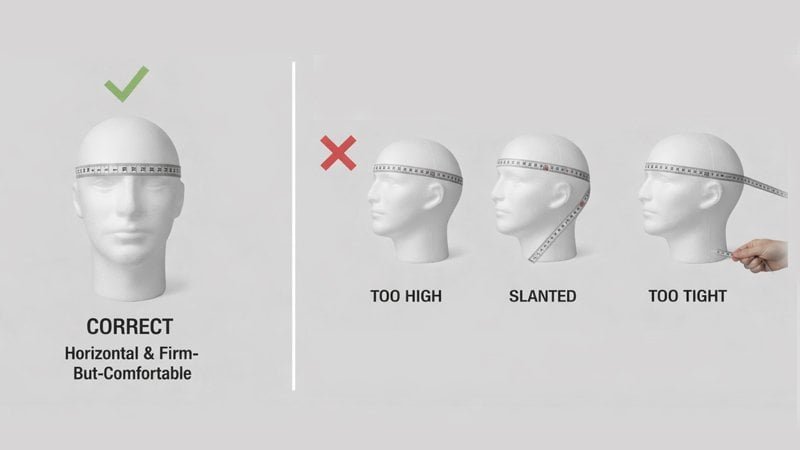
These small errors can cause big fit problems—especially for fitted caps:
-
Tape too high (above the widest forehead) → size reads smaller than reality
-
Tape slanted (not level around the head) → inconsistent results
-
Tape too tight (compressing hair/skin) → hat feels tight and uncomfortable
-
Only measured once → avoidable size mistakes
Fix: Keep the tape level, measure 2–3 times, and use the average.
Fit Troubleshooting: Too Tight vs. Too Loose
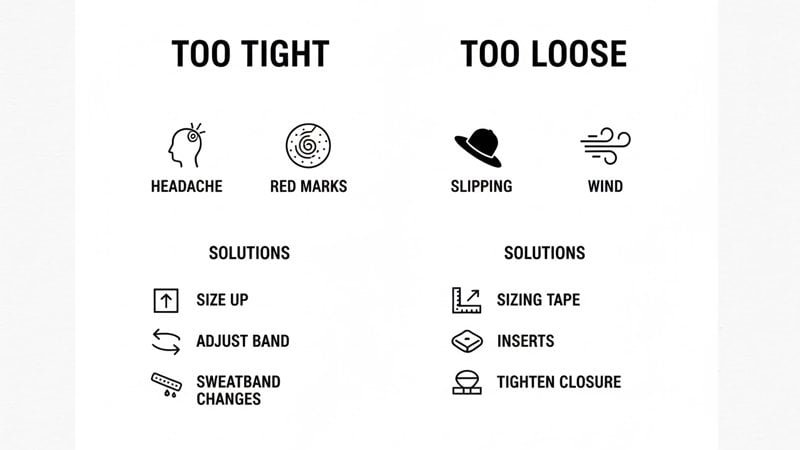
Even with correct measurement, fit issues can happen due to materials, construction, or head shape. Here’s how to diagnose and solve them.
If a Hat Feels Too Tight
Symptoms: pressure points, headaches, red marks
Common causes: size too small, thick sweatband, structured crown, shrinkage, crown depth mismatch
Solutions:
-
For fitted caps or straw hats: choose the next size up
-
For adjustable caps: loosen the closure
-
Add design adjustments: reduce sweatband thickness or modify crown depth
-
For certain materials: controlled stretching during finishing (production method dependent)
If a Hat Feels Too Loose
Symptoms: slipping, unstable in wind, constant readjustment
Common causes: size too large, stretched band, insufficient inner grip
Solutions:
-
Use hat sizing tape inside the sweatband
-
Add foam/silicone inserts for retail adjustment
-
Tighten adjustable closure range (caps)
-
Improve inner band grip design (especially useful for straw hats)
For Brands & Bulk Orders (OEM/ODM): What to Send for an Accurate Fit
If you’re developing custom headwear and want a smoother sampling process, share these details early:
-
hat type (baseball cap / bucket / straw / beanie)
-
target size range (cm) and intended fit (snug / regular / relaxed)
-
logo files (AI/PDF preferred) and branding placement
-
material and construction preferences
-
order quantity and target market (US/EU/UK)
-
reference photos or similar styles
This information helps shorten development time and reduces back-and-forth during sampling.
Need a Free Size Review for Your Custom Hats?
GUANGZHOU EASTLUCKY Hat & Garment Co., Ltd. is a high-end custom hat and OEM/ODM manufacturer in Guangzhou, China, with 15 years of expertise in R&D, production, and global distribution. Guided by “Quality as Root, Innovation as Soul,” we provide one-stop solutions from design sampling to mass production across:
-
Baseball caps (fitted, snapback, dad hats, structured/unstructured)
-
Bucket hats
-
Straw hats
-
Beanies
-
custom embroidery, patches, labels, trims, and packaging
Send us your target hat style + size range in cm, and we can help you confirm sizing direction before sampling—so your bulk production matches the fit your customers expect.
Eco-Friendly Hat Materials and Trends for Brands: A Practical Guide to Sustainable Caps, Beanies, Buckets & More
Sustainable headwear is no longer a “nice-to-have.” For brands, distributors, and promotional buyers, hats must now deliver style, comfort, durability, and credible sustainability claims—often with audit-ready documentation and clear chemical-safety expectations.
But here’s the reality: a hat isn’t truly eco-friendly just because the crown fabric is organic or recycled. Real sustainability is built across the full product system—materials, chemicals, manufacturing footprint, durability, and traceability—and it must be communicated in a way buyers can verify.
This practical guide breaks eco-friendly hat manufacturing into tools you can use immediately: material trade-offs, PFAS-free finishing options, a hat BOM (bill of materials) map, trend signals, and a buyer-ready RFQ checklist—covering mainstream and niche styles from caps to beanies, buckets, berets, visors, straw hats, and bump caps.
About the Manufacturer
GUANGZHOU EASTLUCKY Hat & Garment Co., Ltd. is a high-end custom hat and OEM/ODM manufacturer based in Guangzhou, China, with 15 years of expertise in professional R&D, production, and distribution of various hats and embroidered accessories. Guided by the philosophy “Quality as Root, Innovation as Soul,” we provide global clients with one-stop solutions from design sampling to mass production—helping brands build efficient, high-quality supply chains.
Full-category hat customization includes:
-
Casual & Sports: Baseball Cap, Snapback Cap, Trucker Cap, Golf Cap, Visor Cap
-
Fashion & Trend: Bucket Hat, Dad Hat, 5 Panel Cap, Beanie, Beret
-
Functional & Protective: Bump Cap, Straw Hat, and more
We support comprehensive customization of materials, craftsmanship, and styles.
1) What “Eco-Friendly” Means for Hats (Beyond the Fabric)
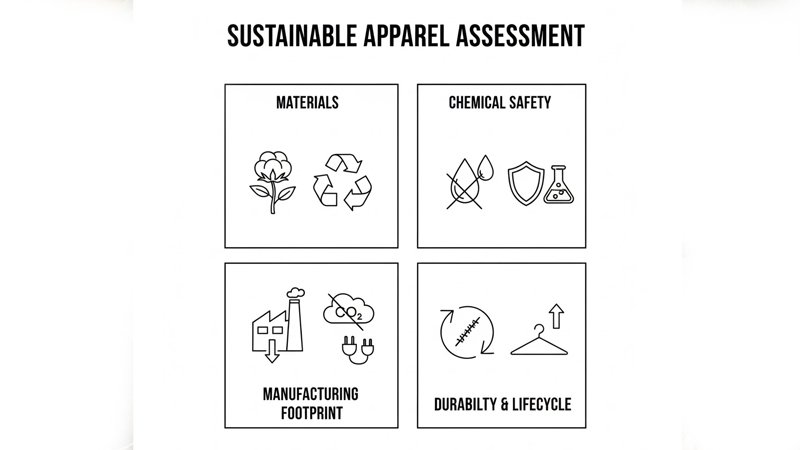
A genuinely sustainable hat should perform across four dimensions:
1) Materials (what it’s made of)
-
Organic or recycled fibres are a strong start—but claims should be by part (crown, visor, mesh, sweatband, closure, etc.)
-
Lower-impact fibres and responsible sourcing reduce upstream footprint
2) Chemical safety (skin-contact + environmental impact)
-
Performance finishes must be clearly defined
-
Increasingly, buyers request PFAS-free water repellency where DWR is needed
3) Manufacturing footprint (how it’s made)
-
Dyeing, cutting yield, waste handling, and packaging can meaningfully change impact
-
Smarter sampling reduces development waste
4) Durability + lifecycle (how long it lasts)
-
Sustainable headwear should be built to last—strong seams, stable brims, durable branding
-
Repairable components (where feasible) extend product life and reduce replacements
Buyer takeaway: Sustainability should be verifiable—with clear BOM disclosure, compliance statements, and traceability.
2) Eco-Friendly Hat Materials: Pros, Trade-Offs, Best Use
Material choice determines both performance and sustainability. Below are the most practical options used today—and when to use them.
Organic Cotton
Why brands choose it: soft hand feel, breathable, familiar to consumers, strong sustainability messaging.
Best for: Dad Hats, Baseball Caps, Bucket Hats, 5 Panel Caps, lifestyle programs, merch.
Trade-offs: can cost more; dyeing and finishing still matter—organic fibre doesn’t guarantee low-impact processing.
Recycled Polyester (rPET)
Why brands choose it: durable, quick-dry, excellent for performance, widely scalable.
Best for: Golf Caps, Visors, Performance Baseball Caps, Trucker Crown fabrics, outdoor activations.
Trade-offs: not biodegradable; hand-feel varies; when “sustainability” is a key claim, documentation and traceability matter.
Hemp Blends
Why brands choose it: naturally durable, rustic texture, outdoor/workwear aesthetics, good moisture behavior.
Best for: Bucket Hats, structured lifestyle caps, eco-heritage branding.
Trade-offs: texture isn’t always suitable for sleek fashion lines; some blends can be more challenging for consistent color matching.
Lyocell / TENCEL™ (Often Used Strategically)
Why brands choose it: smooth, breathable, premium touch.
Best for: linings, sweatbands, premium capsules, comfort-first designs.
Trade-offs: higher cost; best applied where it adds maximum perceived value (skin-contact zones).
Recycled Mesh (Trucker Hats)
Why brands choose it: reduces virgin plastic content while keeping iconic trucker structure.
Best for: Trucker Caps for promotions and summer programs.
Trade-offs: mesh stiffness and hand feel vary—approve swatches early; color matching to crown fabric requires sampling discipline.
3) The Hat Sustainability BOM Map: Where Most Sustainability Gets Won (or Lost)
Hats are multi-component products. A “green” main fabric can be undermined by hidden parts: brim inserts, buckram, sweatbands, adhesives, embroidery backing, and hardware.
Use this checklist as a BOM map when developing eco-friendly styles:
Key Parts to Specify (and Why)
-
Crown/visor fabric: defines the main sustainability story and hand feel
-
Mesh (trucker): affects comfort, structure, and color matching
-
Brim insert/stiffener: drives shape retention and performance; sustainability is often overlooked here
-
Buckram/structure: controls silhouette for structured caps (snapbacks, some 5 panels)
-
Sweatband: skin-contact comfort + potential chemical complexity if performance finishes are added
-
Thread + embroidery backing: impacts wash durability, comfort, and material mix
-
Closures/hardware: coatings and corrosion resistance can matter by market
-
Labels + packaging: visible sustainability signals (FSC cartons, reduced plastics)
Best practice: request “composition by part” (not just an overall fabric claim). This is what serious buyers and brand teams increasingly expect.
4) Eco-Friendly Finishes: Low-Impact Color and PFAS-Free Performance
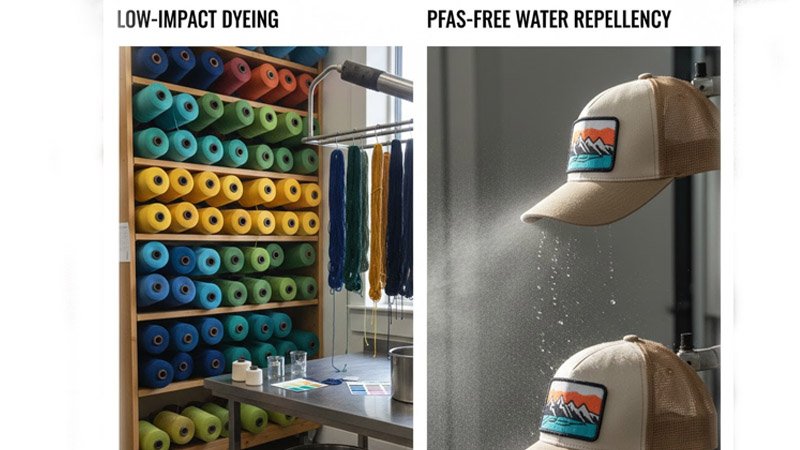
Low-Impact Color (When Programs Are Stable)
For repeat programs with stable color palettes, solution/dope dyeing can reduce resource intensity compared with conventional dyeing routes and can improve shade consistency across production lots.
Trade-offs: color flexibility can be lower; some programs require better planning (and sometimes higher MOQs).
PFAS-Free Water Repellency (When You Need DWR)
Outdoor and performance hats often request water repellency—but many buyers now specify PFAS-free DWR for environmental reasons.
PFAS-free finishing—how to make it procurement-ready
-
Specify “PFAS-free DWR” explicitly (avoid vague “eco DWR”)
-
Define performance expectations: light drizzle vs prolonged rain exposure
-
Validate via sampling and align acceptance criteria before bulk
Reality check: PFAS-free options can vary in hand feel and durability. Align priorities early—water beading vs softness vs cost—then validate with samples.
5) Trends Shaping Sustainable Headwear (What Brands Are Doing Now)
Trend 1: “BOM Transparency” Becomes Standard
More buyers want material disclosure by part, not marketing claims. Expect increasing requests for BOM-by-part composition, supplier declarations, and lot-level traceability.
Trend 2: PFAS-Free Becomes the Default Ask in Performance
Brands are raising chemical-safety expectations, especially for outdoor and sports programs. PFAS-free DWR requests are becoming more common in RFQs.
Trend 3: Comfort-First Sustainability
Consumers don’t reward sustainability if comfort is compromised. Premium feel—better sweatbands, softer hand-feel, skin-contact materials—often decides reorders.
Trend 4: Better Durability = Better Sustainability
Durability is sustainability. Strong seams, stable brims, and wash-durable branding reduce replacements and returns.
Trend 5: Packaging and Logistics Optimization
FSC cartons, reduced polybags, right-sized packaging, and consolidated shipping are becoming baseline requirements for many programs.
6) Style-by-Style Recommendations (Materials That Make Sense)
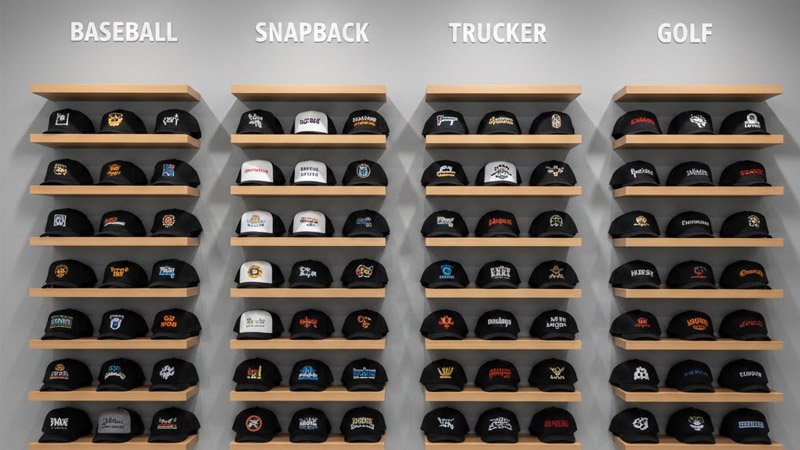
Below are practical starting points for each of your mainstream and niche hat categories.
Casual & Sports
Baseball Cap / Snapback / Golf Cap / Visor
-
Lifestyle: organic cotton + recycled thread + minimal packaging
-
Performance: rPET + breathable construction; add PFAS-free DWR only if needed
-
Visors: sweatband choice and comfort specs matter most
Trucker Cap
Fashion & Trend
Bucket Hat / Dad Hat / 5 Panel / Beanie / Beret
-
Bucket & Dad: organic cotton or hemp blends depending on target aesthetic
-
5 panel: choose stable fabrics for clean geometry and shape retention
-
Beanie: prioritize comfort + pilling control (material selection and yarn quality matter)
-
Beret: premium hand feel and structure matter—spec materials carefully for shape
Functional & Protective
Bump Cap / Straw Hat
-
Bump caps: prioritize structure, performance, and compliance first; then optimize sustainability in materials and packaging
-
Straw hats: focus on consistent craftsmanship, fibre sourcing, and protective packaging to reduce damage in transit
7) Buyer-Ready RFQ Checklist (Copy-Paste Template)
Use this RFQ structure to get accurate quotes and avoid vague “sustainable” claims.
A) Product Definition
-
Style: Baseball / Snapback / Trucker / Golf / Visor / Bucket / Dad / 5 Panel / Beanie / Beret / Bump Cap / Straw
-
End use: promo / lifestyle / performance / outdoor / protective
-
Target market(s): US/EU/UK etc.
-
Target order qty + delivery window
B) BOM by Part (Required)
For each part: material + % composition + any proof requirements
C) Color & Dye Route
-
Color references (Pantone or physical sample)
-
Preferred route: conventional dye / solution-dope dyed (if applicable)
-
Any durability targets (rubbing/sweat/wash) if your program requires them
D) Finishes
E) Packaging
-
FSC cartons required? Yes/No
-
Polybag policy (reduced/none)
-
Label/barcode requirements
8) Three Sustainable “Builds” You Can Copy
Build 1: Lifestyle Merch (Best for Dad Hat / Baseball / Bucket)
-
Organic cotton main fabric
-
Recycled embroidery thread
-
FSC packaging option
-
Best for: brand drops, events, schools, corporate merch
Build 2: Performance Active (Best for Golf Cap / Visor / Sports Caps)
-
rPET main fabric
-
Lightweight trims and breathable construction
-
PFAS-free DWR only if needed for weather exposure
-
Best for: outdoor events, sports activations, performance retail
Build 3: Trucker Program (Best for Trucker Caps)
-
Recycled mesh + rPET or organic cotton crown
-
Comfort-focused backing choice for embroidery
-
Early swatch approval to lock hand feel + color match
-
Best for: promotions, summer programs, lifestyle brands
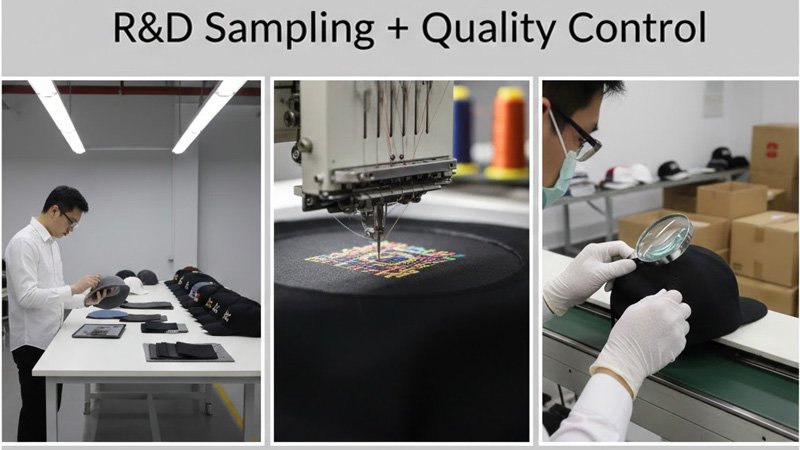
At GUANGZHOU EASTLUCKY Hat & Garment Co., Ltd., we help brands develop eco-friendly headwear that is practical to produce and credible to claim—through structured sampling, quality-first manufacturing, and clear material/finish specifications.
Next steps (choose one):
-
Request material swatches (organic cotton / rPET / hemp blends / recycled mesh)
-
Request a BOM sustainability review (send your tech pack)
-
Request a PFAS-free performance sample plan (tell us end use + target market)
Why Are New Era Caps So Expensive? The Real Cost Behind 59FIFTY Pricing—and What Premium Hat Brands Can Learn
New Era caps—especially the iconic 59FIFTY fitted—often cost more than the average baseball hat. And while it’s easy to label that premium as hype, the price is usually a reflection of real inputs: official sports licensing, on-field specification discipline, premium construction, tight quality control, and scarcity-driven releases that elevate collectability.
If you’ve been asking “why are New Era caps so expensive?” this guide breaks down the true cost structure behind New Era pricing—and offers practical insights for brands who want a similar “premium” outcome through design, build, and supply chain execution.
Quick Take: Why New Era Hats Cost More
New Era hats are expensive because they stack multiple cost drivers at once:
-
Official league licensing fees (MLB/NFL/NBA royalties)
-
On-field authenticity standards (spec-driven build requirements)
-
Premium materials and structured construction (shape retention)
-
Strict quality control for consistent fit and silhouette
-
Limited drops, collaborations, and collector demand
-
Distribution and pricing discipline (fewer deep discounts)
Together, these factors position New Era as more than merchandise—it’s a certified piece of sports culture and streetwear identity.
1) Licensing & On-Field Authenticity: The Biggest Built-In Premium
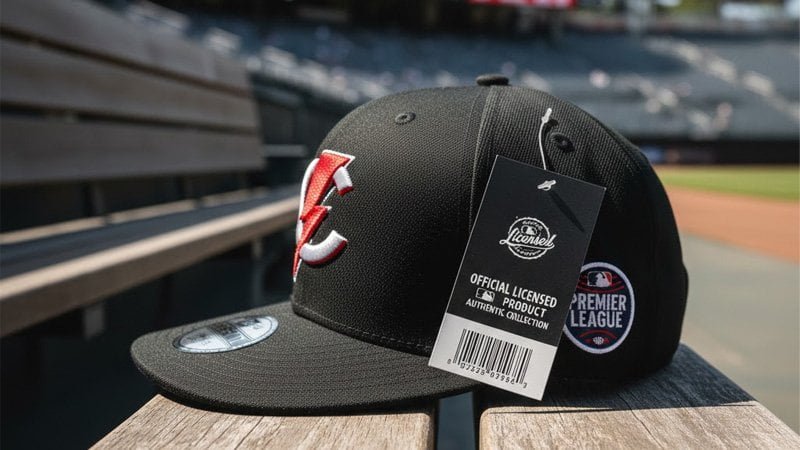
The single largest “hidden cost” behind the New Era 59FIFTY price is licensing.
When a hat includes official team branding, it carries royalty and trademark costs that are embedded into retail pricing. Licensing also comes with compliance obligations: correct logo placement, approved color standards, and brand-protected applications.
Then there’s on-field authenticity. New Era’s “Authentic On-Field” positioning implies a product built to specific standards—details that increase complexity and inspection time.
What you’re paying for:
Not just a logo, but verified legitimacy plus a spec system that protects consistency.
2) Premium Build, Materials & Structure: Shape That Lasts Costs More
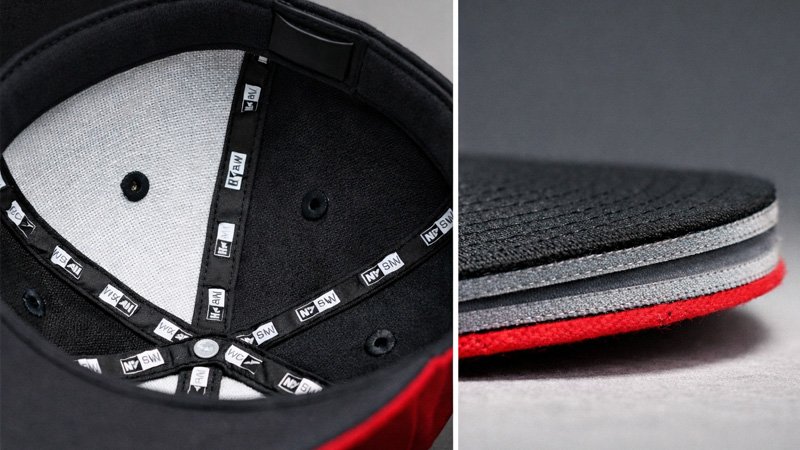
A fitted cap’s value isn’t only in how it looks—it’s in how it holds its silhouette over time.
New Era’s premium feel typically comes from:
-
Reinforced buckram for a firm crown
-
Structured six-panel construction for shape stability
-
High-density embroidery for crisp, dimensional logos
-
Interior taping and branded sweatbands for comfort and finish
-
Visor inserts designed to resist warping
Cheaper hats often lower cost through lighter structure, lower stitch density, simplified interior finishing, and broader tolerance standards. Those savings show up later as faster shape collapse, less consistent fit, or visible manufacturing variation.
Premium takeaway:
Structure is not an aesthetic choice—it’s an engineering choice.
3) Fit Consistency & Quality Control: The Quiet Differentiator
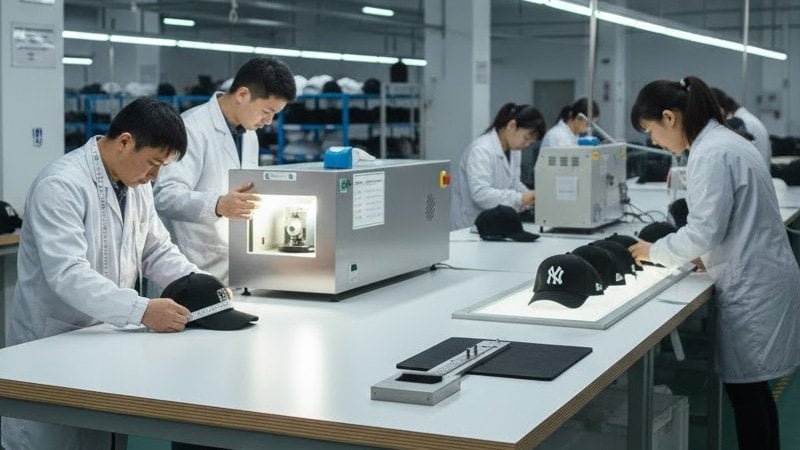
Most consumers can’t describe QC—but they can feel it.
One reason the New Era fitted cap cost stays high is that fitted caps demand repeatability across sizes and batches. Achieving consistency requires:
-
tighter measurement standards
-
process discipline in sewing/assembly
-
controlled embroidery execution
-
inspection checkpoints and defect thresholds
-
additional rework/scrap cost to protect the final experience
Collectors value that reliability. When a fitted cap’s size feels inconsistent from drop to drop, trust erodes quickly.
Premium takeaway:
Consistency is a product feature—one that costs money.
4) Scarcity, Drops & Collabs: Hype Economics That Reinforces Price
New Era pricing is also supported by “drop culture.”
Limited releases and collaborations create scarcity, and scarcity accelerates demand. When a cap is tied to an anniversary patch, special event, or exclusive colorway, it becomes a collectible.
Common premium drivers include:
-
limited production runs
-
short release windows
-
exclusive patches and embroidery packages
-
designer and streetwear collaborations
-
resale activity that signals cultural value
Premium takeaway:
Scarcity isn’t only marketing—it changes the economics of demand.
5) Distribution & Pricing Discipline: Why Discounts Are Rare
New Era also protects pricing through channel control: a tighter authorized retailer ecosystem and stronger pricing discipline reduce aggressive markdowns.
This matters because widespread discounting trains the market to wait for sales—and weakens “premium” positioning.
Pricing discipline supports:
Premium takeaway:
A premium product needs premium distribution strategy.
6) Upstream Cost Pressures: Inflation, Compliance & Smaller Runs
Beyond brand strategy, modern hat manufacturing has real cost pressure:
-
fabric and labor increases
-
more complex global logistics
-
compliance requirements (labeling, testing, restricted substances)
-
special editions with smaller runs (higher per-unit cost)
This is why two caps that look similar can differ significantly in cost once you account for total production and compliance overhead.
Premium takeaway:
The shelf price often reflects upstream reality, not just brand margin.
For many buyers, yes—because New Era delivers a unique combination of:
-
official legitimacy
-
on-field authenticity positioning
-
durable structure and consistent silhouette
-
collectable identity through drops and collaborations
For customers who only want an everyday cap, the value equation may favor premium non-licensed alternatives built with strong materials and QC—but without licensing fees.
What Premium Hat Brands Can Do Better Than “Copying” New Era
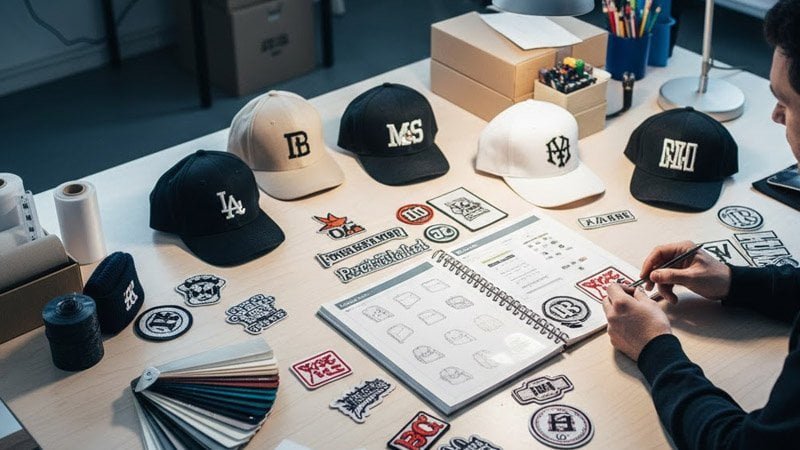
If you want to build a premium cap line—especially a structured fitted style—focus on what actually drives perceived value:
-
Silhouette engineering: crown height, panel shape, buckram selection
-
Embroidery precision: density, edge clarity, raised effects, patch quality
-
Repeatability systems: specs, tolerance control, in-line QC checkpoints
-
Intentional scarcity: capsule drops, limited colorways, event moments
-
Story that matches reality: craftsmanship and proof, not empty hype
Premium is not one feature. It’s a system.
Manufacture Premium Caps with a Brand-First Supply Chain Partner
GUANGZHOU EASTLUCKY Hat & Garment Co., Ltd. is a high-end custom hat and OEM/ODM manufacturer based in Guangzhou, China, with 15 years of expertise in professional R&D, production, and distribution of various hats and embroidered accessories.
Guided by the philosophy “Quality as Root, Innovation as Soul,” we provide global clients with a one-stop solution from design sampling to mass production, helping brands create efficient, consistent, high-quality supply chains.
If you want “New Era-level” structure and finish—without needing licensed branding—we support:
-
structured crown development and pattern refinement
-
reinforced buckram configuration and fit tuning
-
high-density embroidery and patch execution
-
fabric selection for performance and durability
-
sampling workflows for faster iteration
-
QC standards that protect silhouette consistency
FAQ (SEO-Friendly; Suitable for Schema Markup)
Why are New Era caps so expensive compared to other hats?
New Era caps cost more due to official league licensing royalties, on-field specification standards, premium structured construction, strict quality control, and scarcity-driven releases that increase demand and perceived value.
Does licensing really affect the price of a fitted cap?
Yes. Licensed hats include trademark and royalty fees and must follow approved branding and compliance rules, which increases both cost and production complexity.
Are New Era 59FIFTY caps higher quality than cheaper hats?
In many cases, yes. The 59FIFTY is known for structured construction, reinforced materials, dense embroidery, and consistent QC that helps maintain shape and fit over time.
Why do limited edition New Era caps cost more?
Limited runs increase per-unit manufacturing cost and create scarcity, which often increases demand. Special patches, embroidery packages, and exclusive colorways can also raise production costs.
Can brands make premium “New Era-style” caps without copying logos?
Yes. Brands can achieve a premium fitted look by focusing on structured crowns, reinforced buckram, high-density embroidery, consistent sizing standards, and strict QC—without licensed branding.
Best Sustainable Hat Materials for U.S. Brands (2026 Guide)
Organic Cotton, rPET & Hemp—Plus Certifications, BOM Options, and a Buyer Checklist
Picture this: you’re presenting a new cap line at a U.S. trade show. A buyer checks the hand-feel, flips the label, and asks the question that now determines purchase decisions:
“Is this sustainable—and can you prove it?”
In the U.S. market, sustainability claims are increasingly evaluated through documentation—certifications, test reports, and traceability. This guide helps you choose the right sustainable hat materials and prepare the proof retailers and buyers expect.
Key takeaways (fast selection):
-
Premium lifestyle collections: GOTS-certified organic cotton (or organic blends)
-
Performance & athleisure: verified recycled polyester (rPET) under GRS/RCS where applicable
-
Outdoor & eco-first positioning: hemp or hemp blends for texture, durability, and brand story
At GUANGZHOU EASTLUCKY Hat & Garment Co., Ltd., we provide high-end custom hat OEM/ODM with integrated design support, sampling, scalable production, and quality control, helping global brands deliver retail-ready headwear with compliant documentation.
1) Quick Recommendations: Choose by Brand Positioning
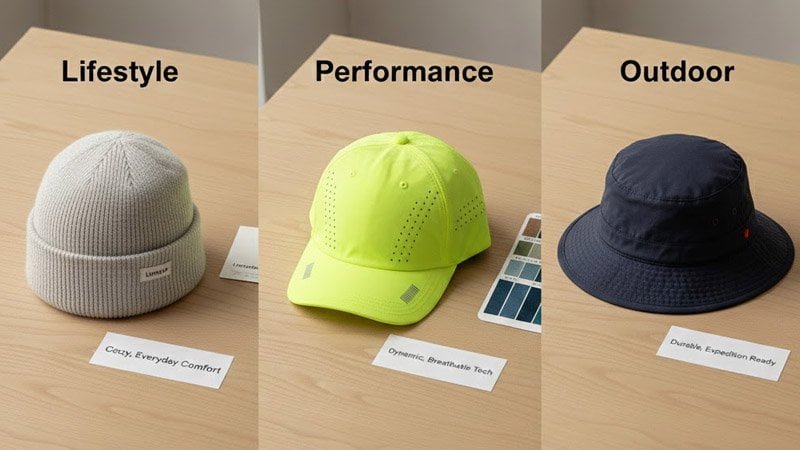
Lifestyle brands (soft hand-feel + premium storytelling)
GOTS-certified organic cotton (or organic cotton blends)
Best for: dad hats, baseball caps, 5-panels, washed caps, premium basics.
Performance & athleisure (durability + moisture management)
Verified recycled polyester (rPET), often blended
Best for: truckers, sport caps, mesh-back caps, lightweight structured caps.
Outdoor & “eco-first” brands (distinct texture + strong eco narrative)
Hemp or hemp blends
Best for: bucket hats, utility caps, outdoor structured styles, UV-focused lines.
2) Material Comparison Matrix (What Matters in Hat Development)
Actual performance depends on fabric construction, finishing, blend ratio, and dyeing. Use this matrix to shortlist materials for your hat style and price point.
| Category |
Organic Cotton (GOTS) |
Recycled Polyester (rPET / GRS-RCS) |
Hemp (Often Blended) |
| Hand-feel |
Soft, natural |
Smooth, technical |
Textured; can feel firm |
| Breathability |
High |
Medium (mesh improves) |
High |
| Durability |
Medium–High |
High |
High |
| Embroidery |
Excellent |
Good–Excellent |
Good (needs correct backing) |
| Best decoration |
Embroidery, patches, screen print |
Sublimation/heat transfer, embroidery |
Embroidery, patches (printing varies) |
| Care |
May shrink if not pre-shrunk |
Easy-care, holds shape |
Stable, strong; softens with finishing |
| Sustainability value |
Avoids synthetic pesticides (certified) |
Uses recycled feedstock (certified/verified) |
Low-input crop story; strong eco positioning |
| Watch-outs |
Shrinkage + lot color consistency |
Microfiber shedding risk; manage via fabric choice & care guidance |
Hand-feel + dye lot control |
3) Deep Dive: Top Sustainable Materials (Practical Build Notes)
Why buyers choose it: The most recognizable “clean fiber” story for mainstream consumers—especially when supported by valid certification and clear labeling.
Best styles: dad hats, baseball caps, washed cotton caps, soft structured 5-panels.
Build notes:
-
Use pre-shrinking/sanforization to reduce post-wash size changes
-
Choose stable weaves (twill/canvas) for crisp embroidery
-
For washed effects: confirm lab dips + wash standard early
Documentation buyers may request:
-
GOTS scope certificate (valid dates) + supplier info
-
Fiber content spec + care label guidance
-
Colorfastness & shrinkage testing (brand-specific)
B) Verified rPET for Performance, Trucker, and Athleisure
Why buyers choose it: Strong durability and shape retention with a circular story—best when supported by GRS/RCS documentation where applicable.
Best styles: truckers, mesh-back caps, structured sport caps, sublimation panels.
Build notes:
-
Choose constructions that minimize pilling for high-wear use
-
To address microfiber concerns: use tighter weaves/stable yarns + care guidance
-
For sublimation: lock color targets + heat settings early
Documentation buyers may request:
-
GRS/RCS scope certificates (if applicable)
-
Batch-level documentation supporting recycled claims (when required)
-
Chemical compliance statement aligned with brand RSL/MRSL
C) Hemp & Hemp Blends for Outdoor-First and Eco-First Collections
Why buyers choose it: Distinct “authentic eco” texture and durable wear—commonly preferred in blends for comfort.
Best styles: bucket hats, utility caps, outdoor structured caps, UV-oriented styles.
Build notes:
-
Many brands prefer hemp + organic cotton blends for softness
-
Use softening finishes while keeping structure
-
Confirm dye lots carefully—hemp can dye differently than cotton
Documentation buyers may request:
-
Fiber content/blend proof
-
Dyeing chemical compliance (OEKO-TEX or equivalent)
-
Performance tests (rubbing/perspiration/colorfastness)
4) Sustainable Hat BOM: It’s Not Just the Fabric
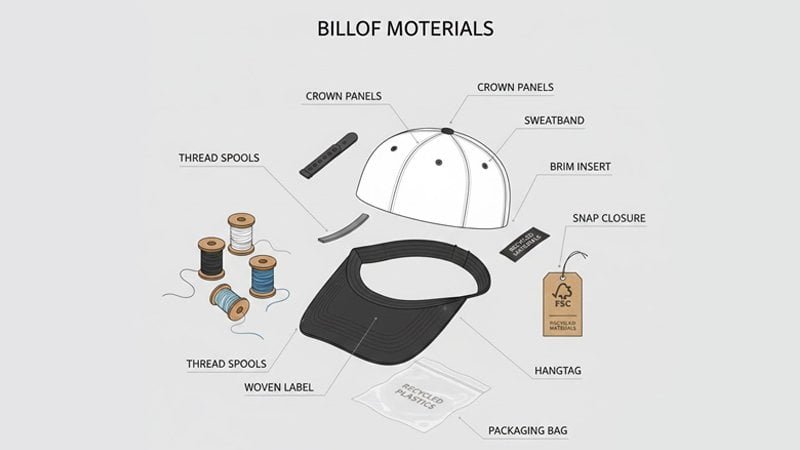
U.S. buyers increasingly evaluate the full BOM, not only the main fabric.
BOM components to review:
-
Sweatband: organic cotton / recycled polyester / low-impact dyed
-
Buckles & closures: recycled plastic, recycled metal, durable metal hardware
-
Brim insert: recycled options where feasible
-
Threads: recycled sewing thread; embroidery thread options
-
Interlinings: certified and compliant
-
Labels & packaging: FSC paper hangtags, recycled polybags, water-based inks
Three practical BOM packages (by price tier):
-
Entry: organic cotton body + standard trims + FSC hangtag
-
Mid: rPET body + recycled buckle + recycled packaging + compliance testing
-
Premium: hemp/organic blend + recycled metal trim + custom lining + premium packaging
5) What U.S. Retailers & Buyers Typically Ask (Compliance & Proof)
Typical onboarding questions include:
-
Can you provide valid scope certificates (with dates)?
-
Can you support recycled claims with batch-level documentation when required?
-
Are dyes/processes compliant with OEKO-TEX or brand RSL/MRSL?
-
Can you pass standard tests (rubbing, perspiration, shrinkage, durability)?
-
Do you have social compliance audits (BSCI/SEDEX/other)?
Buyer document checklist (copy/paste):
-
Material certification (scope certificate + validity dates)
-
Fiber content & blend confirmation (spec sheet)
-
Recycled claim support (batch documentation where applicable)
-
Chemical compliance statement (aligned with RSL/MRSL requirements)
-
Performance tests: rubbing/perspiration colorfastness, shrinkage, durability
-
Social compliance / audit status (BSCI/SEDEX/other)
-
Traceability overview (what’s traceable by batch/lot)
6) Quality & Testing: Minimum Standards for Retail-Ready Hats
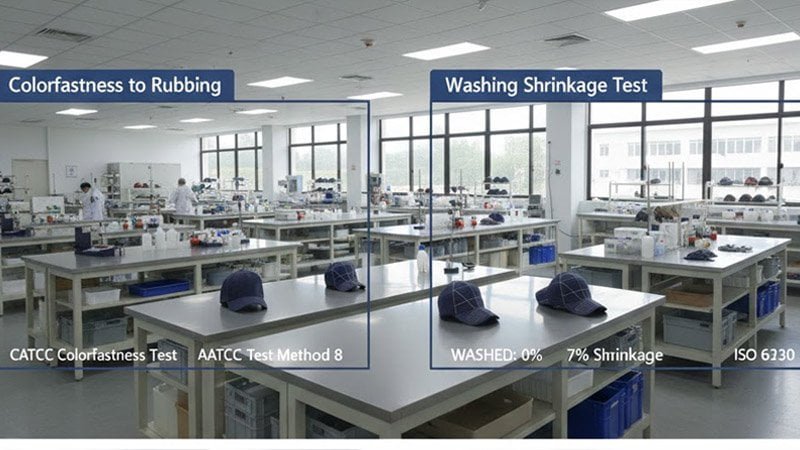
To reduce returns and protect brand reputation, align early on:
-
Colorfastness to rubbing (dry/wet)
-
Colorfastness to perspiration
-
Shrinkage / dimensional stability (especially cotton)
-
Embroidery durability (wash/abrasion exposure)
-
Structure stability (panel shape retention, brim deformation)
High-end development is not only about passing tests—it’s about repeatability at scale.
7) Sample-to-Bulk Process (What a Smooth Project Looks Like)
A professional workflow typically includes:
-
Tech pack / mood board + target cost + target positioning
-
Material selection + BOM confirmation
-
Lab dips / color approvals + decoration method selection
-
Prototype sample → fit/hand-feel review → revisions
-
Pre-production approval
-
Bulk production + QC + packaging + shipping
8) FAQ (Common Buyer Questions)
Q: Can sustainable hats still look premium and hold structure?
Yes. Structure is driven by construction, interlinings, brim inserts, and sewing specs—not only fiber type.
Q: Is rPET always “better” than virgin polyester?
Recycled content supports circularity goals, but brands should also address microfiber shedding via fabric choice, finishing, and care guidance.
Q: What’s the best “eco-first” material for outdoor collections?
Hemp blends are a common sweet spot: durable, distinctive texture, strong story, improved comfort.
9) Next Step: What to Send for Fast Quotes & Accurate Samples
To accelerate quoting and sampling, send this RFQ template:
-
Style & structure: (dad hat / 5-panel / trucker / bucket; soft or structured)
-
Fabric: (organic cotton / rPET / hemp blend) + weight + composition
-
Colors: Pantone + number of colorways
-
Logo: method (embroidery/patch/print) + placement + artwork file
-
Trims: buckle/closure, sweatband, lining, labels
-
Packaging: hangtag, polybag, retail-ready requirements
-
Quantity: per colorway + total
-
Target: target FOB (optional) + target delivery window
-
Compliance: required certifications/tests (GOTS/GRS/RCS/OEKO-TEX, etc.)
Final Thoughts: Proof + Execution Win Orders
U.S. consumers want sustainability, but retailers and buyers expect verifiable claims, consistent quality, and scalable delivery. Organic cotton, recycled polyester, and hemp—especially in well-engineered blends—remain leading pathways when paired with the right construction, documentation, and testing.
GUANGZHOU EASTLUCKY Hat & Garment Co., Ltd. supports global brands with high-end OEM/ODM hat manufacturing, professional R&D, and end-to-end execution—from sampling to bulk production—helping you launch sustainable headwear with confidence.