Can You Wear a Hat in Court? Rules, Exceptions, and Courtroom Etiquette
If you are going to court, one of the most important things to remember is that your appearance matters. Courtrooms are formal environments, and even small details—such as wearing a hat—can affect how you are perceived.
So, can you wear a hat in court?
In most courtrooms, wearing a hat is not recommended, and you may be asked to remove it. However, religious, cultural, and some medical head coverings are often treated differently. The exact answer depends on the court, the judge, and the reason you are wearing it.
Here is what you should know before stepping into a courtroom.
Why What You Wear to Court Matters
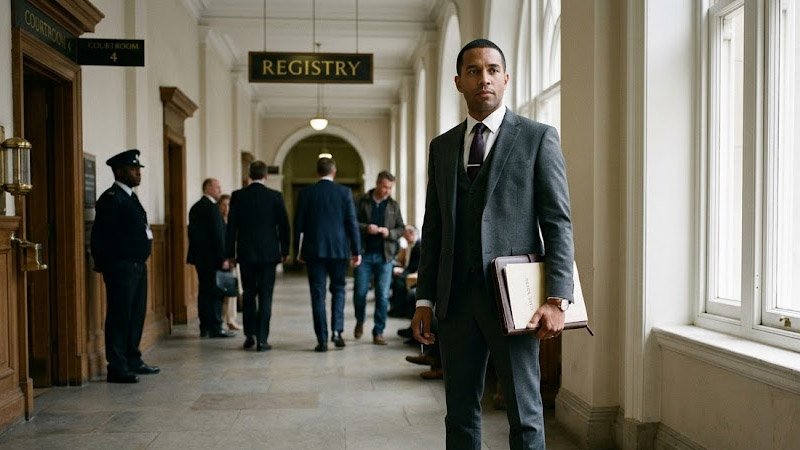
Court is not like going to a store, a restaurant, or even a normal office. It is a place where rules, procedures, and respect for the legal process matter. Because of that, the way you dress plays an important role in first impressions.
You do not need expensive clothing to look appropriate in court. In most situations, clean, modest, and professional-looking attire is enough. The goal is to show that you understand the seriousness of the occasion.
A hat may seem like a small detail, but in court, small details often matter. If your clothing looks too casual or distracting, it may give the impression that you are not taking the situation seriously.
The Short Answer: Hats Are Usually Discouraged
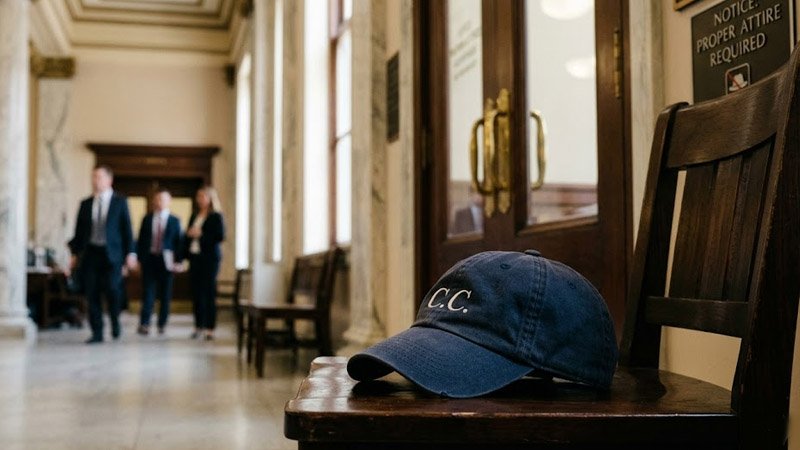
In general, casual hats are usually discouraged in court. This includes items such as:
- baseball caps
- beanies
- fashion hats
- streetwear caps
- any headwear worn mainly for style rather than necessity
Even when there is no clearly posted rule saying “no hats,” court staff or security officers may still ask you to remove one. This is common because courtroom expectations are based not only on written rules, but also on formality and decorum.
If the hat is optional, the safest choice is to leave it off.
Why Hats Are Often Not Allowed in Court
There are several reasons hats are commonly discouraged in courtrooms.
1. Courtrooms Are Formal Spaces
The most common reason is simple: courts are formal institutions. Judges, lawyers, jurors, and court staff are expected to maintain a professional environment. Wearing a casual hat can appear too relaxed for that setting.
In many cultures, removing a hat indoors—especially in official or serious spaces—is considered a basic sign of respect. Courtrooms often follow that same expectation.
2. Security Procedures Matter
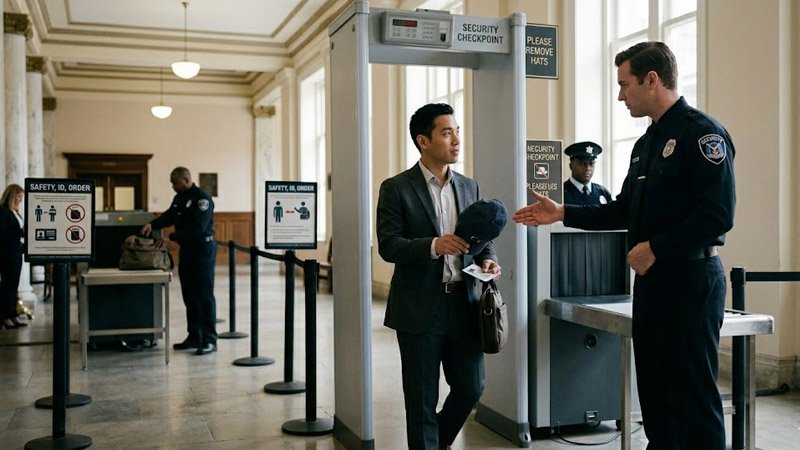
Courthouses usually have security screening at the entrance. During that process, officers may ask visitors to remove hats so they can confirm identity and ensure nothing is concealed.
This is important because courthouse security rules and courtroom etiquette often overlap. You may be allowed to wear a hat while arriving at the building, but once you go through screening or enter the courtroom itself, you may be told to take it off.
3. Clear Identification Is Important
In a courtroom, everyone needs to be clearly seen and identified. Hats with low brims, oversized shapes, or anything that partially covers the face can make that harder. Court staff want to avoid confusion, unnecessary distraction, or anything that could interfere with orderly proceedings.
The issue is often not the hat itself, but whether it fits the seriousness and visibility requirements of the setting.
Does the Rule Change from Court to Court?
Yes, it can.
Not every courtroom handles attire in exactly the same way. Some judges are more strict than others. Some local courts may have posted dress standards, while others rely more on courtroom staff to manage appearance and behavior.
That is why people sometimes hear different answers to the same question. One person may say they wore a hat without issue, while another may say they were immediately told to remove it.
Still, the safest general rule remains the same: do not assume a casual hat will be acceptable in court.
Different Roles, Different Expectations
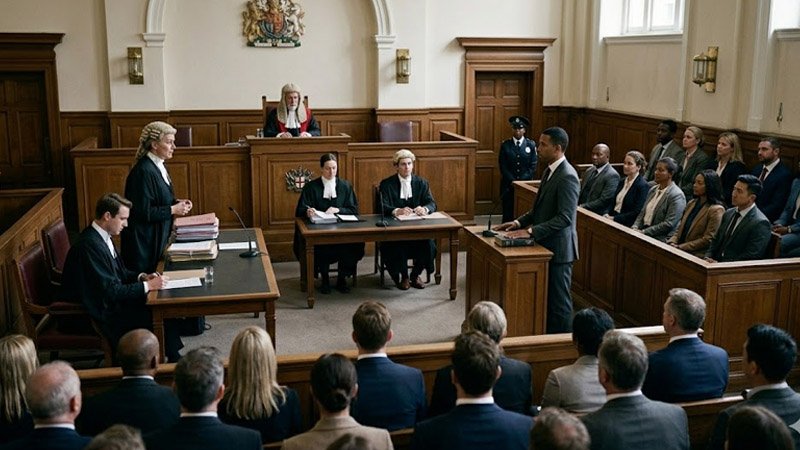
Whether you can wear a hat may also depend on why you are in court.
If You Are a Defendant
If you are appearing in court as a defendant, your appearance matters even more. You want to look respectful, responsible, and prepared. Wearing a casual hat usually does not help create that impression.
Even if no one says anything, it may still affect how others view you. In court, that is not a risk worth taking.
If You Are a Witness
Witnesses are also expected to appear neat and respectful. Since witnesses may be speaking directly before the judge or jury, their appearance should not distract from their testimony.
A casual hat may draw unnecessary attention and may be viewed as inappropriate unless there is a valid reason for wearing it.
If You Are a Juror
Jurors are usually expected to follow conservative dress standards. Courts often want jurors to appear neutral, consistent, and professional. Because of that, hats are typically discouraged unless there is a religious or medical reason.
If You Are Just Observing
Even spectators and family members attending a hearing are expected to respect courtroom rules. Being “just a visitor” does not mean dress expectations no longer apply. If you wear a hat into court, you may still be asked to remove it.
Are Religious or Cultural Head Coverings Allowed?
In many cases, yes.
Religious and cultural head coverings are usually treated differently from fashion hats or casual caps. Courts generally recognize that items such as turbans, hijabs, yarmulkes, and other faith-based or culturally significant coverings are not simply accessories.
That said, you may still be asked to cooperate with identification or security procedures. This usually does not mean the court is rejecting the head covering—it simply means courthouse rules still apply to everyone entering the building.
If you know in advance that you will be wearing religious or cultural headwear and you are concerned about how it may be handled, contacting the court ahead of time is a smart step.
What About Medical Reasons?

Medical needs can also make a difference.
Some people wear head coverings because of surgery, treatment, hair loss, scalp sensitivity, or other health-related reasons. In many situations, courts will be understanding if the headwear is clearly functional and not worn as casual fashion.
If the court appearance is important, it is wise to notify your lawyer or the court in advance. That can help avoid confusion and reduce stress on the day of the hearing.
What Happens If You Refuse to Remove a Hat?

If a judge, bailiff, or court officer asks you to remove your hat, the best response is to comply politely.
Refusing a direct instruction in court can create unnecessary problems. At a minimum, you may be asked to leave the courtroom. In more serious situations, refusing to follow courtroom instructions may be seen as disrespectful or disruptive conduct.
Even if you personally feel the rule is minor, arguing about it in court is rarely a good idea. It is always better to cooperate and keep the focus on the legal matter itself.
A Practical Example
Imagine you are attending traffic court and wearing a baseball cap. Your clothing is otherwise neat and appropriate. Even so, there is a good chance that security staff or courtroom personnel will ask you to remove the cap before the hearing begins.
Now imagine a different situation. You are wearing a head covering for religious reasons. In that case, the response from the court is likely to be different. Staff may still need to confirm identity or follow screening procedures, but the head covering itself is more likely to be accommodated.
These examples show why the answer is not always a simple yes or no. The context matters.
Best Practice: What Should You Do?
If you are unsure whether wearing a hat to court is acceptable, the safest approach is very simple:
- do not wear a casual hat into the courtroom
- remove your hat during security screening if asked
- dress neatly and conservatively
- contact the court in advance if your head covering is religious, cultural, or medical
As a rule, if the hat is optional, it is usually better to leave it off.
A Note on Professional Presentation
Understanding when headwear is appropriate is not only a matter of fashion, but also of context. In formal settings, presentation can influence perception in powerful ways. As a company specializing in premium headwear development, GUANGZHOU EASTLUCKY Hat & Garment Co., Ltd. understands that hats serve different purposes across branding, uniforms, fashion, and professional use. Knowing when a hat enhances appearance—and when it may be inappropriate—is part of understanding the product itself.
Final Thoughts
So, can you wear a hat in court?
For most people, in most situations, the safest answer is no. Casual hats are usually not considered appropriate courtroom attire, and you may be asked to remove one even if there is no posted written rule.
Religious, cultural, and some medical head coverings are often treated differently, but if you are ever unsure, it is best to check with the court ahead of time.
Court appearances are serious, and the goal is to avoid distractions, show respect, and present yourself appropriately. In that setting, removing a hat is often the simplest and smartest choice.
FAQs
Can you wear a baseball cap in court?
Usually not. A baseball cap is generally considered too casual for a courtroom, and you may be asked to remove it.
Can you wear a beanie in court?
In most cases, a beanie is also discouraged unless there is a medical or other valid reason.
Are religious head coverings allowed in court?
Often yes. Courts usually respect religious head coverings, although standard security or identification procedures may still apply.
Can jurors wear hats in court?
Jurors are typically expected to follow conservative dress standards, so hats are usually discouraged unless there is an approved reason.
What if I need to wear a hat for medical reasons?
Medical needs may be accommodated. If possible, inform your lawyer or the court before your appearance.
What should I wear to court instead of a hat?
Choose clean, modest, and professional clothing. A simple and respectful appearance is usually the best option.
How to Make a Polyester Hat Smaller Without Damaging It
A polyester hat can start to feel loose for many reasons. Daily wear, sweat, repeated washing, and storage pressure can all affect how a cap fits over time. Even when the hat still looks good, it may no longer feel snug and secure on your head.
The good news is that you can usually make a polyester hat smaller without damaging it, but the method matters. Polyester does not shrink as easily as natural fibers like cotton or wool, so the safest approach is controlled adjustment rather than aggressive heat.
In this guide, we will explain why polyester hats become loose, how polyester reacts to heat and moisture, which methods are safest, and how to choose the right technique based on your hat’s construction.
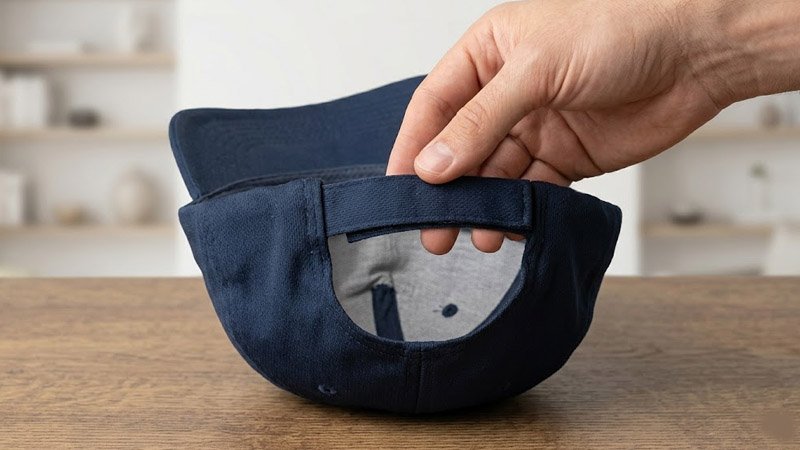
Polyester is known for durability, shape retention, and resistance to wrinkles, which is why it is widely used in sports caps, fashion hats, promotional headwear, and custom branded caps. However, that does not mean a polyester hat will keep the exact same fit forever.
A hat may feel looser over time because:
- the sweatband has relaxed after repeated wear
- the crown has softened from moisture and use
- the hat has lost some of its original shape
- washing or drying has slightly altered the structure
- the cap was always a little large to begin with
In many cases, the issue is not dramatic stretching. Instead, the hat simply loses the firm, close fit it had when new.
Can Polyester Actually Shrink?
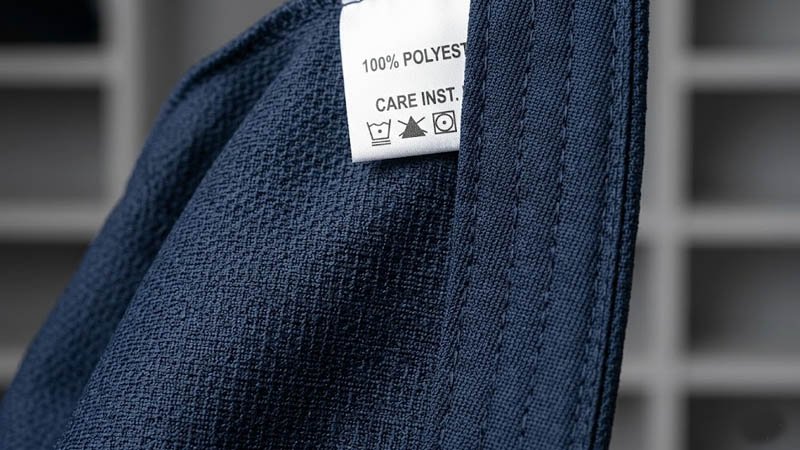
Yes, but only to a degree.
Polyester is a synthetic material, so it is much more resistant to shrinkage than natural fibers. That means you should not expect dramatic size reduction. In most cases, what you are really doing is helping the hat shrink slightly while also reshaping it so it fits better.
This is an important distinction. A polyester hat often becomes “smaller” not because it shrinks heavily, but because the fabric, sweatband, and crown settle into a tighter and better-shaped form.
That is why gentle methods usually work better than extreme ones.
Check Your Hat Before You Start
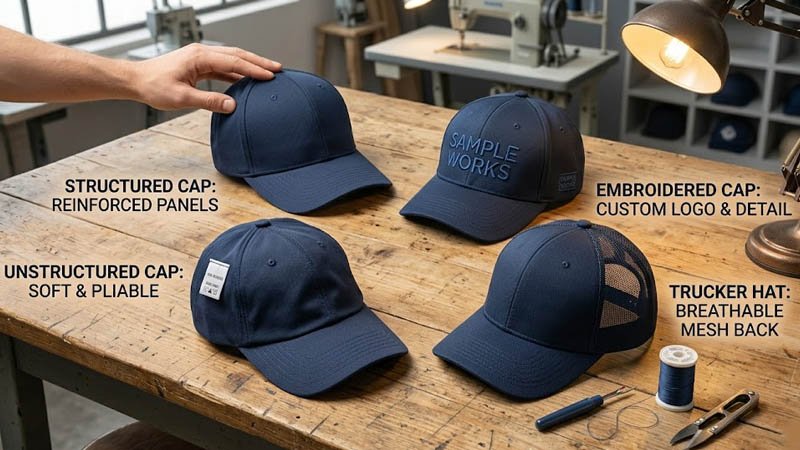
Before trying to make a polyester hat smaller, take a close look at how it is made.
A polyester hat is usually easier and safer to adjust if it has:
- a soft or lightly structured crown
- simple construction
- no glued-on patches
- no delicate decoration
- a flexible brim
You should use extra caution if the hat has:
- thick embroidery
- heat-transfer logos
- stiff front panels
- mesh backing
- specialty trims
- a firm structured crown
Not every polyester hat reacts the same way to heat or moisture. A basic sports cap, a trucker hat, and a structured promotional cap may all behave differently during the adjustment process.
How Much Smaller Can a Polyester Hat Get?
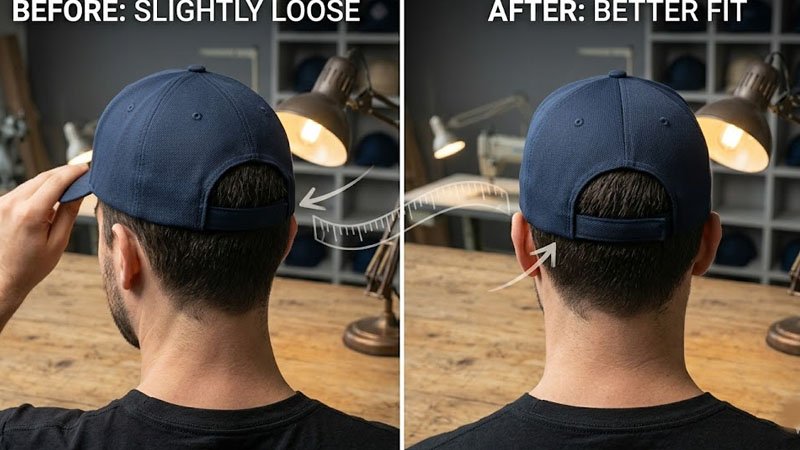
This depends on the hat’s fabric blend, construction, and current condition.
If the hat is only slightly loose, you can often improve the fit successfully. If the hat is much too large, however, polyester usually will not shrink enough to solve the problem completely.
In most cases, you should expect:
- slight shrinkage
- better shape retention
- a tighter sweatband feel
- improved overall fit rather than major size reduction
The most effective mindset is not “How can I drastically shrink this hat?” but rather “How can I reduce looseness safely and restore a better fit?”
The Safest Ways to Make a Polyester Hat Smaller
There is no single best method for every cap. The right option depends on how loose the hat is and how delicate its construction may be.
1. The Warm Shower Method
This is the gentlest method and a good starting point for hats that are only a little loose.
Best for:
- slight looseness
- everyday polyester caps
- lightly structured hats
- low-risk adjustment
How to do it:
- Put the hat on your head.
- Take a warm shower while wearing it, or expose it to warm steam.
- Let the hat become damp, not heavily soaked.
- Keep wearing it while it begins to dry.
- If needed, use a hairdryer on medium heat from a safe distance to finish drying.
Why it works:
Warm moisture softens the fibers slightly. As the hat dries on your head, it settles into a shape that follows your head more closely.
What to keep in mind:
This method is best for minor fit correction, not major shrinkage. It is safe, simple, and usually the best place to start.
2. Hot Hand-Wash Method
If the hat needs a little more adjustment, hand-washing in hot water gives you more control.
Best for:
- moderate looseness
- polyester hats without fragile decorations
- users who want a controlled method
How to do it:
- Fill a basin with hot water, but do not use boiling water.
- Add a small amount of mild detergent if needed.
- Soak the hat for 10 to 15 minutes.
- Remove it and rinse lightly with cooler water.
- Press out excess moisture gently.
- Wear the hat while drying, or place it on a rounded object similar to head size.
Why it works:
Hot water helps relax the fibers and allows slight shrinkage while the drying phase helps reset the shape.
What to keep in mind:
This method offers a better balance of control and effectiveness than machine washing. For many polyester hats, this is one of the best options.
3. Washer and Dryer Method
This is the strongest common at-home method, but it is also the riskiest.
Best for:
- simple polyester hats
- more noticeable looseness
- caps without delicate logos or stiff structure
How to do it:
- Put the hat inside a garment bag.
- Wash it using warm or hot water with mild detergent.
- Transfer it to the dryer on medium heat.
- Check the hat every 5 to 10 minutes.
- Remove it as soon as the fit improves.
- Reshape it immediately by hand while still warm.
Why it works:
The combination of heat, moisture, and tumbling can tighten the fabric and sweatband more than gentler methods.
What to keep in mind:
This method can damage the hat if left too long. Do not use high heat, and do not treat this as a “set it and forget it” process.
4. Hairdryer Spot Adjustment
This method is ideal when only one area of the hat feels loose.
Best for:
- minor spot adjustment
- sweatband areas
- crown edges
- final shaping after another method
How to do it:
- Lightly dampen the loose area.
- Use a hairdryer on medium heat.
- Keep the dryer moving continuously.
- Shape the area gently with your hands as it dries.
Why it works:
Targeted heat allows you to tighten one area without stressing the whole hat.
What to keep in mind:
This is a fine-tuning method, not a complete solution for an oversized cap.
Quick Guide: Which Method Should You Choose?
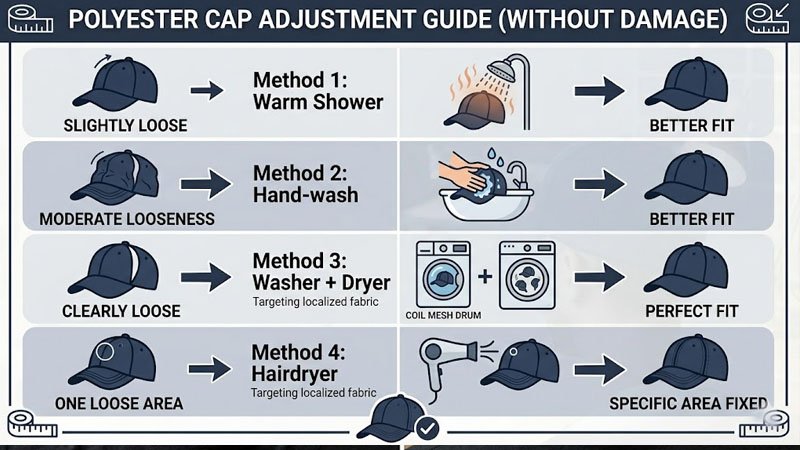
If your polyester hat is only slightly loose, start with the warm shower method.
If it needs moderate adjustment and you want better control, choose the hot hand-wash method.
If the hat is clearly too loose and has a simple structure, the washer and dryer method may help more, but it comes with greater risk.
If only one part of the hat feels loose, use the hairdryer spot-adjustment method.
The safest rule is always the same: start with the gentlest method first and only move to stronger methods if needed.
Common Mistakes to Avoid
Using Too Much Heat
Too much heat can warp the brim, distort the crown, affect the logo, or create shine marks on the fabric. Polyester should be treated with moderate heat, not extreme heat.
Using Boiling Water
Boiling water is too harsh for most polyester hats. It can damage structure and reduce the clean appearance of the cap.
Skipping Fit Checks
Do not wait until the entire process is finished before checking the fit. Small changes happen quickly, especially in the dryer.
Ignoring the Hat’s Construction
Structured caps, mesh-back hats, and hats with decorative applications should not be treated like simple plain polyester caps.
Expecting Large Shrinkage
Polyester can usually be adjusted a little, but not dramatically. A better fit is often the result of both slight shrinkage and reshaping.
When You Should Be More Careful
Some hats require extra caution, including:
- caps with embroidered logos
- hats with heat-transfer graphics
- trucker hats with mesh panels
- structured front-panel caps
- premium custom hats with reinforced shape
- hats with decorative patches or trims
If the hat is expensive, highly customized, or important for brand presentation, test the gentlest method first.
Why Construction Matters More Than Many People Realize
Many people assume that all polyester hats behave the same way, but that is not true. In reality, the way a hat responds depends not only on fabric but also on panel structure, sweatband quality, logo application, and finishing.
A soft unstructured cap may respond well to reshaping, while a heavily structured cap may keep its size but lose its visual form if treated too aggressively. Likewise, a hat with embroidery may tolerate gentle adjustment better than one with glued patches or heat-sensitive decoration.
For brands developing custom caps, long-term fit consistency often starts with the right material choice and production control. GUANGZHOU EASTLUCKY Hat & Garment Co., Ltd. is a high-end custom hat and OEM/ODM manufacturer based in Guangzhou, China, with 15 years of expertise in professional R&D, production, and distribution of various hats and embroidered accessories, providing one-stop solutions from design sampling to mass production for global clients.
Final Thoughts
If you want to make a polyester hat smaller without damaging it, the safest approach is gradual adjustment. Polyester does not shrink dramatically, but it can often be tightened slightly and reshaped effectively with the right method.
Start with the gentlest option, pay attention to the hat’s construction, and avoid excessive heat. In many cases, a careful process will give you a noticeably better fit while preserving the hat’s appearance and structure.
The goal is not to force dramatic shrinkage. The goal is to improve the fit without ruining the hat.
FAQs
Can you make a 100% polyester hat smaller?
Yes, but usually only slightly. A 100% polyester hat may respond to heat and moisture, but results are often moderate rather than dramatic.
Will a polyester hat shrink in the dryer?
It can shrink a little, especially when combined with washing, but dryers also create the highest risk of shape damage if the heat is too high or the drying time is too long.
Is steam safer than machine drying?
In many cases, yes. Steam or warm shower moisture is gentler and allows more control, especially for small fit adjustments.
Can I make a polyester hat smaller if it has embroidery?
Usually yes, but you should be more careful with heat and drying time. Delicate embroidery and decorative details should not be exposed to aggressive treatment.
What if the hat is much too big?
If the size difference is significant, shrinking may not solve the problem fully. Polyester hats are better for slight adjustment than major resizing.
How to Choose the Best Hat Color for Your Skin Tone, Outfit, and Occasion
Choosing the right hat color can make a bigger difference than most people expect. Because a hat sits close to your face, its color affects how your skin looks, how balanced your outfit feels, and how polished your overall style appears.
Many people choose a hat based only on personal preference, then realize later that the color does not feel quite right once they put it on. The reason is simple: a hat is not just an accessory. It frames your face, influences visual contrast, and often becomes one of the first things people notice in your outfit.
The best hat color is not always the boldest or trendiest one. It is the color that flatters your skin tone, works with your wardrobe, suits the occasion, and reflects the image you want to project. In this guide, we will break down how to choose the best hat color in a practical and stylish way.
Why Hat Color Matters
A well-chosen hat color can make your face look brighter, your outfit look more intentional, and your personal style feel more refined. A poor color choice can do the opposite. It can make your complexion appear dull, compete with your clothing, or make the whole look feel slightly off.
That is why choosing a hat color should be treated as part of the styling process, not as an afterthought. Whether you are wearing a baseball cap, bucket hat, beanie, fedora, or snapback, color plays a major role in the final result.
Step 1: Start with Your Skin Tone
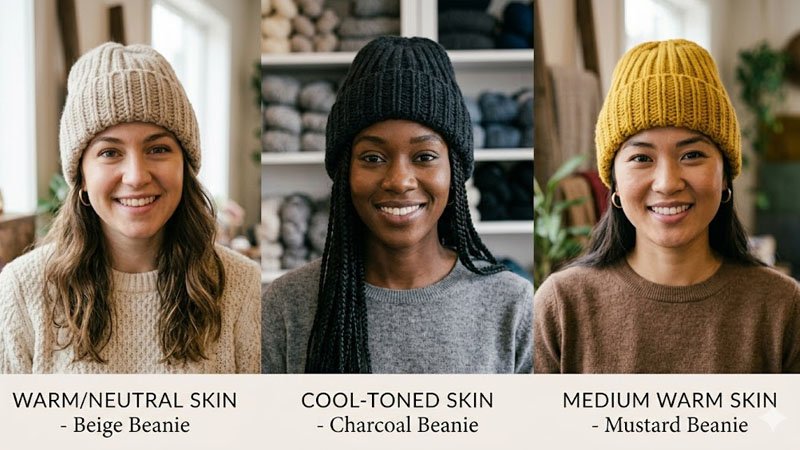
The easiest place to start is your skin undertone. In general, undertones fall into three categories: warm, cool, and neutral. Knowing your undertone can help you narrow down hat colors that naturally flatter your face.
Best Hat Colors for Warm Skin Tones
If your skin has yellow, peach, or golden undertones, you likely fall into the warm category. Warm skin tones usually look best in earthy, sun-inspired, and rich natural shades.
Good hat colors for warm skin tones include:
- camel
- beige
- brown
- mustard
- olive green
- rust
- terracotta
- warm red
These shades tend to bring warmth and life to the complexion. For example, a camel baseball cap paired with a cream T-shirt and dark denim can look effortless and flattering on someone with warm-toned skin.
Best Hat Colors for Cool Skin Tones
If your skin has pink, red, or bluish undertones, you are more likely to have a cool skin tone. Cooler complexions are often complemented by shades with blue or jewel-based depth.
Good hat colors for cool skin tones include:
- navy
- charcoal
- cool gray
- forest green
- burgundy
- plum
- lavender
- dusty rose
These colors create a cleaner contrast and often make cool-toned skin look brighter and more balanced. A navy cap or charcoal beanie is often a strong, reliable choice for people with cool undertones.
If you have a balance of warm and cool undertones, you likely have neutral skin. This gives you the most flexibility because both warm and cool shades can work well.
Good hat colors for neutral skin tones include:
- black
- beige
- taupe
- olive
- navy
- cream
- muted burgundy
- soft gray
If your undertone is neutral, focus less on strict color rules and more on the overall mood of the outfit.
How to Identify Your Undertone
If you are unsure about your undertone, here are a few simple ways to check:
Look at your veins.
Green-looking veins often suggest warm undertones. Blue or purple-looking veins usually suggest cool undertones. If it is hard to tell, you may be neutral.
Try on gold and silver jewelry.
Gold tends to flatter warm tones. Silver usually suits cool tones. If both look equally good, you may be neutral.
Pay attention to how your skin reacts to the sun.
If you tan easily, you may lean warm or neutral. If you burn quickly, you may lean cool.
Step 2: Consider Your Hair and Eye Color

Once you understand your skin tone, the next step is to consider your natural coloring. Hair and eye color can influence which hat shades feel soft and harmonious versus sharp and high-contrast.
Best Hat Colors by Hair Color
Blonde hair usually pairs well with softer shades such as light gray, dusty blue, cream, muted pink, and navy. Extremely harsh or neon colors can sometimes overpower lighter hair.
Brown hair works well with deeper, richer shades such as burgundy, forest green, chocolate brown, charcoal, and dark navy.
Black hair can handle crisp contrast very well. Black, white, camel, emerald, burgundy, and royal blue often create strong and stylish combinations.
Red hair looks especially good with earthy and autumn-inspired tones such as olive, rust, camel, warm brown, and deep green.
Best Hat Colors by Eye Color
Blue eyes are often enhanced by navy, gray, teal, and muted blue tones.
Green eyes tend to stand out with olive, brown, plum, and earthy shades.
Brown eyes work beautifully with burgundy, deep green, navy, and jewel tones.
Hazel eyes often pair well with bronze, olive, warm neutrals, and muted gold-inspired shades.
Your hat does not need to match your eyes or hair exactly. The goal is simply to create a balanced and flattering look.
Step 3: Match the Hat Color to Your Outfit
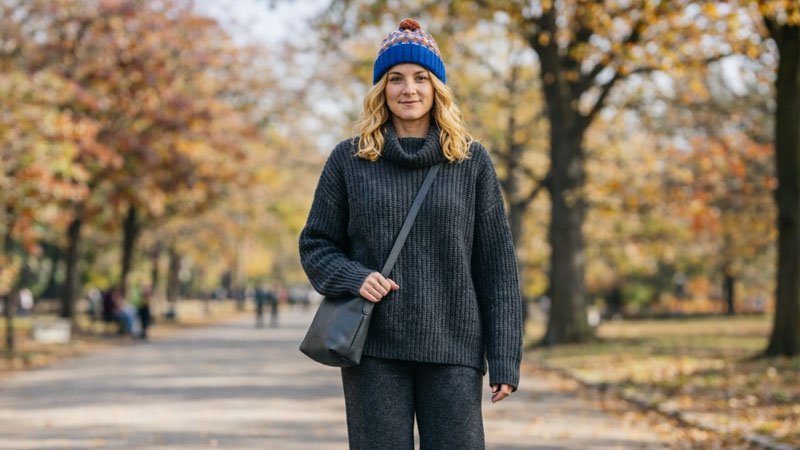
A hat should not only flatter your face. It should also work with the clothes you actually wear. If the color does not fit your wardrobe, it may look great in theory but sit unused in real life.
There are three simple ways to coordinate a hat color with your outfit.
Monochrome Styling
This approach uses a hat color that is similar to the rest of the outfit. It creates a clean, polished, and more minimal look.
Examples include:
- a black cap with a black bomber jacket
- a beige hat with a cream knit and tan trousers
- a navy cap with a navy overshirt or blazer
Monochrome styling is ideal if you want your look to feel refined without appearing too styled.
Contrast Styling
This method uses the hat to create visual tension and make the outfit more dynamic.
Examples include:
- a white cap with a dark jacket and black trousers
- a burgundy beanie with a gray sweater
- a navy cap with a light denim outfit
Contrast works especially well when the rest of the clothing is fairly simple. It helps the hat stand out without looking forced.
Accent Styling
In this case, the hat acts as the main pop of color in the outfit.
Examples include:
- a red cap with a white T-shirt and blue jeans
- a mustard beanie with a black coat and gray pants
- an olive cap with a beige overshirt and white sneakers
This can be a great approach if you like understated outfits but still want one detail to bring energy and personality.
Step 4: Choose Based on the Occasion
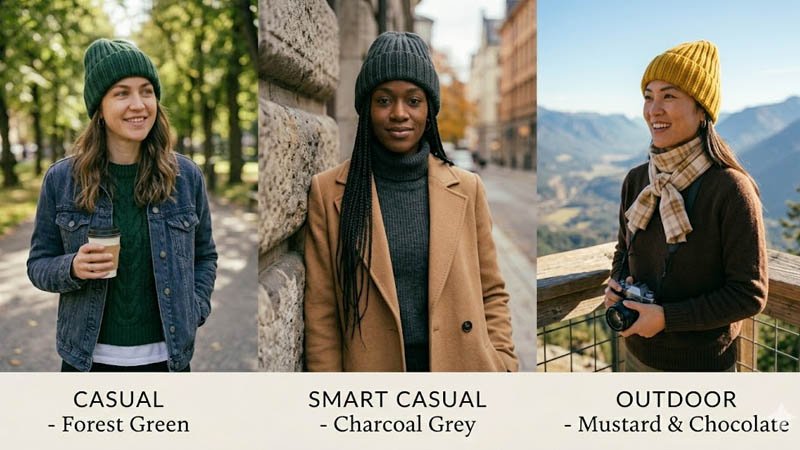
The best hat color also depends on where you plan to wear it. A shade that works for a weekend streetwear look may not feel right for a smart-casual event or a polished outdoor campaign.
Best Hat Colors for Everyday Casual Wear
For daily outfits, the most practical colors are usually the most versatile ones.
Safe and stylish choices include:
- black
- navy
- olive
- beige
- washed gray
- cream
- burgundy
These shades are easy to pair with denim, hoodies, jackets, T-shirts, and casual footwear. If you want one hat that works with most of your wardrobe, black, navy, or olive is often the best place to start.
Best Hat Colors for Smart-Casual or More Polished Looks
If you want a hat to feel more refined, darker and more understated colors tend to work best.
Strong choices include:
- black
- charcoal
- navy
- camel
- deep brown
- dark olive
- burgundy
These shades pair more naturally with tailored coats, knitwear, boots, and structured pieces. They also tend to look more mature and intentional than overly bright colors.
Best Hat Colors for Outdoor Activities
Outdoor hats need to work visually and practically. In warm weather, lighter colors can feel more seasonally appropriate and often reflect sunlight better.
Good outdoor choices include:
- white
- khaki
- sand
- beige
- light gray
- soft olive
For more rugged or utility-driven looks, deeper practical shades such as navy, olive, and charcoal can also work well, especially because they hide dust and wear more easily.
Step 5: Think About the Season
Season has a surprisingly strong effect on how natural a hat color feels.
Best Hat Colors for Spring and Summer
In warmer months, lighter and fresher colors usually feel more appropriate. These shades create an airy, relaxed look and tend to photograph well in natural light.
Good spring and summer hat colors include:
- white
- cream
- beige
- sand
- sky blue
- light gray
- soft olive
- pastel tones
A beige or cream cap is especially useful in spring and summer because it feels fresh without being too bright.
Best Hat Colors for Fall and Winter
During cooler months, richer and deeper shades usually feel more grounded and seasonally consistent.
Good fall and winter hat colors include:
- burgundy
- forest green
- mustard
- chocolate brown
- charcoal
- navy
- dark olive
- black
These tones work well with heavier fabrics such as wool, fleece, denim, and thicker outerwear.
The Safest Hat Colors If You Are Unsure
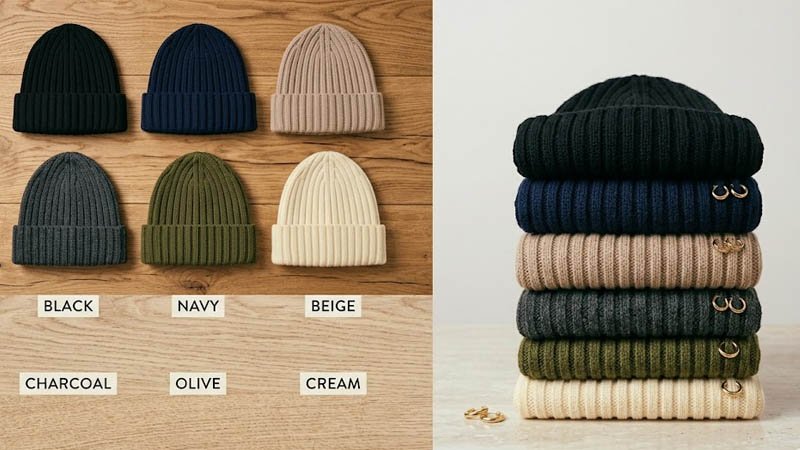
If you are buying your first hat or want a color that works with almost everything, start with the most versatile options.
The safest hat colors are:
- black
- navy
- beige
- charcoal gray
- olive green
- cream
These shades are reliable because they work across seasons, match a wide range of outfits, and suit many different personal styles. They may not always be the boldest choice, but they are usually the most useful.
When Bold Hat Colors Work Best
Bold hat colors can look fantastic when styled with intention. Bright tones are especially effective when you want the hat to become the focal point of the outfit.
Good situations for bolder hat colors include:
- music festivals
- travel outfits
- streetwear looks
- sports-inspired styling
- fashion-forward casual wear
Examples of bolder choices include:
- bright red
- cobalt blue
- mustard yellow
- orange
- emerald green
The key is balance. If your hat is vivid, the rest of the outfit should usually be simpler. A bright red cap with a white T-shirt and classic denim feels confident. A bright red cap with several competing statement pieces often feels too busy.
Choosing Hat Colors for Branding and Custom Orders
If a hat is being designed for a brand, team, event, or promotional campaign, color choice is about more than personal style. It also affects logo visibility, perceived quality, and how widely the hat will appeal to the target audience.
In custom production, neutral shades such as black, navy, beige, charcoal, and olive are often the safest choices because they are versatile, commercially proven, and easier to pair with embroidery or printed branding. High-contrast combinations also tend to perform best for logo clarity. As a professional OEM/ODM manufacturer, GUANGZHOU EASTLUCKY Hat & Garment Co., Ltd. understands that the right hat color is not only a fashion decision, but also an important factor in sampling, branding presentation, and the overall success of a finished product across different markets.
Common Mistakes to Avoid
Even a good outfit can be weakened by the wrong hat color. Here are some common mistakes people make.
Choosing a Color Only Because It Is Trendy
A color may look great in photos or on social media, but that does not mean it will suit your skin tone, wardrobe, or daily use.
Ignoring Your Face and Complexion
Because a hat sits so close to the face, it can either brighten your features or make them look dull. This is why flattering always matters more than trend.
Buying a Color That Matches Only One Outfit
Unless the hat is for a very specific event or look, choose a color that works with at least several pieces already in your wardrobe.
Going Too Bold Without Balance
Bright hats are effective when the rest of the outfit supports them. If everything is competing for attention, the result can feel messy rather than stylish.
Forgetting Practical Use
Light colors may feel fresh, but they can show dirt more easily. Very dark colors may feel polished, but they can absorb more heat in direct sun. Style and function should work together.
Final Thoughts
The best hat color is not the same for everyone. It depends on your skin tone, natural coloring, wardrobe, occasion, and personal style. Still, the process becomes much easier when you break it down step by step.
Start with what flatters your face. Then think about what fits your clothing, the season, and the setting where you plan to wear it. If you want the safest all-around options, choose black, navy, beige, gray, or olive. If you want more personality, move toward burgundy, mustard, forest green, or other richer shades that still feel wearable.
A great hat color does more than complete an outfit. It helps define it. When the shade feels right on you and works naturally with the rest of your style, the whole look becomes more confident, balanced, and memorable.
FAQs
What is the most versatile hat color?
Black, navy, beige, and charcoal gray are usually the most versatile hat colors because they work with many outfits and across different seasons.
What hat color goes with everything?
Neutral shades such as black, beige, cream, gray, and navy are the easiest to style with a wide range of casual and smart-casual outfits.
Which hat color is most flattering?
The most flattering hat color depends on your skin tone and natural coloring. Warm undertones often suit earthy colors, while cool undertones tend to look better in jewel tones, navy, and cool grays.
Is black the best hat color?
Black is one of the safest and most versatile choices, especially for everyday wear, but it is not automatically the best for everyone. Some people look softer and more balanced in navy, beige, or olive.
Are light or dark hats better?
Light hats are often better for spring, summer, and outdoor wear, while dark hats usually feel more polished and are easier to style in fall and winter.
How to Store Trucker Hats Without Fading, Dust, or Deformation
Trucker hats are a practical and stylish choice for everyday wear, brand promotions, team apparel, and retail collections. Their structured front panels, breathable mesh backs, and curved brims give them a distinctive look, but these same features also make proper storage especially important.
When trucker hats are stored carelessly, they can quickly lose their shape, collect dust, fade under sunlight, or develop odor and moisture damage. The good news is that a few simple storage habits can help keep them clean, structured, and ready to wear for much longer.
In this guide, we will explain how to store trucker hats properly, how to protect them from fading, dust, and deformation, and how to keep them in better condition over time.
Why Proper Storage Matters for Trucker Hats
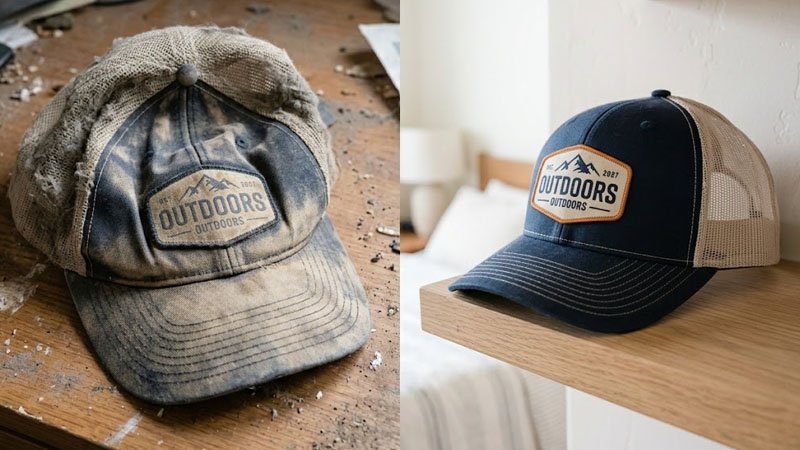
Trucker hats are different from soft, unstructured caps. Most styles are made with a structured front crown, mesh back panels, and an adjustable closure. Because of this construction, improper storage can affect both their appearance and their fit.
Common storage problems include:
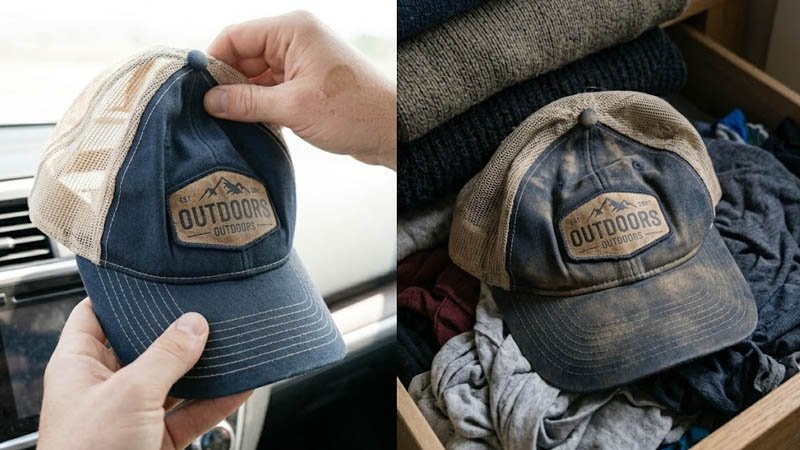
- Crushed or creased front panels
- Dust buildup on the mesh and brim
- Color fading from direct sunlight
- Moisture-related odor or mildew
- Misshapen crowns caused by pressure or stacking
A trucker hat may still look usable after poor storage, but over time the damage becomes more noticeable. Proper storage helps preserve the shape, color, comfort, and overall presentation of the hat.
How to Keep Trucker Hats From Losing Their Shape
Shape retention is one of the most important parts of trucker hat care. A well-structured crown looks better, fits better, and gives the hat a cleaner overall appearance.
Use Soft Fillers Inside the Crown
A simple way to help a trucker hat keep its form is to place a soft filler inside the crown. Tissue paper, a clean cloth, or a small towel can provide light internal support.
This is especially helpful for structured trucker hats with reinforced or foam front panels. The filler helps prevent dents and creases while the hat is in storage.
Make sure not to overfill the crown. Too much pressure from inside can also distort the shape.
Store Hats Upright or Individually
Whenever possible, store trucker hats upright on a shelf, in separate compartments, or in individual storage boxes. This reduces pressure on the crown and helps the front panel stay smooth and structured.
If you own multiple hats, keeping them separated is better than compressing them together in a drawer or storage bin.
Avoid Heavy Stacking
Heavy stacking is one of the easiest ways to deform a trucker hat. Placing boxes, clothes, or other hats on top of the crown can flatten the structure and leave permanent marks.
For short-term storage, light stacking may be manageable if done carefully. For long-term storage, it is much better to keep each hat properly supported.
How to Protect Trucker Hats From Dust
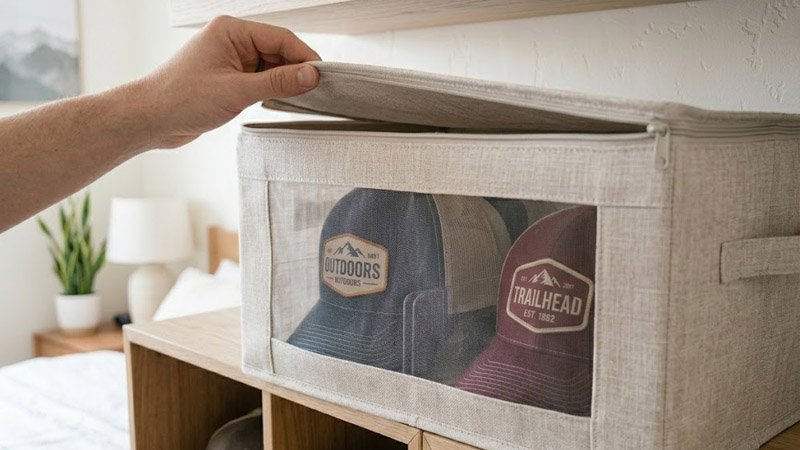
Dust is often overlooked, especially when hats are stored in open areas for convenience. Over time, dust can settle into the mesh, brim stitching, and sweatband area, making hats look dull and less fresh.
Use Covered or Breathable Storage
A closed cabinet, storage box, or breathable fabric bag works well for reducing dust exposure. These options keep the hat cleaner while still allowing airflow.
Avoid sealed plastic bags for long-term storage. While they may block dust, they can also trap moisture, which may lead to odor or mildew.
Clean the Storage Area Regularly
Even a good storage setup will not help much if the surrounding area is dusty. Shelves, closets, and display areas should be cleaned regularly so dust does not collect on the hats over time.
If you store hats in open display areas, occasional light dusting will help maintain their appearance.
How to Prevent Fading During Storage
Sunlight is one of the biggest causes of visible aging in hats. Dark colors, printed surfaces, and decorative details are especially vulnerable to fading when exposed to strong direct light for long periods.
Keep Hats Away From Direct Sunlight
Store trucker hats away from sunny windows, cars, balconies, or display areas with harsh UV exposure. Direct sunlight can gradually reduce color vibrancy and make the material look older or uneven.
Better storage choices include:
- Wardrobes
- Closed cabinets
- Opaque storage bins
- Shelves away from windows
- Covered display cases
Choose Stable Indoor Conditions
Heat can also contribute to material stress over time. A cool, dry indoor environment is usually the safest option for preserving both color and shape.
Avoid storing trucker hats in places such as:
- Hot cars
- Damp basements
- Humid laundry rooms
- Attics with fluctuating temperatures
- Areas close to heaters or vents
Stable storage conditions are much better for long-term hat care.
Best Storage Options for Trucker Hats
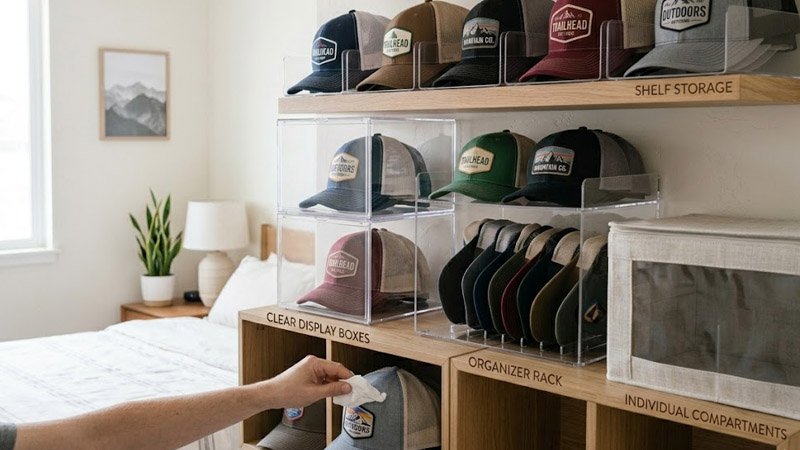
The best storage method depends on how many hats you own and how often you use them.
For Daily Use
If you wear your trucker hats often, easy-access storage is usually best. A clean shelf, hat rack, or open organizer can work well as long as the hats are not crowded and are kept away from sunlight and dust-heavy areas.
For Collections
If you have a growing hat collection, individual compartments, clear display boxes, or well-spaced shelving are better choices. These storage methods help protect each hat while keeping the collection organized and presentable.
For Long-Term Storage
For long-term storage, use light crown support, breathable protection, and a dry, shaded location. This is the best way to reduce the risk of fading, dust buildup, and deformation.
Common Mistakes to Avoid When Storing Trucker Hats
Even good-quality hats can lose their appearance if they are stored the wrong way. Some of the most common mistakes include:
- Stacking heavy items on top of hats
- Leaving hats in direct sunlight
- Storing hats in sealed plastic bags
- Putting hats away before they are fully dry
- Throwing hats into drawers without support
- Hanging hats in a way that strains the closure or crown
Avoiding these mistakes can make a noticeable difference in how long your hats stay clean and structured.
Before storing a trucker hat for an extended period, it is a good idea to clean it lightly and make sure it is fully dry.
Spot Clean Gently
For most trucker hats, spot cleaning is the safest method. Use mild soap, lukewarm water, and a soft cloth or sponge. Gently clean the dirty area without soaking the entire hat.
Avoid harsh detergents or aggressive scrubbing, especially on printed, dyed, or embroidered details.
Air Dry Only
After cleaning, let the hat air dry naturally in a well-ventilated place. Do not use a dryer, and avoid strong direct sunlight during drying.
You can place tissue paper or a soft towel inside the crown while it dries to help maintain the shape.
If you own several trucker hats, organization becomes just as important as storage.
A practical way to organize them is by:
- Daily wear
- Brand or logo
- Color
- Season
- Event use
- Collection value
Labeling storage boxes can also make it easier to find the right hat without disturbing the rest of the collection.
With 15 years of experience in custom hat development, OEM/ODM production, and supply for global clients, GUANGZHOU EASTLUCKY Hat & Garment Co., Ltd. understands that a trucker hat’s appearance depends not only on how it is made, but also on how it is stored, packed, and handled after production. Good storage habits are one of the simplest ways to protect hat quality and extend product life.
Conclusion
Proper storage plays a major role in keeping trucker hats looking their best. By protecting them from direct sunlight, dust, moisture, and unnecessary pressure, you can help prevent fading, dust buildup, and deformation.
Whether you own a single favorite hat or a full collection, storing trucker hats correctly helps preserve their shape, color, and overall appearance. A small amount of care during storage can make a big difference in how long your hats stay clean, fresh, and ready to wear.
Women’s Hat Types: How to Choose the Best Style for Every Occasion
Hats are more than just finishing touches. The right hat can shape your overall look, add personality, and serve a real purpose at the same time. It can protect you from the sun, keep you warm in colder weather, and make even a simple outfit feel more polished and intentional.
For many women, the challenge is not whether to wear a hat, but which style to choose. Some hats work best for casual everyday outfits, while others are better for elegant events, summer holidays, outdoor activities, or winter layering. Face shape, season, material, and occasion all play a role.
In this guide, we’ll break down the most popular women’s hat types, explain what each style is best for, and help you choose the right hat for every occasion.
Why Hats Still Matter in Women’s Fashion
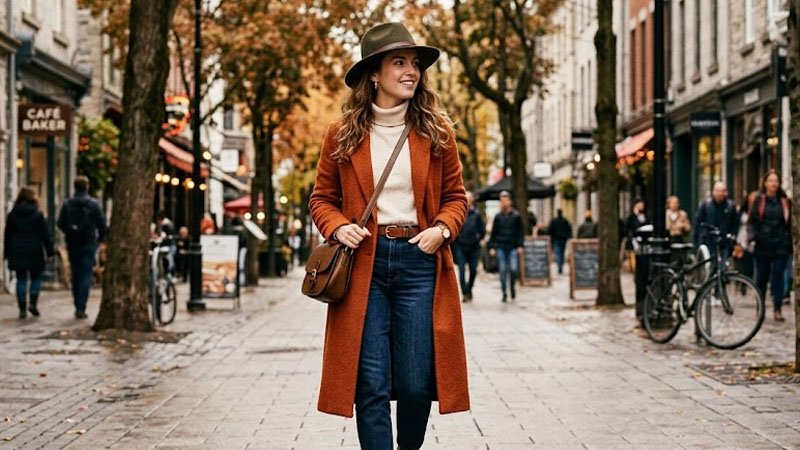
A good hat does more than complete an outfit. It adds structure, balance, and character. It can soften a look, sharpen it, or make it feel more relaxed. That is why hats remain such an important accessory in women’s fashion.
They are also practical. A wide-brim sun hat can help protect your face and neck from harsh sunlight. A knit beanie can keep you warm while still looking stylish. A baseball cap can make a casual outfit feel effortless while offering comfort for daily wear.
The best hats combine both beauty and function. They should look good, feel comfortable, and fit naturally into your wardrobe and lifestyle.
How to Choose the Right Hat
Before looking at individual hat styles, it helps to know what actually makes a hat the right choice. In most cases, the best hat depends on five things:
1. Occasion
Think about where you plan to wear it. A baseball cap may be perfect for daily errands, but not for a wedding or garden party. A boater hat may look elegant for a summer event, but too formal for casual sportswear.
2. Season
Lightweight materials like straw, cotton, and linen are better for warm weather. Wool, felt, and knit fabrics are more suitable for fall and winter.
3. Face Shape
Certain hat shapes are more flattering on certain faces. Structured hats often suit round faces, while softer silhouettes can work beautifully on square faces.
4. Style Preference
Some women prefer sporty and simple looks. Others prefer feminine, vintage, classic, or fashion-forward styles. A hat should feel like a natural extension of your personal style.
5. Comfort and Fit
No matter how beautiful a hat is, it will not work if it feels too tight, too loose, too heavy, or awkward to wear for long periods.
Quick Comparison of Popular Women’s Hat Types
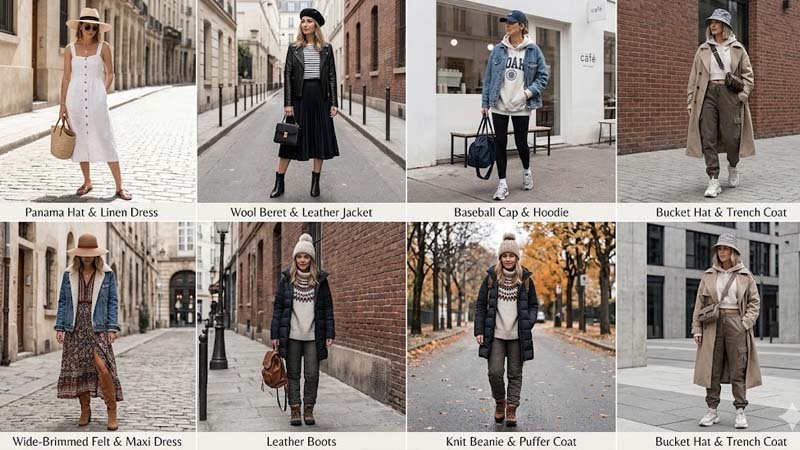
Before we look at each style in detail, here is a quick overview:
| Hat Type |
Best For |
Best Season |
Style Mood |
| Baseball Cap |
Everyday casual wear |
Spring / Summer |
Sporty, relaxed |
| Bucket Hat |
Travel, streetwear, holidays |
Spring / Summer |
Trendy, youthful |
| Trucker Hat |
Outdoor casual looks |
Spring / Summer |
Retro, sporty |
| Fedora |
Smart casual and polished outfits |
Fall / Winter |
Structured, stylish |
| Boater Hat |
Garden parties, summer events |
Spring / Summer |
Elegant, vintage |
| Beret |
Chic city dressing |
Fall / Winter |
Feminine, artistic |
| Sun Hat |
Beach and sun protection |
Summer |
Graceful, practical |
| Visor |
Sports and hot weather |
Summer |
Functional, active |
| Beanie |
Cold-weather casual looks |
Fall / Winter |
Cozy, easygoing |
| Newsboy Cap |
Autumn outfits and retro styling |
Fall / Winter |
Vintage, polished |
| Cowboy Hat |
Statement looks and themed events |
All seasons |
Bold, confident |
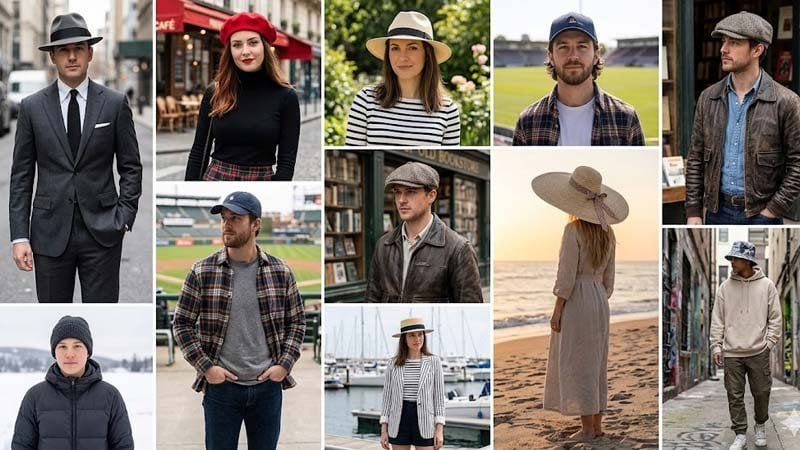
The baseball cap is one of the easiest hats to wear. It is simple, casual, and highly practical. For women who want comfort, convenience, and a sporty look, this is often the first choice.
A baseball cap usually has a curved brim and a fitted or adjustable back. It works well with jeans, leggings, sneakers, oversized shirts, and athleisure outfits.
Best for:
-
daily errands
-
travel
-
casual walks
-
sporty outfits
-
sunny days
Why it works:
It is comfortable, easy to match, and useful for everyday life. It is also one of the best options for women who want a hat that feels natural rather than styled too heavily.
The bucket hat has become one of the most popular casual hat styles in recent years. With its soft crown and downward-sloping brim, it offers a relaxed look while giving more shade than a baseball cap.
Bucket hats are especially popular for vacations, streetwear, music festivals, and laid-back spring or summer outfits.
Best for:
Why it works:
It feels youthful, modern, and easy to wear. It is also packable, which makes it useful for holidays and day trips.
Style note:
If your main goal is strong sun protection, a wider sun hat will usually offer better coverage than a bucket hat.
The trucker hat is similar to a baseball cap but usually includes a structured front and mesh back panels. This makes it more breathable and gives it a slightly retro, sporty appearance.
It is a good option for women who like casual outdoor styling with a bit more personality.
Best for:
-
casual streetwear
-
outdoor activities
-
summer outings
-
retro-inspired outfits
Why it works:
It is lightweight, breathable, and visually a little bolder than a basic cap.
Fedora
The fedora is one of the most timeless women’s hat styles. It usually features a structured crown and a medium or wide brim, giving it a refined and confident appearance.
Compared with softer hats, a fedora adds more definition to the face and often works especially well in polished, smart casual outfits.
Best for:
-
brunch dates
-
city dressing
-
smart casual outfits
-
travel looks
-
autumn styling
Why it works:
It can instantly make an outfit look more put-together. A fedora pairs well with trench coats, knit dresses, ankle boots, tailored trousers, and minimalist outerwear.
Style note:
For everyday wear, choose neutral shades such as black, camel, taupe, grey, or cream for easier matching.
The boater hat is known for its flat top and flat brim. It carries a refined, vintage-inspired charm and works especially well for spring and summer occasions.
This is a strong choice for women who want something elegant but still fresh and wearable.
Best for:
Why it works:
A boater hat feels graceful, neat, and feminine. It pairs beautifully with dresses, blouses, linen sets, and structured summer outfits.
Beret
The beret is a classic hat associated with French-inspired style. It is soft, elegant, and expressive without being overly dramatic.
Berets work well with coats, knitwear, tailored blazers, and understated outfits that need a touch of personality.
Best for:
Why it works:
It is simple but distinctive. A beret adds character and style without overwhelming the rest of the outfit.
Style note:
Wearing a beret slightly off-center often creates a more natural and flattering look than placing it flat on top of the head.
A sun hat is one of the most practical choices for warm weather. Usually designed with a wide brim, it offers better shade for the face and neck than most everyday fashion hats.
This makes it ideal for women who want both elegance and protection during sunny seasons.
Best for:
-
beach holidays
-
poolside outfits
-
outdoor lunches
-
summer travel
-
garden events
Why it works:
It combines style with genuine function. A good sun hat can improve comfort, reduce glare, and support sun protection while still looking polished.
Visor
The visor is designed for women who want sun protection around the face without full head coverage. Because the top remains open, it can feel cooler and more breathable in very hot weather.
It is especially useful for active women and outdoor sports.
Best for:
-
tennis
-
golf
-
walking
-
beach clubs
-
active summer days
Why it works:
It protects the eyes and upper face while allowing more airflow and preserving hairstyles better than many full hats.
Beanie
The beanie is one of the most essential hats for fall and winter. It is warm, comfortable, and easy to wear with everyday outerwear.
Depending on the knit and fit, a beanie can feel sporty, cozy, minimal, or trendy.
Best for:
Why it works:
It is practical, warm, and easy to integrate into a casual wardrobe. Fine knit beanies create a cleaner look, while chunky knit versions feel more relaxed and cozy.
The newsboy cap adds vintage character and a slightly dressed-up feel compared with a baseball cap. With its fuller crown and softer structure, it works especially well in autumn and winter wardrobes.
Best for:
Why it works:
It offers personality and sophistication while still being wearable in daily life.
The cowboy hat is a bold statement piece. It is not the most universal option for everyday wear, but it can be extremely striking when styled intentionally.
Best for:
-
concerts
-
western-themed events
-
festival outfits
-
fashion-forward styling
-
statement looks
Why it works:
It brings confidence and individuality. Even with a simple outfit, a cowboy hat creates a strong visual impression.
How to Choose the Best Hat for Every Occasion
Knowing the hat styles is useful, but choosing the right one becomes much easier when you think by occasion.
Best Hats for Everyday Casual Wear
For daily outfits, comfort and versatility matter most.
Best options:
-
baseball cap
-
bucket hat
-
beanie
-
trucker hat
These hats are easy to style with jeans, sneakers, T-shirts, leggings, hoodies, and light jackets. They work best when you want an effortless look without feeling overdressed.
Best Hats for Summer Holidays and Beach Days
For warm-weather trips and outdoor sun exposure, breathable materials and better coverage become more important.
Best options:
-
sun hat
-
bucket hat
-
visor
-
straw boater hat
These styles work especially well with swim cover-ups, sundresses, linen sets, sandals, and resortwear.
Best Hats for Elegant Outdoor Events
For weddings, brunches, garden parties, and more refined daytime occasions, structured and feminine hats often work best.
Best options:
-
boater hat
-
elegant wide-brim hat
-
refined fedora
-
decorative sun hat
These hats should complement the outfit rather than overpower it. Clean lines, quality materials, and coordinated color choice matter more in dressier settings.
Best Hats for Fall and Winter Outfits
Cold-weather outfits usually benefit from richer textures and more structured or cozy materials.
Best options:
-
beanie
-
beret
-
fedora
-
newsboy cap
These styles pair well with wool coats, boots, scarves, knitwear, and layered neutral outfits.
Best Hats for Active Outdoor Use
For walking, sports, golf, tennis, and practical sunny-day use, lighter and more secure styles are usually better.
Best options:
-
baseball cap
-
visor
-
trucker hat
-
lightweight bucket hat
In these situations, fit, airflow, and comfort are often more important than making a strong fashion statement.
Choosing a Hat by Face Shape
Face shape does not need to control every style decision, but it can help you find more flattering proportions.
Oval Face
Oval faces are generally the easiest to style because most hat types look balanced.
Best choices:
-
fedora
-
beret
-
boater hat
-
baseball cap
-
beanie
Round Face
Round faces often benefit from hats with more structure or vertical emphasis.
Best choices:
-
fedora
-
wide-brim hat
-
hats with sharper lines
Try to be more selective with very rounded, soft silhouettes if they make the face appear wider.
Square Face
Square faces usually suit hats that soften stronger jawlines.
Best choices:
Heart-Shaped Face
Heart-shaped faces often look good in medium to wide-brim styles that help balance the forehead and chin.
Best choices:
-
boater hat
-
soft fedora
-
beret
-
sun hat
Common Hat Materials and What They’re Best For
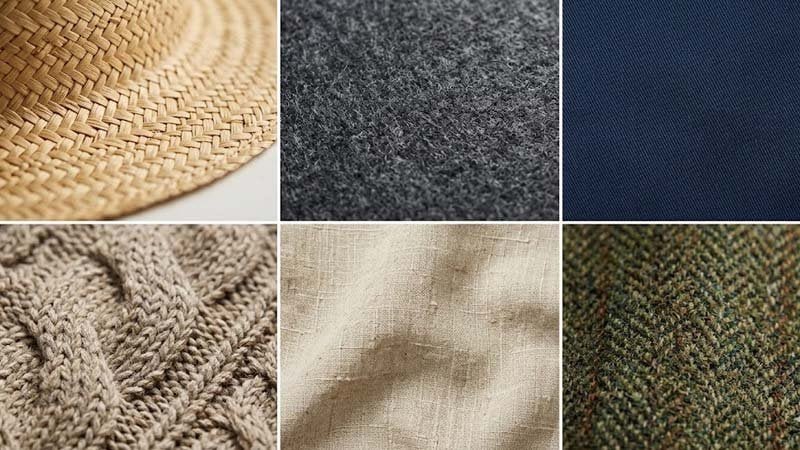
Material affects more than just appearance. It changes breathability, structure, warmth, and how a hat performs in real life.
Straw
Best for spring and summer. Straw hats are breathable, lightweight, and ideal for sun hats, boater hats, and resort styles.
Cotton
Cotton is soft, practical, and easy to wear. It is commonly used in baseball caps and bucket hats for everyday comfort.
Linen
Linen and linen blends are airy and light, making them useful for warm-weather hats with a relaxed but slightly elevated feel.
Wool Felt
Wool felt gives structure and warmth. It is one of the best materials for fedoras and dressier fall or winter hats.
Knit Acrylic or Wool Blends
These materials are common in beanies. They provide warmth and flexibility and are well suited to cold-weather casual wear.
From a product development and manufacturing perspective, details such as fabric choice, structure, finishing, and fit can significantly affect both style and wearability. GUANGZHOU EASTLUCKY Hat & Garment Co., Ltd. brings 15 years of experience in high-end custom hats and OEM/ODM production, supporting brands with one-stop solutions from design sampling to mass production.
A hat looks best when it feels connected to the rest of the outfit.
A few simple rules help:
-
pair casual hats with relaxed clothing
-
pair structured hats with cleaner, more polished silhouettes
-
choose colors that either match or intentionally contrast with your outfit
-
avoid over-accessorizing when the hat is already visually strong
-
pay attention to balance between hat size, hairstyle, and shoulder line
For example, a wide-brim hat paired with a flowing summer dress creates softness and elegance. A fedora with a trench coat creates structure. A baseball cap with activewear keeps the look effortless and practical.
Common Mistakes to Avoid
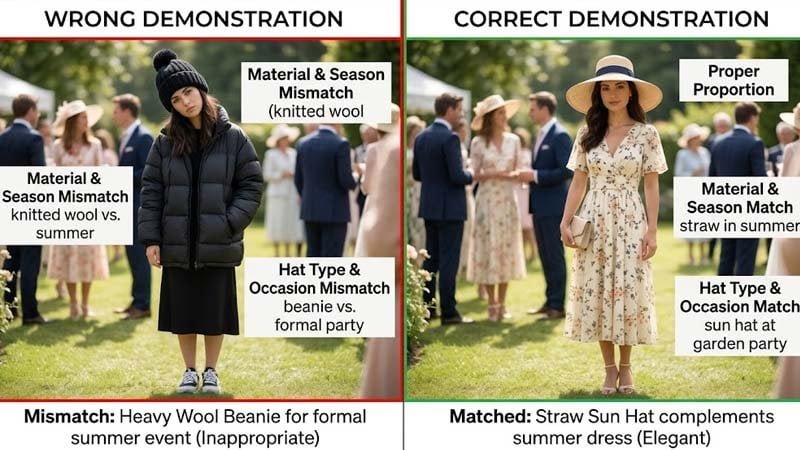
Many women choose hats based only on trend appeal, but that can lead to a hat that looks good online and feels wrong in real life.
Here are a few common mistakes:
-
choosing a hat that does not fit the occasion
-
ignoring face shape and overall proportion
-
selecting the wrong material for the season
-
buying a beautiful hat that is uncomfortable to wear
-
choosing trend over wardrobe compatibility
The best hat is usually not the most dramatic one. It is the one that fits your life, your clothes, and your comfort level.
Conclusion
Women’s hats come in many forms, from sporty baseball caps and relaxed bucket hats to polished fedoras, elegant boater hats, and cozy winter beanies. Each style offers something different, and the right choice depends on where you plan to wear it, how you want it to feel, and what kind of image you want to create.
When choosing the best hat for every occasion, start with function, then think about season, face shape, material, and outfit balance. That approach makes it much easier to find a hat that not only looks beautiful but also feels right.
A good hat should never feel like an afterthought. It should feel like a natural part of your personal style.
FAQs
What is the most versatile women’s hat?
A baseball cap is one of the most versatile casual choices, while a fedora is one of the most versatile polished options.
Which hat is best for summer?
A wide-brim sun hat is usually the best choice for strong sun protection, while bucket hats and visors are also practical for casual summer use.
Are bucket hats still in style?
Yes. Bucket hats remain popular because they are comfortable, youthful, easy to pack, and simple to style.
What hat style is best for formal outdoor events?
Boater hats, elegant wide-brim hats, and refined structured hats are often the best choices for weddings, garden parties, and other outdoor daytime events.
How do I know if a hat fits properly?
A hat should feel secure without creating pressure. It should not slide around too easily, but it should also not leave discomfort or deep marks after short wear.
Structured vs. Unstructured Hats: What’s the Difference and Which One Should You Choose?
When shopping for a baseball cap, you’ve probably come across the terms structured and unstructured hats. But what do they actually mean—and which one is the better choice for your style, comfort, or brand?
Choosing between a structured and unstructured hat can significantly affect how it looks, feels, and complements your overall appearance. The right cap not only improves comfort but can also enhance brand visibility and personal style.
Whether you’re buying a hat for everyday wear, a sports team, or custom merchandise, understanding the difference helps you make a smarter choice.
Table of Contents
-
Definitions & Core Differences
-
Design & Fit
-
Style, Branding & Decoration
-
Comfort, Durability & Packability
-
Structured vs. Unstructured Hats Comparison
-
When to Choose Each Style
-
Conclusion
-
FAQs
Definitions & Core Differences
The main difference between structured and unstructured hats lies in the support of the front crown panels.
Structured hats feature reinforcement inside the front panels—usually made from buckram or foam. This internal support keeps the crown standing upright and helps the hat maintain a crisp, defined shape even when it’s not being worn. Because of this, structured caps often have a more athletic or professional appearance.
Unstructured hats, on the other hand, do not include this stiffening material. Without reinforcement, the crown becomes soft and collapsible. This results in a relaxed fit and the well-known “dad hat” style, which naturally molds to the shape of your head over time.
Between these two styles, you may also find semi-structured hats, which offer a lighter level of support while still maintaining some flexibility.
Quick recap:
-
Structured hats: Firm front panels, maintain shape, sportier appearance
-
Unstructured hats: Soft crown, collapsible structure, casual style
-
Semi-structured hats: Balanced feel with mild shape support
Design & Fit
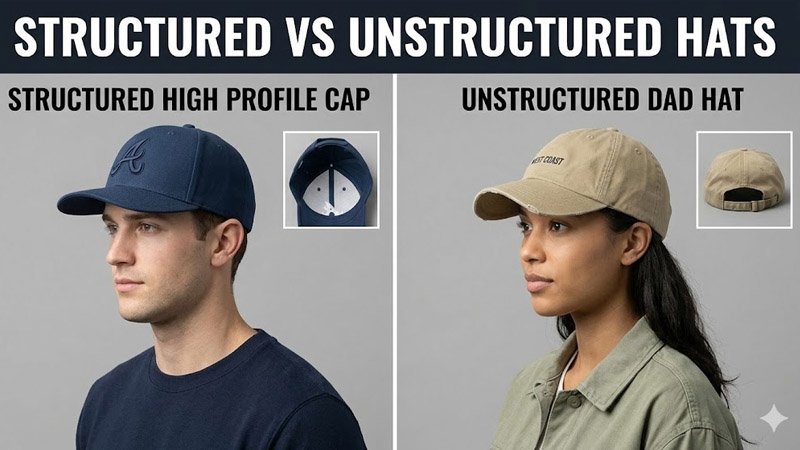
The internal structure of a hat directly affects how it fits and sits on your head.
Structured hats often create a higher profile, meaning the crown sits taller and holds a defined silhouette. This design gives the cap a more prominent look and helps logos remain visible from a distance. Because of this, structured caps are commonly used for sports teams, uniforms, and branded merchandise.
Unstructured hats generally have a lower and softer profile. Without the stiff crown, the hat follows the natural shape of your head, creating a relaxed and comfortable fit.
Typical pairings include:
-
Low-profile unstructured caps: Popular for dad hats and casual lifestyle wear
-
Mid- or high-profile structured caps: Common in sports caps, promotional hats, and uniforms
Style, Branding & Decoration
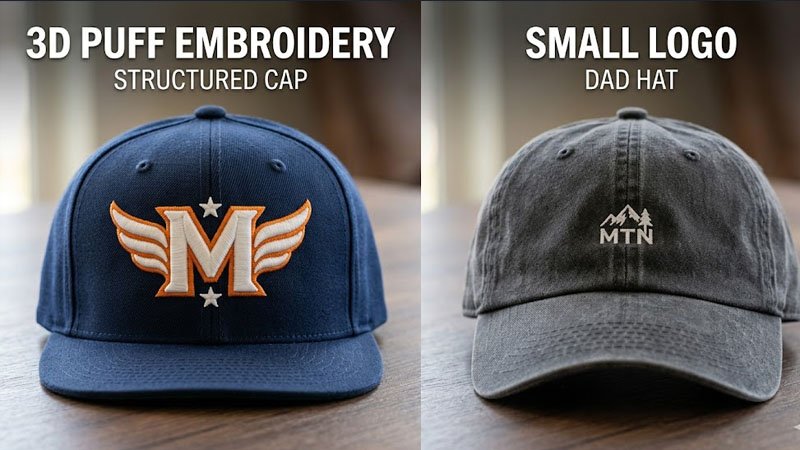
The structure of a hat also influences how well it displays branding and design elements.
Structured hats offer a flat and stable front panel, which makes them ideal for bold embroidery, 3D puff logos, large patches, or detailed branding. Because the crown maintains its shape, logos remain clean, visible, and professional-looking.
Unstructured hats, by contrast, provide a softer surface that works better for subtle or minimalist designs. Smaller logos or simple embroidery tend to complement this style, making it popular among lifestyle brands, outdoor labels, and casual fashion collections.
For businesses planning custom hats with precise logo placement and consistent quality, working with experienced manufacturers is essential. GUANGZHOU EASTLUCKY Hat & Garment Co., Ltd., based in Guangzhou, China, has over 15 years of experience in high-end custom hats and OEM/ODM manufacturing, offering complete solutions from design sampling to mass production for global brands.
Comfort, Durability & Packability
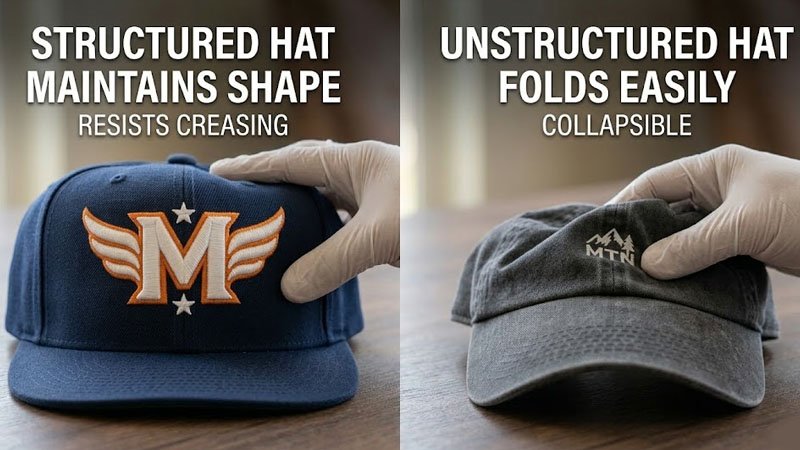
Comfort is another factor that separates structured and unstructured hats.
Unstructured hats are usually soft from the first wear, giving them a broken-in feel right away. Because they lack stiff reinforcement, they can also be folded or packed easily, making them convenient for travel or outdoor activities.
Structured hats are more rigid due to the reinforced crown. While they may feel slightly firm when new, they tend to maintain their shape longer, even after frequent use. This durability helps the hat look newer and more polished over time.
However, structured hats are less flexible when packing and should be stored carefully to preserve their shape.
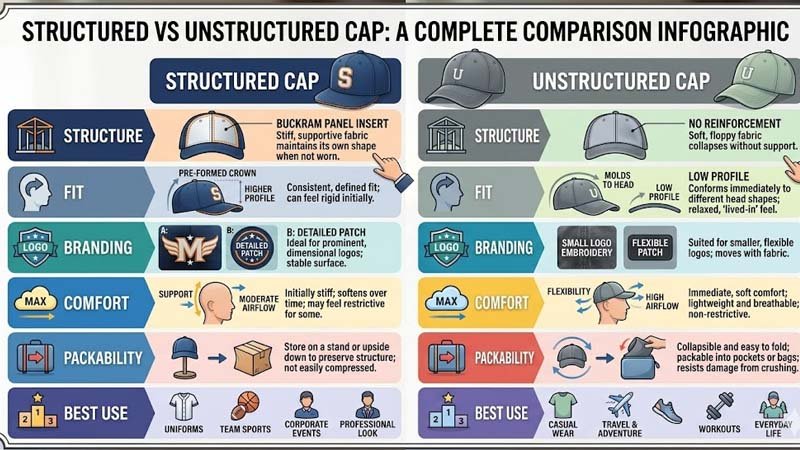
| Feature |
Structured Hats |
Unstructured Hats |
| Crown Support |
Reinforced with buckram or foam |
No stiffener; crown collapses when not worn |
| Appearance |
Crisp, firm, athletic look |
Relaxed, casual “dad hat” style |
| Profile Options |
Often mid or high profile |
Usually low profile |
| Branding Space |
Firm front ideal for bold embroidery or patches |
Softer front better for subtle logos |
| Comfort |
Slightly firm, may require break-in |
Soft and comfortable from day one |
| Shape Durability |
Maintains structure over time |
Adapts to head shape with wear |
| Packability |
Less flexible, needs careful storage |
Easy to fold or pack |
| Best Use |
Sports teams, uniforms, retail branding |
Lifestyle wear, travel, casual fashion |
When to Choose Each Style
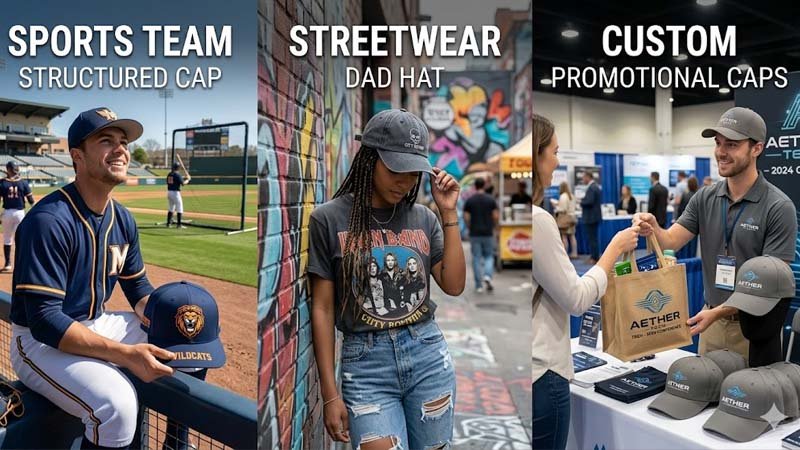
Choosing the right hat depends on your purpose and style preference.
Choose a Structured Hat If You Want:
-
A polished and professional appearance
-
Strong logo visibility for branding
-
Caps for sports teams or staff uniforms
-
Consistent shape for promotional products
Choose an Unstructured Hat If You Prefer:
Both styles have their advantages, so the best option depends on how the hat will be used.
Conclusion
Understanding the difference between structured and unstructured hats helps you choose the right cap for your needs. Structured hats provide a crisp, bold appearance that works well for branding and professional use, while unstructured hats deliver a relaxed, comfortable fit ideal for everyday wear.
Whether you’re selecting hats for personal style, retail merchandise, or corporate branding, choosing the right structure ensures the final product matches your vision.
FAQs
Can structured hats be made from the same materials as unstructured hats?
Yes. Both styles can use fabrics such as cotton twill, polyester, canvas, or blended materials. The difference lies in the internal crown support rather than the fabric itself.
Are unstructured hats better for hot weather?
Not necessarily. Breathability depends more on fabric type and ventilation features like eyelets or mesh panels rather than the hat’s structure.
Do structured hats fit larger than unstructured hats?
The fit usually depends on the hat’s profile and closure system rather than the structure. Adjustable straps, snapbacks, or fitted sizes determine how the hat fits.
Can I wash a structured hat in the washing machine?
Machine washing is generally not recommended, as it can damage the crown structure. Hand washing is usually the safest option.
Are semi-structured hats common in the market?
Yes. Semi-structured hats are widely available and provide a balance between firmness and flexibility.
Don’t Let Your Hat Be Boring: 7 Easy Ways to Shape Your Hat Brim Perfectly
A hat can instantly upgrade your outfit—but only if it looks right.
One of the most important details of any hat is the brim. A flat, stiff brim can sometimes look dull or unfinished, while a well-shaped brim adds personality, style, and character.
Whether you’re wearing a baseball cap, fedora, or straw hat, learning how to shape your hat brim properly allows you to customize your look and make your hat truly yours.
The best part? You don’t need professional equipment. With a few simple tools and techniques, you can reshape your hat at home in just a few minutes.
In this guide, you’ll learn 7 easy ways to bend and shape your hat brim safely and effectively.
Why Shaping Your Hat Brim Matters
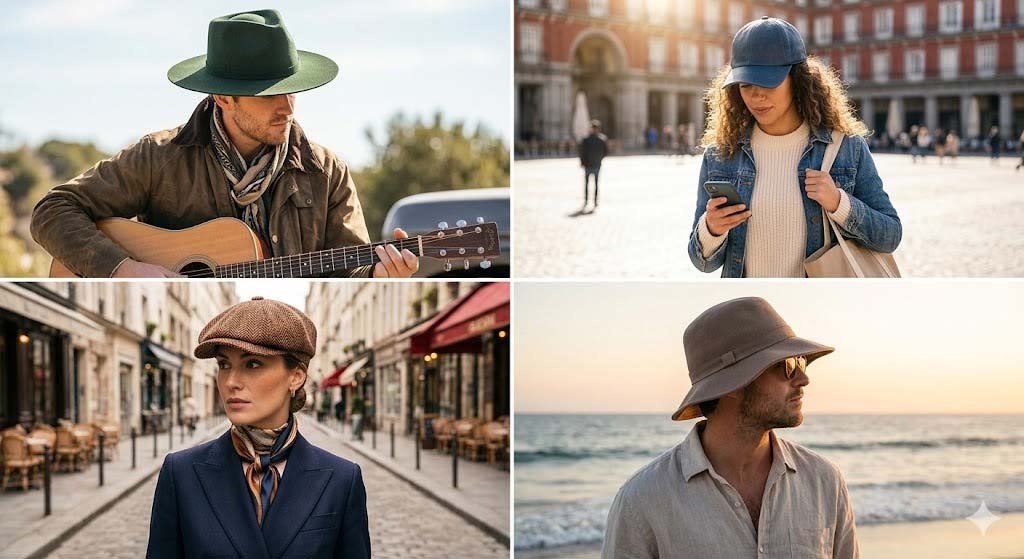
The brim defines the overall appearance of a hat. Small adjustments can dramatically change how the hat looks and feels.
For example:
-
Flat brim – modern streetwear style
-
Slight curved brim – classic baseball cap look
-
Downward curve – elegant fedora appearance
-
Upturned edges – vintage or western style
By shaping the brim, you can match your hat to your face shape, outfit, and personal style.
3 Common Methods to Shape a Hat Brim
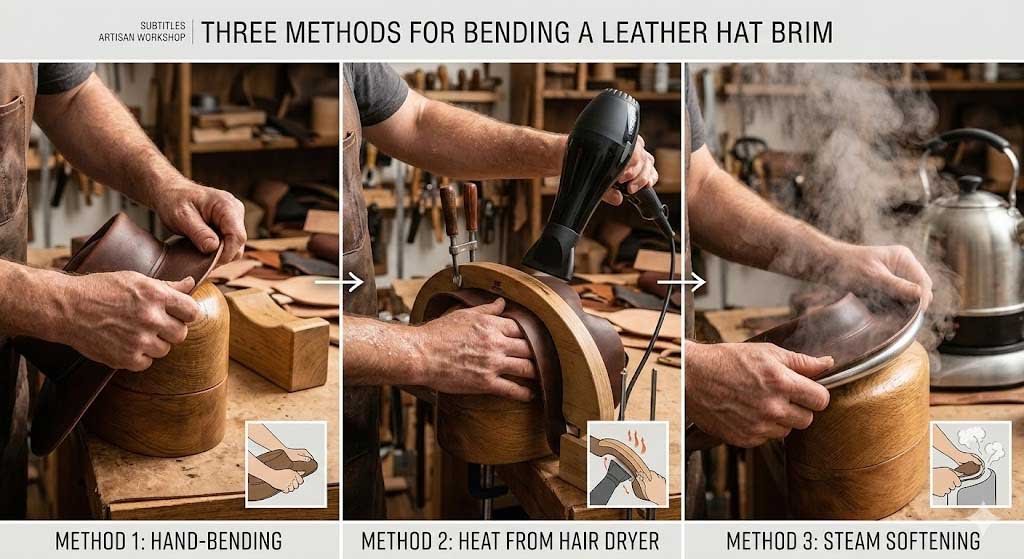
Before jumping into the steps, it’s helpful to understand the three most common techniques used for shaping hat brims.
| Method |
Best For |
Advantages |
Considerations |
| Hand Shaping |
Soft caps and flexible hats |
Quick and simple |
Less precise |
| Heat Method |
Baseball caps and stiff brims |
Fast and effective |
Avoid overheating |
| Steam Method |
Felt and straw hats |
Gentle and professional |
Requires steam source |
Each method works by softening the hat fibers, making them flexible enough to bend without damaging the structure.
7 Easy Ways to Shape Your Hat Brim
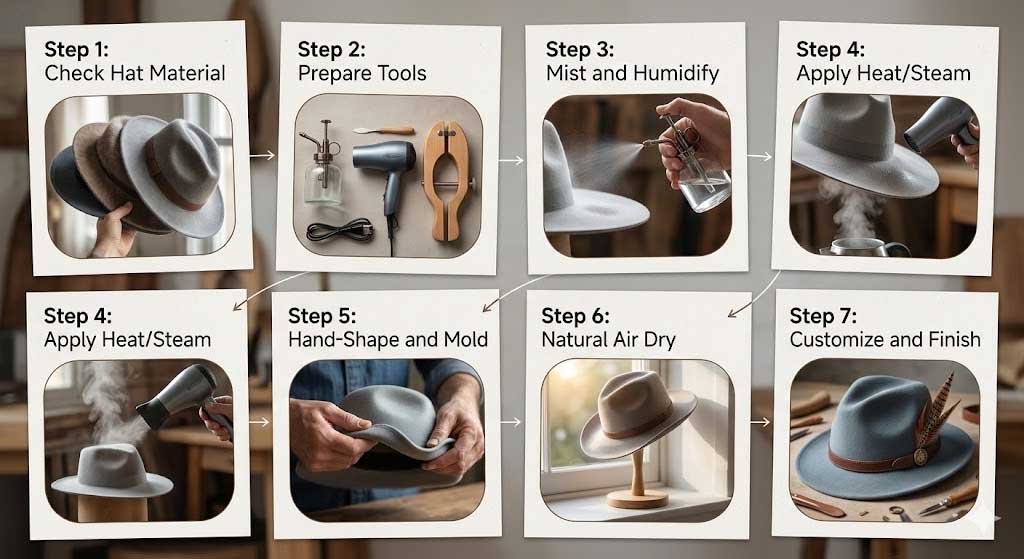
Follow these simple steps to reshape your hat safely and achieve a professional look.
Not every hat is designed to be reshaped.
Materials that work best include:
-
Cotton
-
Polyester blends
-
Wool felt
-
Straw
Very rigid or fragile materials may crack when bent, so always check the flexibility of the brim before starting.
2. Prepare Your Tools
You don’t need complicated tools to reshape a hat brim. Most people already have everything they need at home.
Basic tools include:
-
A spray bottle or bowl of water
-
Hair dryer or garment steamer
-
A towel
-
Optional hat shaper or clips
These tools help soften the brim and hold it in the desired shape.
3. Slightly Moisturize the Brim
Lightly dampen the brim with water.
Moisture helps loosen the fibers and makes the material more flexible, which reduces the risk of cracking.
Important tip:
Only dampen the brim area, not the entire hat.
4. Apply Heat or Steam
Now it’s time to soften the material.
You can choose one of the following options:
Hair Dryer
Blow warm air evenly across the brim while slowly moving the dryer. This prevents overheating one area.
Garment Steamer
Steam gently relaxes the fibers and allows for smoother shaping.
Steam from Boiling Water
Hold the brim above a pot of boiling water and let the steam soften the material.
Always apply heat gradually to avoid damaging the hat.
5. Shape the Brim with Your Hands
Once the brim becomes flexible, start shaping it.
Common styles include:
-
Classic curve: press both sides downward
-
Streetwear curve: deeper curve across the front
-
Western style: slightly raised edges
-
Fedora style: gentle downward curve
Use steady, gentle pressure. Avoid bending too aggressively.
6. Let the Hat Dry Naturally
After shaping the brim, let the hat dry naturally.
Place it in a cool, shaded area and avoid direct sunlight or strong heat sources.
This allows the fibers to set into the new shape.
7. Personalize Your Hat
Once your brim is perfectly shaped, you can add accessories to make your hat even more unique.
Popular options include:
These small details can turn a simple hat into a distinctive fashion statement.
Style Tips: Choose the Right Brim Shape for Your Face
Different brim shapes work better with different face shapes.
Round Face
A slightly deeper curve adds structure and balance.
Oval Face
Most brim shapes work well, including flat and curved styles.
Square Face
Softer curves help balance strong facial features.
Common Hat Brim Problems (And How to Fix Them)
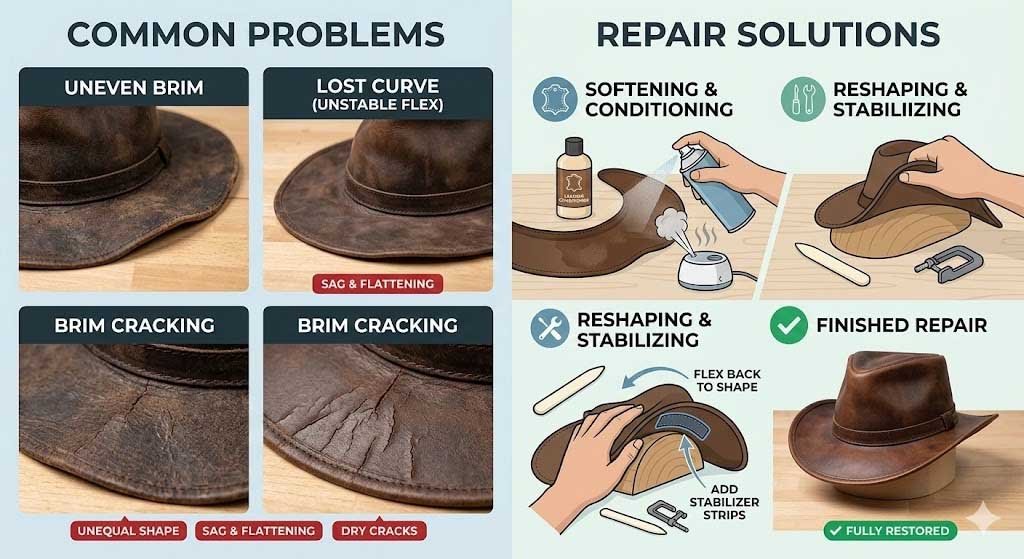
Even simple DIY shaping can sometimes cause small issues.
Uneven Brim
Cause: uneven heat or pressure
Solution: reapply heat and reshape evenly.
Brim Won’t Hold Its Shape
Cause: hat didn’t dry completely
Solution: allow more drying time.
Material Cracks
Cause: bending too forcefully
Solution: soften the brim with more steam before shaping.
About GUANGZHEASTLUCKY Hat & Garment Co., Ltd.
Creating high-quality hats requires both craftsmanship and innovation.
GUANGZHEASTLUCKY Hat & Garment Co., Ltd. is a high-end custom hat and OEM/ODM manufacturer based in Guangzhou, China, with 15 years of experience in professional R&D, production, and global distribution of hats and embroidered accessories.
Guided by the philosophy “Quality as Root, Innovation as Soul,” the company provides global clients with one-stop solutions from design sampling to mass production, helping brands build reliable and efficient supply chains.
From baseball caps to fashion hats and embroidered accessories, GUANGZHEASTLUCKY supports brands worldwide with high-quality customization and scalable manufacturing.
Final Thoughts
Your hat doesn’t have to stay the way it came out of the box.
With just a few simple techniques—moisture, heat, and careful shaping—you can transform an ordinary hat into a personalized fashion piece.
Learning how to shape your hat brim not only improves the look of your hat but also allows you to express your own unique style.
And if you’re looking for professionally crafted custom hats or reliable OEM/ODM manufacturing, partnering with an experienced hat manufacturer ensures quality, durability, and design flexibility.
How to Pair Hats with Glasses Without Looking Overstyled
Hats and glasses are two of the most important accessories in a man’s wardrobe. Worn well, they can elevate your look instantly. Worn poorly, they can make your outfit feel too heavy, mismatched, or overly styled.
The good news? Pairing hats with glasses is not complicated once you understand a few basic principles.
Whether you want to improve your everyday style or build a more polished look for specific occasions, this guide will help you pair hats and glasses in a way that feels balanced, comfortable, and natural—not forced.
In this article, you’ll learn:
-
How hat shapes and glasses shapes work together
-
Which combinations are classic vs. modern
-
How face shape affects your choices
-
How to balance color and proportions
-
Common mistakes to avoid
-
How to prioritize comfort and fit (especially with prescription glasses)
Why Some Hat-and-Glasses Looks Feel “Overstyled”
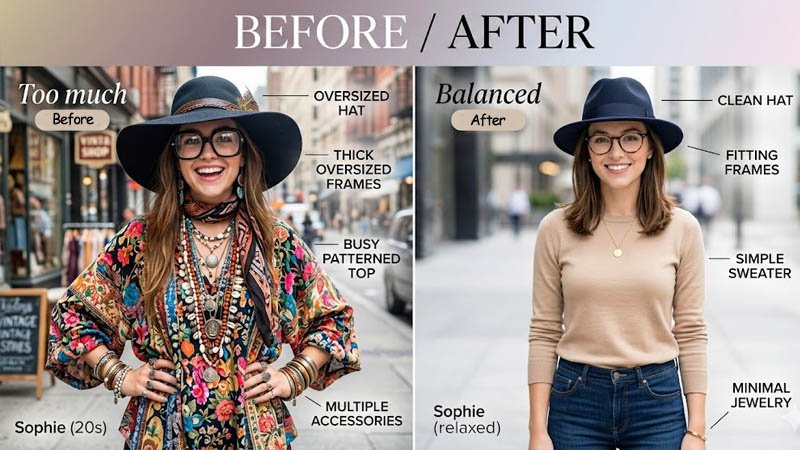
When a hat-and-glasses combination looks “too much,” it usually comes down to one of these issues:
-
Too much visual weight on the top half (bold hat + oversized glasses)
-
Shape conflict (hat lines and frame lines fighting each other)
-
Mismatched formality (dressy hat + sporty glasses in the wrong setting)
-
Poor proportions (small frames with a large-brim hat, or vice versa)
-
Fit problems (hat pressing the frames, awkward positioning)
The goal is not to make your accessories invisible—it’s to make them look intentional and easy.
Hat and Glasses Shapes
Understanding the shapes of hats and glasses is the foundation of pairing them well. Once you know the basic silhouettes, it becomes much easier to build combinations that look balanced.
Hat Styles
Fedoras
Fedoras come in many styles, from narrow-brim to wider-brim designs, and they remain one of the most versatile hat options for men.
When choosing a fedora, consider:
-
Crown height (a taller crown creates more vertical presence)
-
Brim width (wider brims look more refined but also more noticeable)
-
Material (felt for cooler seasons, lighter materials for warmer climates)
Styling note: A fedora already has strong character, so it usually works best with glasses that complement it rather than compete with it.
Beanies
Beanies are casual, comfortable, and ideal for cold weather. They pair well with relaxed, minimalist, and streetwear-inspired outfits.
Choose a beanie that:
-
Fits securely but is not too tight
-
Sits comfortably with your glasses
-
Matches the visual weight of your frames
Styling note: Beanies work especially well when the rest of the outfit stays simple.
Baseball Caps
Baseball caps are sporty, casual, and practical. They’re one of the easiest hats to wear with glasses for everyday use.
Pay attention to:
-
Bill shape (curved or flat)
-
Crown fit (too shallow or too tall can affect proportion)
-
Overall fit with your glasses, especially if you wear prescription lenses daily
Styling note: Baseball caps and glasses can look effortless when proportions are balanced and the outfit matches the casual vibe.
Panama Hats
Panama hats are elegant, breathable, and ideal for warm weather. They add sophistication while staying lightweight and wearable.
Look for:
-
A fine weave (for breathability and quality)
-
A brim width that suits your face size
-
A style that matches the occasion (resort, casual-smart, outdoor social events)
Styling note: Panama hats already read as polished, so cleaner frame shapes often work best.
Glasses Shapes
Glasses can define the tone of your look just as much as your hat. Frame shape, thickness, and size all affect whether the combination feels classic, modern, bold, or understated.
Round Glasses
Round glasses are timeless and often give a vintage-inspired feel.
When choosing round glasses, consider:
Aviator Glasses
Aviators create a sleek, masculine look and work especially well in casual, travel, and outdoor settings.
For a more classic look, try aviators with a double bridge.
Wayfarer Glasses
Wayfarers offer a retro vibe and are one of the most versatile styles. They work well in casual and smart-casual outfits.
Pay attention to:
Rectangular Glasses
Rectangular glasses are clean, professional, and polished. They’re a strong option for workwear and everyday styling.
For a softer look, choose rectangular frames with slightly rounded corners.
Face Shape: A Helpful Guide (Not a Strict Rule)
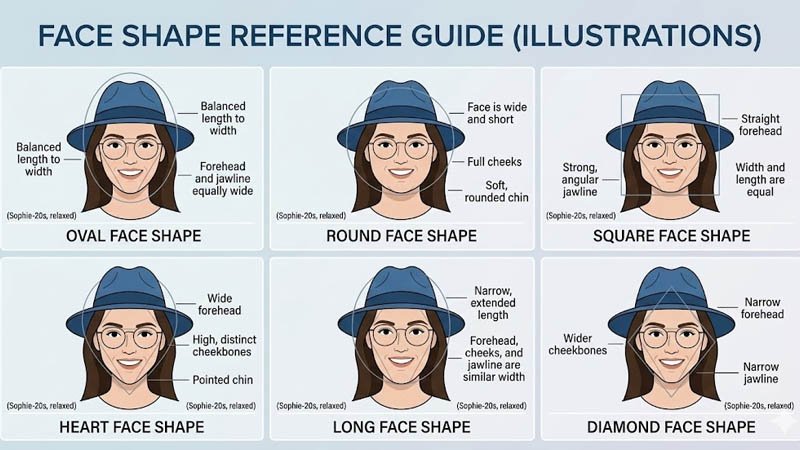
Face shape matters because it affects how hats and glasses balance your features. Use these as guidelines, then adjust based on your personal style and comfort.
Oval Face Shape
Most hat styles and glasses shapes work well with an oval face shape.
Tip: Focus more on style preference, proportions, and occasion than on “rules.”
Round Face Shape
Go for hats with a taller crown and glasses with angular frames to create more definition.
-
Good hat choices: structured caps, fedoras
-
Good frame choices: rectangular, angular wayfarers
Square Face Shape
Soften strong features with rounded hats and glasses with softer lines.
Heart Face Shape
Balance the upper part of the face with hats that have a wider brim, and choose glasses that do not add too much visual weight at the top.
Long Face Shape
Choose hats with a wider brim and glasses with rounded frames to create more horizontal balance.
Classic Hat and Glasses Combinations
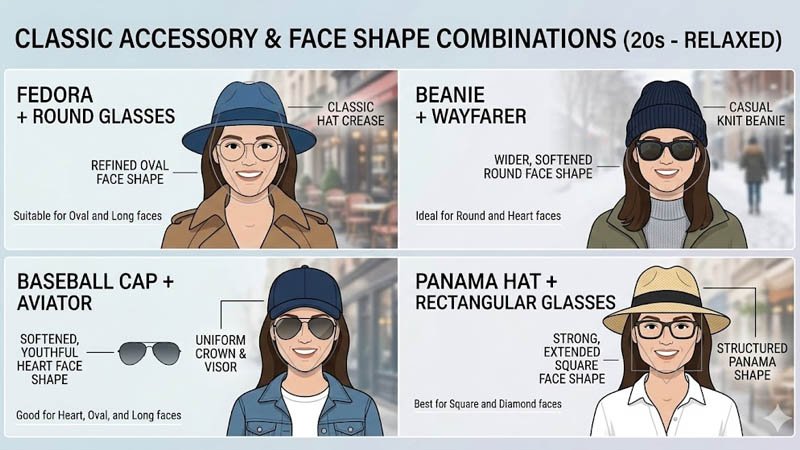
These combinations stay popular because they look balanced and timeless.
Fedora + Round Glasses
A classic combination with a sophisticated, vintage-cool feel.
Best for: smart-casual looks, creative styling, city wear
Avoid overstyling by: keeping the outfit clean and not adding too many statement pieces
Beanie + Wayfarer Glasses
Casual, relaxed, and easy to wear. Great for everyday outfits in colder weather.
Best for: weekends, casual outings, minimalist looks
Avoid overstyling by: choosing neutral colors and simple layers
Baseball Cap + Aviator Glasses
Sporty and modern, this pairing works for many casual occasions.
Best for: travel, driving, errands, outdoor activities
Avoid overstyling by: keeping logos and other accessories minimal
Panama Hat + Rectangular Glasses
Sleek and polished, especially for warm-weather dressing.
Best for: summer getaways, outdoor lunches, resort styling
Avoid overstyling by: using restrained colors and clean silhouettes
Modern Hat and Glasses Combinations
Modern pairings often reflect streetwear, minimalist, and lifestyle trends. The key is to keep the look intentional and balanced.
Snapback Hat + Clubmaster Glasses
A trend-forward combination that feels structured and edgy.
Best for: streetwear-inspired looks
Avoid overstyling by: keeping the rest of the outfit simple and well-fitted
Beanie + Clear Frame Glasses
A clean, low-key modern look that works especially well in neutral color palettes.
Best for: minimalist outfits, everyday urban wear
Avoid overstyling by: sticking to one style direction (minimalist, not mixed with overly formal pieces)
Bucket Hat + Round Sunglasses
Relaxed and bohemian, often associated with beach, travel, and surf-inspired style.
Best for: vacations, festivals, outdoor leisure
Avoid overstyling by: choosing either a patterned hat or statement sunglasses—not both
Fedora + Aviator Sunglasses
A modern twist on a classic look that can feel refined when the proportions are right.
Best for: travel, dressy-casual settings
Avoid overstyling by: choosing a more streamlined aviator if the fedora has a wider brim
Styling Tips to Keep the Look Balanced
1) Match the Style Mood
Your hat and glasses should feel like they belong to the same outfit story.
-
Sporty cap + sporty or casual frames = easy match
-
Dressier hat + polished frames = stronger harmony
-
Formal hat + highly casual glasses = may look mismatched unless styled intentionally
2) Balance Visual Weight
If your hat is bold (wide brim, tall crown, strong texture), consider simpler glasses.
If your glasses are bold (thick frames, oversized shape), consider a cleaner hat.
Rule of thumb: Let one accessory lead, and let the other support it.
3) Coordinate Colors
Color matching doesn’t mean everything has to be the same color. Instead, aim for a coordinated palette.
Examples:
-
Black hat + black or dark tortoise frames
-
Beige/cream Panama + gold-tone or brown frames
-
Neutral beanie + clear or black frames
4) Consider the Occasion
A combination that works for a beach vacation may not work for a business lunch. Always style your hat and glasses based on where you’re going.
5) Pay Attention to Fit and Comfort
Even the best-looking combination fails if it feels uncomfortable.
-
If the hat presses your glasses, the fit is wrong
-
If the brim blocks your vision, adjust the angle or choose a different shape
-
If the glasses sit unevenly under the hat, test another crown depth or hat size
Factors to Consider While Wearing Hats with Glasses
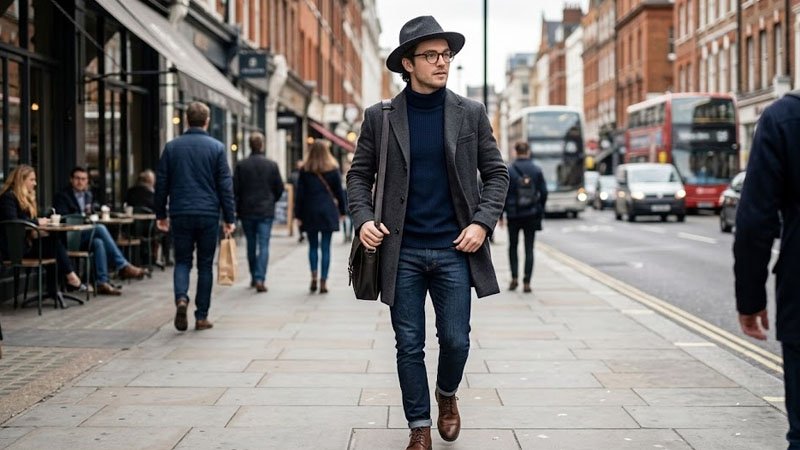
Face Shape
Face shape is still one of the most useful starting points, but it should work together with your hairstyle, outfit, and personal style.
Colors
Matching or coordinating colors creates a more cohesive overall appearance. Think about your hat, glasses, and clothing together—not just the accessories in isolation.
Proportions
Your hat and glasses should not overwhelm your face or look too small against it.
Example: A wide-brim hat paired with very small glasses can make the top half look disconnected.
Occasion
Choose combinations that make sense for the setting. For formal occasions, classic and elegant pairings are usually safer. For casual settings, you have more room to experiment.
Extra Considerations: Comfort and Practical Wear
If You Have a Bigger Head or Face
If you have broader features or a larger head size, avoid hats that are too small or glasses that are too narrow.
Instead, choose:
-
Larger hats with proper crown depth
-
Wider frames that match your face width
-
Balanced proportions that don’t make the accessories look undersized
If You Wear Prescription Glasses
If you wear prescription lenses, comfort becomes even more important.
Choose hats that:
-
Allow enough clearance for your frames
-
Don’t press the temples inward
-
Sit securely without interfering with your vision
Personal Style and Preference
You should always experiment. The best pairing is not just the one that “follows the rules,” but the one that fits your lifestyle and feels comfortable to wear.
Common Mistakes to Avoid When Pairing Hats with Glasses
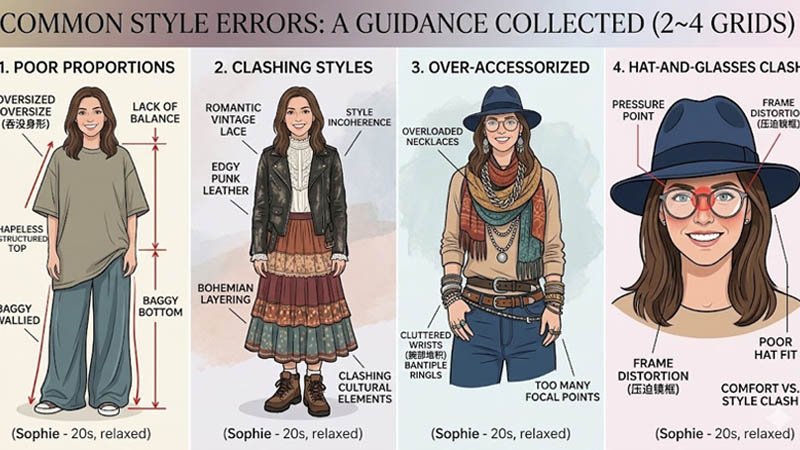
Here are some of the most common reasons a look feels overdone—or just uncomfortable.
1) Wearing a Hat and Glasses That Are Both Too Bold
A wide-brim statement hat and oversized thick frames can compete with each other.
Fix: Let one piece be the focus and keep the other more understated.
2) Ignoring Proportion
Tiny frames with a large hat (or large frames with a very small hat) can look unbalanced.
Fix: Match the scale of your frames to the presence of the hat.
3) Mismatching Formality
A refined Panama hat with very sporty wraparound sunglasses may feel out of place unless the whole outfit supports that contrast.
Fix: Match the formality level of your hat, glasses, and clothing.
4) Choosing Style Over Comfort
If your hat pushes down on your glasses, you’ll keep adjusting it—and the look won’t feel natural.
Fix: Prioritize fit, crown depth, and comfort first.
5) Overloading the Outfit
Hat + glasses + bold chains + patterned shirt + loud outerwear can quickly feel too busy.
Fix: If your hat-and-glasses combo is strong, simplify the rest of the outfit.
A Note on Hat Quality and Fit
No matter how good a combination looks in photos, poor construction or poor fit can ruin both comfort and style—especially when wearing glasses.
At GUANGZHOU EASTLUCKY Hat & Garment Co., Ltd., we understand this from both a design and manufacturing perspective. We are a high-end custom hat and OEM/ODM manufacturer based in Guangzhou, China, with 15 years of expertise in professional R&D, production, and distribution of various hats and embroidered accessories.
Guided by the philosophy “Quality as Root, Innovation as Soul,” we provide global clients with one-stop solutions from design sampling to mass production, helping brands build efficient and high-quality supply chains.
From a real-world wear perspective, details like crown depth, brim structure, material quality, and fit consistency directly affect how comfortably a hat sits with glasses—and how polished the overall look appears.
Conclusion
Pairing hats with glasses can upgrade your style significantly when the combination is balanced, comfortable, and appropriate for the occasion.
The key is to understand shapes, face proportions, color coordination, and visual weight—then keep the overall look simple enough that it feels natural rather than overstyled.
Start with classic combinations, experiment with modern pairings, and make small adjustments based on fit and comfort. With a little practice, you’ll find combinations that suit your face, style, and daily life.
Quick Recap
-
Learn how hat shape and glasses shape work together
-
Use face shape as a guide, not a strict rule
-
Balance visual weight and proportions
-
Coordinate colors and match the occasion
-
Prioritize fit and comfort (especially with prescription glasses)
-
Avoid overloading the outfit with too many statement elements
FAQ: Hats and Glasses Pairing for Men
Can men wear hats with prescription glasses comfortably?
Yes. The key is choosing a hat with the right fit and enough clearance so it doesn’t press your frames or affect your vision.
What hats look best with rectangular glasses?
Many styles work well, including baseball caps, Panama hats, and some fedoras. The best choice depends on your face shape, proportions, and the occasion.
Do hats make glasses feel tighter?
They can—especially if the hat is too tight or has a crown shape that presses your temples. If this happens, try a better-fitting hat or a different hat style.
Are baseball caps and aviator glasses a good combination?
Yes, this is one of the most reliable casual combinations. It usually looks sporty, modern, and easy to wear.
How do I avoid looking overstyled when wearing a hat and glasses?
Focus on balance: avoid making both accessories overly bold, match the style mood of your outfit, and keep the rest of your look simple.
What should I prioritize first: style or comfort?
Start with comfort and fit. Once your hat and glasses sit well together, styling becomes much easier and looks more natural.