How to Style Custom Trucker Hats for Brands and Events
Custom trucker hats are more than casual accessories. For brands, events, sports teams, outdoor campaigns, and promotional programs, they are practical, stylish, and highly visible branding tools.
With a structured front panel, breathable mesh back, and adjustable closure, trucker hats are easy to wear and easy to customize. They work well with casual outfits, uniforms, streetwear, outdoor clothing, and event merchandise. More importantly, the front panel provides a clear space for embroidery, patches, printed logos, or branded artwork.
Whether you are planning a corporate event, launching a retail merchandise collection, preparing a trade show giveaway, or designing custom hats for your team, the right trucker hat style can help your brand look more professional and memorable.
In this guide, we will explain how to style custom trucker hats for brands and events, how to choose the right materials and colors, and what buyers should consider before placing a bulk order.
What Makes Trucker Hats Popular for Brands and Events?
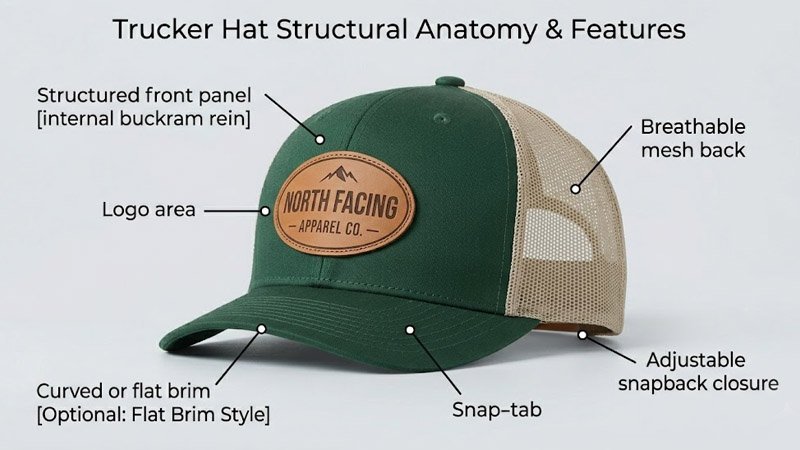
Trucker hats are popular because they combine comfort, visibility, and strong customization potential.
The classic trucker hat usually includes:
- A structured front panel
- A breathable mesh back
- An adjustable snapback closure
- A flat or curved brim
- A large front area for custom branding
For events and brand promotions, this design is very practical. The mesh back keeps the hat breathable, while the front panel gives the logo enough space to stand out.
Compared with many other promotional products, custom trucker hats are also more wearable. People can use them after the event, which means your logo continues to get exposure in daily life.
Before styling a custom trucker hat, it is important to choose the right base design. The material, brim shape, color, and logo method all affect the final look.
1. Choose the Right Front Panel
The front panel is the most important area for branding.
Common front panel options include:
- Foam front panel for a classic vintage trucker look
- Cotton front panel for a soft and natural appearance
- Polyester front panel for durability and stable colors
- Canvas front panel for a heavier outdoor or workwear style
For embroidered logos or patches, a structured front panel is usually recommended because it helps the logo stay clean and visible.
2. Choose the Right Mesh Back
The mesh back is one of the key features of a trucker hat. It provides ventilation and keeps the hat lightweight.
A breathable mesh back is especially suitable for:
- Outdoor events
- Summer campaigns
- Sports teams
- Camping brands
- Fishing brands
- Workwear teams
- Music festivals
- Promotional giveaways
For brand projects, the mesh color can match or contrast with the front panel to create a more customized look.
3. Choose a Flat Brim or Curved Brim
The brim shape affects the overall style of the hat.
A flat brim trucker hat gives a modern, bold, and streetwear-inspired look. It is suitable for fashion brands, youth brands, sports promotions, and retail merchandise.
A curved brim trucker hat gives a more classic, relaxed, and everyday look. It is suitable for corporate events, outdoor brands, team uniforms, and casual promotional use.
For most brand events, curved brim trucker hats are easier to wear for a wide audience. For streetwear or fashion-focused projects, flat brim styles may look more eye-catching.
4. Choose the Right Closure
Most trucker hats use an adjustable snapback closure. This is a practical option for bulk orders because it fits different head sizes.
Other closure options may include:
- Velcro closure
- Metal buckle closure
- Plastic snapback closure
- Elastic fit
For event giveaways and promotional campaigns, snapback closures are usually the most convenient choice.
The logo method is one of the most important decisions when designing custom trucker hats. Different logo techniques create different styles and price levels.
Flat Embroidery
Flat embroidery is clean, professional, and widely used for custom trucker hats. It works well for company logos, event names, simple icons, and short text.
Best for:
- Corporate events
- Trade shows
- Team hats
- Promotional gifts
- Uniform hats
Flat embroidery is a good choice when you want a professional and durable logo effect.
3D Puff Embroidery
3D puff embroidery creates a raised logo effect. It looks bold and premium, especially on structured front panels.
Best for:
- Streetwear brands
- Sports teams
- Fashion merchandise
- Bold letter logos
This method works best for simple logos with thick lines. Very small details may not be suitable for 3D embroidery.
Woven Patch
A woven patch is a good option for detailed logos. It can show small text, fine lines, and more complex artwork better than direct embroidery.
Best for:
- Outdoor brands
- Retail merchandise
- Lifestyle brands
- Detailed logo designs
Woven patches also give the hat a finished, retail-ready appearance.
Leather Patch
Leather patches create a vintage, premium, and outdoor-inspired look. They are often used for workwear, camping, fishing, and lifestyle brands.
Best for:
- Outdoor brands
- Workwear brands
- Premium merchandise
- Minimal logo designs
Brown, black, and tan leather patches are common choices for custom trucker hats.
Heat Transfer Printing
Heat transfer printing is suitable for colorful artwork, gradients, and full-color designs.
Best for:
- Event graphics
- Colorful brand artwork
- Promotional campaigns
- Photo-style designs
For long-term use, buyers should confirm the durability requirements before choosing heat transfer printing.
How to Style Custom Trucker Hats for Different Brand Scenarios
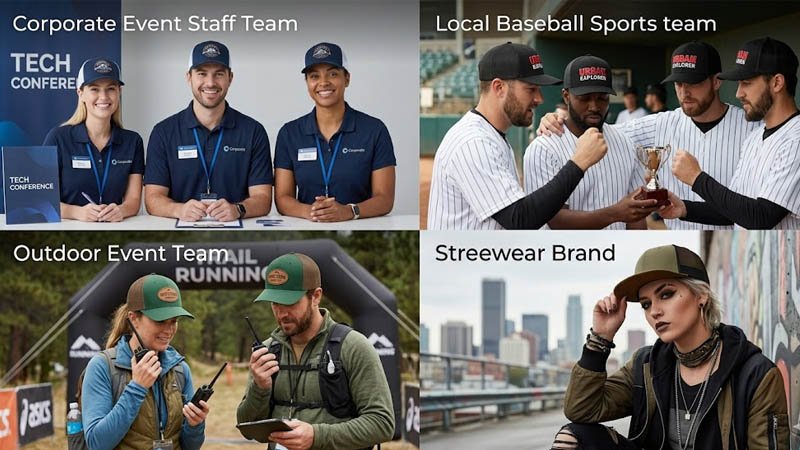
Custom trucker hats can be styled differently depending on your brand identity and event type.
Corporate Events
For corporate events, the style should be clean, simple, and professional.
Recommended design:
- Neutral colors such as black, navy, grey, or white
- Curved brim
- Flat embroidery logo
- Simple front panel design
- Adjustable snapback closure
Recommended outfit match:
- Polo shirts
- Company T-shirts
- Chinos
- Casual jackets
- Staff uniforms
A clean embroidered trucker hat can help event staff look unified while keeping the brand visible.
Trade Shows and Exhibitions
At trade shows, custom trucker hats can work as both staff uniforms and promotional giveaways.
Recommended design:
- High-contrast logo
- Lightweight mesh back
- Comfortable fit
- Clear brand name or slogan
- Simple color combination
Recommended outfit match:
- Branded T-shirts
- Lanyards
- Casual business wear
- Exhibition uniforms
For trade shows, the logo should be easy to read from a distance. Avoid overly complex designs that may lose clarity.
Outdoor Events
For outdoor events, comfort and breathability are very important.
Recommended design:
- Breathable mesh back
- Durable front panel
- Curved brim for sun protection
- Earth-tone or high-visibility colors
- Embroidery or patch logo
Recommended outfit match:
- Outdoor shirts
- Cargo pants
- Shorts
- Sunglasses
- Work jackets
This style is suitable for camping events, fishing competitions, hiking clubs, outdoor brand promotions, and summer festivals.
Sports Teams
For sports teams, trucker hats should feel energetic, comfortable, and easy to wear.
Recommended design:
- Team colors
- Embroidered team logo
- Adjustable closure
- Breathable mesh back
- Curved or flat brim depending on team style
Recommended outfit match:
- Team jerseys
- Sports T-shirts
- Joggers
- Shorts
- Sneakers
For sports teams, bold embroidery and clear color contrast can make the design more recognizable.
Streetwear Brands
For streetwear brands, trucker hats can be bold, creative, and expressive.
Recommended design:
- Flat brim
- 3D puff embroidery
- Woven patch
- Contrast mesh back
- Strong logo placement
Recommended outfit match:
- Oversized T-shirts
- Hoodies
- Denim jackets
- Cargo pants
- Sneakers
Streetwear trucker hats should feel more visual and attitude-driven. A bold front logo or raised embroidery can help create a stronger brand identity.
Music Festivals and Promotional Events
For music festivals, concerts, and promotional campaigns, trucker hats can be fun, colorful, and memorable.
Recommended design:
- Bright colors
- Printed graphics
- Event slogan
- Mesh back for comfort
- Lightweight structure
Recommended outfit match:
- Event T-shirts
- Casual shorts
- Denim
- Sneakers
- Sunglasses
For these events, the design can be more creative, but the logo should still remain clear and readable.
Color plays an important role in both styling and branding. A good color combination can make the hat easier to wear and help the logo stand out.
| Hat Color |
Best For |
Recommended Logo Style |
| Black |
Corporate events, streetwear, daily wear |
White or bright embroidery |
| Navy |
Business casual, team uniforms, events |
White, silver, or light blue embroidery |
| White |
Summer events, clean brand looks |
Dark embroidery or colorful patch |
| Grey |
Minimal branding, everyday use |
Black or navy embroidery |
| Beige / Khaki |
Outdoor brands, camping, travel |
Brown leather patch or dark embroidery |
| Olive Green |
Workwear, outdoor campaigns |
Tan patch or cream embroidery |
| Red / Bright Colors |
Sports teams, festivals, promotions |
High-contrast logo |
| Camo |
Outdoor brands, streetwear |
Leather patch or simple embroidery |
For brand projects, always check logo visibility before bulk production. A low-contrast logo may look stylish on screen but unclear on the final product.
Which Custom Trucker Hat Style Is Right for Your Brand?
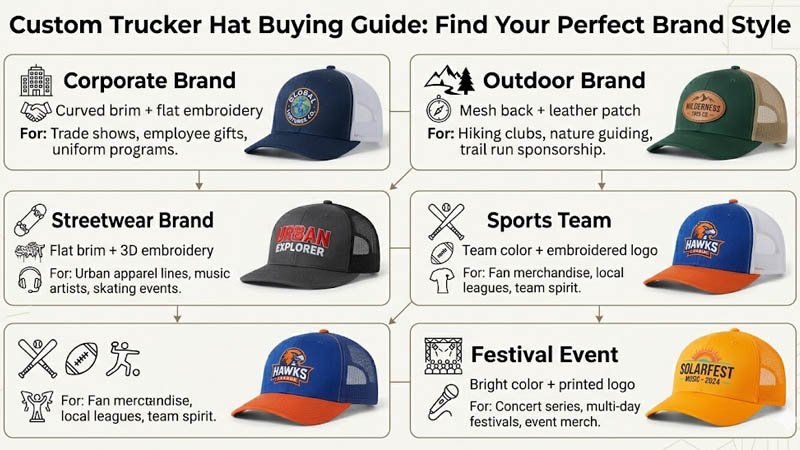
Different brands need different hat styles. The best choice depends on your market, design style, and usage scenario.
| Brand Type |
Recommended Hat Style |
Best Logo Method |
| Corporate Brand |
Curved brim trucker hat |
Flat embroidery |
| Outdoor Brand |
Mesh back trucker hat |
Leather patch or woven patch |
| Streetwear Brand |
Flat brim structured trucker hat |
3D puff embroidery or woven patch |
| Sports Team |
Breathable team trucker hat |
Embroidery or heat transfer |
| Trade Show |
Lightweight promotional trucker hat |
Flat embroidery or printed logo |
| Retail Brand |
Premium cotton trucker hat |
Woven patch or embroidery |
| Workwear Brand |
Canvas or cotton trucker hat |
Leather patch or embroidery |
| Festival Event |
Colorful trucker hat |
Heat transfer print or patch |
This type of planning helps buyers choose a hat that fits both the brand image and the actual usage environment.
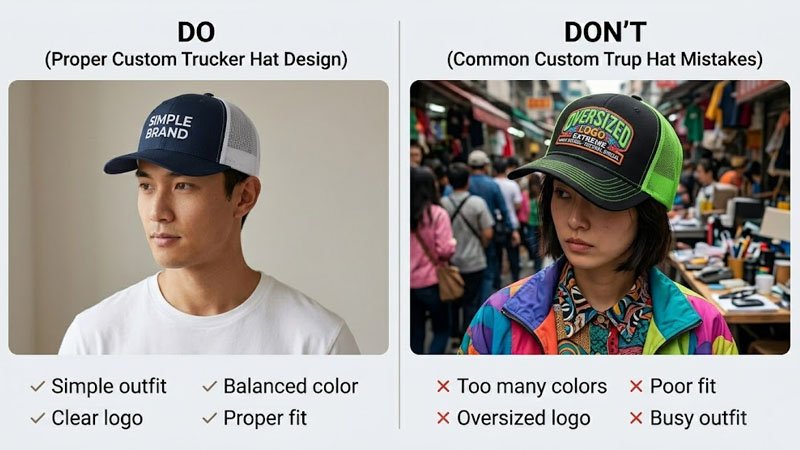
Common Styling Mistakes to Avoid
Even a good trucker hat can look wrong if it is styled poorly. Here are some common mistakes to avoid.
1. Using Too Many Colors
If the hat already has a bright color or bold logo, keep the outfit simple. Too many colors can make the whole look messy.
2. Choosing the Wrong Fit
The hat should sit naturally on the head. It should not be too tight, too loose, too low, or too high.
3. Mixing the Wrong Style
A trucker hat is casual by nature. It works best with casual, sporty, outdoor, streetwear, and relaxed smart casual outfits. It is usually not suitable for formal business suits or very formal occasions.
4. Ignoring Logo Balance
For custom hats, the logo should not be too large or too small. It should fit the front panel naturally and leave enough space around the design.
5. Overloading the Front Panel
Too many words, icons, slogans, and graphics can make the hat look crowded. A clean design is often more professional and easier to remember.
Common Customization Mistakes to Avoid
For bulk buyers, design mistakes can affect the final result and increase production risk.
1. Choosing a Logo That Is Too Detailed
Small text and fine lines may not work well with embroidery. If the logo has many details, a woven patch or printed patch may be a better choice.
2. Ignoring Material Compatibility
Different materials create different logo effects. Foam, cotton, polyester, and canvas panels may all react differently to embroidery, patches, or printing.
3. Not Checking Color Contrast
A logo needs enough contrast against the hat color. Before production, buyers should confirm whether the logo is visible and clear.
4. Skipping Sample Approval
Sampling is important for custom trucker hats. It helps confirm the logo effect, stitching quality, material, color, size, and overall shape before mass production.
5. Choosing Style Only by Price
Low-cost hats may not always deliver the best brand impression. For brand events and retail merchandise, quality, comfort, and logo clarity are very important.
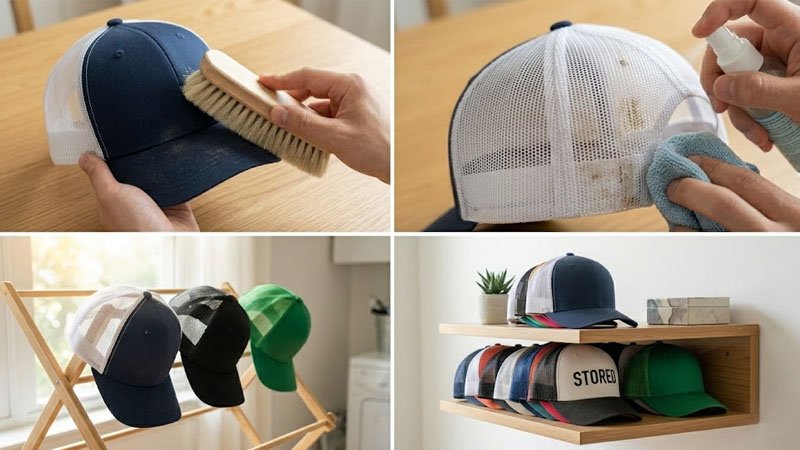
Proper care helps trucker hats keep their shape and appearance for longer.
Cleaning Tips
Spot cleaning is usually the safest method. Use a soft cloth or soft brush with mild detergent to gently clean dirt or stains.
Avoid machine washing if possible, because it may damage the structure, bend the brim, or deform the mesh back.
After cleaning, let the hat air dry naturally. Do not use high heat, as it may affect the material or logo.
Storage Tips
Store trucker hats in a cool and dry place. Avoid crushing them in bags or drawers.
For better shape protection, place the hats on a shelf, hat rack, or store them upside down. Keep the brim flat and avoid bending it too much.
For bulk orders, proper packaging is also important. Individual polybags, inner boxes, and export cartons can help protect hats during transportation.
What Buyers Should Prepare Before Ordering Custom Trucker Hats
To make the custom process smoother, buyers should prepare the following information before requesting a quote:
- Logo file
- Preferred hat style
- Quantity
- Pantone colors
- Logo size
- Logo method
- Brim style
- Material preference
- Packaging requirement
- Target delivery date
- Usage scenario
For custom buyers, working with an experienced manufacturer can help reduce sampling errors, improve logo accuracy, and ensure stable quality in bulk production.
GUANGZHOU EASTLUCKY Hat & Garment Co., Ltd. is a high-end custom hat and OEM/ODM manufacturer based in Guangzhou, China, with 15 years of expertise in professional R&D, production, and distribution of various hats and embroidered accessories. Guided by the philosophy “Quality as Root, Innovation as Soul,” the company provides global clients with one-stop solutions from design sampling to mass production, helping brands create efficient and high-quality custom hat programs.
Are trucker hats good for brand promotion?
Yes. Trucker hats are practical, wearable, and highly visible. The front panel provides a strong area for logos, while the mesh back makes the hat comfortable for daily and outdoor use.
What is the best logo method for custom trucker hats?
Flat embroidery is best for clean and professional logos. 3D embroidery is good for bold designs. Woven patches are suitable for detailed logos. Leather patches are ideal for outdoor and premium styles.
Are trucker hats suitable for outdoor events?
Yes. The breathable mesh back makes trucker hats very suitable for outdoor events, festivals, sports activities, camping, fishing, and summer promotions.
Should I choose a flat brim or curved brim?
Choose a flat brim for streetwear, fashion, and bold brand styles. Choose a curved brim for corporate events, outdoor use, sports teams, and wider audience appeal.
Can I order trucker hats with different colors?
Yes. Custom trucker hats can usually be made with different front panel colors, mesh colors, brim colors, and logo colors. Buyers can match the hat design with their brand color system.
What should I check before bulk production?
You should check the sample carefully, including material, logo position, embroidery quality, color matching, stitching, brim shape, closure, size, and packaging.
Are custom trucker hats suitable for retail merchandise?
Yes. With the right material, logo method, and packaging, custom trucker hats can be used as retail merchandise for fashion brands, outdoor brands, sports brands, and lifestyle brands.
Final Thoughts
Custom trucker hats are a smart choice for brands and events because they combine comfort, style, and strong logo visibility. They can be used for corporate events, trade shows, sports teams, outdoor campaigns, music festivals, staff uniforms, and retail merchandise.
To create a successful custom trucker hat, buyers should consider the hat structure, material, brim shape, color matching, logo method, and final usage scenario. A simple and well-balanced design often creates a stronger brand impression than an overloaded one.
Whether you need embroidered trucker hats, patch trucker hats, promotional trucker hats, or OEM custom hat solutions, the right design can turn a simple hat into a wearable part of your brand identity.
For your next custom trucker hat project, prepare your logo, quantity, preferred style, and event details. A professional manufacturer can help you choose the right material, logo technique, and production solution for your brand.
What Are the Main Parts of a Baseball Cap? A Complete Guide for Custom Hat Buyers
Choosing a baseball cap for custom production is not only about selecting a color and adding a logo. Every part of a baseball cap — from the crown and brim to the closure, sweatband, eyelets, and stitching — affects the final look, comfort, durability, and branding result.
For brands, distributors, sports teams, promotional product buyers, and OEM/ODM customers, understanding the main parts of a baseball cap can help you make better decisions before placing a bulk order. The right cap structure can improve logo presentation, wearing comfort, production stability, and overall brand value.
In this guide, we will explain the main components of a baseball cap and show how each part affects custom hat design and manufacturing.
Quick Answer: What Are the Main Parts of a Baseball Cap?
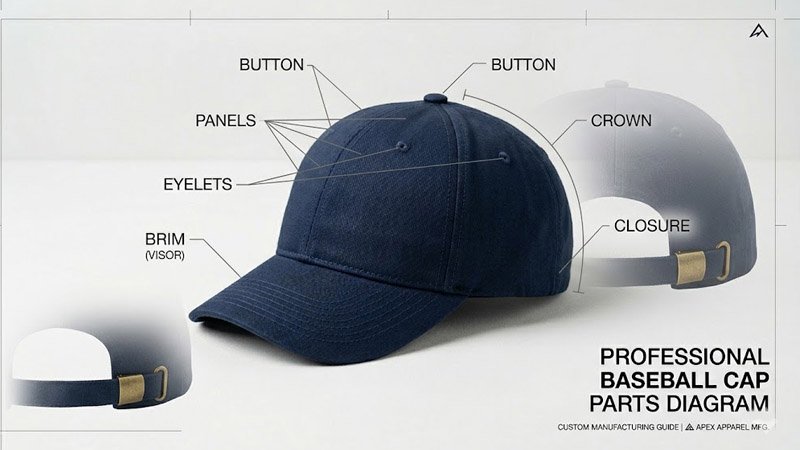
The main parts of a baseball cap include the crown, panels, brim or visor, closure, eyelets, sweatband, top button, seams, stitching, and logo decoration areas.
For custom baseball caps, these parts are not just design details. They directly affect the cap’s shape, fit, comfort, ventilation, durability, logo placement, and final production quality.
Why Baseball Cap Parts Matter for Custom Buyers
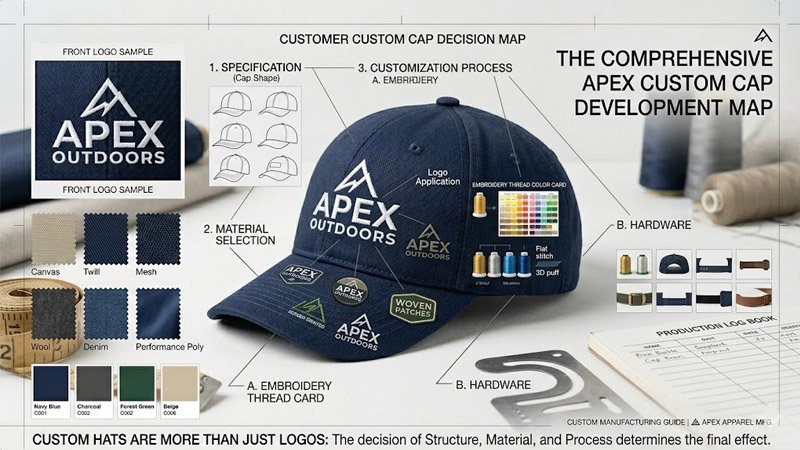
When buyers customize baseball caps, they often focus first on the logo and color. However, the structure of the cap is just as important.
A structured crown can make embroidery look cleaner. A curved brim can create a classic sports look. A snapback closure can fit more head sizes. A moisture-wicking sweatband can improve comfort for outdoor or sports use.
For bulk orders, choosing the wrong cap parts may lead to problems such as poor logo presentation, uncomfortable fit, weak structure, or a product that does not match the target market.
That is why understanding each part of a baseball cap is important before custom production begins.
1. Crown: The Main Body of the Baseball Cap
The crown is the main body of the baseball cap. It covers the top of the head and gives the cap its overall shape.
The crown affects:
- Cap structure
- Wearing comfort
- Logo placement
- Front embroidery quality
- Overall style
For custom caps, the crown is usually the most important area because it is where the main logo is placed.
A firm and well-shaped crown gives the cap a clean, professional appearance. A softer crown creates a relaxed and casual style.
2. Panels: 5-Panel and 6-Panel Construction
The crown is made from several fabric panels sewn together. Most baseball caps use either a 5-panel or 6-panel structure.
5-Panel Baseball Cap
A 5-panel cap usually has one large front panel without a center seam. This makes it suitable for large front logos, patches, and printed artwork.
A 5-panel cap is often used for:
- Camp caps
- Streetwear caps
- Outdoor caps
- Fashion headwear
- Large logo designs
Because the front panel is smooth and uninterrupted, it gives more space for clean branding.
6-Panel Baseball Cap
A 6-panel cap has six fabric sections, usually with a center seam on the front. This is the most classic baseball cap construction.
A 6-panel cap is commonly used for:
- Traditional baseball caps
- Dad hats
- Sports caps
- Corporate caps
- Uniform caps
If you want a classic baseball cap shape, a 6-panel structure is usually the safest choice.
3. Structured vs. Unstructured Crown
Another important choice is whether the cap should be structured or unstructured.
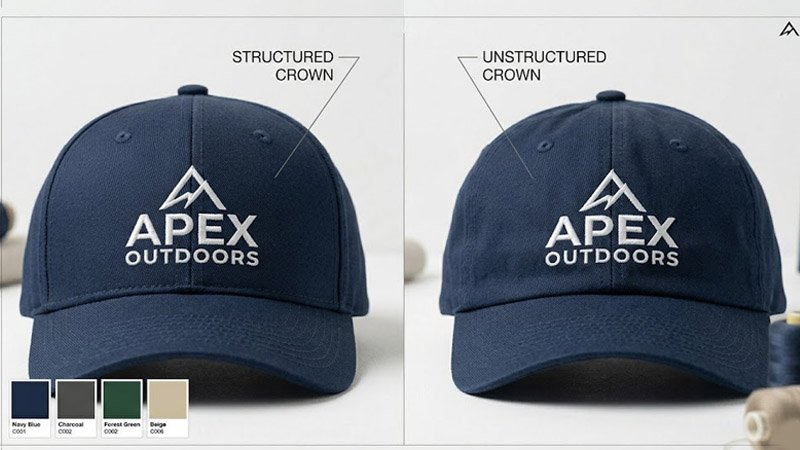
Structured Crown
A structured crown has inner support, especially in the front panels. It keeps the cap shape firm and upright.
Best for:
- Flat embroidery
- 3D embroidery
- Snapback caps
- Sports caps
- Corporate logo caps
- Premium promotional caps
Factory Tip: For large front embroidery or 3D embroidery, a structured front panel usually provides better support and helps the logo stay clean during stitching.
Unstructured Crown
An unstructured crown is softer and more relaxed. It does not have strong inner support, so it fits closer to the head.
Best for:
- Dad hats
- Casual cotton caps
- Lifestyle brands
- Small embroidered logos
- Minimalist designs
Unstructured caps are comfortable and fashionable, but they may not be the best choice for heavy or raised embroidery.
4. Crown Profile: High, Mid, and Low
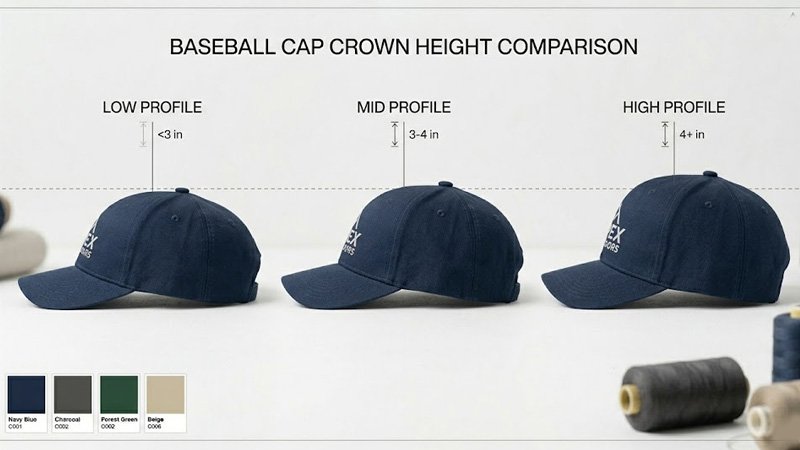
The crown profile refers to the height of the cap when worn. It affects both fit and style.
High-Profile Caps
High-profile caps have a taller crown and a bolder look.
Best for:
- Snapbacks
- Trucker caps
- 3D embroidery
- Streetwear brands
- Large front logos
Mid-Profile Caps
Mid-profile caps offer a balanced shape that suits most users.
Best for:
- Corporate caps
- Retail brands
- Sports teams
- Promotional caps
- General custom orders
Low-Profile Caps
Low-profile caps sit closer to the head and create a softer, more casual appearance.
Best for:
- Dad hats
- Casual fashion caps
- Small logo embroidery
- Lifestyle merchandise
- Minimalist brand designs
For custom buyers, the crown profile should match the target market and logo style.
5. Brim or Visor: Function and Style
The brim, also called the visor, extends from the front of the cap. It protects the face from sunlight and strongly affects the style of the cap.
The brim can be flat, curved, or pre-curved. It can also be customized with contrast colors, sandwich layers, stickers, labels, or printed designs.
6. Common Brim Types
Flat Brim
A flat brim creates a modern, bold, and streetwear-inspired look.
Best for:
- Snapbacks
- Hip-hop caps
- Fashion brands
- Sports merchandise
- 3D embroidered logos
Curved Brim
A curved brim gives a classic baseball cap appearance. It is practical, comfortable, and suitable for daily wear.
Best for:
- Sports caps
- Corporate caps
- Outdoor caps
- Promotional giveaways
- Uniform caps
Pre-Curved Brim
A pre-curved brim is already shaped during production. It gives a natural, ready-to-wear look.
Best for:
- Dad hats
- Casual caps
- Lifestyle brands
- Outdoor events
Sandwich Brim
A sandwich brim has a contrast color layer between the upper and lower brim fabrics. It is a simple way to add brand color without making the cap look too complicated.
Best for:
- Team caps
- Corporate color matching
- Promotional caps
- Brand accent designs
Factory Tip: For bulk orders, buyers should confirm the brim shape and stiffness during sampling, because different markets may prefer different brim curves.
7. Closure: The Back Adjustment System
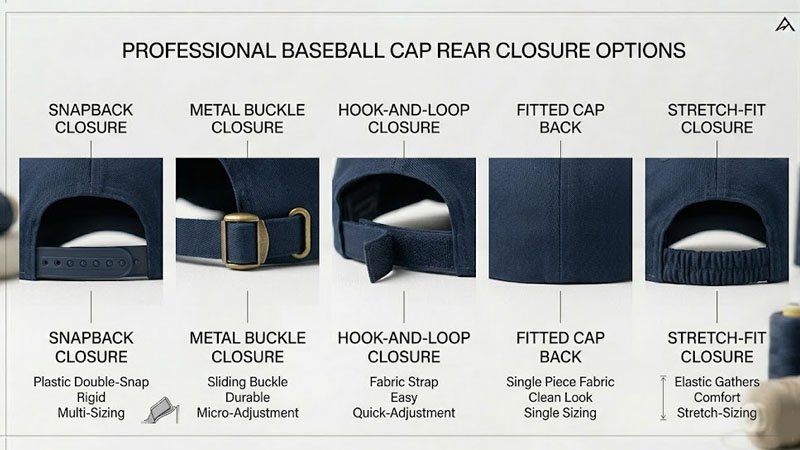
The closure is located at the back of the cap. It helps adjust the size and ensures a comfortable fit.
The closure type affects:
- Wearing comfort
- Size flexibility
- Cap style
- Target market
- Production cost
Snapback Closure
A snapback closure uses a plastic adjustable strap with holes. It is popular, durable, and easy to adjust.
Best for:
- Snapbacks
- Streetwear caps
- Sports caps
- Promotional caps
- Youth markets
Metal Buckle Closure
A metal buckle closure gives the cap a clean and premium look. It is commonly used for cotton dad hats and casual caps.
Best for:
- Dad hats
- Fashion caps
- Corporate gifts
- Premium promotional caps
Hook-and-Loop Closure
Hook-and-loop closure is easy to adjust and convenient for daily use.
Best for:
- Workwear caps
- Kids’ caps
- School caps
- Outdoor caps
- Event caps
Fitted Cap
A fitted cap has no adjustable strap. It is made according to specific head sizes.
Best for:
- Sports teams
- Retail cap collections
- Premium headwear
- Professional baseball caps
Stretch-Fit Closure
A stretch-fit cap uses elastic material to fit different head sizes comfortably.
Best for:
- Sports caps
- Performance caps
- Activewear brands
- Comfortable daily wear
Factory Tip: For promotional giveaways or event caps, adjustable closures such as snapback, hook-and-loop, or metal buckle are usually safer because they fit more head sizes.
9. Eyelets: Small Holes for Ventilation
Eyelets are the small holes on the crown of the cap. They allow air to flow through the cap and help keep the wearer cooler.
Common eyelet options include:
- Sewn eyelets
- Metal eyelets
- Matching color eyelets
- Contrast color eyelets
- Ventilation holes for performance caps
For cotton baseball caps, sewn eyelets are the most common. For outdoor caps or fashion caps, metal eyelets can add a stronger design detail.
Eyelets are especially important for summer caps, sports caps, outdoor caps, and promotional caps used in warm climates.
10. Sweatband: The Hidden Comfort Detail
The sweatband is located inside the cap, around the lower edge of the crown. It touches the forehead and helps absorb sweat.
Although it is not visible from the outside, the sweatband has a big impact on wearing comfort.
Common sweatband materials include:
- Cotton sweatband
- Polyester sweatband
- Terry cloth sweatband
- Moisture-wicking sweatband
- Elastic sweatband
For casual caps, cotton sweatbands are soft and comfortable. For sports and outdoor caps, moisture-wicking sweatbands are better because they help keep the wearer dry.
Factory Tip: Do not ignore the sweatband when developing custom caps for sports, outdoor events, or long-time wear. A poor sweatband can make the cap uncomfortable even if the outside design looks good.
11. Top Button: A Small Detail That Completes the Cap
The top button is located where the crown panels meet. It helps secure the panel structure and completes the appearance of the cap.
Common button options include:
- Matching fabric button
- Contrast color button
- Custom color button
- No-button design
A matching button gives a clean and classic look. A contrast button can add a small design highlight.
For some performance caps, a no-button design may be preferred because it feels more comfortable when worn under helmets or headgear.
12. Seams and Stitching: Details That Show Quality
Seams and stitching are important indicators of baseball cap quality. Clean stitching makes the cap look more professional and improves durability.
Custom buyers should check:
- Straight stitching
- Clean panel seams
- Even brim stitching
- Reinforced stress points
- No loose threads
- Consistent stitch density
- Neat embroidery edges
Poor stitching can make a cap look cheap, even if the fabric and logo are good. For brand buyers, these details directly affect the final product image.
13. Logo Placement Options on Baseball Caps
Logo placement is one of the most important decisions in custom baseball cap production. Different positions create different branding effects.
Front Logo
The front panel is the most common and visible logo position.
Suitable for:
- Flat embroidery
- 3D embroidery
- Woven patches
- Leather patches
- Rubber patches
- Heat transfer logos
For the best result, the logo size should match the crown height and front panel structure.
Side Logo
Side logos are usually smaller and more subtle.
Suitable for:
- Small icons
- Flag embroidery
- Event names
- Brand slogans
- Team details
Back Logo
The back area can be used for small embroidery, woven labels, or brand names near the closure.
This is a good option when the front design needs to stay simple.
Brim Logo
The brim can be customized with embroidery, stickers, labels, or under-brim printing.
This works well for streetwear caps, sports caps, and fashion headwear.
Different logo methods create different visual effects. The right method depends on the logo design, fabric, cap structure, order quantity, and target market.
Flat Embroidery
Flat embroidery is one of the most popular logo methods for baseball caps. It gives a clean, durable, and professional look.
Best for:
- Company logos
- Text logos
- Uniform caps
- Corporate caps
- Promotional caps
3D Embroidery
3D embroidery creates a raised logo effect. It gives the cap a stronger and more premium appearance.
Best for:
- Bold letters
- Sports logos
- Snapbacks
- Streetwear caps
- High-profile crowns
Appliqué Embroidery
Appliqué embroidery uses fabric pieces stitched onto the cap. It is suitable for larger designs and fashion-style branding.
Best for:
- Large logos
- Retro designs
- Streetwear caps
- Premium custom caps
Woven Patch
A woven patch is suitable for detailed logos and small text. It creates a neat and high-quality look.
Best for:
- Outdoor brands
- Fashion caps
- Retail headwear
- Detailed artwork
Leather Patch
Leather patches create a premium, outdoor, and vintage feeling.
Best for:
- Outdoor caps
- Workwear caps
- Lifestyle brands
- Premium merchandise
Heat Transfer Printing
Heat transfer printing is suitable for colorful designs, gradients, and detailed artwork.
Best for:
- Multi-color logos
- Small quantity orders
- Smooth artwork
- Fashion designs
15. Why Embroidery Is Popular for Baseball Caps
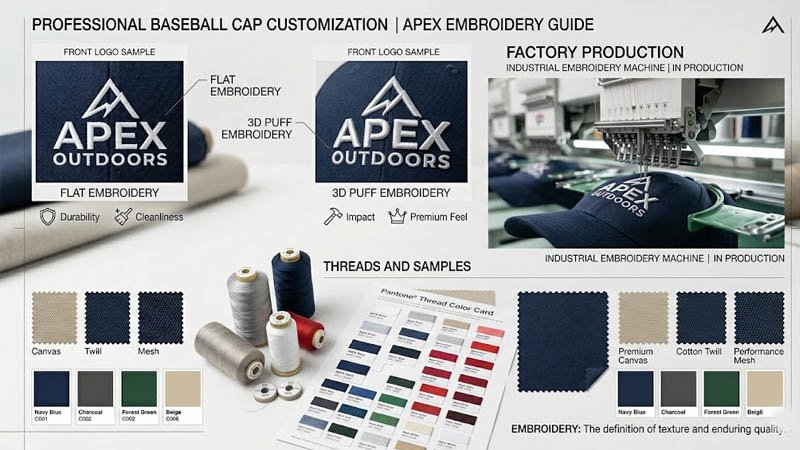
Embroidery remains one of the most popular choices for custom baseball caps because it is durable, professional, and suitable for many types of logos.
Compared with simple printing, embroidery adds texture and a more premium feeling. It is especially suitable for corporate logos, team logos, brand names, and promotional caps that need long-lasting quality.
For baseball caps, embroidery works best on stable fabric and structured front panels. If the logo has bold text or simple shapes, flat embroidery or 3D embroidery can create a strong branding effect.
For very detailed artwork, a woven patch or heat transfer logo may be more suitable than direct embroidery.
The fabric affects the cap’s texture, comfort, durability, and price. Different materials are suitable for different markets and usage scenarios.
| Material |
Best For |
Advantages |
| Cotton |
Dad hats, casual caps, corporate caps |
Soft, breathable, natural feel |
| Polyester |
Sports caps, promotional caps |
Durable, lightweight, colorfast |
| Nylon |
Outdoor caps, performance caps |
Lightweight, practical, outdoor style |
| Wool Blend |
Premium caps, winter caps |
Structured, warm, classic look |
| Mesh |
Trucker caps, summer caps |
Breathable and cost-effective |
For most custom baseball caps, cotton and polyester are the most common choices. Cotton gives a natural and comfortable feeling, while polyester offers better durability and color stability for large promotional orders.
17. Baseball Cap Parts Overview
| Cap Part |
Main Function |
Custom Options |
| Crown |
Defines cap shape and fit |
5-panel, 6-panel, structured, unstructured |
| Panels |
Build the cap structure |
Front panel, side panels, back panels |
| Brim / Visor |
Sun protection and style |
Flat, curved, pre-curved, sandwich brim |
| Closure |
Adjusts cap size |
Snapback, buckle, hook-and-loop, fitted, stretch-fit |
| Eyelets |
Improve ventilation |
Sewn eyelets, metal eyelets, contrast color |
| Sweatband |
Absorbs sweat and improves comfort |
Cotton, polyester, moisture-wicking |
| Top Button |
Secures panels and completes the look |
Matching color, contrast color, no-button |
| Stitching |
Supports durability and quality |
Brim stitching, panel stitching, reinforced seams |
| Logo Area |
Displays brand identity |
Front, side, back, brim, closure label |
18. How Different Buyers Should Choose Baseball Cap Parts
Different buyers have different needs. The right baseball cap structure should match the project purpose.
| Buyer Type |
Recommended Cap Style |
Best Logo Method |
Key Focus |
| Corporate Buyers |
Mid-profile cotton cap |
Flat embroidery |
Professional and clean |
| Sports Teams |
Structured performance cap |
3D embroidery or heat transfer |
Durable and comfortable |
| Fashion Brands |
5-panel cap or snapback |
Patch or 3D embroidery |
Strong visual identity |
| Event Companies |
Adjustable promotional cap |
Flat embroidery or printing |
Cost-effective and flexible |
| Outdoor Brands |
Trucker cap or nylon cap |
Woven patch or leather patch |
Breathability and durability |
| Retail Brands |
Premium structured cap |
Embroidery or appliqué |
Quality and brand value |
This table can help buyers choose suitable cap parts before confirming the sample.
19. Common Mistakes to Avoid in Custom Cap Production
Choosing the Wrong Crown for the Logo
A soft unstructured crown may not support heavy 3D embroidery well. If the logo is large or raised, a structured front panel is usually better.
Making the Logo Too Detailed
Small embroidery areas cannot show very fine details clearly. For detailed logos, woven patches or heat transfer printing may be better.
Ignoring the Sweatband
The sweatband affects comfort. For sports or outdoor caps, a better sweatband material can improve the wearing experience.
Choosing Fabric Only by Price
Low-cost fabric may reduce the final product quality. Buyers should consider the target market, usage, brand positioning, and budget together.
Not Confirming the Brim Shape
Different markets prefer different brim shapes. Some prefer flat brims, while others prefer curved or pre-curved brims. Always confirm the brim shape during sampling.
Skipping the Pre-Production Sample
For custom caps, a sample helps confirm the cap shape, material, color, logo size, embroidery effect, and overall quality before bulk production.
For custom baseball cap projects, a reliable manufacturer can help buyers avoid many production problems and improve final product quality.
GUANGZHOU EASTLUCKY Hat & Garment Co., Ltd. is a high-end custom hat and OEM/ODM manufacturer based in Guangzhou, China, with 15 years of expertise in professional R&D, production, and distribution of various hats and embroidered accessories. Guided by the philosophy “Quality as Root, Innovation as Soul,” we provide global clients with one-stop solutions from design sampling to mass production, enabling efficient and high-quality supply chain services for brands.
An experienced factory can support:
- Cap style recommendation
- Material selection
- Logo method suggestions
- Artwork checking
- Sample development
- Color matching
- Bulk production
- Quality inspection
- Export packaging
This is especially important for brands, distributors, event companies, sports teams, and promotional product buyers who need stable quality and reliable delivery.
Conclusion
The main parts of a baseball cap include the crown, panels, brim, closure, eyelets, sweatband, top button, seams, stitching, and logo decoration areas. Each part affects the cap’s structure, comfort, style, durability, and branding result.
For custom buyers, a baseball cap is more than a simple accessory. The right crown can improve logo embroidery. The right brim can create the correct style. The right closure can fit more users. The right sweatband can improve comfort. The right logo method can make your brand look more professional.
Before placing a bulk order, buyers should confirm the cap structure, material, crown profile, brim shape, closure type, logo method, sample quality, and packing requirements.
Whether you need embroidered baseball caps, snapbacks, dad hats, trucker caps, sports caps, or promotional caps, understanding the main parts of a baseball cap will help you create a better custom product for your brand.
FAQs
What are the main parts of a baseball cap?
The main parts of a baseball cap include the crown, panels, brim or visor, closure, eyelets, sweatband, top button, seams, stitching, and logo decoration areas.
What is the crown of a baseball cap?
The crown is the main body of the cap that covers the top of the head. It affects the cap shape, fit, structure, and front logo presentation.
What is the brim of a baseball cap?
The brim, also called the visor, extends from the front of the cap. It helps protect the face from sunlight and affects the cap’s style.
What is the best crown type for embroidery?
A structured crown is usually better for embroidery because it keeps the front panel stable and helps the logo look cleaner.
What is the difference between a 5-panel and 6-panel cap?
A 5-panel cap usually has one large front panel without a center seam, making it suitable for large logos or patches. A 6-panel cap has a classic baseball cap structure with a center seam and a traditional look.
Which closure is best for promotional baseball caps?
Adjustable closures such as snapback, hook-and-loop, or metal buckle are usually better for promotional caps because they fit more head sizes.
Is embroidery better than printing for baseball caps?
Embroidery is more durable and gives a professional textured look. Printing is better for colorful, detailed, or gradient artwork.
Can I customize both the front and side of a baseball cap?
Yes. Most custom baseball caps can support front embroidery, side logo embroidery, back logo placement, brim decoration, and custom labels.
What material is best for custom baseball caps?
Cotton is soft and breathable, making it suitable for casual caps. Polyester is durable and colorfast, making it good for sports caps and promotional caps. Mesh is often used for trucker caps and summer caps.
What should I confirm before bulk cap production?
You should confirm the cap style, material, color, crown profile, brim shape, closure type, logo size, logo method, sample quality, packing details, and delivery time.
New Era 9TWENTY vs. 9FORTY: Fit, Structure, Style, and Customization Guide
When comparing the New Era 9TWENTY and 9FORTY, the biggest difference is simple: the 9TWENTY is softer and more relaxed, while the 9FORTY is more structured and sporty.
The New Era 9TWENTY is known for its unstructured crown, low-profile fit, and casual “dad hat” style. It is comfortable, easy to wear, and perfect for everyday outfits.
The New Era 9FORTY, on the other hand, has a structured crown, a pre-curved visor, and a cleaner athletic look. It holds its shape better and offers stronger front logo visibility, making it a popular choice for sports teams, events, uniforms, and promotional caps.
Both styles are adjustable, versatile, and widely loved. However, they serve different purposes. If you are choosing a cap for personal wear, brand merchandise, or a custom hat project, understanding these differences can help you make the right decision.
Quick Answer: 9TWENTY vs. 9FORTY
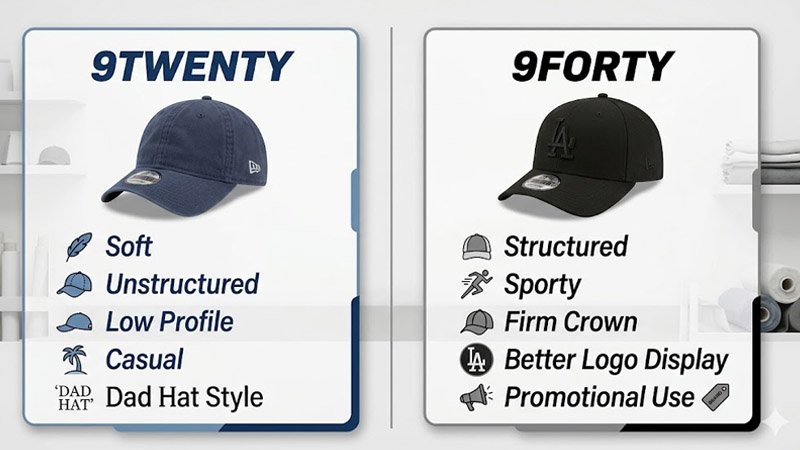
Choose the 9TWENTY if you want a soft, unstructured, low-profile cap with a relaxed vintage look.
Choose the 9FORTY if you want a structured, sporty cap with a firmer crown and better logo presentation.
In short:
9TWENTY = relaxed, soft, casual, dad-hat style
9FORTY = structured, sporty, polished, brand-ready style
9TWENTY vs. 9FORTY Comparison Table
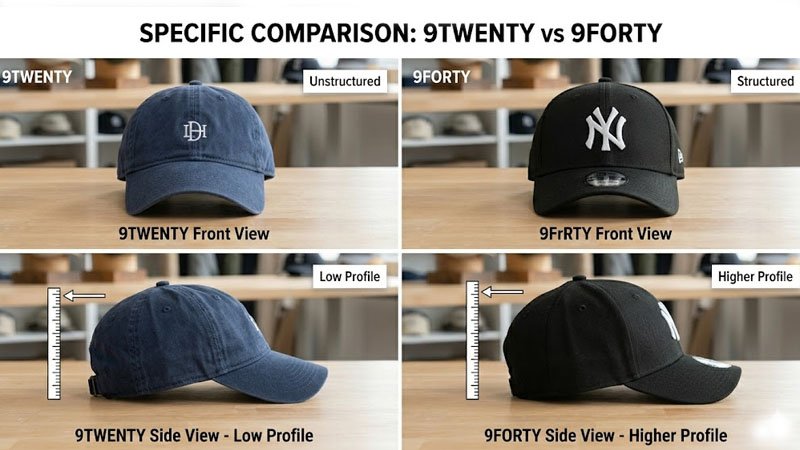
| Feature |
New Era 9TWENTY |
New Era 9FORTY |
| Crown Structure |
Unstructured |
Structured |
| Profile |
Low profile |
Mid to slightly higher profile |
| Fit Feel |
Soft and relaxed |
Firmer and more secure |
| Overall Style |
Casual, vintage, dad hat |
Sporty, clean, polished |
| Visor |
Curved visor |
Pre-curved visor |
| Logo Display |
Softer and more subtle |
More upright and visible |
| Best For |
Casual wear and lifestyle fashion |
Sports teams and brand promotion |
| Comfort |
Very soft and flexible |
Comfortable with more support |
| Custom Use |
Lifestyle caps, fashion merch, souvenirs |
Team caps, corporate caps, event caps |
| Recommended Buyer |
Brands wanting a relaxed look |
Brands needing strong logo visibility |
What Is the New Era 9TWENTY Cap?
The New Era 9TWENTY is one of the most relaxed cap styles in the New Era lineup. It is widely recognized for its soft, unstructured crown and easygoing fit.
Unlike structured caps that keep a firm front shape, the 9TWENTY has soft front panels. This allows the cap to naturally follow the shape of the wearer’s head. The result is a comfortable, slightly worn-in look that feels casual and effortless.
This is why the 9TWENTY is often associated with the popular dad hat style.
Key Features of the 9TWENTY
The 9TWENTY usually features:
- An unstructured crown
- A low-profile shape
- A curved visor
- An adjustable back closure
- A soft and flexible fit
- A relaxed vintage appearance
Because of its soft structure, the 9TWENTY does not look stiff or bulky. It is a great option for people who want a cap that feels natural, comfortable, and easy to style.
Fit and Comfort
The 9TWENTY is designed for comfort. Its soft crown and flexible material make it suitable for long-time wear.
Many 9TWENTY-style caps are made from cotton, washed cotton, or similar soft fabrics. These materials help create a breathable and lightweight feel.
The adjustable closure makes it suitable for most head sizes. However, because it has a low-profile and relaxed shape, people who prefer a stronger and more secure fit may prefer the 9FORTY.
Best Uses for the 9TWENTY
The 9TWENTY is ideal for:
- Everyday casual wear
- Lifestyle fashion brands
- Vintage-style merchandise
- Travel souvenirs
- Retail fashion collections
- Cafés, clubs, and creative brands
- Low-key logo embroidery
- Soft and relaxed promotional caps
If your brand wants a friendly, relaxed, and lifestyle-focused image, the 9TWENTY-style cap is a strong choice.
What Is the New Era 9FORTY Cap?
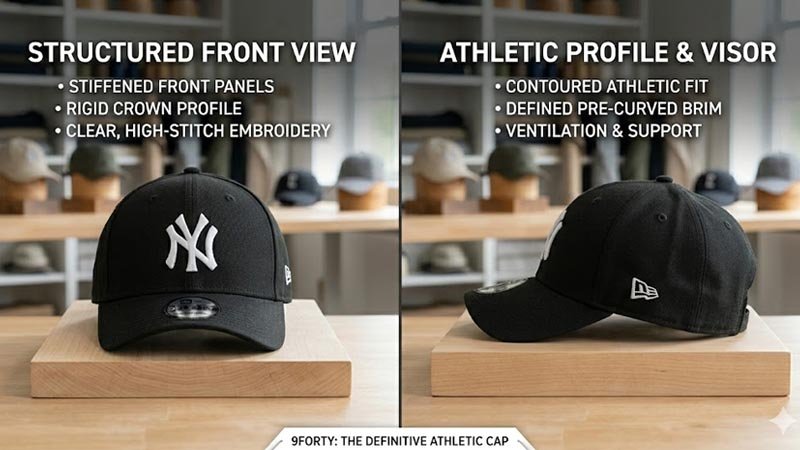
The New Era 9FORTY is an adjustable cap with a more structured and sporty design. Compared with the 9TWENTY, it has a firmer crown and a cleaner shape.
The structured front panels help the cap maintain its form. This gives the 9FORTY a sharper look and makes the front logo area more stable.
Because of this, the 9FORTY is commonly used for sports teams, corporate branding, staff uniforms, outdoor events, and promotional merchandise.
Key Features of the 9FORTY
The 9FORTY usually features:
- A structured crown
- A pre-curved visor
- A mid-profile or slightly higher-profile fit
- An adjustable back closure
- A sporty appearance
- A stronger front logo area
The structured crown makes the 9FORTY look more polished than the 9TWENTY. It is a good choice for buyers who want a cap that looks neat, stable, and brand-focused.
Fit and Comfort
The 9FORTY still offers good comfort, but it feels different from the 9TWENTY.
Instead of being soft and floppy, the 9FORTY feels more supportive. It sits more firmly on the head and holds its shape throughout the day.
For medium to larger head sizes, the 9FORTY may feel more secure. For buyers who want a professional cap shape, it is often the better option.
Best Uses for the 9FORTY
The 9FORTY is ideal for:
- Sports team caps
- Corporate event caps
- School and club caps
- Staff uniforms
- Outdoor promotional caps
- Brand merchandise
- Strong logo embroidery
- Patch designs
- Clean and professional cap collections
If your brand wants a structured, sporty, and highly visible logo presentation, the 9FORTY-style cap is usually the better choice.
Main Differences Between 9TWENTY and 9FORTY
1. Crown Structure
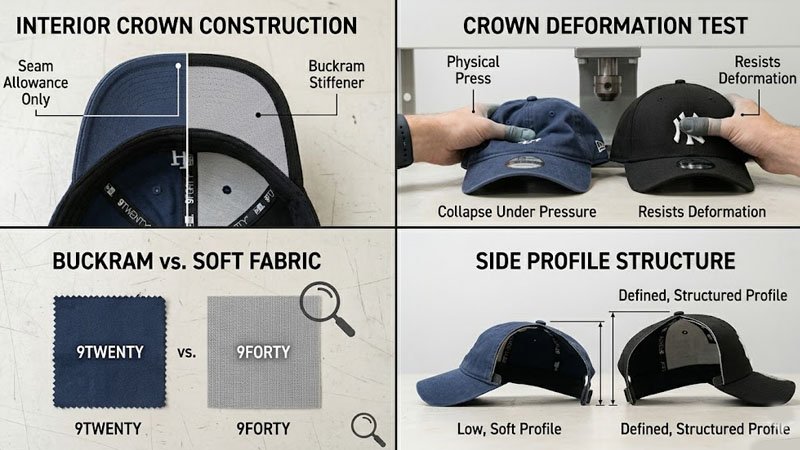
The most important difference is the crown structure.
The 9TWENTY has an unstructured crown, which means the front panels are soft and flexible. It creates a relaxed, casual look.
The 9FORTY has a structured crown, which means the front panels are firmer and help the cap keep its shape.
If you want a soft and natural cap shape, choose the 9TWENTY.
If you want a firm and defined cap shape, choose the 9FORTY.
2. Profile and Shape
The 9TWENTY usually has a lower profile. It sits closer to the head and looks more understated.
The 9FORTY has a slightly higher and more structured profile. It creates a stronger visual shape and looks more athletic.
For a subtle daily cap, the 9TWENTY is better.
For a sharper branded cap, the 9FORTY is better.
3. Style and Appearance
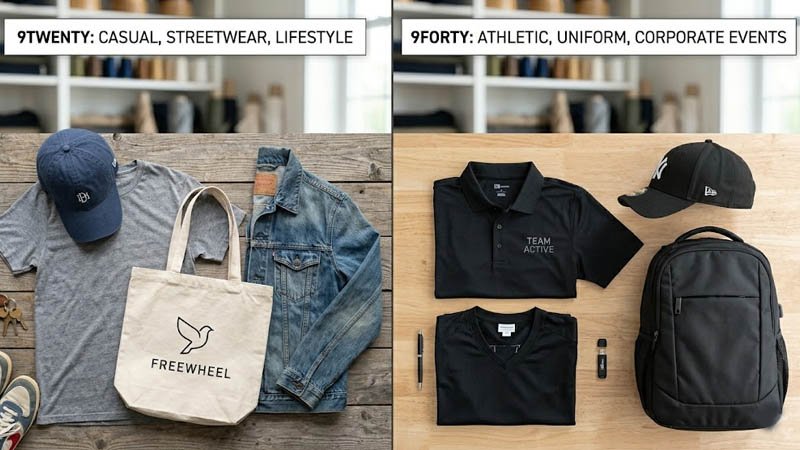
The 9TWENTY is more casual and vintage. It is often worn with T-shirts, hoodies, denim, sneakers, and relaxed streetwear.
The 9FORTY is more sporty and polished. It works well with jerseys, polo shirts, uniforms, jackets, and activewear.
The difference can be summarized like this:
9TWENTY: relaxed lifestyle style
9FORTY: structured sports style
4. Logo Display
Logo display is very important for custom hat projects.
Because the 9TWENTY has a soft crown, logos appear more relaxed and subtle. It is suitable for small embroidery, minimalist branding, and lifestyle-style designs.
Because the 9FORTY has a structured front panel, logos appear more upright and visible. It is better for bold embroidery, woven patches, rubber patches, and team logos.
If you want understated branding, choose the 9TWENTY.
If you want stronger logo visibility, choose the 9FORTY.
5. Comfort and Wearing Experience
Both caps are comfortable, but they offer different wearing experiences.
The 9TWENTY feels softer, lighter, and more flexible. It is ideal for people who want a cap that feels easy and casual.
The 9FORTY feels more secure and supportive. It is ideal for people who want a cap that keeps its shape and feels more stable.
There is no single better choice. The right option depends on your style preference, head shape, and intended use.
Which Cap Should You Choose?
Choose the 9TWENTY If You Want:
- A soft unstructured cap
- A low-profile fit
- A relaxed dad-hat look
- A casual everyday style
- A vintage-inspired appearance
- A more subtle logo effect
- A comfortable cap for long wear
- A lifestyle-focused custom cap
The 9TWENTY is best for brands and wearers who want comfort, softness, and an easygoing fashion style.
Choose the 9FORTY If You Want:
- A structured cap
- A cleaner and sharper shape
- A sporty appearance
- A more secure fit
- Better logo visibility
- A professional branded look
- A cap for teams, events, or uniforms
- A custom cap suitable for bold decoration
The 9FORTY is best for brands and wearers who want structure, logo impact, and a more polished look.
Customization Guide: Which Style Is Better for Custom Hats?
For custom cap buyers, the choice between a 9TWENTY-style and 9FORTY-style cap is not only about fashion. It also affects production structure, logo placement, embroidery result, fabric selection, and final brand image.
A 9TWENTY-style cap is usually better for relaxed lifestyle branding. A 9FORTY-style cap is usually better for professional, sporty, or promotional branding.
Custom Hat Project Recommendations
| Custom Project Type |
Recommended Style |
Reason |
| Lifestyle fashion brand |
9TWENTY-style |
Soft, casual, and easy to style |
| Sports team caps |
9FORTY-style |
Structured crown supports bold logos |
| Corporate event caps |
9FORTY-style |
Clean and professional appearance |
| Travel souvenir caps |
9TWENTY-style |
Relaxed and approachable look |
| School or club caps |
9FORTY-style |
Durable structure and strong logo display |
| Café or creative brand merch |
9TWENTY-style |
Friendly and lifestyle-oriented |
| Promotional giveaway caps |
9FORTY-style |
Better visibility for brand logos |
| Streetwear merchandise |
Both styles |
Depends on brand image and design direction |
Manufacturing Perspective: What Should Brands Consider?
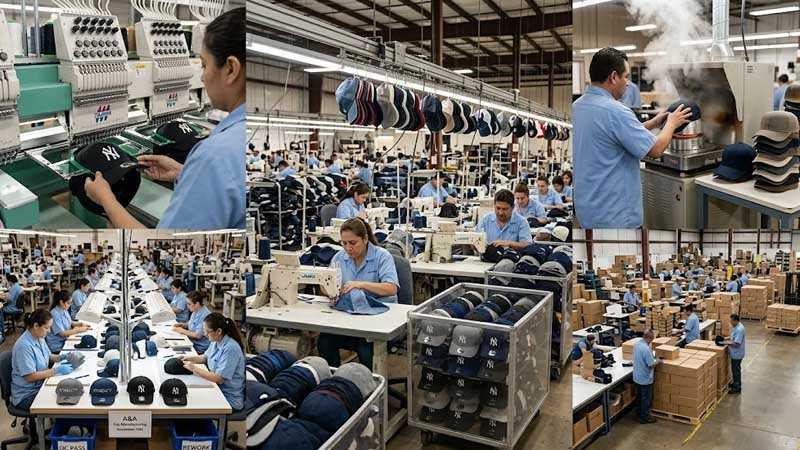
When developing custom caps inspired by 9TWENTY or 9FORTY styles, brands should consider more than just the outside appearance.
Important details include:
- Crown structure
- Front panel support
- Fabric type
- Visor shape
- Closure style
- Sweatband quality
- Embroidery method
- Patch material
- Logo size
- Color matching
- Packaging requirements
- Bulk production consistency
For example, if your logo is large, detailed, or needs strong visibility, a structured 9FORTY-style cap may provide a better decoration surface.
If your brand wants a soft, vintage, and casual feeling, an unstructured 9TWENTY-style cap may be a better match.
From a custom manufacturing perspective, choosing the right cap structure helps improve both the appearance and the final wearing experience.
GUANGZHOU EASTLUCKY Hat & Garment Co., Ltd. is a high-end custom hat and OEM/ODM manufacturer based in Guangzhou, China, with 15 years of expertise in professional R&D, production, and distribution of various hats and embroidered accessories. Guided by the philosophy “Quality as Root, Innovation as Soul,” EASTLUCKY provides global clients with one-stop solutions from design sampling to mass production, supporting efficient and high-quality supply chain services for brands worldwide.
Styling the 9TWENTY and 9FORTY
Casual Outfits
The 9TWENTY is perfect for casual daily wear. You can pair it with a T-shirt, jeans, hoodie, denim jacket, or sneakers.
Its soft crown gives the outfit a relaxed and natural feeling. It is especially suitable for people who like minimal, vintage, or lifestyle fashion.
The 9FORTY can also be styled casually, but it creates a cleaner and more structured look. It pairs well with polo shirts, bomber jackets, casual shirts, and sporty sneakers.
Sporty Looks
For sporty outfits, the 9FORTY is usually the stronger choice.
Its structured crown and pre-curved visor make it suitable for team jerseys, training wear, baseball jackets, athletic shorts, and sports-inspired streetwear.
This is also why 9FORTY-style caps are often selected for team uniforms, sports clubs, outdoor events, and athletic brand merchandise.
Streetwear Looks
Both 9TWENTY and 9FORTY caps are popular in streetwear, but they create different styles.
The 9TWENTY gives a relaxed and vintage streetwear look. It works well with oversized hoodies, loose pants, washed denim, and retro sneakers.
The 9FORTY gives a cleaner and bolder streetwear look. It works well with statement jackets, cargo pants, sports jerseys, and large logo designs.
If your brand wants a soft lifestyle identity, the 9TWENTY-style cap may be better.
If your brand wants a stronger sporty or urban identity, the 9FORTY-style cap may be better.
Final Recommendation
The New Era 9TWENTY and 9FORTY are both excellent adjustable cap styles, but they are designed for different needs.
The 9TWENTY is best for people who want a soft, unstructured, low-profile cap with a relaxed dad-hat look. It is comfortable, casual, and ideal for lifestyle fashion or subtle branding.
The 9FORTY is best for people who want a structured, sporty, and polished cap. It offers a firmer crown, stronger shape, and better logo visibility, making it ideal for sports teams, corporate events, uniforms, and promotional merchandise.
For personal wear, the best choice depends on your style preference and comfort needs.
For custom hat projects, the best choice depends on your brand image, logo design, target audience, and usage scenario.
If your brand wants a relaxed and casual product, choose a 9TWENTY-style cap.
If your brand wants a structured and professional product, choose a 9FORTY-style cap.
FAQs
What is the main difference between the New Era 9TWENTY and 9FORTY?
The main difference is the crown structure. The 9TWENTY has a soft, unstructured crown, while the 9FORTY has a structured crown that holds its shape better.
Is the 9TWENTY the same as a dad hat?
The 9TWENTY is often considered a dad-hat style because it has a low-profile, unstructured crown and a relaxed casual fit.
Is the 9FORTY structured?
Yes. The 9FORTY usually has a structured front crown, which helps the cap maintain its shape and display logos more clearly.
Which cap is more comfortable?
The 9TWENTY usually feels softer and more relaxed, while the 9FORTY feels firmer and more supportive. The more comfortable choice depends on personal preference.
Which cap is better for embroidery?
The 9FORTY is usually better for bold embroidery because its structured front panel provides a more stable surface. The 9TWENTY is better for softer, more subtle embroidery effects.
Which cap is better for small heads?
The 9TWENTY may be better for smaller heads because of its lower profile and softer fit. However, the final fit depends on the specific cap pattern and closure type.
Which cap is better for sports teams?
The 9FORTY is usually better for sports teams because it has a structured crown, sporty appearance, and stronger front logo display.
Which cap is better for lifestyle brands?
The 9TWENTY is often better for lifestyle brands because it feels casual, vintage, and easy to style.
Can both 9TWENTY and 9FORTY styles be customized?
Yes. Both styles can be customized with embroidery, woven patches, rubber patches, printed logos, different fabrics, custom closures, and branded packaging.
Which style should I choose for promotional caps?
For corporate promotions, sports events, and uniforms, the 9FORTY-style cap is usually better. For casual giveaways, lifestyle merchandise, and travel souvenirs, the 9TWENTY-style cap is a strong option.
Can You Wear a Hat in Court? Rules, Exceptions, and Courtroom Etiquette
If you are going to court, one of the most important things to remember is that your appearance matters. Courtrooms are formal environments, and even small details—such as wearing a hat—can affect how you are perceived.
So, can you wear a hat in court?
In most courtrooms, wearing a hat is not recommended, and you may be asked to remove it. However, religious, cultural, and some medical head coverings are often treated differently. The exact answer depends on the court, the judge, and the reason you are wearing it.
Here is what you should know before stepping into a courtroom.
Why What You Wear to Court Matters
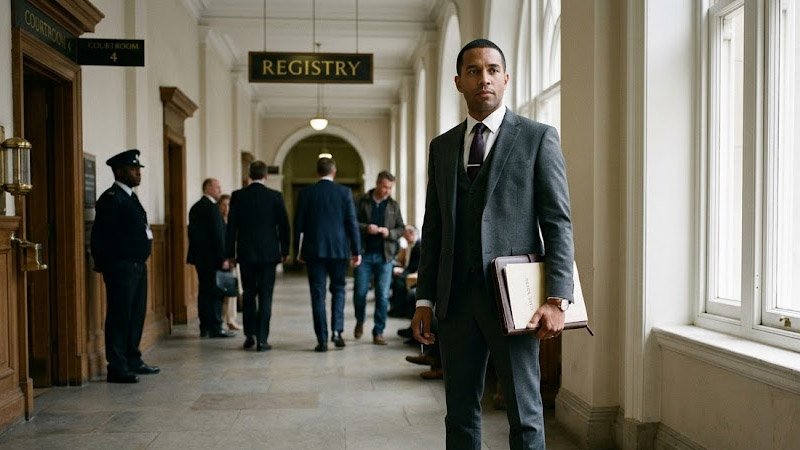
Court is not like going to a store, a restaurant, or even a normal office. It is a place where rules, procedures, and respect for the legal process matter. Because of that, the way you dress plays an important role in first impressions.
You do not need expensive clothing to look appropriate in court. In most situations, clean, modest, and professional-looking attire is enough. The goal is to show that you understand the seriousness of the occasion.
A hat may seem like a small detail, but in court, small details often matter. If your clothing looks too casual or distracting, it may give the impression that you are not taking the situation seriously.
The Short Answer: Hats Are Usually Discouraged
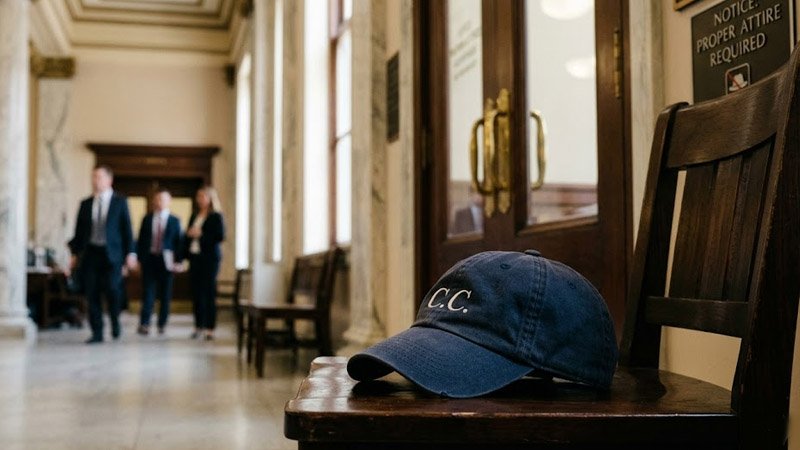
In general, casual hats are usually discouraged in court. This includes items such as:
- baseball caps
- beanies
- fashion hats
- streetwear caps
- any headwear worn mainly for style rather than necessity
Even when there is no clearly posted rule saying “no hats,” court staff or security officers may still ask you to remove one. This is common because courtroom expectations are based not only on written rules, but also on formality and decorum.
If the hat is optional, the safest choice is to leave it off.
Why Hats Are Often Not Allowed in Court
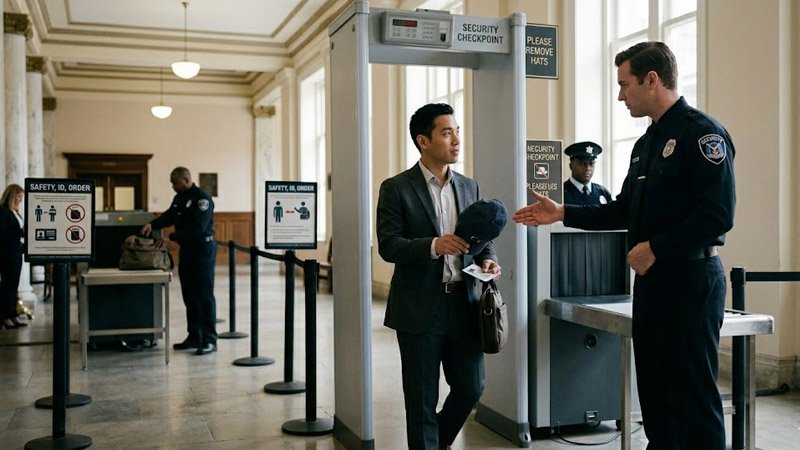
There are several reasons hats are commonly discouraged in courtrooms.
1. Courtrooms Are Formal Spaces
The most common reason is simple: courts are formal institutions. Judges, lawyers, jurors, and court staff are expected to maintain a professional environment. Wearing a casual hat can appear too relaxed for that setting.
In many cultures, removing a hat indoors—especially in official or serious spaces—is considered a basic sign of respect. Courtrooms often follow that same expectation.
2. Security Procedures Matter
Courthouses usually have security screening at the entrance. During that process, officers may ask visitors to remove hats so they can confirm identity and ensure nothing is concealed.
This is important because courthouse security rules and courtroom etiquette often overlap. You may be allowed to wear a hat while arriving at the building, but once you go through screening or enter the courtroom itself, you may be told to take it off.
3. Clear Identification Is Important
In a courtroom, everyone needs to be clearly seen and identified. Hats with low brims, oversized shapes, or anything that partially covers the face can make that harder. Court staff want to avoid confusion, unnecessary distraction, or anything that could interfere with orderly proceedings.
The issue is often not the hat itself, but whether it fits the seriousness and visibility requirements of the setting.
Does the Rule Change from Court to Court?
Yes, it can.
Not every courtroom handles attire in exactly the same way. Some judges are more strict than others. Some local courts may have posted dress standards, while others rely more on courtroom staff to manage appearance and behavior.
That is why people sometimes hear different answers to the same question. One person may say they wore a hat without issue, while another may say they were immediately told to remove it.
Still, the safest general rule remains the same: do not assume a casual hat will be acceptable in court.
Different Roles, Different Expectations
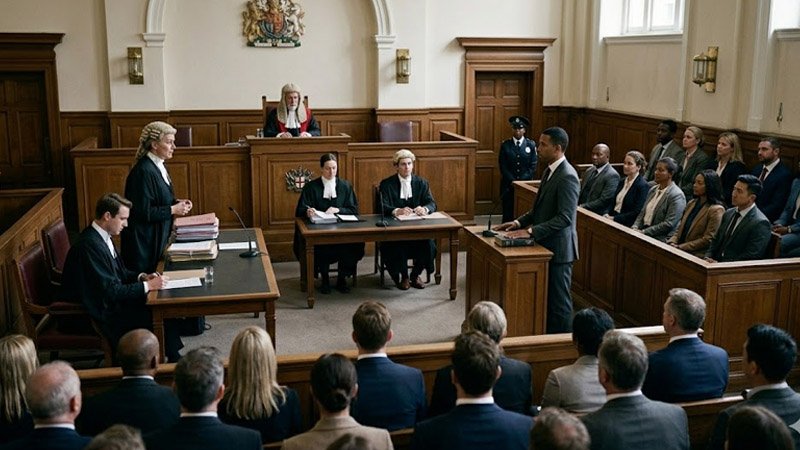
Whether you can wear a hat may also depend on why you are in court.
If You Are a Defendant
If you are appearing in court as a defendant, your appearance matters even more. You want to look respectful, responsible, and prepared. Wearing a casual hat usually does not help create that impression.
Even if no one says anything, it may still affect how others view you. In court, that is not a risk worth taking.
If You Are a Witness
Witnesses are also expected to appear neat and respectful. Since witnesses may be speaking directly before the judge or jury, their appearance should not distract from their testimony.
A casual hat may draw unnecessary attention and may be viewed as inappropriate unless there is a valid reason for wearing it.
If You Are a Juror
Jurors are usually expected to follow conservative dress standards. Courts often want jurors to appear neutral, consistent, and professional. Because of that, hats are typically discouraged unless there is a religious or medical reason.
If You Are Just Observing
Even spectators and family members attending a hearing are expected to respect courtroom rules. Being “just a visitor” does not mean dress expectations no longer apply. If you wear a hat into court, you may still be asked to remove it.
Are Religious or Cultural Head Coverings Allowed?
In many cases, yes.
Religious and cultural head coverings are usually treated differently from fashion hats or casual caps. Courts generally recognize that items such as turbans, hijabs, yarmulkes, and other faith-based or culturally significant coverings are not simply accessories.
That said, you may still be asked to cooperate with identification or security procedures. This usually does not mean the court is rejecting the head covering—it simply means courthouse rules still apply to everyone entering the building.
If you know in advance that you will be wearing religious or cultural headwear and you are concerned about how it may be handled, contacting the court ahead of time is a smart step.
What About Medical Reasons?

Medical needs can also make a difference.
Some people wear head coverings because of surgery, treatment, hair loss, scalp sensitivity, or other health-related reasons. In many situations, courts will be understanding if the headwear is clearly functional and not worn as casual fashion.
If the court appearance is important, it is wise to notify your lawyer or the court in advance. That can help avoid confusion and reduce stress on the day of the hearing.
What Happens If You Refuse to Remove a Hat?
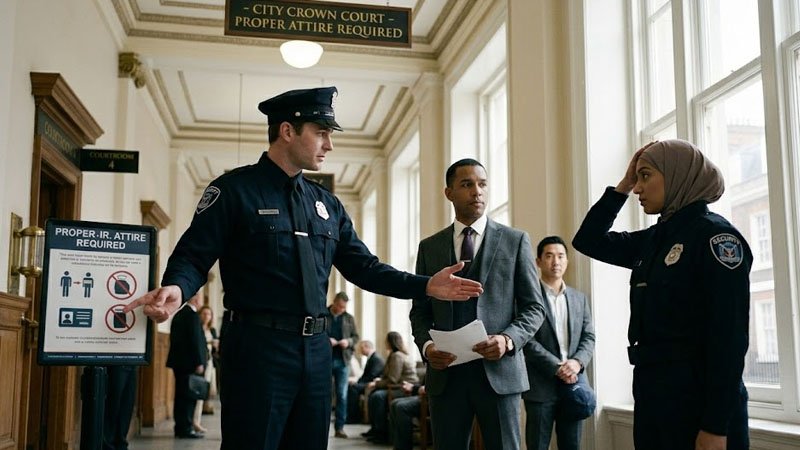
If a judge, bailiff, or court officer asks you to remove your hat, the best response is to comply politely.
Refusing a direct instruction in court can create unnecessary problems. At a minimum, you may be asked to leave the courtroom. In more serious situations, refusing to follow courtroom instructions may be seen as disrespectful or disruptive conduct.
Even if you personally feel the rule is minor, arguing about it in court is rarely a good idea. It is always better to cooperate and keep the focus on the legal matter itself.
A Practical Example
Imagine you are attending traffic court and wearing a baseball cap. Your clothing is otherwise neat and appropriate. Even so, there is a good chance that security staff or courtroom personnel will ask you to remove the cap before the hearing begins.
Now imagine a different situation. You are wearing a head covering for religious reasons. In that case, the response from the court is likely to be different. Staff may still need to confirm identity or follow screening procedures, but the head covering itself is more likely to be accommodated.
These examples show why the answer is not always a simple yes or no. The context matters.
Best Practice: What Should You Do?
If you are unsure whether wearing a hat to court is acceptable, the safest approach is very simple:
- do not wear a casual hat into the courtroom
- remove your hat during security screening if asked
- dress neatly and conservatively
- contact the court in advance if your head covering is religious, cultural, or medical
As a rule, if the hat is optional, it is usually better to leave it off.
A Note on Professional Presentation
Understanding when headwear is appropriate is not only a matter of fashion, but also of context. In formal settings, presentation can influence perception in powerful ways. As a company specializing in premium headwear development, GUANGZHOU EASTLUCKY Hat & Garment Co., Ltd. understands that hats serve different purposes across branding, uniforms, fashion, and professional use. Knowing when a hat enhances appearance—and when it may be inappropriate—is part of understanding the product itself.
Final Thoughts
So, can you wear a hat in court?
For most people, in most situations, the safest answer is no. Casual hats are usually not considered appropriate courtroom attire, and you may be asked to remove one even if there is no posted written rule.
Religious, cultural, and some medical head coverings are often treated differently, but if you are ever unsure, it is best to check with the court ahead of time.
Court appearances are serious, and the goal is to avoid distractions, show respect, and present yourself appropriately. In that setting, removing a hat is often the simplest and smartest choice.
FAQs
Can you wear a baseball cap in court?
Usually not. A baseball cap is generally considered too casual for a courtroom, and you may be asked to remove it.
Can you wear a beanie in court?
In most cases, a beanie is also discouraged unless there is a medical or other valid reason.
Are religious head coverings allowed in court?
Often yes. Courts usually respect religious head coverings, although standard security or identification procedures may still apply.
Can jurors wear hats in court?
Jurors are typically expected to follow conservative dress standards, so hats are usually discouraged unless there is an approved reason.
What if I need to wear a hat for medical reasons?
Medical needs may be accommodated. If possible, inform your lawyer or the court before your appearance.
What should I wear to court instead of a hat?
Choose clean, modest, and professional clothing. A simple and respectful appearance is usually the best option.
How to Make a Polyester Hat Smaller Without Damaging It
A polyester hat can start to feel loose for many reasons. Daily wear, sweat, repeated washing, and storage pressure can all affect how a cap fits over time. Even when the hat still looks good, it may no longer feel snug and secure on your head.
The good news is that you can usually make a polyester hat smaller without damaging it, but the method matters. Polyester does not shrink as easily as natural fibers like cotton or wool, so the safest approach is controlled adjustment rather than aggressive heat.
In this guide, we will explain why polyester hats become loose, how polyester reacts to heat and moisture, which methods are safest, and how to choose the right technique based on your hat’s construction.
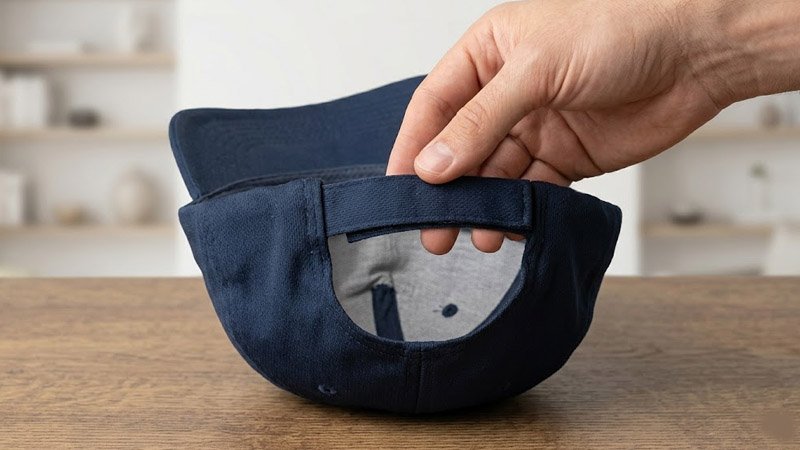
Polyester is known for durability, shape retention, and resistance to wrinkles, which is why it is widely used in sports caps, fashion hats, promotional headwear, and custom branded caps. However, that does not mean a polyester hat will keep the exact same fit forever.
A hat may feel looser over time because:
- the sweatband has relaxed after repeated wear
- the crown has softened from moisture and use
- the hat has lost some of its original shape
- washing or drying has slightly altered the structure
- the cap was always a little large to begin with
In many cases, the issue is not dramatic stretching. Instead, the hat simply loses the firm, close fit it had when new.
Can Polyester Actually Shrink?
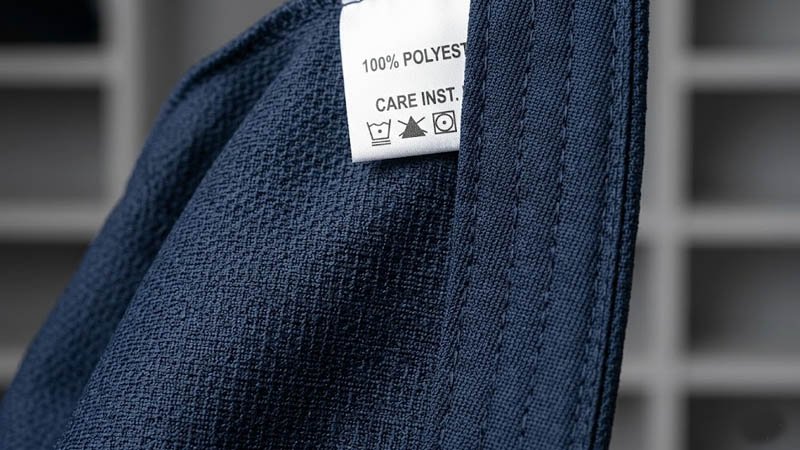
Yes, but only to a degree.
Polyester is a synthetic material, so it is much more resistant to shrinkage than natural fibers. That means you should not expect dramatic size reduction. In most cases, what you are really doing is helping the hat shrink slightly while also reshaping it so it fits better.
This is an important distinction. A polyester hat often becomes “smaller” not because it shrinks heavily, but because the fabric, sweatband, and crown settle into a tighter and better-shaped form.
That is why gentle methods usually work better than extreme ones.
Check Your Hat Before You Start
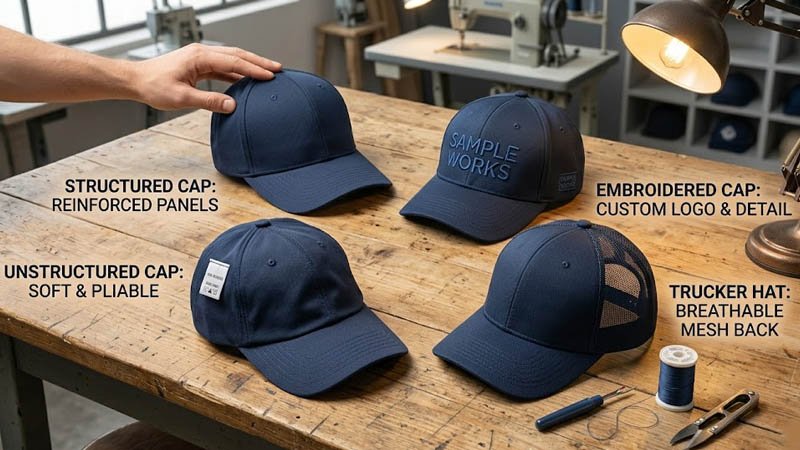
Before trying to make a polyester hat smaller, take a close look at how it is made.
A polyester hat is usually easier and safer to adjust if it has:
- a soft or lightly structured crown
- simple construction
- no glued-on patches
- no delicate decoration
- a flexible brim
You should use extra caution if the hat has:
- thick embroidery
- heat-transfer logos
- stiff front panels
- mesh backing
- specialty trims
- a firm structured crown
Not every polyester hat reacts the same way to heat or moisture. A basic sports cap, a trucker hat, and a structured promotional cap may all behave differently during the adjustment process.
How Much Smaller Can a Polyester Hat Get?
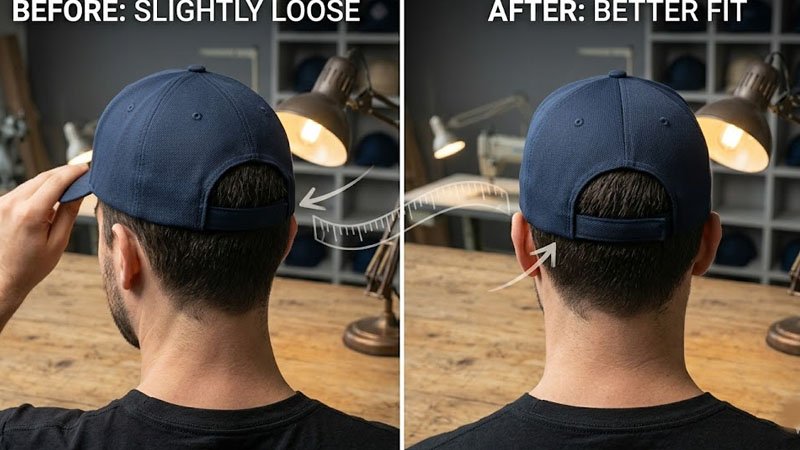
This depends on the hat’s fabric blend, construction, and current condition.
If the hat is only slightly loose, you can often improve the fit successfully. If the hat is much too large, however, polyester usually will not shrink enough to solve the problem completely.
In most cases, you should expect:
- slight shrinkage
- better shape retention
- a tighter sweatband feel
- improved overall fit rather than major size reduction
The most effective mindset is not “How can I drastically shrink this hat?” but rather “How can I reduce looseness safely and restore a better fit?”
The Safest Ways to Make a Polyester Hat Smaller
There is no single best method for every cap. The right option depends on how loose the hat is and how delicate its construction may be.
1. The Warm Shower Method
This is the gentlest method and a good starting point for hats that are only a little loose.
Best for:
- slight looseness
- everyday polyester caps
- lightly structured hats
- low-risk adjustment
How to do it:
- Put the hat on your head.
- Take a warm shower while wearing it, or expose it to warm steam.
- Let the hat become damp, not heavily soaked.
- Keep wearing it while it begins to dry.
- If needed, use a hairdryer on medium heat from a safe distance to finish drying.
Why it works:
Warm moisture softens the fibers slightly. As the hat dries on your head, it settles into a shape that follows your head more closely.
What to keep in mind:
This method is best for minor fit correction, not major shrinkage. It is safe, simple, and usually the best place to start.
2. Hot Hand-Wash Method
If the hat needs a little more adjustment, hand-washing in hot water gives you more control.
Best for:
- moderate looseness
- polyester hats without fragile decorations
- users who want a controlled method
How to do it:
- Fill a basin with hot water, but do not use boiling water.
- Add a small amount of mild detergent if needed.
- Soak the hat for 10 to 15 minutes.
- Remove it and rinse lightly with cooler water.
- Press out excess moisture gently.
- Wear the hat while drying, or place it on a rounded object similar to head size.
Why it works:
Hot water helps relax the fibers and allows slight shrinkage while the drying phase helps reset the shape.
What to keep in mind:
This method offers a better balance of control and effectiveness than machine washing. For many polyester hats, this is one of the best options.
3. Washer and Dryer Method
This is the strongest common at-home method, but it is also the riskiest.
Best for:
- simple polyester hats
- more noticeable looseness
- caps without delicate logos or stiff structure
How to do it:
- Put the hat inside a garment bag.
- Wash it using warm or hot water with mild detergent.
- Transfer it to the dryer on medium heat.
- Check the hat every 5 to 10 minutes.
- Remove it as soon as the fit improves.
- Reshape it immediately by hand while still warm.
Why it works:
The combination of heat, moisture, and tumbling can tighten the fabric and sweatband more than gentler methods.
What to keep in mind:
This method can damage the hat if left too long. Do not use high heat, and do not treat this as a “set it and forget it” process.
4. Hairdryer Spot Adjustment
This method is ideal when only one area of the hat feels loose.
Best for:
- minor spot adjustment
- sweatband areas
- crown edges
- final shaping after another method
How to do it:
- Lightly dampen the loose area.
- Use a hairdryer on medium heat.
- Keep the dryer moving continuously.
- Shape the area gently with your hands as it dries.
Why it works:
Targeted heat allows you to tighten one area without stressing the whole hat.
What to keep in mind:
This is a fine-tuning method, not a complete solution for an oversized cap.
Quick Guide: Which Method Should You Choose?
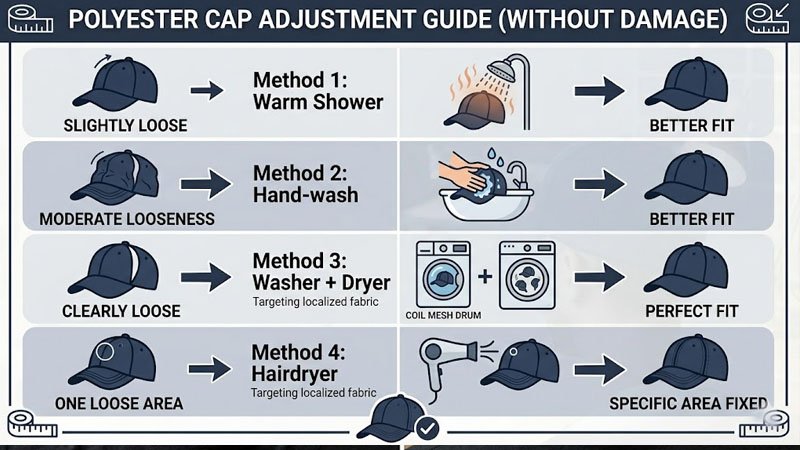
If your polyester hat is only slightly loose, start with the warm shower method.
If it needs moderate adjustment and you want better control, choose the hot hand-wash method.
If the hat is clearly too loose and has a simple structure, the washer and dryer method may help more, but it comes with greater risk.
If only one part of the hat feels loose, use the hairdryer spot-adjustment method.
The safest rule is always the same: start with the gentlest method first and only move to stronger methods if needed.
Common Mistakes to Avoid
Using Too Much Heat
Too much heat can warp the brim, distort the crown, affect the logo, or create shine marks on the fabric. Polyester should be treated with moderate heat, not extreme heat.
Using Boiling Water
Boiling water is too harsh for most polyester hats. It can damage structure and reduce the clean appearance of the cap.
Skipping Fit Checks
Do not wait until the entire process is finished before checking the fit. Small changes happen quickly, especially in the dryer.
Ignoring the Hat’s Construction
Structured caps, mesh-back hats, and hats with decorative applications should not be treated like simple plain polyester caps.
Expecting Large Shrinkage
Polyester can usually be adjusted a little, but not dramatically. A better fit is often the result of both slight shrinkage and reshaping.
When You Should Be More Careful
Some hats require extra caution, including:
- caps with embroidered logos
- hats with heat-transfer graphics
- trucker hats with mesh panels
- structured front-panel caps
- premium custom hats with reinforced shape
- hats with decorative patches or trims
If the hat is expensive, highly customized, or important for brand presentation, test the gentlest method first.
Why Construction Matters More Than Many People Realize
Many people assume that all polyester hats behave the same way, but that is not true. In reality, the way a hat responds depends not only on fabric but also on panel structure, sweatband quality, logo application, and finishing.
A soft unstructured cap may respond well to reshaping, while a heavily structured cap may keep its size but lose its visual form if treated too aggressively. Likewise, a hat with embroidery may tolerate gentle adjustment better than one with glued patches or heat-sensitive decoration.
For brands developing custom caps, long-term fit consistency often starts with the right material choice and production control. GUANGZHOU EASTLUCKY Hat & Garment Co., Ltd. is a high-end custom hat and OEM/ODM manufacturer based in Guangzhou, China, with 15 years of expertise in professional R&D, production, and distribution of various hats and embroidered accessories, providing one-stop solutions from design sampling to mass production for global clients.
Final Thoughts
If you want to make a polyester hat smaller without damaging it, the safest approach is gradual adjustment. Polyester does not shrink dramatically, but it can often be tightened slightly and reshaped effectively with the right method.
Start with the gentlest option, pay attention to the hat’s construction, and avoid excessive heat. In many cases, a careful process will give you a noticeably better fit while preserving the hat’s appearance and structure.
The goal is not to force dramatic shrinkage. The goal is to improve the fit without ruining the hat.
FAQs
Can you make a 100% polyester hat smaller?
Yes, but usually only slightly. A 100% polyester hat may respond to heat and moisture, but results are often moderate rather than dramatic.
Will a polyester hat shrink in the dryer?
It can shrink a little, especially when combined with washing, but dryers also create the highest risk of shape damage if the heat is too high or the drying time is too long.
Is steam safer than machine drying?
In many cases, yes. Steam or warm shower moisture is gentler and allows more control, especially for small fit adjustments.
Can I make a polyester hat smaller if it has embroidery?
Usually yes, but you should be more careful with heat and drying time. Delicate embroidery and decorative details should not be exposed to aggressive treatment.
What if the hat is much too big?
If the size difference is significant, shrinking may not solve the problem fully. Polyester hats are better for slight adjustment than major resizing.
How to Choose the Best Hat Color for Your Skin Tone, Outfit, and Occasion
Choosing the right hat color can make a bigger difference than most people expect. Because a hat sits close to your face, its color affects how your skin looks, how balanced your outfit feels, and how polished your overall style appears.
Many people choose a hat based only on personal preference, then realize later that the color does not feel quite right once they put it on. The reason is simple: a hat is not just an accessory. It frames your face, influences visual contrast, and often becomes one of the first things people notice in your outfit.
The best hat color is not always the boldest or trendiest one. It is the color that flatters your skin tone, works with your wardrobe, suits the occasion, and reflects the image you want to project. In this guide, we will break down how to choose the best hat color in a practical and stylish way.
Why Hat Color Matters
A well-chosen hat color can make your face look brighter, your outfit look more intentional, and your personal style feel more refined. A poor color choice can do the opposite. It can make your complexion appear dull, compete with your clothing, or make the whole look feel slightly off.
That is why choosing a hat color should be treated as part of the styling process, not as an afterthought. Whether you are wearing a baseball cap, bucket hat, beanie, fedora, or snapback, color plays a major role in the final result.
Step 1: Start with Your Skin Tone
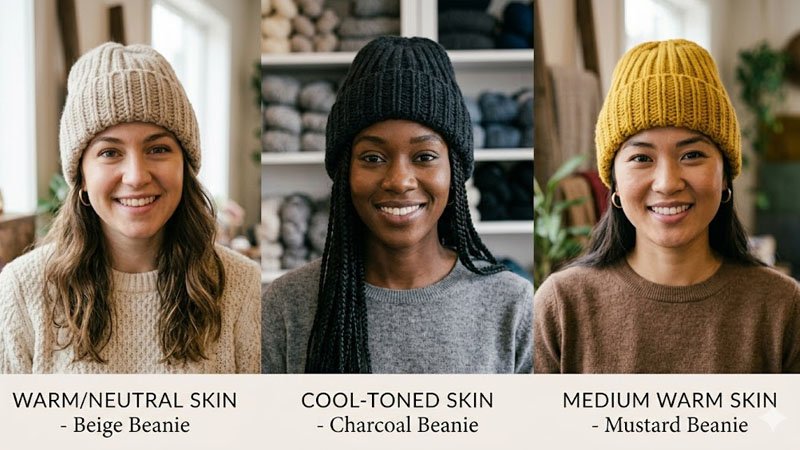
The easiest place to start is your skin undertone. In general, undertones fall into three categories: warm, cool, and neutral. Knowing your undertone can help you narrow down hat colors that naturally flatter your face.
Best Hat Colors for Warm Skin Tones
If your skin has yellow, peach, or golden undertones, you likely fall into the warm category. Warm skin tones usually look best in earthy, sun-inspired, and rich natural shades.
Good hat colors for warm skin tones include:
- camel
- beige
- brown
- mustard
- olive green
- rust
- terracotta
- warm red
These shades tend to bring warmth and life to the complexion. For example, a camel baseball cap paired with a cream T-shirt and dark denim can look effortless and flattering on someone with warm-toned skin.
Best Hat Colors for Cool Skin Tones
If your skin has pink, red, or bluish undertones, you are more likely to have a cool skin tone. Cooler complexions are often complemented by shades with blue or jewel-based depth.
Good hat colors for cool skin tones include:
- navy
- charcoal
- cool gray
- forest green
- burgundy
- plum
- lavender
- dusty rose
These colors create a cleaner contrast and often make cool-toned skin look brighter and more balanced. A navy cap or charcoal beanie is often a strong, reliable choice for people with cool undertones.
If you have a balance of warm and cool undertones, you likely have neutral skin. This gives you the most flexibility because both warm and cool shades can work well.
Good hat colors for neutral skin tones include:
- black
- beige
- taupe
- olive
- navy
- cream
- muted burgundy
- soft gray
If your undertone is neutral, focus less on strict color rules and more on the overall mood of the outfit.
How to Identify Your Undertone
If you are unsure about your undertone, here are a few simple ways to check:
Look at your veins.
Green-looking veins often suggest warm undertones. Blue or purple-looking veins usually suggest cool undertones. If it is hard to tell, you may be neutral.
Try on gold and silver jewelry.
Gold tends to flatter warm tones. Silver usually suits cool tones. If both look equally good, you may be neutral.
Pay attention to how your skin reacts to the sun.
If you tan easily, you may lean warm or neutral. If you burn quickly, you may lean cool.
Step 2: Consider Your Hair and Eye Color
Once you understand your skin tone, the next step is to consider your natural coloring. Hair and eye color can influence which hat shades feel soft and harmonious versus sharp and high-contrast.
Best Hat Colors by Hair Color
Blonde hair usually pairs well with softer shades such as light gray, dusty blue, cream, muted pink, and navy. Extremely harsh or neon colors can sometimes overpower lighter hair.
Brown hair works well with deeper, richer shades such as burgundy, forest green, chocolate brown, charcoal, and dark navy.
Black hair can handle crisp contrast very well. Black, white, camel, emerald, burgundy, and royal blue often create strong and stylish combinations.
Red hair looks especially good with earthy and autumn-inspired tones such as olive, rust, camel, warm brown, and deep green.
Best Hat Colors by Eye Color
Blue eyes are often enhanced by navy, gray, teal, and muted blue tones.
Green eyes tend to stand out with olive, brown, plum, and earthy shades.
Brown eyes work beautifully with burgundy, deep green, navy, and jewel tones.
Hazel eyes often pair well with bronze, olive, warm neutrals, and muted gold-inspired shades.
Your hat does not need to match your eyes or hair exactly. The goal is simply to create a balanced and flattering look.
Step 3: Match the Hat Color to Your Outfit
A hat should not only flatter your face. It should also work with the clothes you actually wear. If the color does not fit your wardrobe, it may look great in theory but sit unused in real life.
There are three simple ways to coordinate a hat color with your outfit.
Monochrome Styling
This approach uses a hat color that is similar to the rest of the outfit. It creates a clean, polished, and more minimal look.
Examples include:
- a black cap with a black bomber jacket
- a beige hat with a cream knit and tan trousers
- a navy cap with a navy overshirt or blazer
Monochrome styling is ideal if you want your look to feel refined without appearing too styled.
Contrast Styling
This method uses the hat to create visual tension and make the outfit more dynamic.
Examples include:
- a white cap with a dark jacket and black trousers
- a burgundy beanie with a gray sweater
- a navy cap with a light denim outfit
Contrast works especially well when the rest of the clothing is fairly simple. It helps the hat stand out without looking forced.
Accent Styling
In this case, the hat acts as the main pop of color in the outfit.
Examples include:
- a red cap with a white T-shirt and blue jeans
- a mustard beanie with a black coat and gray pants
- an olive cap with a beige overshirt and white sneakers
This can be a great approach if you like understated outfits but still want one detail to bring energy and personality.
Step 4: Choose Based on the Occasion
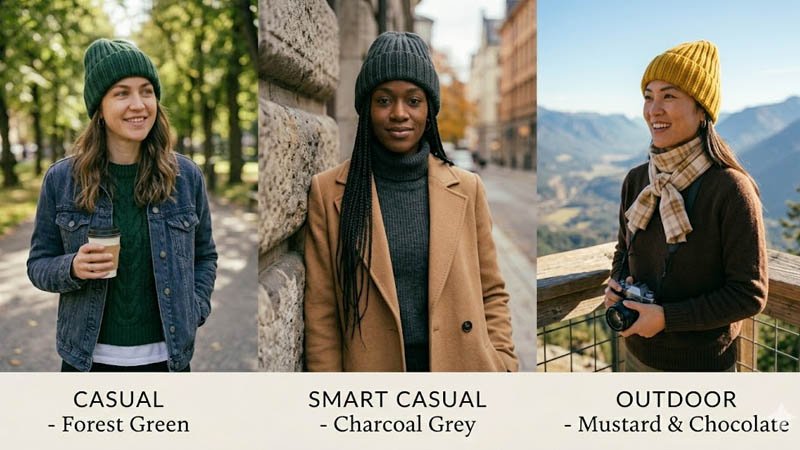
The best hat color also depends on where you plan to wear it. A shade that works for a weekend streetwear look may not feel right for a smart-casual event or a polished outdoor campaign.
Best Hat Colors for Everyday Casual Wear
For daily outfits, the most practical colors are usually the most versatile ones.
Safe and stylish choices include:
- black
- navy
- olive
- beige
- washed gray
- cream
- burgundy
These shades are easy to pair with denim, hoodies, jackets, T-shirts, and casual footwear. If you want one hat that works with most of your wardrobe, black, navy, or olive is often the best place to start.
Best Hat Colors for Smart-Casual or More Polished Looks
If you want a hat to feel more refined, darker and more understated colors tend to work best.
Strong choices include:
- black
- charcoal
- navy
- camel
- deep brown
- dark olive
- burgundy
These shades pair more naturally with tailored coats, knitwear, boots, and structured pieces. They also tend to look more mature and intentional than overly bright colors.
Best Hat Colors for Outdoor Activities
Outdoor hats need to work visually and practically. In warm weather, lighter colors can feel more seasonally appropriate and often reflect sunlight better.
Good outdoor choices include:
- white
- khaki
- sand
- beige
- light gray
- soft olive
For more rugged or utility-driven looks, deeper practical shades such as navy, olive, and charcoal can also work well, especially because they hide dust and wear more easily.
Step 5: Think About the Season
Season has a surprisingly strong effect on how natural a hat color feels.
Best Hat Colors for Spring and Summer
In warmer months, lighter and fresher colors usually feel more appropriate. These shades create an airy, relaxed look and tend to photograph well in natural light.
Good spring and summer hat colors include:
- white
- cream
- beige
- sand
- sky blue
- light gray
- soft olive
- pastel tones
A beige or cream cap is especially useful in spring and summer because it feels fresh without being too bright.
Best Hat Colors for Fall and Winter
During cooler months, richer and deeper shades usually feel more grounded and seasonally consistent.
Good fall and winter hat colors include:
- burgundy
- forest green
- mustard
- chocolate brown
- charcoal
- navy
- dark olive
- black
These tones work well with heavier fabrics such as wool, fleece, denim, and thicker outerwear.
The Safest Hat Colors If You Are Unsure
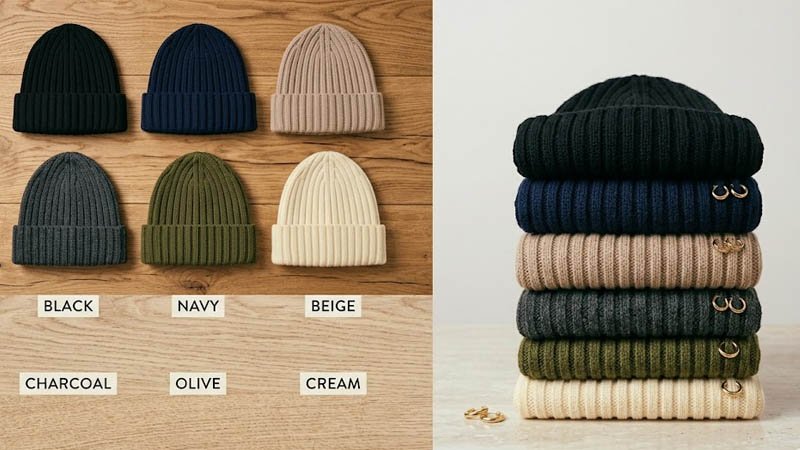
If you are buying your first hat or want a color that works with almost everything, start with the most versatile options.
The safest hat colors are:
- black
- navy
- beige
- charcoal gray
- olive green
- cream
These shades are reliable because they work across seasons, match a wide range of outfits, and suit many different personal styles. They may not always be the boldest choice, but they are usually the most useful.
When Bold Hat Colors Work Best
Bold hat colors can look fantastic when styled with intention. Bright tones are especially effective when you want the hat to become the focal point of the outfit.
Good situations for bolder hat colors include:
- music festivals
- travel outfits
- streetwear looks
- sports-inspired styling
- fashion-forward casual wear
Examples of bolder choices include:
- bright red
- cobalt blue
- mustard yellow
- orange
- emerald green
The key is balance. If your hat is vivid, the rest of the outfit should usually be simpler. A bright red cap with a white T-shirt and classic denim feels confident. A bright red cap with several competing statement pieces often feels too busy.
Choosing Hat Colors for Branding and Custom Orders
If a hat is being designed for a brand, team, event, or promotional campaign, color choice is about more than personal style. It also affects logo visibility, perceived quality, and how widely the hat will appeal to the target audience.
In custom production, neutral shades such as black, navy, beige, charcoal, and olive are often the safest choices because they are versatile, commercially proven, and easier to pair with embroidery or printed branding. High-contrast combinations also tend to perform best for logo clarity. As a professional OEM/ODM manufacturer, GUANGZHOU EASTLUCKY Hat & Garment Co., Ltd. understands that the right hat color is not only a fashion decision, but also an important factor in sampling, branding presentation, and the overall success of a finished product across different markets.
Common Mistakes to Avoid
Even a good outfit can be weakened by the wrong hat color. Here are some common mistakes people make.
Choosing a Color Only Because It Is Trendy
A color may look great in photos or on social media, but that does not mean it will suit your skin tone, wardrobe, or daily use.
Ignoring Your Face and Complexion
Because a hat sits so close to the face, it can either brighten your features or make them look dull. This is why flattering always matters more than trend.
Buying a Color That Matches Only One Outfit
Unless the hat is for a very specific event or look, choose a color that works with at least several pieces already in your wardrobe.
Going Too Bold Without Balance
Bright hats are effective when the rest of the outfit supports them. If everything is competing for attention, the result can feel messy rather than stylish.
Forgetting Practical Use
Light colors may feel fresh, but they can show dirt more easily. Very dark colors may feel polished, but they can absorb more heat in direct sun. Style and function should work together.
Final Thoughts
The best hat color is not the same for everyone. It depends on your skin tone, natural coloring, wardrobe, occasion, and personal style. Still, the process becomes much easier when you break it down step by step.
Start with what flatters your face. Then think about what fits your clothing, the season, and the setting where you plan to wear it. If you want the safest all-around options, choose black, navy, beige, gray, or olive. If you want more personality, move toward burgundy, mustard, forest green, or other richer shades that still feel wearable.
A great hat color does more than complete an outfit. It helps define it. When the shade feels right on you and works naturally with the rest of your style, the whole look becomes more confident, balanced, and memorable.
FAQs
What is the most versatile hat color?
Black, navy, beige, and charcoal gray are usually the most versatile hat colors because they work with many outfits and across different seasons.
What hat color goes with everything?
Neutral shades such as black, beige, cream, gray, and navy are the easiest to style with a wide range of casual and smart-casual outfits.
Which hat color is most flattering?
The most flattering hat color depends on your skin tone and natural coloring. Warm undertones often suit earthy colors, while cool undertones tend to look better in jewel tones, navy, and cool grays.
Is black the best hat color?
Black is one of the safest and most versatile choices, especially for everyday wear, but it is not automatically the best for everyone. Some people look softer and more balanced in navy, beige, or olive.
Are light or dark hats better?
Light hats are often better for spring, summer, and outdoor wear, while dark hats usually feel more polished and are easier to style in fall and winter.
Structured vs. Unstructured Hats: What’s the Difference and Which One Should You Choose?
When shopping for a baseball cap, you’ve probably come across the terms structured and unstructured hats. But what do they actually mean—and which one is the better choice for your style, comfort, or brand?
Choosing between a structured and unstructured hat can significantly affect how it looks, feels, and complements your overall appearance. The right cap not only improves comfort but can also enhance brand visibility and personal style.
Whether you’re buying a hat for everyday wear, a sports team, or custom merchandise, understanding the difference helps you make a smarter choice.
Table of Contents
-
Definitions & Core Differences
-
Design & Fit
-
Style, Branding & Decoration
-
Comfort, Durability & Packability
-
Structured vs. Unstructured Hats Comparison
-
When to Choose Each Style
-
Conclusion
-
FAQs
Definitions & Core Differences
The main difference between structured and unstructured hats lies in the support of the front crown panels.
Structured hats feature reinforcement inside the front panels—usually made from buckram or foam. This internal support keeps the crown standing upright and helps the hat maintain a crisp, defined shape even when it’s not being worn. Because of this, structured caps often have a more athletic or professional appearance.
Unstructured hats, on the other hand, do not include this stiffening material. Without reinforcement, the crown becomes soft and collapsible. This results in a relaxed fit and the well-known “dad hat” style, which naturally molds to the shape of your head over time.
Between these two styles, you may also find semi-structured hats, which offer a lighter level of support while still maintaining some flexibility.
Quick recap:
-
Structured hats: Firm front panels, maintain shape, sportier appearance
-
Unstructured hats: Soft crown, collapsible structure, casual style
-
Semi-structured hats: Balanced feel with mild shape support
Design & Fit
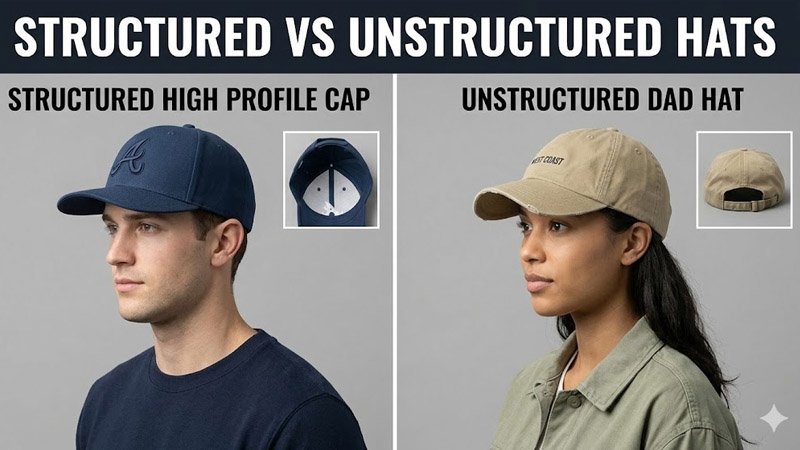
The internal structure of a hat directly affects how it fits and sits on your head.
Structured hats often create a higher profile, meaning the crown sits taller and holds a defined silhouette. This design gives the cap a more prominent look and helps logos remain visible from a distance. Because of this, structured caps are commonly used for sports teams, uniforms, and branded merchandise.
Unstructured hats generally have a lower and softer profile. Without the stiff crown, the hat follows the natural shape of your head, creating a relaxed and comfortable fit.
Typical pairings include:
-
Low-profile unstructured caps: Popular for dad hats and casual lifestyle wear
-
Mid- or high-profile structured caps: Common in sports caps, promotional hats, and uniforms
Style, Branding & Decoration
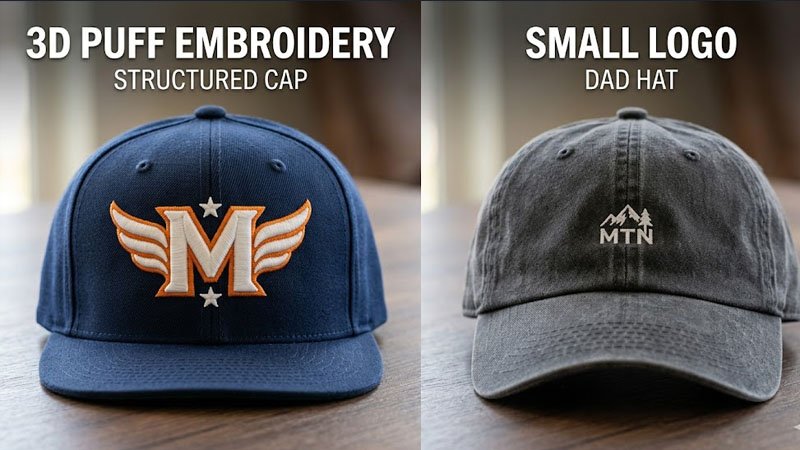
The structure of a hat also influences how well it displays branding and design elements.
Structured hats offer a flat and stable front panel, which makes them ideal for bold embroidery, 3D puff logos, large patches, or detailed branding. Because the crown maintains its shape, logos remain clean, visible, and professional-looking.
Unstructured hats, by contrast, provide a softer surface that works better for subtle or minimalist designs. Smaller logos or simple embroidery tend to complement this style, making it popular among lifestyle brands, outdoor labels, and casual fashion collections.
For businesses planning custom hats with precise logo placement and consistent quality, working with experienced manufacturers is essential. GUANGZHOU EASTLUCKY Hat & Garment Co., Ltd., based in Guangzhou, China, has over 15 years of experience in high-end custom hats and OEM/ODM manufacturing, offering complete solutions from design sampling to mass production for global brands.
Comfort, Durability & Packability
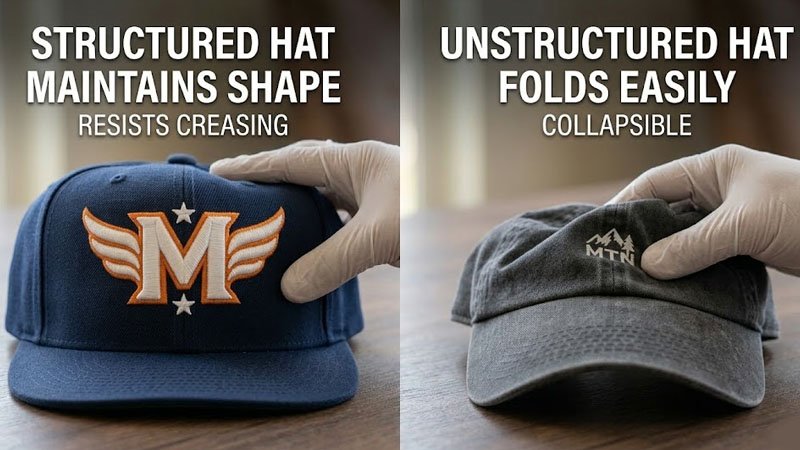
Comfort is another factor that separates structured and unstructured hats.
Unstructured hats are usually soft from the first wear, giving them a broken-in feel right away. Because they lack stiff reinforcement, they can also be folded or packed easily, making them convenient for travel or outdoor activities.
Structured hats are more rigid due to the reinforced crown. While they may feel slightly firm when new, they tend to maintain their shape longer, even after frequent use. This durability helps the hat look newer and more polished over time.
However, structured hats are less flexible when packing and should be stored carefully to preserve their shape.
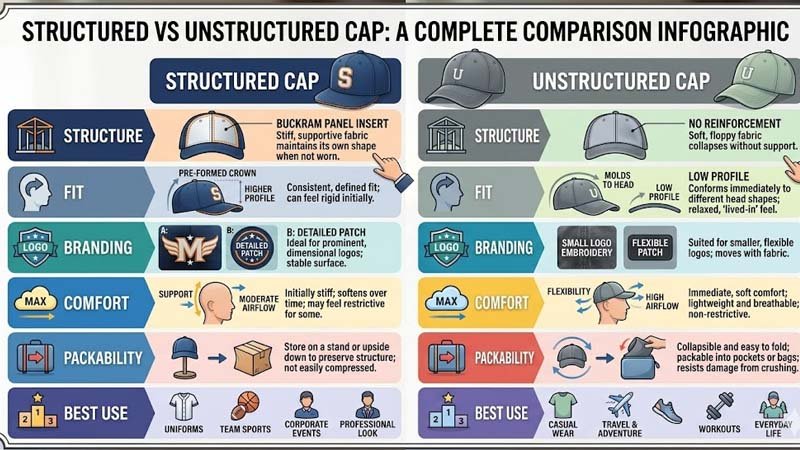
| Feature |
Structured Hats |
Unstructured Hats |
| Crown Support |
Reinforced with buckram or foam |
No stiffener; crown collapses when not worn |
| Appearance |
Crisp, firm, athletic look |
Relaxed, casual “dad hat” style |
| Profile Options |
Often mid or high profile |
Usually low profile |
| Branding Space |
Firm front ideal for bold embroidery or patches |
Softer front better for subtle logos |
| Comfort |
Slightly firm, may require break-in |
Soft and comfortable from day one |
| Shape Durability |
Maintains structure over time |
Adapts to head shape with wear |
| Packability |
Less flexible, needs careful storage |
Easy to fold or pack |
| Best Use |
Sports teams, uniforms, retail branding |
Lifestyle wear, travel, casual fashion |
When to Choose Each Style
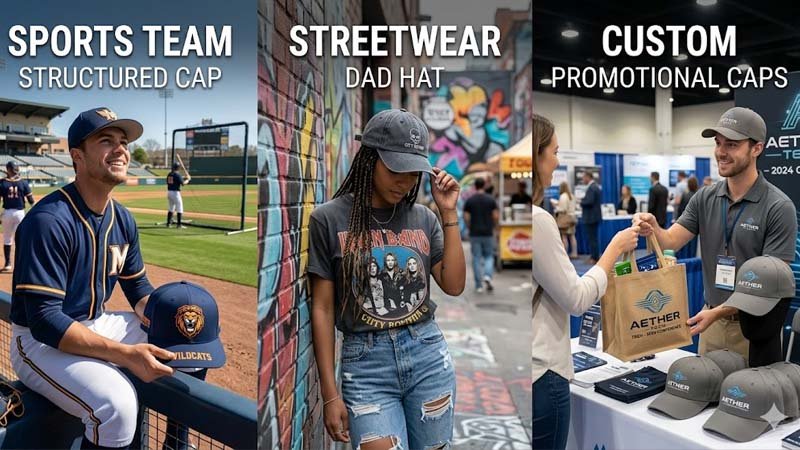
Choosing the right hat depends on your purpose and style preference.
Choose a Structured Hat If You Want:
-
A polished and professional appearance
-
Strong logo visibility for branding
-
Caps for sports teams or staff uniforms
-
Consistent shape for promotional products
Choose an Unstructured Hat If You Prefer:
Both styles have their advantages, so the best option depends on how the hat will be used.
Conclusion
Understanding the difference between structured and unstructured hats helps you choose the right cap for your needs. Structured hats provide a crisp, bold appearance that works well for branding and professional use, while unstructured hats deliver a relaxed, comfortable fit ideal for everyday wear.
Whether you’re selecting hats for personal style, retail merchandise, or corporate branding, choosing the right structure ensures the final product matches your vision.
FAQs
Can structured hats be made from the same materials as unstructured hats?
Yes. Both styles can use fabrics such as cotton twill, polyester, canvas, or blended materials. The difference lies in the internal crown support rather than the fabric itself.
Are unstructured hats better for hot weather?
Not necessarily. Breathability depends more on fabric type and ventilation features like eyelets or mesh panels rather than the hat’s structure.
Do structured hats fit larger than unstructured hats?
The fit usually depends on the hat’s profile and closure system rather than the structure. Adjustable straps, snapbacks, or fitted sizes determine how the hat fits.
Can I wash a structured hat in the washing machine?
Machine washing is generally not recommended, as it can damage the crown structure. Hand washing is usually the safest option.
Are semi-structured hats common in the market?
Yes. Semi-structured hats are widely available and provide a balance between firmness and flexibility.
Sweat Stains on Custom Hats: Expert Cleaning and Prevention Tips for Brands & Manufacturers
Sweat stains are one of the most common challenges for brands and manufacturers in the custom hat industry. Whether it’s for outdoor workwear, sports events, or fashion, sweat stains not only damage the appearance of hats but can also lead to customer complaints, returns, or product degradation. As a leading custom hat manufacturer with over 15 years of expertise, GUANGZHOU EASTLUCKY Hat & Garment Co., Ltd. understands the importance of keeping your hats looking pristine and durable.
This expert guide will provide brands and manufacturers with the following insights:
-
Why sweat stains form and how they affect custom hats
-
A 60-second diagnostic guide to choose the best cleaning method
-
Material-specific cleaning and prevention techniques
-
Common cleaning mistakes and how to fix them
-
Proactive strategies for preventing sweat stains during manufacturing (OEM/ODM insights)
Why Sweat Stains Form (And How They Affect Custom Hats)
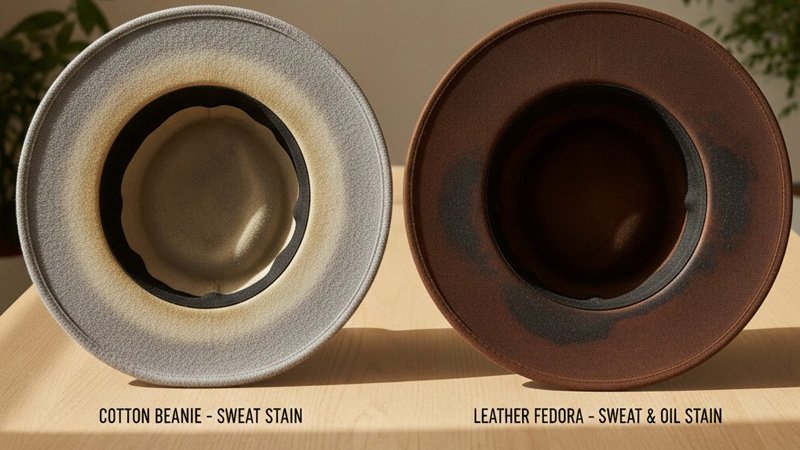
Sweat is more than just water. It contains salt, oils, acids, and microorganisms. When sweat interacts with fabric fibers, it can leave yellow or brown stains. These stains are often a combination of:
-
Salt: Forms white, crusty rings on lighter-colored hats
-
Oils: Combine with heat and sunlight to cause yellow/brown discoloration
-
Bacteria and Microorganisms: Contribute to persistent odors and mold growth in damp hats
For brands and manufacturers, this is crucial to understand. Sweat stains not only affect the appearance but can also degrade the fabric over time, weakening the structure and causing premature wear.
60-Second Diagnostic: Choose the Right Cleaning Method
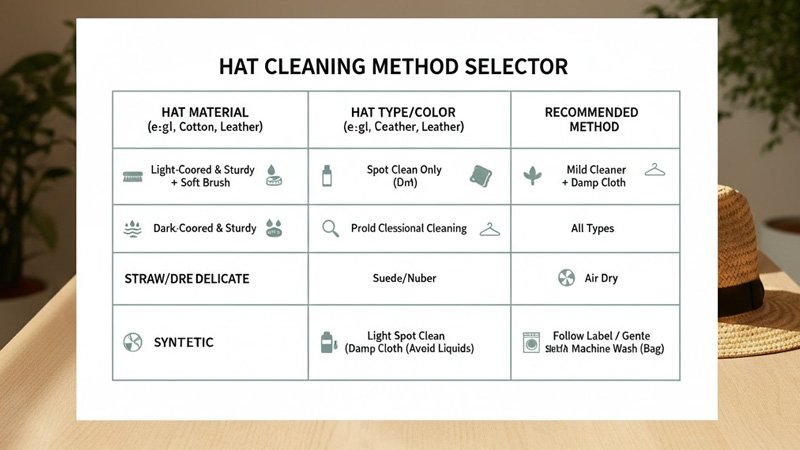
Before cleaning your custom hats, consider the following three factors:
-
Material
-
Color
-
Light (white, light-colored cotton)
-
Dark (navy, black)
-
Mixed (two-tone, contrasting sweatbands)
-
Construction
-
Structured Crown (with buckram or plastic inserts)
-
Embroidered Logos (dense stitching or 3D)
-
Printed Logos (heat transfer, screen print)
-
Brim Type (plastic insert, cardboard brim)
Tip: For hats with a structured crown or embroidery, it’s best to spot clean rather than soak to avoid distorting the shape or damaging the threads.
1) Cotton, Canvas, Twill (Common for Retail and Promotional Hats)
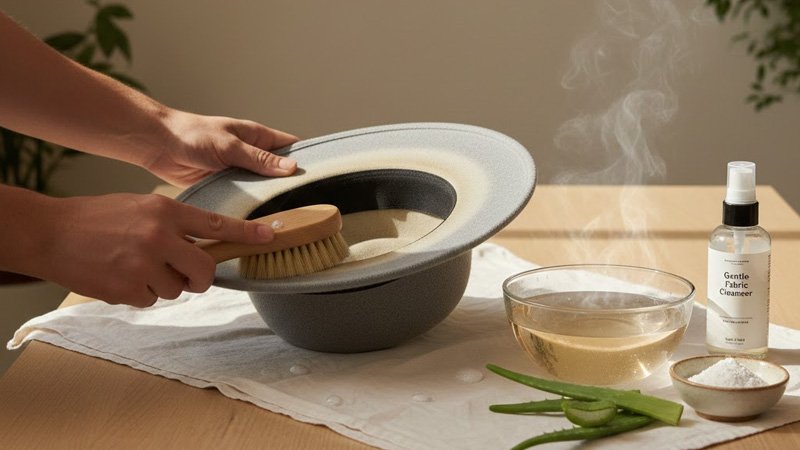
Best for: Classic caps, dad hats, workwear caps
Mild Cleaning Method (Light–Medium stains)
-
Mix: 250 ml lukewarm water + 1 tsp mild soap
-
Apply with a cloth or soft brush to the stained area.
-
Brush in one direction to prevent fabric distortion.
-
Wipe with a clean damp cloth to remove soap residue.
Deep Cleaning Method (Medium–Heavy stains)
-
Mix: 250 ml warm water + 1 tbsp baking soda
-
Apply to the stain, let it sit 10–15 minutes, then gently scrub.
-
Rinse and air dry in a shaded area to avoid sunlight damage.
Brand Tip: Cotton and canvas hats are durable, but if the crown is structured, soaking may cause it to lose shape. Always air dry with support (like a towel inside the crown) to maintain its structure.
2) Polyester & Performance Fabrics (For Sports and Outdoor Wear)
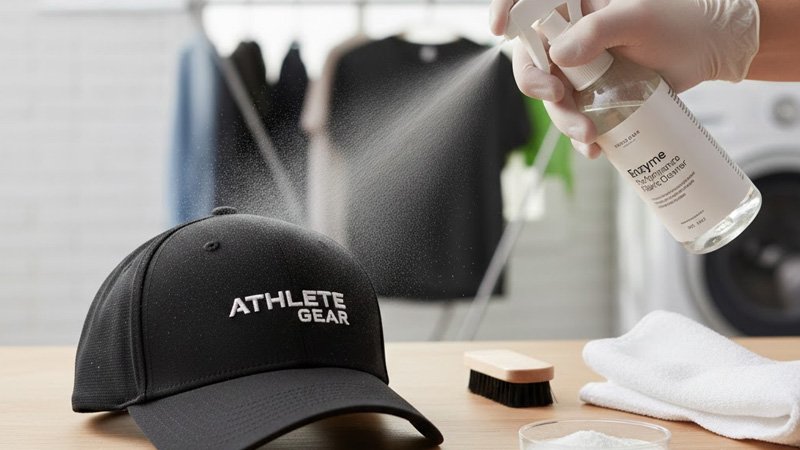
Best for: Lightweight running caps, quick-dry caps, mesh-backed hats
SOP
-
Use a mild soap solution or enzyme-based detergent (for oily stains).
-
Apply with a soft cloth, focusing on sweatbands and stain areas.
-
Rinse with water, then wipe clean—do not soak or scrub.
-
Air dry and reshape.
Note: Some performance fabrics have printed logos—use caution when cleaning. Avoid strong detergents or excessive scrubbing that can damage heat transfer prints.
3) Wool Felt (For Premium Fedoras, Bucket Hats)
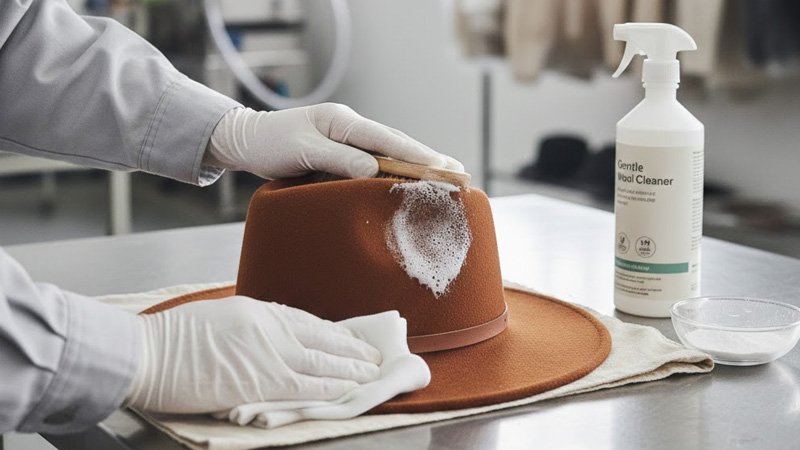
Best practice: Professional dry cleaning for delicate wool felt.
Spot Clean Method
-
Use a wool-safe cleaner on a damp cloth.
-
Gently dab the stain; do not saturate the fabric.
-
Air dry while maintaining the shape of the hat.
Tip: Avoid harsh chemicals, as they can cause felt to shrink or distort. Always check care labels for specific wool cleaning instructions.
4) Leather & Suede Hats (For Premium Collections)
Best for: Leather and suede fedoras, biker hats, high-end fashion caps
Leather Cleaning Method
-
Wipe the leather with a damp cloth.
-
Apply a leather cleaner using gentle circular motions.
-
Condition the leather with a leather balm or conditioner to prevent drying and cracking.
-
Air dry in a shaded area, never under direct heat.
Note: Do not soak leather or use abrasive brushes. Leather can become damaged if exposed to harsh chemicals.
5) Straw Hats (For Summer Programs, Resort Collections)
Best for: Lightweight, breathable summer hats
Straw Hat Cleaning Method
-
Gently brush off dust and debris with a soft brush.
-
For stains, mix mild soap and water, and dab the stain carefully (do not oversaturate).
-
Reshape and air dry in a shaded area.
Caution: Never fully immerse straw hats in water, as this can cause them to warp or lose shape.
Preventing Sweat Stains in Custom Hats
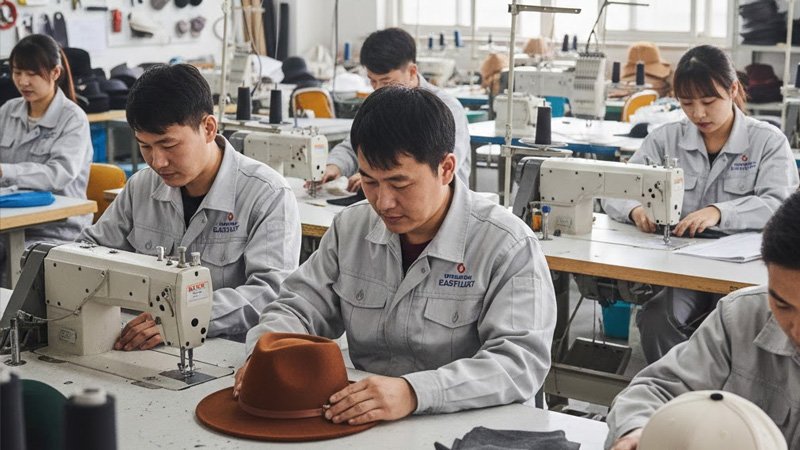
Prevention is always better than cure—especially when designing custom hats for high-wear scenarios. Here are some expert tips for manufacturers and brands:
1) Upgrade Sweatband Materials
-
Opt for moisture-wicking sweatbands to absorb perspiration before it reaches the hat.
-
Dark-colored sweatbands help conceal stains, reducing the risk of visible discoloration.
-
Consider anti-odor treatments in high-performance fabrics.
2) Design for Breathability
3) Choose Stain-Resistant Fabrics
-
Select materials and finishes that resist oil absorption, keeping sweat marks from setting.
-
Consider pre-treated fabrics that offer stain resistance and are easier to clean.
4) Offer Replaceable Sweatbands
5) Provide Clear Care Instructions
How GUANGZHOU EASTLUCKY Can Help: Custom Hat Solutions
With 15 years of experience in high-end custom hat manufacturing and OEM/ODM services, GUANGZHOU EASTLUCKY Hat & Garment Co., Ltd. provides comprehensive solutions for your custom headwear needs. From design to mass production, we assist brands in creating premium hats that are durable, easy to maintain, and sweat-resistant.
If you’re developing a line for high-wear, outdoor, or promotional use, our R&D team can offer expert advice on materials, construction, and sweat-stain prevention techniques. We can help you integrate:
-
Sweat-resistant materials
-
Breathable designs
-
Durable embroidery and print solutions
-
Customized sweatbands and protective features
Conclusion
Sweat stains are a common issue, but with the right cleaning methods and proactive design choices, you can maintain the appearance and longevity of your custom hats. Whether you are designing for sports, workwear, or promotions, understanding the best care practices and prevention strategies is key to keeping your products looking fresh and high-quality for your customers.
Looking for durable, sweat-resistant hats for your brand? GUANGZHOU EASTLUCKY Hat & Garment Co., Ltd. is here to help with tailored solutions for your custom headwear needs.
If you’d like, I can also provide:
-
A downloadable Hat Care SOP PDF for your customers
-
A comparison table (Materials × Cleaning Methods × Risks)
-
A B2B-friendly CTA section that helps convert leads into inquiries