Why Are Backward Hats So Popular?
At first glance, wearing a hat backward seems like a small styling decision. But its popularity tells a much bigger story.
Backward hats have remained visible for decades—not because they are complicated, expensive, or exclusive, but because they do something very few fashion details can do so easily: they change the meaning of an ordinary item. A standard cap worn forward looks practical and conventional. The same cap worn backward feels more relaxed, more personal, and often more expressive.
That is why backward hats have lasted far beyond a single trend cycle. What started as a practical adjustment in sports gradually became a cultural signal, then a fashion habit, and eventually a timeless part of casual style.
So why are backward hats so popular? The answer lies in a unique combination of function, attitude, media influence, and design versatility.
The Backward Hat Started with Function, Not Fashion
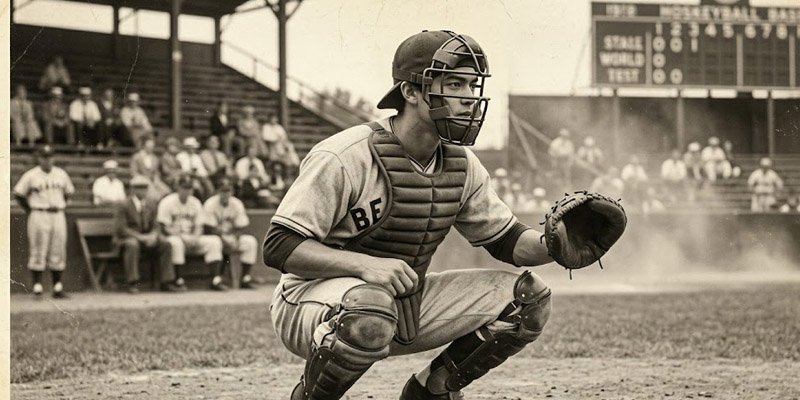
One of the main reasons backward hats became so influential is that they did not begin as an artificial trend. They began with a real purpose.
In the early history of baseball, players—especially catchers—sometimes turned their caps backward because the brim could interfere with face masks or limit convenience during movement. In those moments, wearing the hat backward was not about style at all. It was simply practical.
This origin matters because fashion often becomes more powerful when it grows out of real use. A style that begins with function tends to feel more natural than one invented only for visual effect. That practical beginning gave the backward hat authenticity long before it became part of mainstream culture.
In other words, people did not first wear hats backward to stand out. They wore them backward because, in certain situations, it made more sense. The cultural meaning came later.
Sports Helped Turn It into a Recognizable Look
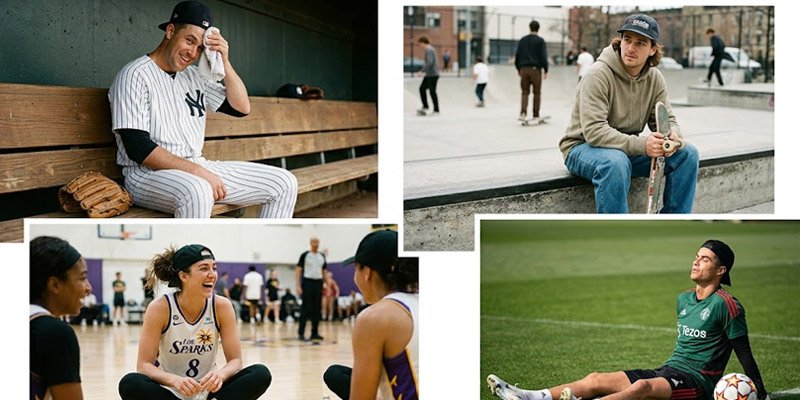
Once backward caps appeared in sports, they began to develop visual meaning.
Athletes have always had a strong influence on casual fashion, especially when sports move beyond competition and become part of everyday culture. Practice wear, travel outfits, and off-field appearances often shape how the public sees athletic style. A cap worn backward began to suggest motion, ease, and confidence. It looked less formal than a standard cap position and more spontaneous.
That image helped the look spread. Even people who were not athletes could understand what it communicated. A backward cap felt active, youthful, and informal. It looked like something worn by someone in motion, not someone dressing to follow rules.
This is one of the earliest reasons backward hats became popular: the style was simple, visible, and easy to imitate.
Popularity Grew Because It Was Easy to Copy
Many fashion trends fail because they are too expensive, too extreme, or too difficult for ordinary people to adopt. The backward hat succeeded for the opposite reason.
Anyone who owned a cap could wear it backward instantly. There was no need to buy a luxury item, follow a complicated styling formula, or change an entire wardrobe. That made the look accessible across age groups, social backgrounds, and style preferences.
This low barrier to entry is one of the strongest reasons the backward hat became so widely accepted. It gave people a way to signal attitude without much effort. The item itself stayed the same, but the message changed.
That is a powerful feature in fashion. When a small adjustment produces a noticeable difference in tone, the style becomes highly repeatable. Backward hats worked because they offered self-expression in one effortless move.
The 1990s Made Backward Hats a Cultural Symbol
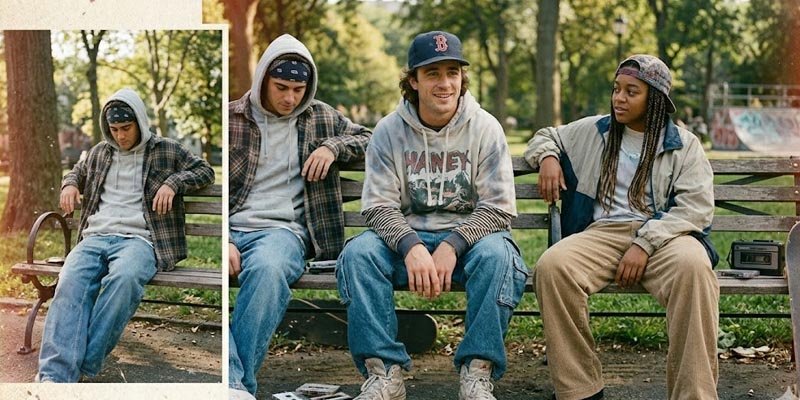
Although the backward hat began with utility, it became truly popular when popular culture gave it meaning.
By the 1990s, the look had clearly moved beyond sports and into music, television, and streetwear. At that point, wearing a cap backward no longer looked accidental. It became associated with youth culture, confidence, informality, and a subtle sense of rebellion.
This was an important transformation. A backward hat was no longer just a piece of headwear worn differently. It started to communicate identity.
In youth fashion, that matters a great deal. People are often drawn to styles that look casual but still say something. A backward hat suggested that the wearer was relaxed, self-directed, and not overly concerned with convention. It was rebellious in a mild but highly visible way.
That is one reason the look resonated so strongly with younger audiences. It did not feel polished or controlled. It felt natural, free, and personal.
Music, Television, and Celebrity Visibility Pushed It Even Further
Backward hats became even more popular because people kept seeing them in public culture.
When musicians, entertainers, athletes, and television personalities wore backward caps, they gave the look repeated visibility. More importantly, they placed it inside a broader style context. A backward cap often appeared with sneakers, denim, oversized silhouettes, team apparel, or street-inspired outfits. That made it feel like part of a complete lifestyle rather than an isolated styling trick.
Television helped normalize the look. Music culture helped energize it. Celebrity style helped commercialize it. Together, these forces transformed the backward hat from a specific subcultural gesture into a mainstream fashion image.
This stage is crucial in understanding why backward hats became so popular. Visibility alone is not enough. A style becomes durable when it is repeatedly attached to personalities and aesthetics people admire. The backward cap benefited from exactly that kind of cultural repetition.
Backward Hats Suggest Individuality Without Looking Too Hard
Another reason backward hats remain popular is that they offer a strong style signal without appearing forced.
Some fashion choices are dramatic. Others are subtle. The backward hat sits in a useful middle ground. It is noticeable, but not extreme. It changes the tone of an outfit without dominating the entire look.
That makes it especially attractive to people who want to appear casual, confident, or slightly unconventional without overstyling themselves.
This balance is important. A backward cap can suggest:
- ease
- youthfulness
- informality
- sporty confidence
- streetwear awareness
- personal attitude
And yet it can do all that with a very familiar object.
That is rare in fashion. The best long-lasting style details are often the ones that communicate personality without demanding too much attention. Backward hats achieve exactly that balance.
The Style Survived Because It Adapted to Different Fashion Eras
One reason backward hats never fully disappeared is that they kept evolving with the times.
In one era, they were closely associated with sports. In another, they became tied to hip-hop and street culture. Later, they appeared in skate style, celebrity casualwear, festival looks, and mainstream everyday fashion. More recently, they have remained relevant through social media, influencer styling, and the continued popularity of caps in general.
The backward hat survived because it was flexible enough to move between these worlds. It did not belong to only one group for very long.
That flexibility matters. Fashion accessories that stay confined to one subculture often fade when that subculture loses visibility. But backward hats adapted. They could be worn with athletic wear, graphic tees, denim jackets, hoodies, relaxed tailoring, or simple daily basics.
In other words, the backward hat remained popular because it kept changing its context without losing its identity.
It Still Feels Modern Because It Matches Today’s Fashion Values
Modern consumers often value comfort, authenticity, and versatility more than rigid dress rules. Backward hats fit perfectly into that shift.
Today, people are less interested in dressing according to strict standards and more interested in creating outfits that feel natural and personal. The backward cap supports that approach. It looks effortless. It feels familiar. And it allows the wearer to appear styled without seeming overly deliberate.
This is one reason the look continues to work across genders and generations. It is casual enough for daily wear, but expressive enough to remain visually interesting.
Its popularity also reflects the wider movement toward lifestyle dressing. People want clothing and accessories that work across multiple settings—outdoors, travel, casual work environments, events, and social content. A cap that can move between these settings while still looking relaxed has clear staying power.
Design Quality Also Plays a Big Role
Not all hats create the same visual effect when worn backward.
The popularity of backward hats is also connected to product design. Shape, crown structure, brim proportion, embroidery quality, fabric texture, and overall fit all influence how the cap looks from every angle. Since the back of the hat becomes more visible when worn this way, closure details, panel balance, stitching consistency, and finishing become even more important.
That is why premium cap manufacturing continues to matter. A backward hat may look effortless, but that effortless look depends heavily on good construction. For brands developing high-quality headwear collections, experienced manufacturing support can make a major difference from concept to final production. Companies such as GUANGZHOU EASTLUCKY Hat & Garment Co., Ltd., a high-end custom hat and OEM/ODM manufacturer based in Guangzhou, China, with 15 years of expertise in professional R&D, production, and distribution of various hats and embroidered accessories, provide one-stop solutions from design sampling to mass production for global brands.
Backward Hats Are Popular Because They Turn Utility into Identity
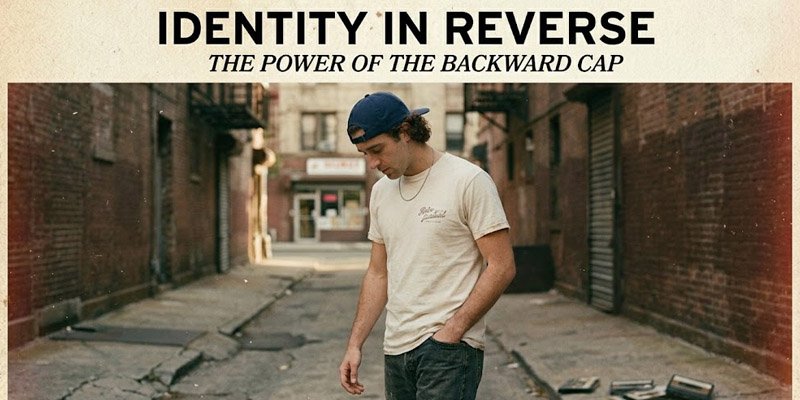
If we reduce the answer to its core, backward hats are popular because they transformed a practical adjustment into a lasting symbol of casual identity.
That transformation is what gives the style its longevity.
A cap worn backward is easy to understand visually. It suggests a different posture toward the same object. It says that the wearer is using something familiar in a more personal way. That small change creates a strong emotional and stylistic effect.
And because the change is so simple, it never becomes inaccessible. It remains open to reinterpretation by each new generation.
This is why backward hats continue to appear in so many different style environments. They are not just surviving as a leftover trend. They are surviving because they still perform a useful cultural function: they help people express ease, individuality, and confidence with almost no effort at all.
Will Backward Hats Stay Popular?
Most likely, yes.
The forms may evolve. Materials may improve. Branding, embroidery, sustainable fabrics, and hybrid silhouettes may continue to develop. But the basic appeal of the backward hat is unlikely to disappear anytime soon.
Its popularity rests on several durable strengths:
- it is easy to wear
- easy to recognize
- easy to personalize
- easy to pair with modern casual fashion
- and easy to reinterpret over time
Trends usually disappear when they are too narrow, too rigid, or too tied to one moment. The backward hat has avoided all three problems. It is broad, adaptable, and culturally familiar.
That is why it continues to return, remain, and reinvent itself.
Conclusion
Backward hats are popular for a simple reason: they do more than change the direction of a cap. They change the feeling of it.
What began as a practical solution in sports became a visual symbol of ease, youth, individuality, and cultural style. Over time, music, television, celebrity influence, and evolving fashion trends turned the backward cap into something much bigger than a functional accessory.
Its lasting appeal comes from its rare combination of accessibility and meaning. Anyone can wear a hat backward, but the effect is immediate: the same object suddenly feels more relaxed, more expressive, and more personal.
That is why backward hats remain popular today. They are one of the clearest examples of how fashion lasts—not when it tries too hard, but when a small, natural change gives an everyday object a whole new identity.