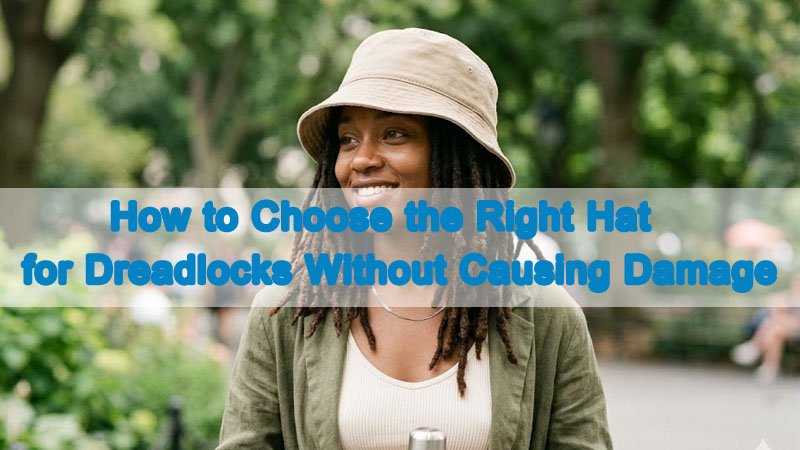
Choosing the right hat for dreadlocks is not just about style. For people with locs, the wrong hat can cause frizz, flatten the hair, create pressure on the roots, and even lead to breakage over time. The right hat, on the other hand, can protect your scalp, support your personal style, and help keep your dreadlocks comfortable in different weather conditions.
So, can people with dreadlocks wear hats? Absolutely. The key is choosing a hat that works with the size, shape, and texture of your locs instead of pressing against them.
In this guide, we will look at how hats affect dreadlocks, what features to look for, which materials and styles work best, and how to protect your hair while wearing hats regularly.
Why Choosing the Right Hat Matters for Dreadlocks
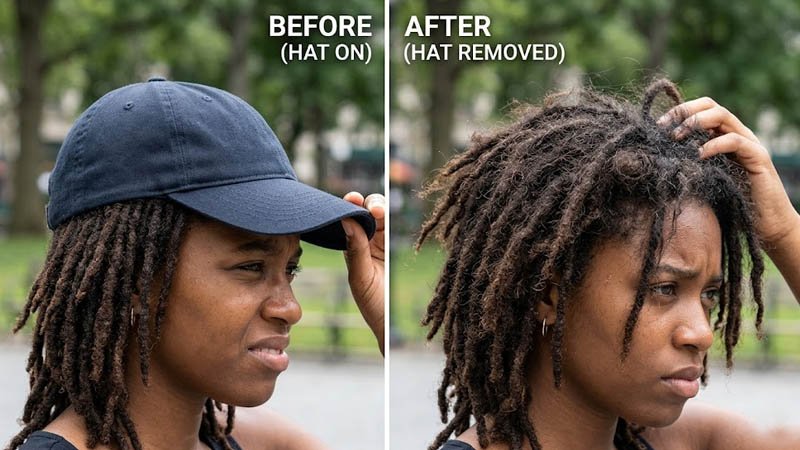
Not every hat is suitable for dreadlocks. A hat may look stylish on the outside, but if it is too tight, too shallow, or made with rough inner fabric, it can affect both the appearance and condition of your hair.
People with dreadlocks often deal with a few common issues when wearing the wrong hat:
Frizz from Friction
One of the biggest problems is friction. If the inside of the hat rubs against the surface of the locs, it can lift loose fibers and make the hair look fuzzy or messy. This is especially noticeable if you wear hats often or keep them on for long periods.
Flattening and Loss of Shape
Some hats do not have enough internal space for dreadlocks. When the crown is too shallow, the hat pushes down on the hair and causes the locs to flatten. Instead of looking full and defined, the hair may lose volume and shape.
Root Tension and Discomfort
A tight hat can place pressure on the scalp and hairline. Over time, this can create discomfort and strain at the roots. This is especially important for starter locs, fresh retwists, or tightly maintained locs, which are more sensitive to compression.
Heat and Sweat Buildup
Wearing a hat for hours can trap heat and moisture, especially if the material is not breathable. This can leave the scalp feeling hot, damp, or irritated, which is not ideal for healthy loc maintenance.
What Makes a Hat Dreadlock-Friendly?
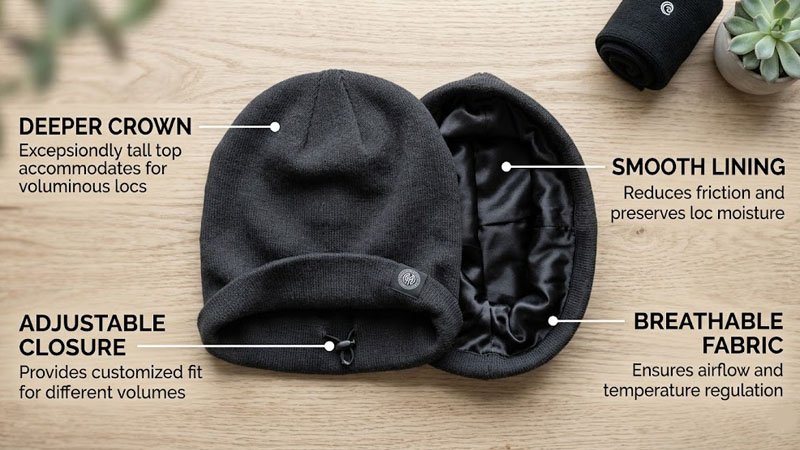
A good hat for dreadlocks should do more than look good. It should protect the hair, reduce friction, and provide enough room for the locs to sit naturally.
Here are the most important features to look for.
1. Enough Crown Depth
Crown depth is one of the most important details. A deeper crown gives dreadlocks more space and reduces pressure on the top of the head. This is especially important for medium, long, or thick locs.
If the crown is too shallow, the hat may flatten the hair and feel uncomfortable after a short time.
2. Adjustable Fit
Hats with adjustable closures are usually better than rigid fitted styles for people with dreadlocks. Snapbacks, strap-back caps, and other adjustable designs let you control how tight the hat sits on your head.
This helps reduce pressure around the roots and makes the hat easier to wear with different loc volumes or hairstyles.
3. Smooth Inner Surface
The outer appearance of a hat is important, but the inside matters just as much. A smooth interior helps reduce friction and lowers the risk of frizz.
Soft cotton linings, satin-like interiors, or well-finished inner panels are usually gentler on dreadlocks than rough woven or stiff synthetic surfaces.
4. Breathable Construction
A breathable hat is more comfortable for longer wear. Ventilation eyelets, lighter fabrics, and moisture-managing construction can all help reduce sweat buildup.
This matters even more in warm climates, during travel, or when wearing hats for daily outdoor use.
5. Flexible Shape
Some hat styles are naturally more forgiving than others. Hats with a softer structure tend to work better for fuller hairstyles because they adjust more easily to the natural shape of the hair.
How to Choose the Right Hat Based on Your Type of Dreadlocks
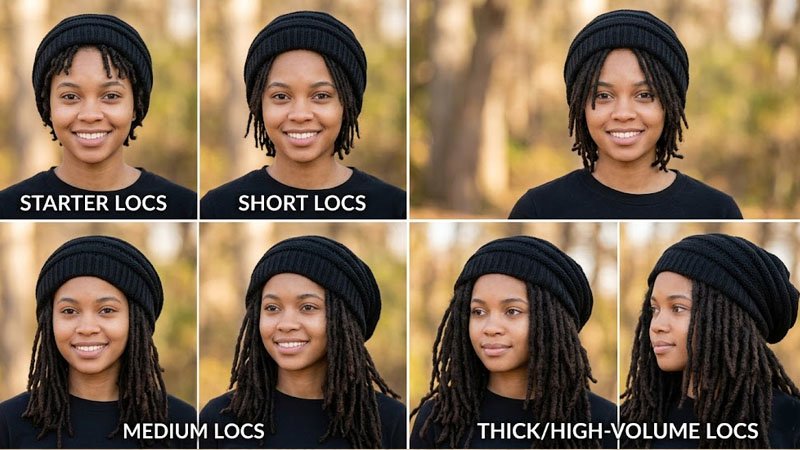
Not all dreadlocks are the same, so the best hat also depends on your loc stage, length, thickness, and how you usually style your hair.
Starter Locs
Starter locs are more delicate and easier to distort. At this stage, it is better to avoid tight fitted caps, rough fabrics, or structured hats that press down too much.
Better choices include:
- soft bucket hats
- relaxed caps with adjustable fit
- loose beanies with a smooth interior
The goal is to reduce friction and avoid changing the shape of the locs while they are still forming.
Short Locs
Short locs are often easier to manage under hats because they take up less space. Many hat styles can work well, including baseball caps, bucket hats, and beanies, as long as the fit is not too tight.
For short locs, comfort and inner texture are usually more important than extra crown depth.
Medium to Long Locs
Longer locs need more internal room. Deep-crown hats, slouchy beanies, and relaxed-fit caps are usually better choices than shallow or rigid styles.
If the hat feels like it is pressing down on the top of the head, it is probably not the best fit for longer dreadlocks.
Thick or High-Volume Locs
If your dreadlocks are thick or full, space becomes a major factor. Look for hats that allow the hair to sit naturally without compression.
For high-volume locs, the best hats are usually:
- deep caps
- oversized beanies
- soft-structured hats
- looser casual styles
Locs Worn in a Bun or Ponytail
If you often wear your dreadlocks up, a standard cap may feel restrictive. In this case, visors, open-back styles, or looser hats may work better.
You can also style your locs lower at the back if you want to wear a cap more comfortably.
Best Hat Styles for Dreadlocks
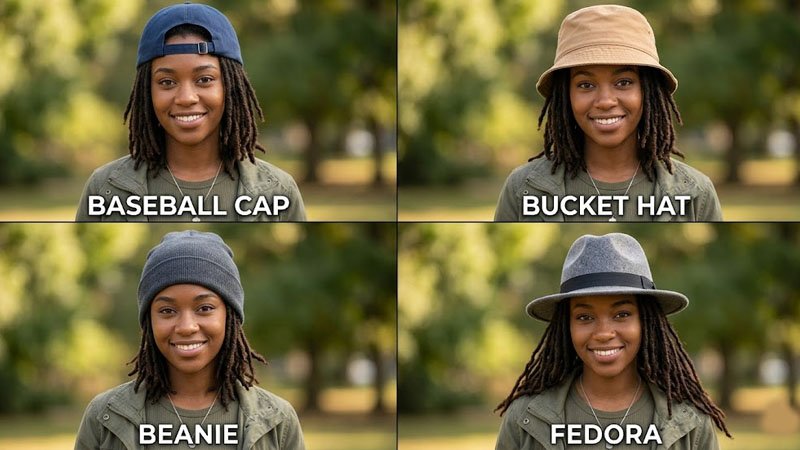
Different hat styles offer different levels of comfort, protection, and visual appeal. Here are some of the most practical options.
Baseball Caps
Baseball caps are a popular everyday option, especially if they have an adjustable back closure. They work best for short to medium locs and casual wear.
However, not all baseball caps are ideal. Shallow crowns and rigid front panels may flatten the hair, so a roomier fit is usually better.
Bucket Hats
Bucket hats are one of the more dreadlock-friendly styles because they usually provide a relaxed fit and less pressure than structured caps. They are a good option for casual daily wear and can work well for starter locs or medium locs.
Beanies
Beanies are useful in cold weather and can work very well with dreadlocks if they are loose and soft. Slouchy beanies are generally better than tight knit styles because they give the hair more room.
A tight beanie may compress the locs, especially if worn for many hours.
Fedoras and Fashion Hats
These can look stylish with dreadlocks, but comfort depends heavily on fit and internal structure. They are better for occasional wear than all-day use, especially if they are stiff or narrow inside.
Visors
Visors are a practical option when you want sun protection without covering the entire head. They are especially helpful for people with bulky or tied-up locs because they leave more room for the hair.
Best Materials for Hats Worn with Dreadlocks
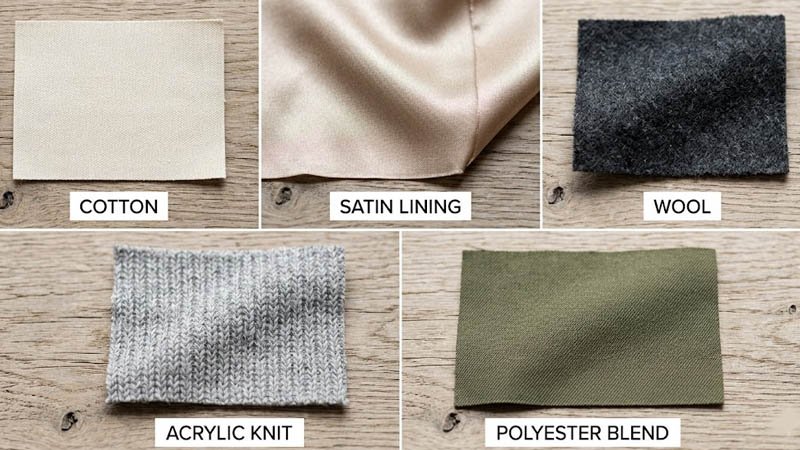
Material is a major part of comfort. Even a well-shaped hat may not work well if the fabric creates too much friction or traps too much heat.
Cotton
Cotton is breathable, soft, and generally a safe everyday option. It is comfortable for casual hats and usually feels gentler on the scalp than rougher materials.
Satin-Lined or Smooth-Lined Options
If reducing friction is a priority, hats with smoother inner linings are worth considering. A smoother interior helps protect the surface of the locs and can help reduce frizz during regular wear.
Wool
Wool is useful for warmth, especially in cold weather, but it may feel rough if it is not lined or softened inside. For dreadlocks, softer wool blends or lined winter hats are usually better.
Acrylic Knit
Acrylic is common in beanies and winter hats. It is lightweight and flexible, but it may create more static in dry weather. The comfort of acrylic depends a lot on how tight the knit is and how the inside feels against the hair.
Polyester Blends
Polyester blends are widely used in sports and promotional hats because they are durable and easy to maintain. For dreadlocks, what matters most is whether the hat has good ventilation and a comfortable inner finish.
How to Protect Dreadlocks While Wearing a Hat
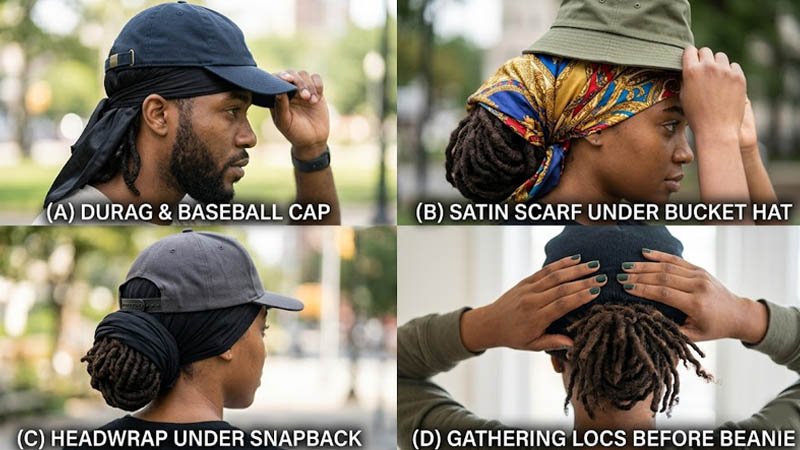
Choosing the right hat is important, but how you wear it also matters.
Keep Your Hair Clean and Dry
Try to wear hats on clean, dry locs whenever possible. Damp hair trapped under a hat for hours can lead to discomfort and scalp buildup.
Use a Protective Layer
A durag, satin scarf, or lightweight headwrap can create a barrier between the locs and the hat. This helps reduce friction and can help preserve the neatness of the hair.
Avoid Wearing Hats for Too Long
Even a comfortable hat should not stay on all day without a break. If possible, remove it every few hours to let your scalp breathe and let the locs settle back into shape.
Be Careful After a Fresh Retwist
Freshly maintained locs are more sensitive to compression. If you have recently retwisted your hair, choose a very soft and loose hat or avoid wearing one until the style has settled.
Common Mistakes to Avoid
If you want to protect your dreadlocks, avoid these common mistakes when choosing or wearing hats:
Choosing Style Over Fit
A hat may look great, but if it feels tight, shallow, or rough inside, it is not the right choice for regular wear.
Wearing Tight Hats Every Day
Repeated daily pressure can flatten the locs and create tension at the roots.
Ignoring the Interior Fabric
Many people focus only on the outside design, but the inside of the hat is what touches the hair directly.
Wearing Hats on Damp Locs
This can trap moisture and make the scalp uncomfortable.
Forcing Bulky Locs into Small Hats
If the hair clearly does not fit comfortably, the hat is not suitable.
Quick Checklist for Choosing a Hat for Dreadlocks
Before buying or wearing a hat, ask yourself these questions:
- Does the hat have enough depth for my locs?
- Is the fit adjustable or flexible?
- Does the inside feel smooth?
- Will it reduce or increase friction?
- Is the material breathable enough for long wear?
- Does it feel comfortable around my roots and hairline?
- Can my locs sit naturally inside it?
If the answer to most of these is yes, the hat is more likely to work well for dreadlocks.
A Better Hat Is About Design, Not Just Style
From a product development point of view, a good hat for dreadlocks depends on more than appearance. Crown depth, internal finish, closure type, softness, and ventilation all affect the wearing experience. GUANGZHOU EASTLUCKY Hat & Garment Co., Ltd. is a high-end custom hat and OEM/ODM manufacturer based in Guangzhou, China, with 15 years of expertise in professional R&D, production, and distribution of various hats and embroidered accessories. Guided by the philosophy “Quality as Root, Innovation as Soul,” the company provides global clients with one-stop solutions from design sampling to mass production, helping brands build efficient and high-quality supply chain support. For brands serving consumers with textured or fuller hairstyles, thoughtful hat construction can make a real difference in comfort, function, and inclusivity.
Conclusion
Choosing the right hat for dreadlocks does not have to be difficult, but it does require more attention than choosing a hat for flatter hairstyles. The best hat is one that gives your locs enough room, reduces friction, feels comfortable on the scalp, and supports the way you naturally wear your hair.
Instead of focusing only on appearance, pay attention to crown depth, fit, material, inner texture, and breathability. These details will help you avoid frizz, flattening, and unnecessary tension.
With the right choice, hats and dreadlocks can work together easily. You do not have to sacrifice style to protect your locs — you simply need a hat designed or selected with your hair in mind.
FAQs
Can wearing hats damage dreadlocks?
Yes, the wrong hat can cause frizz, flattening, root tension, and discomfort. A tight or rough hat worn too often may also increase the risk of breakage over time.
What type of hat is best for dreadlocks?
In general, hats with enough crown depth, adjustable fit, breathable materials, and a smooth interior are best for dreadlocks. Bucket hats, loose beanies, and roomier adjustable caps are often good choices.
Are baseball caps bad for dreadlocks?
Not always. Adjustable baseball caps can work well for short or medium locs, but shallow or very structured caps may flatten the hair.
Are beanies good for dreadlocks?
Yes, especially loose or slouchy beanies. Tight beanies may compress the locs and create friction if worn for long periods.
How do I stop my locs from getting frizzy under a hat?
Choose a hat with a smoother interior, avoid tight styles, and consider wearing a durag or satin scarf underneath.
Can I wear a hat with starter locs?
Yes, but you should choose soft, loose-fitting hats and avoid anything that puts too much pressure on the hair while the locs are still forming.