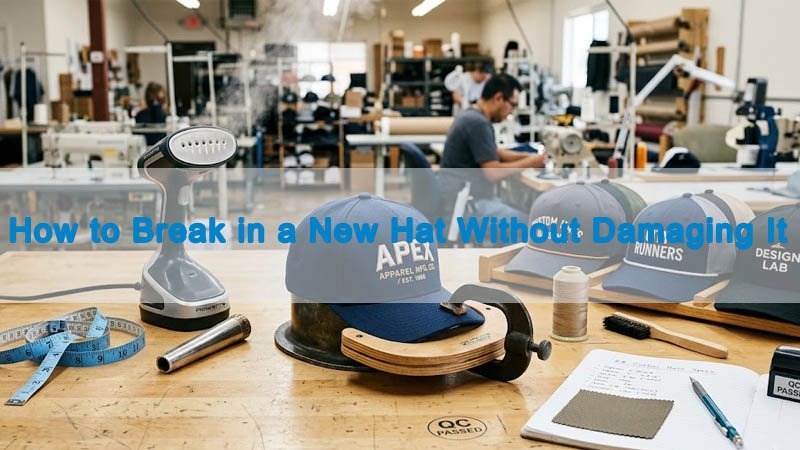
A new hat can look great when you first buy it, but it does not always feel perfect right away. The crown may feel stiff, the sweatband may feel tight, or the brim may not have the shape you want. This is completely normal. Most new hats need a little time to soften, adjust, and fit more naturally.
However, breaking in a new hat should be done carefully. Using too much heat, soaking the wrong material, bending the brim too hard, or putting the hat in a dryer can cause shrinkage, fading, warping, or permanent damage.
The good news is that you can make a new hat fit better without ruining its shape. Whether you are breaking in a baseball cap, fitted cap, snapback, dad hat, trucker hat, bucket hat, wool hat, or another style, the key is to choose the right method for the material and structure.
In this guide, you will learn how to break in a new hat safely, how to soften a stiff crown, how to shape a brim, how to stretch a tight hat, and what mistakes to avoid.
Quick Answer: What Is the Safest Way to Break in a New Hat?
The safest way to break in a new hat is to wear it regularly. Your body heat, natural movement, and light moisture will gradually soften the sweatband, crown, and fabric, helping the hat adjust to your head shape.
If you want faster results, use gentle steam, hand shaping, or a hat stretcher. Avoid boiling water, dryers, harsh washing, aggressive bending, and soaking delicate materials such as wool, leather, straw, or structured hats.
For most hats, the best approach is simple: start gently, test slowly, and avoid high heat.
Before You Start: Check the Hat Material
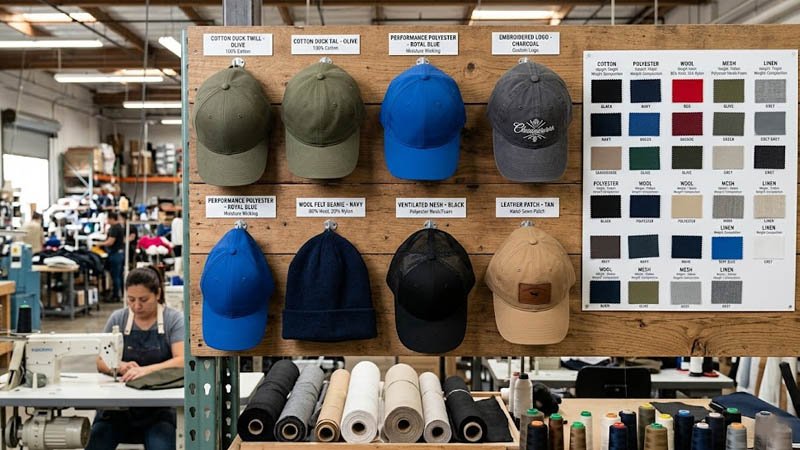
Not all hats should be broken in the same way. Before using water, steam, heat, or stretching tools, check the hat’s material and care label.
Different materials react differently to moisture and heat. A cotton cap may soften easily with regular wear or light steam, while a wool hat can shrink if soaked in hot water. A leather hat should not be washed like a fabric cap, and a straw hat can crack or lose shape if bent too aggressively.
Here is a simple guide:
| Hat Material | Recommended Method | Avoid |
|---|---|---|
| Cotton | Regular wear, light steam, gentle hand shaping | High heat, dryer |
| Wool | Steam, slow shaping, professional care | Hot water soaking, machine washing |
| Polyester | Regular wear, gentle steam, careful shaping | Excessive heat |
| Nylon | Regular wear, hand shaping | High heat or harsh washing |
| Leather | Leather conditioner, professional care | Soaking, machine washing |
| Straw | Gentle hand shaping | Water soaking, aggressive bending |
| Structured caps | Steam, careful shaping, hat form drying | Dryer, heavy washing, forceful bending |
If you are not sure what your hat is made of, choose the safest method first: wear it regularly and shape it gently by hand.
Best Methods to Break in a New Hat Safely
Different hats need different treatments. Below are the most common break-in methods, along with when to use them and what risks to watch for.
| Method | Best For | Time Needed | Risk Level |
|---|---|---|---|
| Regular wear | Most hats | Several days to weeks | Low |
| Hand shaping | Brims and crowns | A few minutes | Low |
| Steam | Stiff crowns, tight sweatbands, brim shaping | 10–20 minutes | Low to medium |
| Warm water | Cotton caps | A few hours | Medium |
| Hat stretcher | Tight fitted hats | Several hours to overnight | Low to medium |
| Machine wash | Washable cotton caps only | One wash cycle | Medium to high |
| Sun fading | Vintage look | Several days | Medium |
The best method depends on the hat’s material, structure, and the problem you want to solve.
Wear Your Hat Regularly

The Most Natural Break-In Method
The easiest and safest way to break in a new hat is to wear it often. Just like a new pair of shoes, a new hat may feel stiff at first, but it gradually becomes more comfortable with use.
When you wear a hat, your body heat and natural movement help soften the fabric and sweatband. Over time, the hat begins to follow the shape of your head. This creates a more personalized and comfortable fit.
This method works well for:
- Baseball caps
- Dad hats
- Trucker hats
- Snapbacks
- Cotton caps
- Casual bucket hats
- Everyday fabric hats
If your hat feels only slightly stiff or snug, regular wear may be enough.
How to Speed It Up Naturally
You can speed up the process by wearing your hat during light daily activities, such as walking, running errands, doing outdoor chores, or wearing it around the house.
A little body heat and light moisture can help relax the sweatband and fabric. However, avoid soaking the hat with heavy sweat too often, especially if it has delicate embroidery, leather patches, printed logos, or dark colors.
How Long Does This Take?
A soft cotton hat may start to feel better after a few wears. A structured cap may take one to two weeks. A fitted hat or wool hat may take longer.
This method requires patience, but it is the safest option and has the lowest chance of damaging your hat.
How to Shape a Hat Brim or Bill
The brim is one of the most visible parts of a hat. If it is too flat, too stiff, or uneven, the whole hat may look uncomfortable or unnatural.
Shaping the brim is one of the easiest ways to make a new hat look and feel better.
Shape the Brim by Hand
Start by holding the brim with both hands. Gently bend it into the curve you want. Work slowly from the sides toward the center.
Do not force the shape all at once. Light pressure is better than aggressive bending.
For a relaxed everyday look, create a soft curve. For a more traditional baseball cap style, create a deeper curve.
If the brim feels very stiff, use steam first to soften it slightly before shaping.
Use a Mug or Can for an Even Curve
For a more consistent curve, wrap the brim around a coffee mug, soda can, or another smooth round object.
Follow these steps:
- Gently curve the brim around the object.
- Hold it in place with a rubber band if needed.
- Leave it for several hours or overnight.
- Remove the hat and check the shape.
- Repeat if you want a deeper curve.
This method works best for baseball caps, dad hats, and casual caps with flexible brims.
Avoid Over-Bending the Brim
Do not fold the brim sharply in the middle. Do not twist it or bend it backward. If the brim has a stiff insert, aggressive bending can cause cracks, creases, or permanent unevenness.
A good brim shape should look natural, not forced.
How to Use Steam to Soften a New Hat
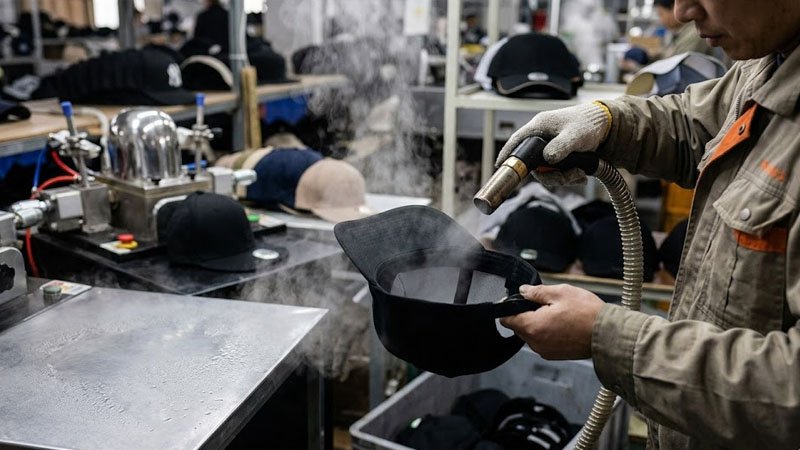
Steam is one of the most useful ways to break in a hat faster. It can soften the crown, relax the sweatband, and make the brim easier to shape.
Compared with soaking, steam gives you more control. It adds warmth and moisture without fully wetting the hat.
When to Use Steam
Steam is helpful when:
- The crown feels stiff
- The sweatband feels tight
- The brim is hard to shape
- The hat needs light reshaping
- You want faster results than regular wear
Steam works especially well for cotton caps, wool hats, and some structured hats. However, it should still be used carefully.
Step-by-Step Steam Method
- Use a garment steamer, kettle, or hot shower steam.
- Hold the hat near the steam, not directly against boiling water.
- Steam the stiff area for 20–30 seconds at a time.
- Gently shape the hat with your hands.
- Wear the hat while it cools, or place it on a hat form.
- Let it air dry naturally.
Do not over-steam the hat. Too much moisture and heat may weaken glue, affect embroidery, loosen patches, or change the structure.
Can Steam Damage a Hat?
Steam is usually safe when used lightly, but it can damage certain hats if overused. Be careful with leather hats, straw hats, glued patches, delicate trims, and highly structured crowns.
If the hat is expensive, rare, or delicate, consider professional cleaning or reshaping instead.
Can You Use Warm Water to Break in a Hat?
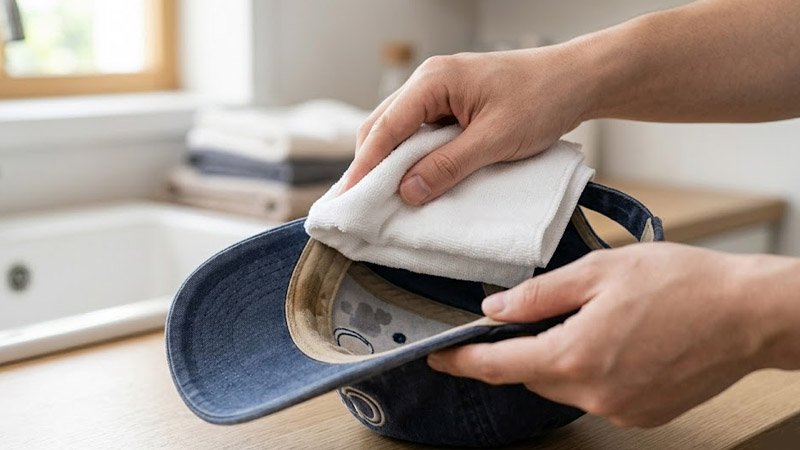
Warm water can soften some hats, especially cotton caps. However, it is riskier than regular wear or steam.
Water can cause shrinkage, fading, color bleeding, and shape loss if used incorrectly. This method should only be used for hats that can safely handle water.
Warm Water Method for Cotton Caps
If your hat is suitable for water treatment, follow these steps:
- Fill a basin with warm water. Do not use boiling water.
- Lightly soak or dampen the hat.
- Remove the hat and gently press out excess water. Do not twist it.
- Wear the hat while it is damp so it can mold to your head shape.
- Let it air dry naturally.
This can help a cotton cap become softer and more comfortable.
What to Avoid
Do not soak wool, leather, straw, or structured hats unless the care label says it is safe.
Do not use hot water on hats with dark colors, delicate embroidery, printed logos, leather patches, or cardboard-like brim inserts.
Before wetting the whole hat, test a small hidden area to see if the color runs.
The Shower Method
The shower method is a gentler version of the warm water method. Instead of soaking the hat, you expose it to steam and light moisture.
You can wear the hat during a warm shower, or place it in the bathroom while steam fills the room. Once the hat becomes slightly warm and damp, wear it until it begins to adjust to your head shape.
This method can work for casual cotton caps and some wool hats, but it is not suitable for leather, straw, or hats that should stay dry.
The shower method is useful when you want to soften the hat slowly without fully soaking it.
Should You Machine Wash a Hat to Break It In?
Machine washing can soften some hats, but it is one of the riskier methods. It should only be used when the hat’s care label allows machine washing.
Machine washing may cause shrinkage, fading, loose stitching, warped brims, or crown deformation. It is not recommended for high-end hats, wool hats, leather hats, straw hats, structured caps, or hats with cardboard brims.
How to Machine Wash a Hat Safely
If your hat is washable, follow these steps:
- Place the hat in a hat cage or delicate laundry bag.
- Use cold or lukewarm water.
- Choose a gentle cycle.
- Use mild detergent.
- Avoid bleach or harsh cleaners.
- Remove the hat immediately after washing.
- Air dry it on a towel, hat form, or rounded object.
Never put your hat in the dryer. Dryer heat can shrink the fabric, warp the brim, and damage the overall shape.
Better Alternative: Spot Cleaning
If your goal is only to clean and soften the hat slightly, spot cleaning is safer than machine washing.
Use a soft cloth, cool water, and mild soap. Gently clean dirty areas without soaking the entire hat.
How to Stretch a Tight Hat for a Better Fit
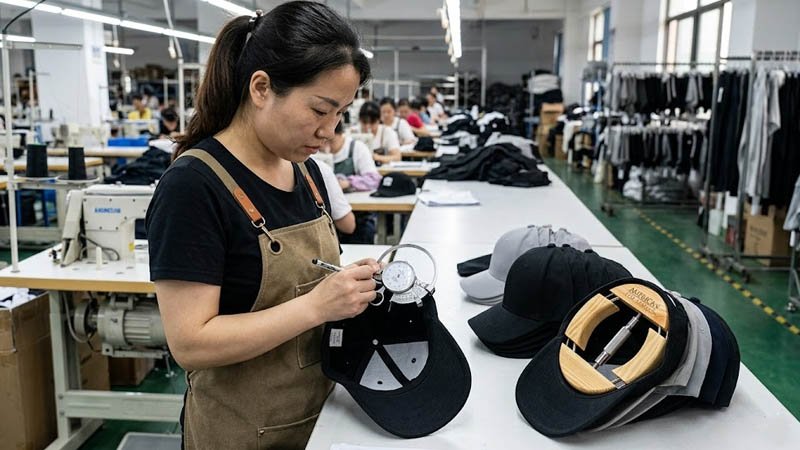
Sometimes a new hat feels too tight even after several wears. In that case, gentle stretching can help.
The key word is gentle. Stretching too quickly can damage the sweatband, seams, panels, or crown shape.
Stretch the Sweatband
If the tightness is mainly around the sweatband, lightly steam or dampen the inside band. Then gently stretch it by hand.
Wear the hat while it cools or dries. This helps the sweatband adjust to your head size.
Do not cut the sweatband unless there is no other option. Cutting can affect the hat’s structure and durability.
Use a Hat Stretcher
A hat stretcher is one of the safest tools for improving fit. It applies even pressure and helps avoid uneven stretching.
To use a hat stretcher:
- Lightly steam or dampen the sweatband.
- Insert the hat stretcher.
- Expand it slowly.
- Leave it in place for several hours or overnight.
- Try on the hat and repeat if necessary.
This method works especially well for fitted hats that are slightly too tight.
Use a Round Object
If you do not have a hat stretcher, you can place the hat over a clean round object, such as a bowl, jar, or ball.
Make sure the object is only slightly larger than the hat. If it is too large, it may overstretch the hat and distort the shape.
How to Make a New Hat Look Vintage
Some people want their new hat to feel and look worn-in. A vintage look can be created carefully, but it is easy to overdo.
Wear It Often
The most natural vintage look comes from regular wear. Over time, the fabric softens, the color becomes more relaxed, and the hat develops its own character.
This is the safest way to create an authentic worn-in appearance.
Use Sunlight Carefully
Leaving a cotton hat in the sun can create a faded look. However, strong sunlight can cause uneven fading, especially on dark colors.
If you want a subtle vintage effect, expose the hat to sunlight gradually instead of leaving it outside for too long.
Use Fine Sandpaper Lightly
Fine sandpaper can be used to gently distress the brim edge or certain fabric areas.
Use very light pressure. Avoid sanding embroidery, printed logos, patches, seams, or decorative details.
If you want a vintage look without the risk, consider choosing a pre-washed or pre-distressed hat.
What Not to Do When Breaking in a New Hat
Many hats are damaged not because people try to break them in, but because they use methods that are too harsh.
Avoid these common mistakes:
- Do not use boiling water.
- Do not put the hat in a dryer.
- Do not machine wash hats that are not washable.
- Do not soak leather, straw, or delicate wool hats.
- Do not bend the brim sharply in the middle.
- Do not twist or wring the hat when wet.
- Do not use bleach or harsh detergents.
- Do not stretch the hat too quickly.
- Do not leave dark hats in direct sunlight for too long.
- Do not ignore the care label.
When in doubt, choose the gentlest method first. A slow break-in process is better than permanent damage.
Troubleshooting Common Hat Fit Problems
The Hat Feels Too Tight
Wear it regularly for a few days first. If it still feels tight, use light steam on the sweatband and stretch it gently. A hat stretcher can help if the hat needs a little more room.
The Crown Feels Too Stiff
Use steam to soften the crown, then shape it gently with your hands. Wearing the hat often will also help the crown relax naturally.
The Brim Is Too Flat
Shape the brim by hand or wrap it around a mug or can for several hours. If the brim is stiff, use light steam before shaping.
The Hat Shrunk After Washing
Lightly steam the hat or dampen it with warm water, then stretch it carefully while it is still damp. Let it air dry on your head or on a hat form.
The Hat Lost Its Shape
Use steam to soften the fabric, then reshape it by hand. Place the hat on a rounded object, towel, or hat form while it dries.
If the hat is expensive, delicate, or badly misshapen, professional reshaping may be the safest option.
How Long Does It Take to Break in a New Hat?
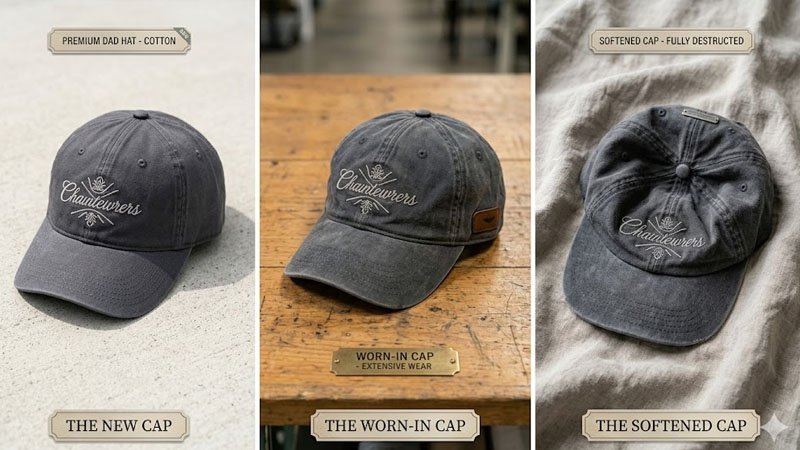
The time depends on the material, construction, and how often you wear it.
A soft cotton dad hat may feel better after a few wears.
A structured baseball cap may take one to two weeks.
A fitted cap may need several wears plus gentle stretching.
A wool hat may take longer and should be shaped carefully with steam.
A stiff or high-crown cap may take more time because the structure is designed to hold its shape.
In general, regular wear is the safest method, while steam and gentle stretching can speed up the process.
For Brands: Better Comfort Starts with Better Hat Design
For brands, retailers, and businesses ordering custom hats in bulk, the break-in experience begins long before the customer wears the hat. Fabric weight, sweatband softness, crown height, panel structure, brim flexibility, embroidery density, stitching quality, and finishing process all affect how comfortable a hat feels from the first wear.
As a Guangzhou-based high-end custom hat and OEM/ODM manufacturer with 15 years of experience, GUANGZHOU EASTLUCKY Hat & Garment Co., Ltd. understands that comfort starts at the production stage. Guided by the philosophy “Quality as Root, Innovation as Soul,” EASTLUCKY provides global clients with one-stop solutions from design sampling to mass production, helping brands build efficient and high-quality hat supply chains.
For custom hat projects, brands can improve the customer experience by choosing the right fabric, sweatband, brim insert, crown structure, and fit testing process. A well-designed hat should look good, hold its shape, and become comfortable with minimal break-in time.
Hat Care After Breaking It In
Once your hat fits well, proper care helps it stay comfortable and keep its shape longer.
Clean It Gently
Spot cleaning is usually the safest method. Use a soft cloth, mild soap, and cool water. Avoid harsh chemicals, bleach, and abrasive brushes.
If deeper cleaning is needed, always check the care label first.
Store It Properly
Do not crush your hat in a drawer or bag. Store it on a shelf, hat rack, or clean surface where the crown and brim can keep their shape.
For structured hats, use a hat form or support the crown with soft paper.
Avoid Excessive Heat and Moisture
Too much sun, rain, sweat, or heat can shorten the life of a hat. Let sweaty hats dry naturally before storing them.
If you wear hats often, rotate between different styles to reduce wear and maintain shape.
FAQs
What is the safest way to break in a new hat?
The safest way is to wear it regularly. Body heat and natural movement will gradually soften the hat and help it fit your head without much risk of damage.
How do you break in a baseball cap?
Wear it often, shape the brim gently by hand, and use light steam if the crown or brim feels stiff. Avoid dryers, boiling water, and aggressive bending.
Can you break in a fitted hat?
Yes. A fitted hat can be broken in by regular wear, light steam, and gentle stretching. If it is slightly too tight, a hat stretcher can help.
Will breaking in a hat make it bigger?
Breaking in a hat may make it feel slightly roomier because the sweatband and crown relax over time. However, it will not increase the size dramatically. If the hat is much too small, it is better to choose a larger size.
Can I use water to break in a new hat?
Warm water can be used on some cotton hats, but it should be done carefully. Avoid soaking wool, leather, straw, structured hats, or hats with delicate decorations.
Can steam damage a hat?
Light steam is usually safe for many hats, but too much steam can damage glue, patches, embroidery, or structured panels. Use short bursts of steam and shape the hat gently.
Should I put my hat in the dryer?
No. A dryer can shrink the fabric, warp the brim, and damage the hat’s shape. Always air dry your hat naturally.
How do I make a stiff hat softer?
Wear it regularly, use light steam, or gently dampen the sweatband if the material allows it. Avoid harsh washing or high heat.
How do I curve a hat brim?
Use your hands to bend the brim gently, or wrap it around a mug or can for several hours. Do not fold or crease the brim sharply.
How long does it take to break in a new hat?
It can take a few days to a few weeks, depending on the material and structure. Soft cotton hats usually break in faster, while structured or fitted hats may take longer.
Conclusion
Breaking in a new hat does not have to be difficult, but it should be done carefully. The safest method is regular wear, while steam, hand shaping, warm moisture, and gentle stretching can help speed up the process.
The most important rule is to match the method to the material. Cotton caps can usually handle more moisture, while wool, leather, straw, and structured hats need extra care. Avoid boiling water, dryers, harsh washing, and aggressive bending if you want to protect the hat’s shape, color, and durability.
With the right approach, your new hat can become softer, more comfortable, and better fitted without being damaged. A good hat should not only look great on the first day, but also become even better with time.