Don’t Let Sun or Sweat Ruin Your Match: Choose the Right Tennis Hat or Visor
Tennis is a game of focus, movement, and split-second decisions. But on a hot day, two simple things can quietly hurt your performance: sun glare and sweat.
If the sun keeps getting in your eyes or sweat drips down your face during rallies, your concentration drops, your timing suffers, and your match becomes harder than it needs to be. That’s why choosing the right tennis headwear is not just about style — it’s about comfort, visibility, and performance.
So, should you wear a tennis hat or a tennis visor?
In this guide, we’ll break down the differences, explain what features matter most, and help you choose the best option for your game.
Why Tennis Headwear Matters More Than You Think
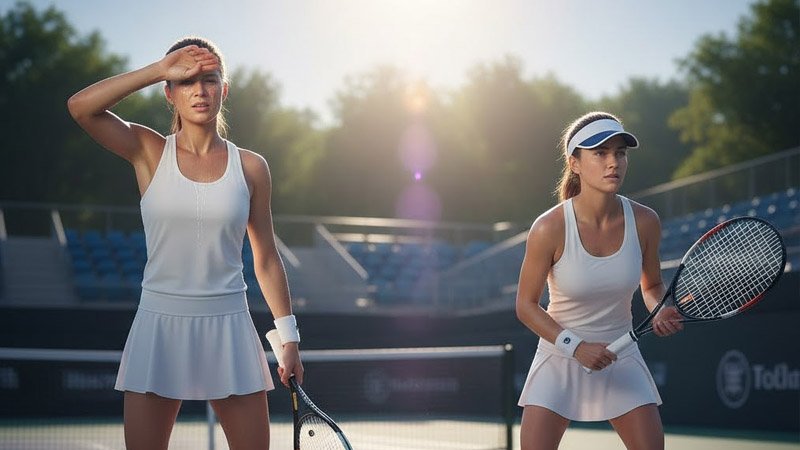
Many players treat hats and visors as optional accessories. In reality, the right headwear can make a noticeable difference during practice and matches.
1) Sun Protection and UV Exposure
Outdoor tennis often means long periods under direct sunlight. A well-designed hat or visor helps reduce facial sun exposure and glare, making it easier to track the ball and stay comfortable.
2) Sweat Management
Sweat in your eyes can be distracting and uncomfortable. Headwear with moisture-wicking materials and built-in sweatbands helps absorb and manage sweat during high-intensity play.
3) Better Focus and On-Court Comfort
When your headwear fits properly and stays in place, you spend less time adjusting it and more time focusing on your game.
4) Style and Confidence
Of course, appearance still matters. Whether you prefer a classic cap or a modern performance visor, the right look can complement your outfit and boost confidence on court.
Tennis Hat vs. Visor: Which One Is Right for You?
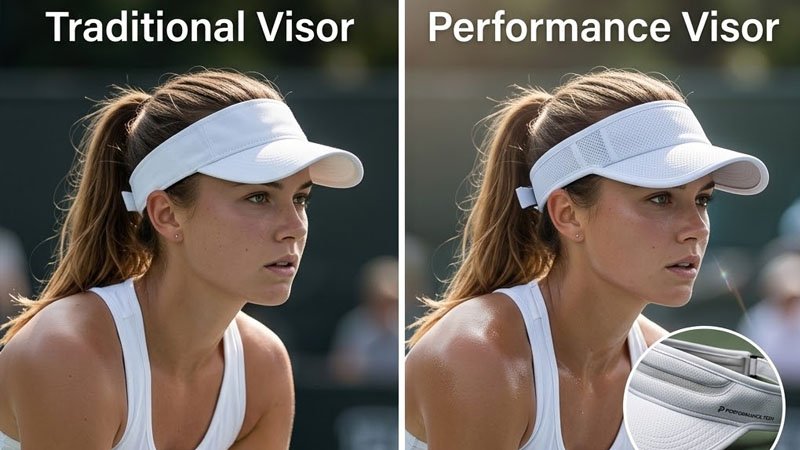
This is the most common question for players — and the answer depends on your playing conditions and personal preferences.
Quick Comparison: Tennis Hat vs. Tennis Visor
Choose a Tennis Hat if you want:
-
Better coverage for the top of your head
-
More all-around sun protection during long outdoor sessions
-
A secure, familiar fit
-
Extra coverage in strong sun conditions
Choose a Tennis Visor if you want:
-
Better airflow and ventilation
-
An open-top feel in hot weather
-
Less bulk on your head
-
More comfort for certain hairstyles (such as ponytails)
The Practical Difference
A tennis hat usually offers more UV coverage, while a visor usually offers more breathability. Neither is automatically “better” — the best choice depends on how you play, where you play, and what bothers you more: heat or sun exposure.
Types of Tennis Hats (and When They Work Best)
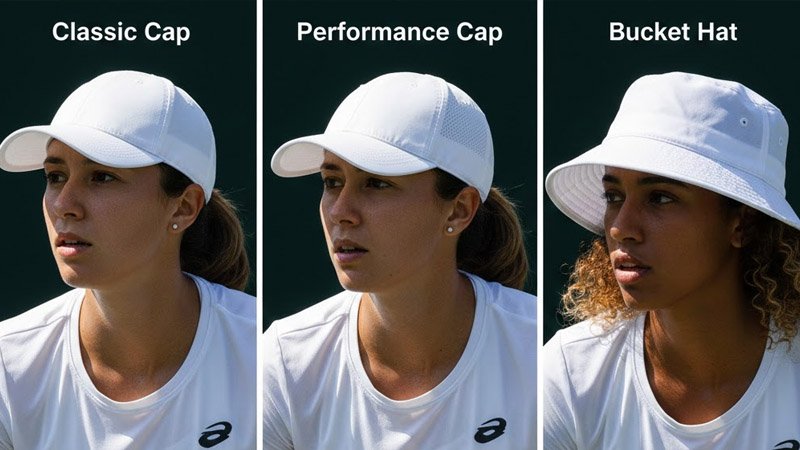
Not all hats perform the same way on court. Here are the most common styles and their strengths.
1) Classic Tennis Caps (Baseball-Style Caps)
These are the most popular option for many players.
Pros
-
Good shade for the eyes and face
-
Easy to wear and widely available
-
Adjustable fit options
Cons
-
Can feel warmer than a visor in hot weather
-
Breathability depends heavily on fabric and panel construction
Best for: Players who want a balanced option for training and matches.
2) Lightweight Performance Caps
These are designed specifically for sports, often with moisture-wicking fabrics, mesh panels, and lighter construction.
Pros
-
Better sweat control
-
Improved airflow
-
Lightweight feel for long matches
Cons
-
Usually more expensive than basic caps
-
Performance differences vary by material quality
Best for: Frequent players, competitive players, and hot-weather training.
3) Bucket Hats (Less Common, but Useful in Some Situations)
Bucket hats provide more coverage, including better protection around the face and parts of the neck.
Pros
-
Excellent sun coverage
-
Lightweight options available
-
Good for extended outdoor exposure
Cons
-
Can reduce peripheral awareness if brim is too wide
-
Not every player likes the fit or movement feel during match play
Best for: Training sessions, coaching, or non-competitive outdoor use in strong sun.
Types of Tennis Visors (and Who They Suit)
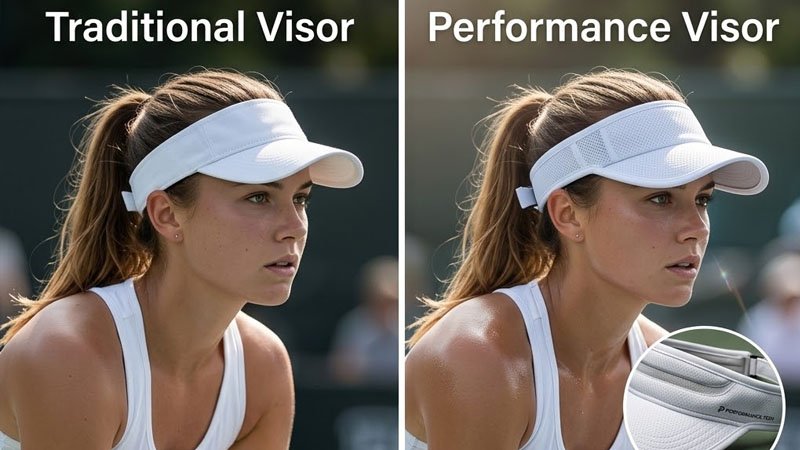
Visors are a favorite among players who prioritize ventilation and an open-top fit.
1) Traditional Tennis Visors
These usually feature a curved brim and an adjustable back strap.
Pros
-
Lightweight and breathable
-
Comfortable in hot weather
-
Easy to wear for many head shapes
Cons
-
Less protection for the top of the head
-
Sun exposure may still be an issue during long outdoor play
Best for: Players who overheat easily and prefer an open feel.
2) Performance Visors
Modern performance visors often include moisture-wicking linings, ergonomic construction, and more stable fits.
Pros
-
Better sweat control
-
More secure fit during movement
-
Comfortable for intense play
Cons
-
Higher price point
-
Quality differences can be significant between products
Best for: Players who sweat heavily and want lightweight performance gear.
How to Choose the Right Tennis Hat or Visor (What Actually Matters)
A lot of buying guides list features, but the real question is: what should you look for before you buy? Here are the most important criteria.
1) Fit Comes First
Even the best material won’t help if the fit is wrong.
Look for headwear that:
-
Feels secure but not tight
-
Stays stable during serves and lateral movement
-
Doesn’t create pressure points on the forehead
-
Has easy adjustability (Velcro, buckle, elastic, or strap system)
Tip: Test fit while moving, not just while standing still.
2) Sweat Control (Especially in Matches)
If sweat is your biggest problem, prioritize:
-
Built-in sweatbands
-
Moisture-wicking inner lining
-
Quick-drying fabrics
This matters for both hats and visors. A stylish design without sweat management can become uncomfortable fast.
3) Breathability and Ventilation
For hot weather, airflow is critical.
Look for:
-
Mesh panels
-
Ventilation holes
-
Lightweight fabric construction
-
Moisture-wicking performance materials
Good ventilation helps reduce overheating and improves comfort over long sessions.
4) UV Protection and Coverage
If you play outdoors frequently, sun protection should be a top priority.
-
A hat generally provides more coverage than a visor
-
A visor shades the face but leaves the top of the head exposed
-
Fabrics with UPF ratings (such as UPF 30+ or UPF 50+) can offer better UV protection
If you train in strong sun for long periods, this can be a deciding factor.
5) Weight and Balance
Heavy headwear can become distracting, especially in long matches.
Choose options that feel:
-
Lightweight
-
Stable
-
Well-balanced (not front-heavy)
The goal is to forget you’re wearing it.
6) Brim Shape and Visibility
The brim should block glare without interfering with vision or ball tracking.
Look for a brim that:
-
Provides enough shade
-
Doesn’t obstruct upward view on lobs and serves
-
Keeps a comfortable shape after repeated use
7) Durability and Easy Care
Tennis headwear gets used often and washed often. Check for:
-
Reinforced stitching
-
Shape retention after cleaning
-
Easy-care fabric
-
Color fastness (especially for darker or brighter colors)
A product that looks good but loses shape after a few washes is not a good long-term choice.
What to Choose Based on Playing Conditions
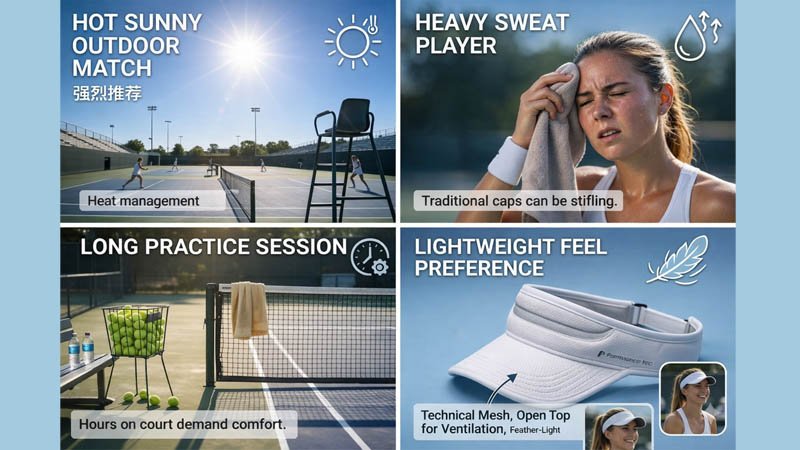
To make the decision easier, here are some quick recommendations by scenario.
For Hot, Sunny Outdoor Matches
Best choice: Lightweight performance hat
Why: Better sun coverage + glare control + sweat management
If you prefer a visor, choose one with a strong sweatband and consider added sun protection for the scalp.
For Players Who Sweat Heavily
Best choice: Performance visor or performance cap with moisture-wicking sweatband
Why: Sweat control and airflow matter most
Pay attention to inner band material and quick-dry performance.
For Long Practice Sessions
Best choice: Lightweight cap or stable visor (depending on your heat tolerance)
Why: Comfort, stability, and reduced distraction become more important over time
For Players Who Prefer a Lighter Feel
Best choice: Tennis visor
Why: Open-top design increases ventilation and reduces heat build-up
For Casual Players or Beginners
Best choice: A comfortable, adjustable cap or visor with basic moisture management
Why: Fit and comfort matter more than advanced features at the start
Common Mistakes When Choosing Tennis Headwear
Avoid these common buying mistakes:
1) Choosing Style Before Fit
A great-looking hat that shifts during play will quickly become annoying.
2) Ignoring Sweat Management
A basic cap may look fine but fail during intense play if it lacks a proper sweatband.
3) Assuming All Visors Offer Enough Sun Protection
Visors help with facial shade, but they do not protect the top of the head like a hat does.
4) Using Heavy or Non-Breathable Materials in Hot Weather
Heat and moisture build-up can reduce comfort and focus.
5) Not Checking Care Instructions
Some headwear loses shape or performance after improper washing.
Care Tips: Keep Your Tennis Hat or Visor Performing Longer
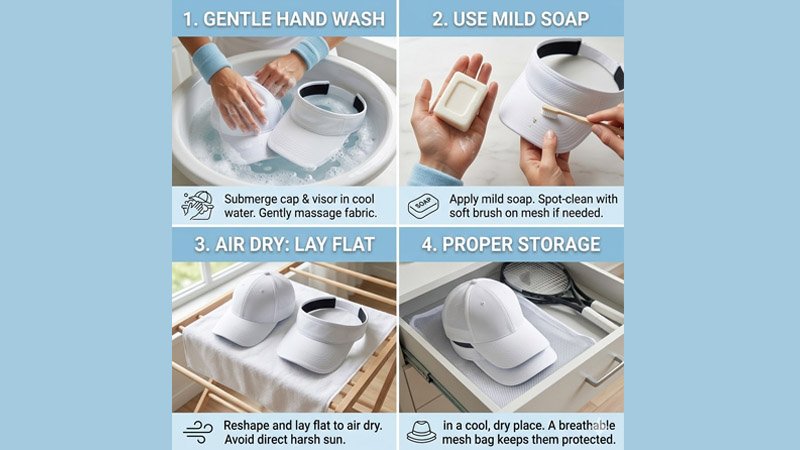
Proper care helps maintain comfort, fit, and appearance.
Cleaning
-
Follow the manufacturer’s instructions
-
Use mild soap when needed
-
Avoid harsh chemicals
-
Hand washing is often safer for shape retention
Drying
-
Avoid high heat drying when possible
-
Let it air dry or lay flat to dry (depending on product type)
Storage
-
Store in a dry place
-
Avoid crushing the brim
-
Keep away from prolonged direct sunlight when not in use
Replacement
Replace your headwear when you notice:
-
Stretched-out fit
-
Frayed edges or stitching
-
Faded fabric
-
Reduced sweat absorption
-
Misshapen brim
How Brands Can Deliver Better Tennis Headwear (What Makes a Quality Supplier)
For sports brands, clubs, events, and retailers, choosing the right headwear supplier is just as important as choosing the right product style.
High-quality tennis hats and visors require more than a good design idea. They depend on:
-
Material selection
-
Fit consistency
-
Moisture-management performance
-
Durable stitching and construction
-
Reliable sampling and mass production capability
As a high-end custom hat and OEM/ODM manufacturer based in Guangzhou, China, GUANGZHOU EASTLUCKY Hat & Garment Co., Ltd. brings 15 years of expertise in R&D, production, and distribution of hats and embroidered accessories. Guided by the philosophy “Quality as Root, Innovation as Soul,” we provide one-stop solutions from design sampling to mass production, helping global brands build efficient and high-quality supply chains.
For businesses developing tennis headwear lines, this means better control over product quality, customization, and production consistency — all of which directly affect end-user experience.
Final Thoughts: Choose for Performance, Not Just Appearance
A tennis hat or visor may seem like a small detail, but it can make a real difference in comfort and focus — especially in heat, sun, and long matches.
If you want:
-
More sun coverage → choose a tennis hat
-
More airflow and lighter feel → choose a tennis visor
-
Better match performance overall → prioritize fit, sweat control, ventilation, and comfort first
The best tennis headwear is the one that helps you stay focused on the next point — not the sun in your eyes or sweat on your face.
FAQ: Tennis Hats and Visors
Is a visor better than a hat for tennis?
It depends on your needs. Visors are usually better for airflow and a lighter feel, while hats generally provide better sun coverage.
Do tennis visors protect from UV?
They help shade the face and reduce glare, but they do not cover the top of the head. For stronger all-around sun protection, a hat is often the better choice.
What should I look for in a tennis hat or visor?
Focus on fit, sweat management, breathability, comfort, and sun protection. For outdoor play, UPF-rated materials can also be helpful.
How tight should a tennis hat or visor fit?
It should feel secure during movement but not create pressure or discomfort. If it shifts while serving or running, it may be too loose.
How often should I wash my tennis headwear?
That depends on frequency of play and sweat level. If you play often or sweat heavily, regular cleaning helps maintain hygiene and performance.