
New Era caps—especially the iconic 59FIFTY fitted—often cost more than the average baseball hat. And while it’s easy to label that premium as hype, the price is usually a reflection of real inputs: official sports licensing, on-field specification discipline, premium construction, tight quality control, and scarcity-driven releases that elevate collectability.
If you’ve been asking “why are New Era caps so expensive?” this guide breaks down the true cost structure behind New Era pricing—and offers practical insights for brands who want a similar “premium” outcome through design, build, and supply chain execution.
Quick Take: Why New Era Hats Cost More
New Era hats are expensive because they stack multiple cost drivers at once:
-
Official league licensing fees (MLB/NFL/NBA royalties)
-
On-field authenticity standards (spec-driven build requirements)
-
Premium materials and structured construction (shape retention)
-
Strict quality control for consistent fit and silhouette
-
Limited drops, collaborations, and collector demand
-
Distribution and pricing discipline (fewer deep discounts)
Together, these factors position New Era as more than merchandise—it’s a certified piece of sports culture and streetwear identity.
1) Licensing & On-Field Authenticity: The Biggest Built-In Premium
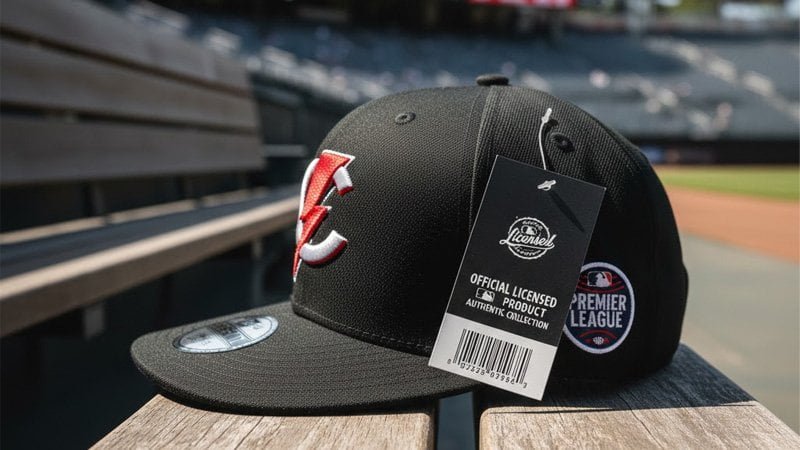
The single largest “hidden cost” behind the New Era 59FIFTY price is licensing.
When a hat includes official team branding, it carries royalty and trademark costs that are embedded into retail pricing. Licensing also comes with compliance obligations: correct logo placement, approved color standards, and brand-protected applications.
Then there’s on-field authenticity. New Era’s “Authentic On-Field” positioning implies a product built to specific standards—details that increase complexity and inspection time.
What you’re paying for:
Not just a logo, but verified legitimacy plus a spec system that protects consistency.
2) Premium Build, Materials & Structure: Shape That Lasts Costs More
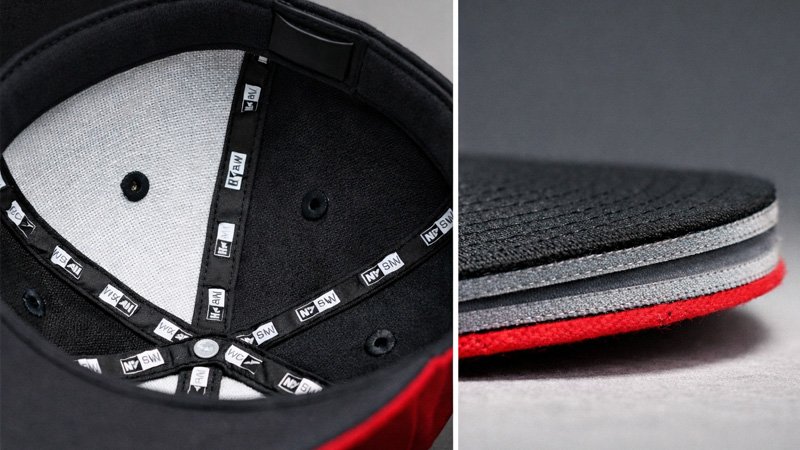
A fitted cap’s value isn’t only in how it looks—it’s in how it holds its silhouette over time.
New Era’s premium feel typically comes from:
-
Reinforced buckram for a firm crown
-
Structured six-panel construction for shape stability
-
High-density embroidery for crisp, dimensional logos
-
Interior taping and branded sweatbands for comfort and finish
-
Visor inserts designed to resist warping
Cheaper hats often lower cost through lighter structure, lower stitch density, simplified interior finishing, and broader tolerance standards. Those savings show up later as faster shape collapse, less consistent fit, or visible manufacturing variation.
Premium takeaway:
Structure is not an aesthetic choice—it’s an engineering choice.
3) Fit Consistency & Quality Control: The Quiet Differentiator
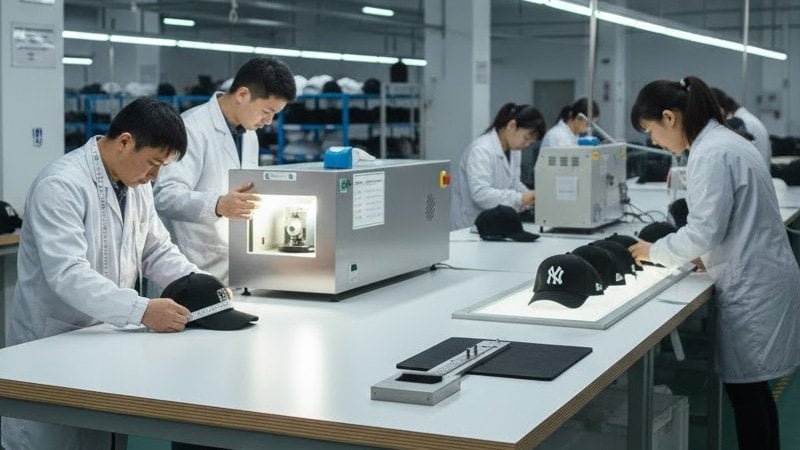
Most consumers can’t describe QC—but they can feel it.
One reason the New Era fitted cap cost stays high is that fitted caps demand repeatability across sizes and batches. Achieving consistency requires:
-
tighter measurement standards
-
process discipline in sewing/assembly
-
controlled embroidery execution
-
inspection checkpoints and defect thresholds
-
additional rework/scrap cost to protect the final experience
Collectors value that reliability. When a fitted cap’s size feels inconsistent from drop to drop, trust erodes quickly.
Premium takeaway:
Consistency is a product feature—one that costs money.
4) Scarcity, Drops & Collabs: Hype Economics That Reinforces Price
New Era pricing is also supported by “drop culture.”
Limited releases and collaborations create scarcity, and scarcity accelerates demand. When a cap is tied to an anniversary patch, special event, or exclusive colorway, it becomes a collectible.
Common premium drivers include:
-
limited production runs
-
short release windows
-
exclusive patches and embroidery packages
-
designer and streetwear collaborations
-
resale activity that signals cultural value
Premium takeaway:
Scarcity isn’t only marketing—it changes the economics of demand.
5) Distribution & Pricing Discipline: Why Discounts Are Rare
New Era also protects pricing through channel control: a tighter authorized retailer ecosystem and stronger pricing discipline reduce aggressive markdowns.
This matters because widespread discounting trains the market to wait for sales—and weakens “premium” positioning.
Pricing discipline supports:
-
stable retail value perception
-
reduced channel conflict
-
stronger authenticity trust (important in counterfeit-heavy categories)
Premium takeaway:
A premium product needs premium distribution strategy.
6) Upstream Cost Pressures: Inflation, Compliance & Smaller Runs
Beyond brand strategy, modern hat manufacturing has real cost pressure:
-
fabric and labor increases
-
more complex global logistics
-
compliance requirements (labeling, testing, restricted substances)
-
special editions with smaller runs (higher per-unit cost)
This is why two caps that look similar can differ significantly in cost once you account for total production and compliance overhead.
Premium takeaway:
The shelf price often reflects upstream reality, not just brand margin.
Are New Era Caps Worth It?
For many buyers, yes—because New Era delivers a unique combination of:
-
official legitimacy
-
on-field authenticity positioning
-
durable structure and consistent silhouette
-
collectable identity through drops and collaborations
For customers who only want an everyday cap, the value equation may favor premium non-licensed alternatives built with strong materials and QC—but without licensing fees.
What Premium Hat Brands Can Do Better Than “Copying” New Era
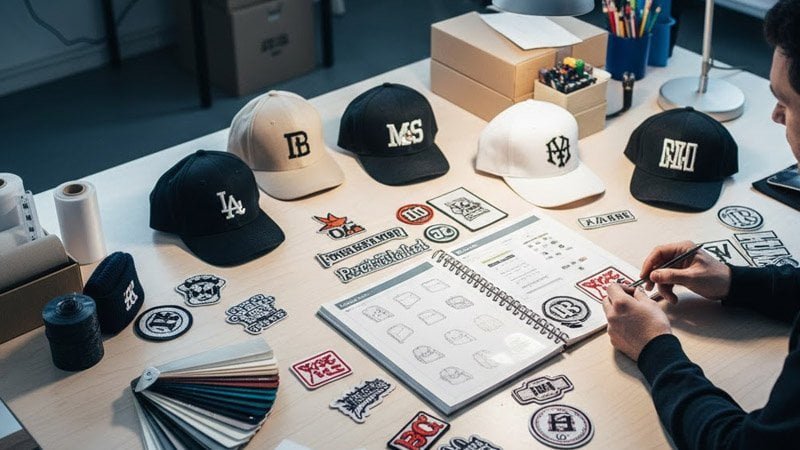
If you want to build a premium cap line—especially a structured fitted style—focus on what actually drives perceived value:
-
Silhouette engineering: crown height, panel shape, buckram selection
-
Embroidery precision: density, edge clarity, raised effects, patch quality
-
Repeatability systems: specs, tolerance control, in-line QC checkpoints
-
Intentional scarcity: capsule drops, limited colorways, event moments
-
Story that matches reality: craftsmanship and proof, not empty hype
Premium is not one feature. It’s a system.
Manufacture Premium Caps with a Brand-First Supply Chain Partner
GUANGZHOU EASTLUCKY Hat & Garment Co., Ltd. is a high-end custom hat and OEM/ODM manufacturer based in Guangzhou, China, with 15 years of expertise in professional R&D, production, and distribution of various hats and embroidered accessories.
Guided by the philosophy “Quality as Root, Innovation as Soul,” we provide global clients with a one-stop solution from design sampling to mass production, helping brands create efficient, consistent, high-quality supply chains.
If you want “New Era-level” structure and finish—without needing licensed branding—we support:
-
structured crown development and pattern refinement
-
reinforced buckram configuration and fit tuning
-
high-density embroidery and patch execution
-
fabric selection for performance and durability
-
sampling workflows for faster iteration
-
QC standards that protect silhouette consistency
FAQ (SEO-Friendly; Suitable for Schema Markup)
Why are New Era caps so expensive compared to other hats?
New Era caps cost more due to official league licensing royalties, on-field specification standards, premium structured construction, strict quality control, and scarcity-driven releases that increase demand and perceived value.
Does licensing really affect the price of a fitted cap?
Yes. Licensed hats include trademark and royalty fees and must follow approved branding and compliance rules, which increases both cost and production complexity.
Are New Era 59FIFTY caps higher quality than cheaper hats?
In many cases, yes. The 59FIFTY is known for structured construction, reinforced materials, dense embroidery, and consistent QC that helps maintain shape and fit over time.
Why do limited edition New Era caps cost more?
Limited runs increase per-unit manufacturing cost and create scarcity, which often increases demand. Special patches, embroidery packages, and exclusive colorways can also raise production costs.
Can brands make premium “New Era-style” caps without copying logos?
Yes. Brands can achieve a premium fitted look by focusing on structured crowns, reinforced buckram, high-density embroidery, consistent sizing standards, and strict QC—without licensed branding.